1009 iawrt fi luz

First in a series on the Roundtable discussion organized by IAWRT Philippines, OsloMet Journalism and Media International Center, in partnership with the Philippine Press Institute and Hanns Seidel Foundation.

by Therese San Diego Torres


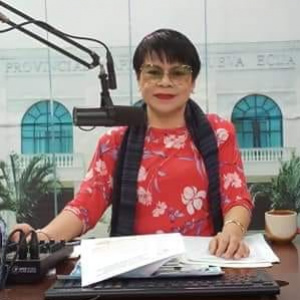
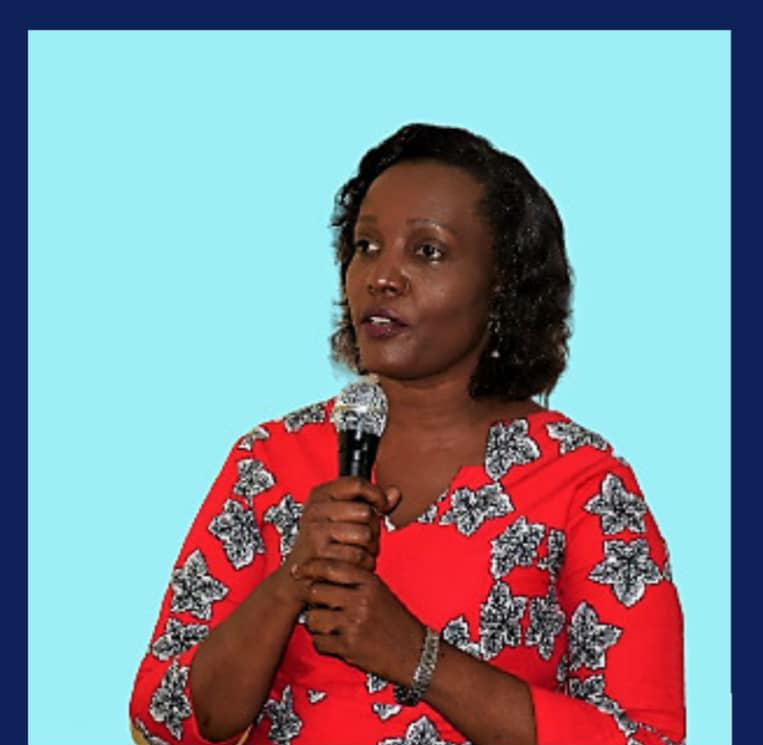
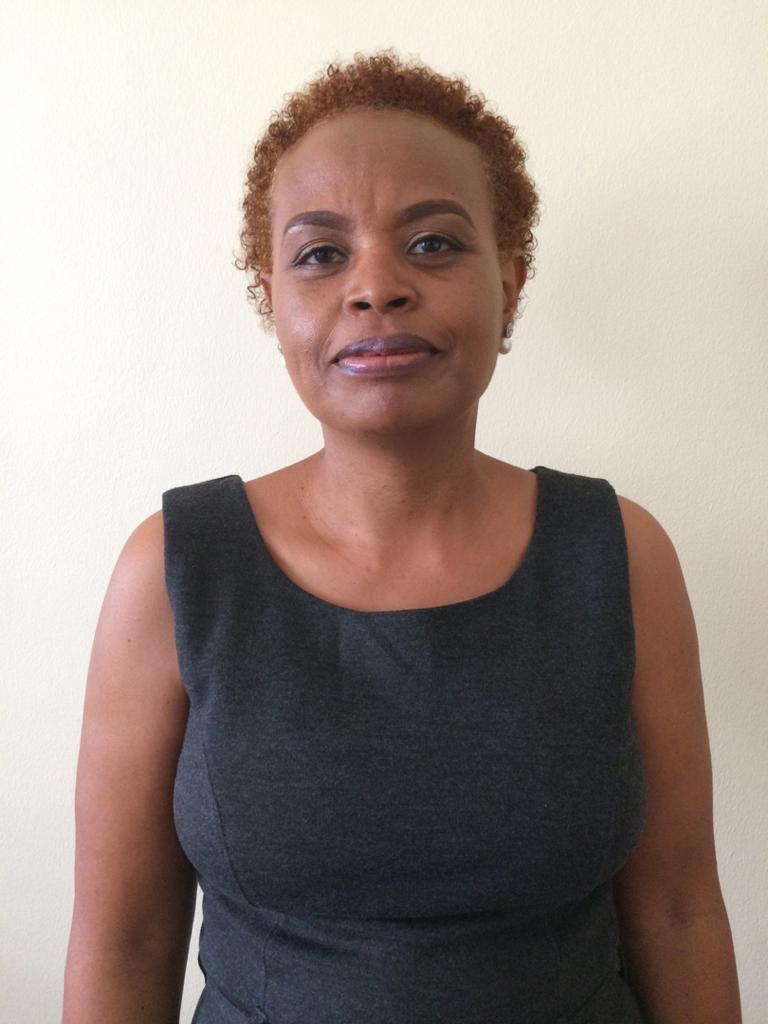
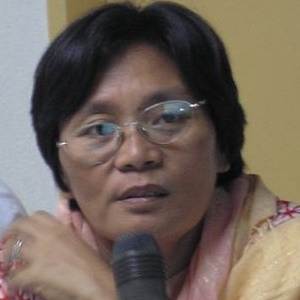
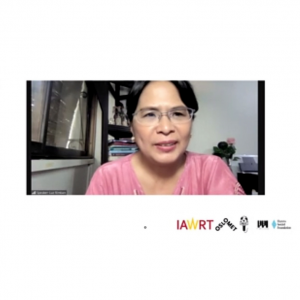
Luz Rimban, executive director of the Asian Center for Journalism (ACFJ) at the Ateneo de Manila University, tackled dealing with disinformation and propaganda during the elections in the roundtable discussion and forum, “Halalan 2022: Ready na ba ang kababaihan sa media?” [Elections 2022; Are women in media ready?] on October 9, 2021.


Women journalists and female journalism/communication teachers and students participated in this online event organized by the International Association of Women in Radio and Television (IAWRT) Philippines and Oslo Metropolitan University (OsloMet) Journalism and Media International Center (JMIC) in partnership with the Philippine Press Institute (PPI) and Hanns Seidel Foundation (HSF).


Rimban started the discussion with reflections on the 2022 elections and what is at stake. She underlined the possible return to Malacañang of the family of the late dictator Ferdinand Marcos, as well as the continuous hold on power of President Rodrigo Duterte and his family, whose reasons to remain in power include the official probe of the International Criminal Court (ICC) into alleged crimes against humanity in Duterte’s “war on drugs.”


At the same time, she noted that there are “pro-democracy, freedom-loving Filipinos” who “know that Marcos and Duterte represent the darkest times of the country” and “don’t want a repeat of martial law or a repeat of the past six years.”


Given this context, Rimban noted, “In a race as tight as the one we are having in 2022, we can expect that disinformation and propaganda will go into overdrive.”


Injecting disinformation and propaganda into social media content may be done “subtly” or “covertly” by candidates, their campaigns, and their supporters. While those who have money can spread these on a larger scale, everyone can engage in disinformation and propaganda, which is why journalists and the public must remain vigilant, said Rimban. She acknowledged that because there are no gatekeepers on social media, it has become more difficult for citizens to distinguish between true and false information.


As these types of content continue to surface on social media, Rimban encouraged introspection on how to view and respond to disinformation and propaganda. Acknowledging the power of certain politicians as “masters of disinformation” and the fact that there are “bloggers, influencers, and vloggers who are looking for content,” she invited the participants to look at such content more critically rather than “pick a fight” with content producers.


Disinformation and propaganda are not new, but social media allows these to spread at an unprecedented speed and scale. What Rimban pointed out about encouraging critical thinking helps individuals pause and try to make sense of the bigger picture, rather than get caught up in what disinformation and propaganda spreaders are feeding.


This is also what Rimban underlined during the roundtable discussion, when asked about the issue of “he said, she said” reporting during the elections. She noted that while “there’s a place for breaking news,” it is “also incumbent upon journalists to… take a step back and look at the bigger picture.”


Rimban shared the following ways to deal with disinformation, in particular:

  1. Fact-check as part of daily work.
  2. Study election laws, voting procedures, facts and history.
  3. Correct erroneous narratives within your own circles.
  4. Promote critical thinking.
  5. Spread media/social media literacy.


Rimban said doing quality journalism requires knowing how to fact-check and continuously learning about election laws, voting procedures, and related facts and historical information. She also advised sharing fact-check findings and correcting false information within one’s own circles such as in chat groups, as well as promoting how to think critically especially during the elections.


She added that media/social media literacy and fact-checking initiatives must be strengthened, as these are often done in schools and journalists’ circles while other stakeholders are often overlooked. She shared that when ACFJ shared tips with an urban poor community on how to spot falsehoods, the participants were “so excited because nobody had taught it to them before” and were “very keen on getting more information.”


This is a strong reminder for journalists and other stakeholders to expand discussions and engagement on how to deal with disinformation and propaganda.
 

1009 nobel prize

Fellow journalists and press freedom and freedom of expression and information take the spotlight at this year’s Nobel Peace Prize.


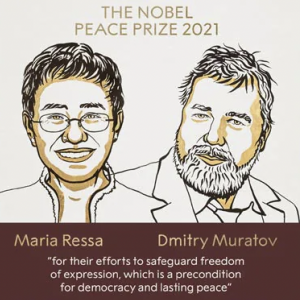
The International Association of Women in Radio and Television congratulates fellow journalists Maria Ressa and Dmitry Muratov who jointly won this year’s Nobel Peace Prize.


The Nobel committee awarded this prestigious peace prize to journalists from the Philippines and Russia for their ‘efforts to safeguard freedom of expression’. This, the Norwegian Nobel Committee also deems, is a precondition for democracy and lasting peace.


“Free, independent and fact-based journalism serves to protect against abuse of power, lies and war propaganda,” said Berit Reiss-Andersen, chair of the committee. 


The award is accompanied by a gold medal and 10 million Swedish kronor (US $1.14 million)


The recognition comes at a time when journalists are increasingly at risk the world over, especially female journalists in Afghanistan and many other hot spots. 


Co-founder of Rappler, a digital media company for investigative journalism, Maria Ressa uses freedom of expression to expose growing authoritarianism in the Philippines. 


Dmitry Muratov, on the other hand, is a Russian journalist who founded the Novaya Gazeta, a news agency that is critical in its reporting and has served as its editor-in-chief since 1995.


IAWRT hopes this award becomes an opportunity for fellow press freedom advocates to hold the line and engage governments to protect a free press and to uphold people’s right to know.


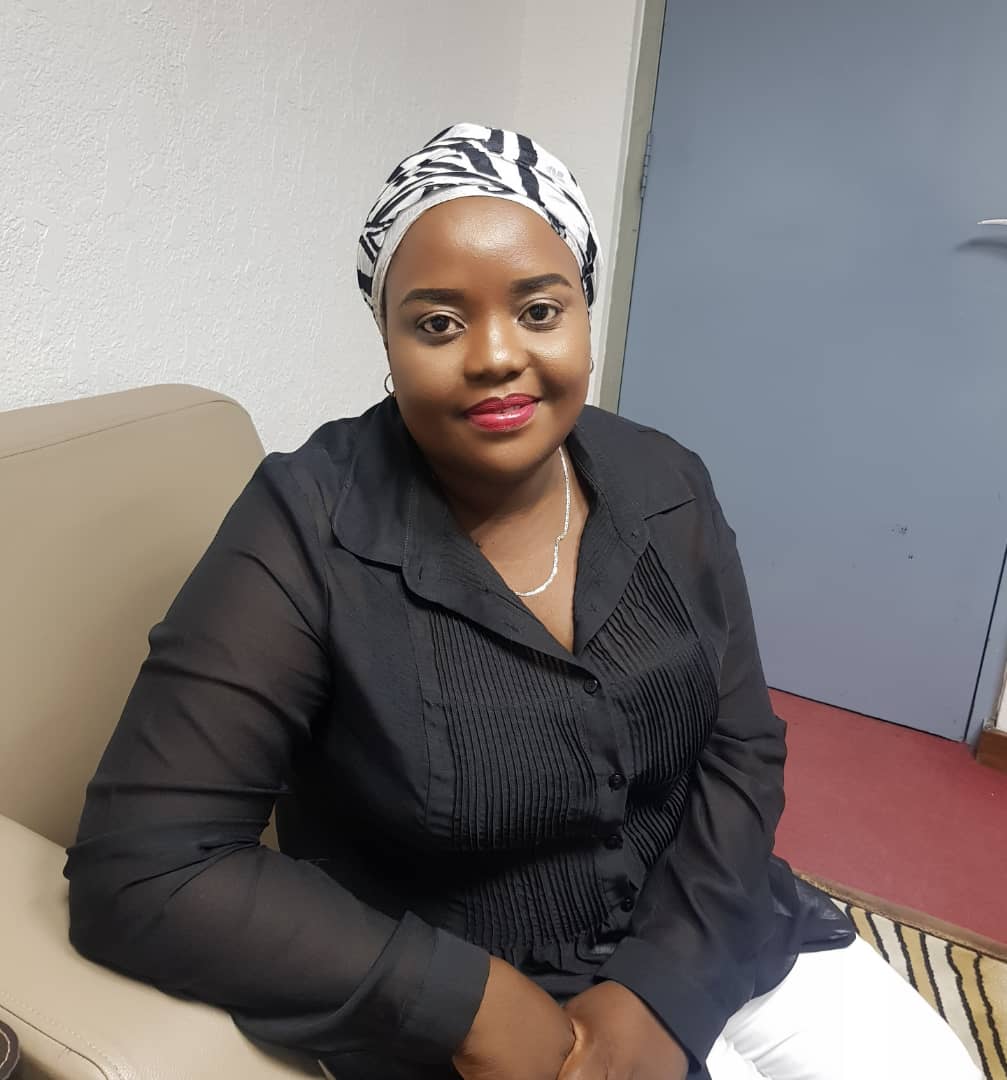
Fatuma Matulanga

Tanzania

Head of TBC Zanzibar 

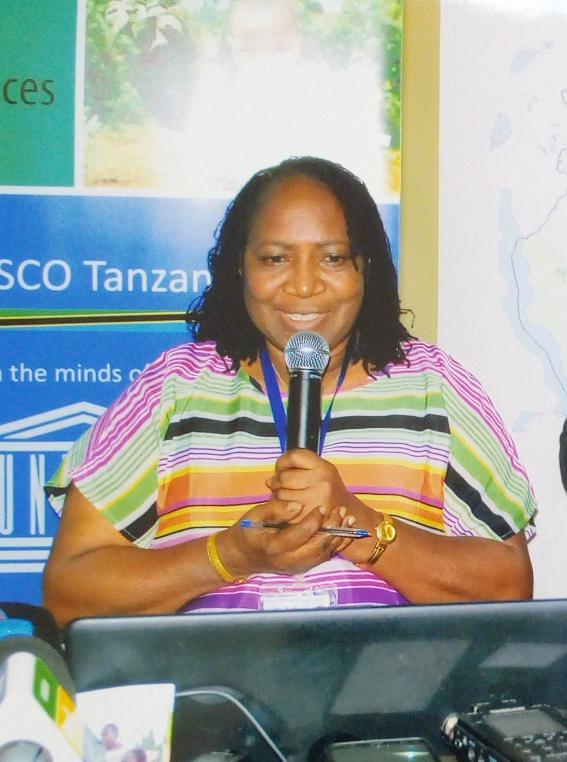
Fatuma Matulanga said she wanted to be a journalist since her first year of primary school.

At 18 years old and thinking then of a career path for her continuing studies, she affirmed that she still wanted to be a journalist.

“A girl must have a dream, and she needs to find a way to reach the dream. Focus on the path to that goal and then you reach your goal,” she advised from her own experience.

Matulanga was promoted as head of Tanzania Broadcasting Corporation (TBC) in Zanzibar in 2016. 

At this stage in her career, newly-elected IAWRT Tanzania chapter head Fatuma Matulanga’s message for both aspiring and current women journalists is this: Get educated, focus on your goal and love your job. 

“It’s a very unique opportunity for a woman to be selected to head a key Bureau and representing a country within a country and the union unlike other bureau’s which are regions (zones),” she said.

She has been part of TBC since 2007. The office at Zanzibar only had one journalist reporting before and when it was expanded, she became its first head.

“I was not expecting or thinking one day I will become head of TBC Zanzibar. I ask myself why I was chosen by the director. I was worried how I will manage. Before, I was only a reporter. But the director wanted something new. He wanted positive changes, and he wanted me to lead,” shared Matulanga.

She wanted to do well in this position, not only for the job but also for all women.

“As a woman head, I have the power to change. To have more women as news sources, experts and gender issues increasing women voices, stories and visibility in the media,” she said.

In this job, she supervises everything—from administration and finances to ensuring the quality of programs.

She has the challenge to govern the company’s finances well because TBC is owned by the government and so that everything that has anything to do with finances (mostly everything) in the office runs smoothly.

She is also always thinking about bringing in revenues for the company. This would come from good productions and news coverage.

“I wanted us to be able to deliver news from Zanzibar to the rest of the country and the world,” she said.

She also wanted to make sure to strengthen teamwork in the company so she and the people she works with will become a highly-qualified and experienced group of journalists.

Leading a company, indeed, required her to look at how she can make positive changes in everything.

“As a woman in leadership position, working hard inspires other people. If you work hard, people see that and then you can do positive changes. People see and they want to be like you or do like you do,” she said of why she has always pushed herself to work hard.

While she is the first to be appointed in TBC Zanzibar, she shared that there are women leaders in newsrooms across the country. But she observed that they can become chief editor, director of a TV or radio program if they have better educational credentials.  

“Years ago, women are struggling to get into leadership positions. Now they understand they need to leverage themselves with getting more and more educated. The opportunity to become chief editor or director can be open to a woman if she has a master’s degree and also depends on her work performance,” she shared.

That is why she encourage women to finish or pursue further education.

“Women needed to work on their degrees, be more educated and then they can do more positive things in the media,” she said.

Matulanga herself finished her Master’s Degree in Global Business Journalism from Tsinghua University in Beijing, China in 2014. While studying, she worked for CCTV.

“There is not like a promise for giving women equal opportunities. I see many women in media houses if they are very, very educated they have better opportunities to get leadership positions in the newsroom,” she shared.

She is also looking to pursue her PhD abroad in the future, when she is ready, she said.

“I love studying, learning, gaining experience anywhere in the world. I encourage women to get educated. Education is looked upon with respect. They can be voice of the voiceless, the voice of women. If they can be educated, they can do that better,” she said.

She said that most women in Africa, like in Tanzania, are poor and that could be a hindrance to their education and developing their potential.

“I really want IAWRT Tanzania to concentrate on women in entrepreneurship. To work on how women can overcome poverty because women need to be empowered, seen, heard, but they need a market to expand their capital, they need to have skills. If you give women income or capital, if she can overcome poverty, if she can become financially stable, then she can also try to take herself away from situations of gender violence, abuse, harassment,” she said.

Matulanga credited women’s groups for helping out fellow women achieve their dreams.

“The Tanzania Media Women Association or TAMWA has a great impact on my professional career. The exchange program in Norway that I was part was through TAMWA and after that, a lot of doors opened,” she recalled.

Matulanga was able to work in the Norwegian Broadcasting Corporation and in the Gimlekollen School of Journalism and Communication as a tutor. She also worked in the Radio Deutschwelle German Swahili service.

Asked if she feels pressured being a woman leader in the newsroom, she empathically answered in the negative.

“I do what I am supposed to do, for the job I was hired and paid so I do not feel pressured to prove anything,” she said.

But to answer to the constant demand and challenges of the job as a journalist or a leader required more than hard work: one must love the job.

“I just to work hard because it is my job and I love it. I love being a journalist, I love journalism, I love telling stories, if you do your job then you do your best,” she said.

0911 sonia capio 02

The IAWRT Philippines’ member is a veteran radio broadcaster and commentator and gender and development advocate.

Her retirement in 2019 gave her more options to continue with her passion and commitment.


She got more chances to accept invitations for webinars on online/hybrid teaching, as well as gender and development concerns find more slots in her schedule. She got more invitations to media affairs by media groups and press conferences of government and private institutions via zoom.


“Of course, not the least, by the National Union of Journalists of the Philippines on concerns such as women in media security and by the only one of its kind in the Philippines, the International Association of Women in Radio and Television (IAWRT),” she remarked.


This year, as the pandemic continues, she started several commentary programs via the popular forum, webinar, and meeting platform Zoom. As she said, she is only retired, but not tired.


ZOOM Forum: Panahon, Capio et.al officially started on June 5, Saturday, from 9 to 11am. Like a radio show, this was the timeslot of the said program. Capio saved the recorded video then posted it on Facebook.


The show, she said, is patterned after teleradyo (hybrid tv-radio) shows, and similar to a webinar but without or with fewer participants.


“It was intentionally for an interactive discussion between the two hosts on government public policies; academic freedom; career advancement; community involvement and gender and development or GAD,” she shared.


The show found opportunities to feature and talk about numerous issues concerning government policies, academic freedom, career advancement, community involvement, and GAD taking into consideration historical background and context as bases.


Her co-host is Engr. Honorato Peralta Panahon, Ph.D is an academician and communicator.


“He provided the foundation of our interactive discussion on Good Governance by providing the Requisites of Good Governance by way of the mnemonic device using Capio’s name: S – Spirituality, O – Organizational familiarity, N – National Identity, I – Integrity and A – Accountability. And above all: C for Competency,” she shared.  


ZOOM Forum: Panahon Capio et.al aired its 13th episode on August 28 and would take a break in the meantime.


She started a series of webinars for gender and development for good governance, dubbed as “SOW GAD.”  The title’s meaning, she shared, is to sow the seeds of GAD for good governance. This one airs every Tuesday, from 9 am to 11 am. Go to Capio’s Facebook account to listen to the recordings.


0915 Sania Farooqui show

The Women for Press Freedom series is in partnership with IPS News.

“These are sharp conversations with journalists from around the world, where we discuss the state of press freedom in their country, on reporting from hostile environments, online violence against women, #metoo movement in newsrooms and more,” Farooqui said of this series.


“We will also be focusing on network and solidarity and how organisations can help create a safe environment for journalists, so they are able to work freely and without any fear.”  


The series was launched at the beginning of August 2021.


The series has featured journalists from various countries.


The first episode featured Elena Pasquini as she talked about the challenges of reporting from the Democratic Republic of Congo and about press freedom.


The second episode featured Nidhi Razdan, journalist from India on freedom of expression and the recent cyber-attacks focused on her, which is still being investigated.


The third episode featured journalist and author Adrienne Lawrence, where she discussed workplace sexual harassment, #metoo in newsrooms, her own fight against ESPN and how her book is a strategic tool to understand all of the above.  


The September 1 episode featured Neha Dixit from India. Dixit has worked as an investigative journalist for over 13 years across multiple mediums including print, television and online.


The conversations are followed by an opinion editorial, covering a particular theme or angle of the interview which is published by Inter Press Service (IPS).


Farooqui recently concluded the first series in her self-titled online show, ‘Not Just About The Sharia.

0903 IAWRT tanzania fi

IAWRT Tanzania hopes to enhance membership drive and come up with strategies to move forward. 


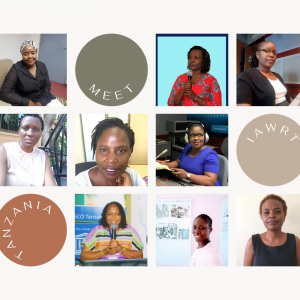
IAWRT Tanzania chapter, through its former office bearers, held a meeting on August 8, 2021 and elected its new office bearers. Meet the new board members and members. 


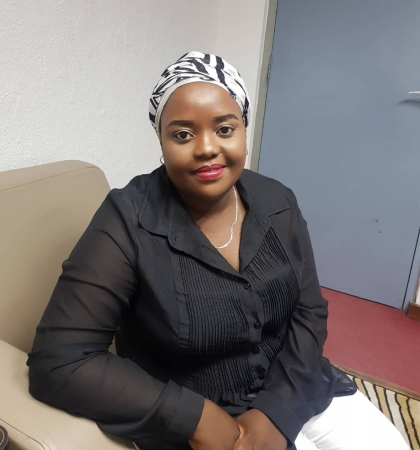
Fatuma Matulanga, IAWRT Tanzania head of chapter. She is the head of TBC Zanzibar. 


“To have more women as news sources, experts and increasing gender issues, women’s voices and visibility in the media. As a woman head, I have to power to make that change.”


Dr. Rose Reuben, deputy head of IAWRT Tanzania chapter. She is also the director of Tanzania Media Women’s Association.

“We need women who are so strong they can be gentle, so educated they can be humble, so fierce they can be compassionate, and so disciplined they can be free.,” she shared this quote from an unknown source. 


Betty Tesha, IAWRT Tanzania Secretary. She is also TBC radio broadcaster. 


“New IAWRT, good start for better future,” she said. 


Oprah Sadallah, IAWRT Tanzania Treasurer. She is also is the Communication Officer of Jaza/Midundo online radio. 


“Keep them well. Keep them employed. And keep them mentally healthy. #AllHandsOnPandemic” she shared this message.


Stella Setumbi, IAWRT Tanzania board member. She is also TBC radio broadcaster. 


“The struggle today is the developing strength we need for tomorrow,” she shared.  


Raziah Quallatein Mwawanga, IAWRT Tanzania board member. She is a Media Consultant/Trainer and TV Broadcaster.


“If there’s a book you really want to read but it hasn’t been written yer, then you must write it,” she shared this quote from Toni Morrsion. 


Meet also some of the IAWRT Tanzania members. 


Rose Haji shared this quote from Peter Sands from he Global Fund to fight AIDS, Tuberculosis and Malaria
 
“Without equity, we cannot end COVID-19, HIV or any other pandemic.” 


June Jao said: 
 

“I love journalism and broadcasting, so great that i get to participate and inform about the society.”


Bestina Magutu is delighted to join IAWRT Tanzania. 


oslo_met_

JMIC at Oslo Met photo exhibit features photos collected by the Afghanistan Photographers Association


The photo exhibition was planned under different circumstances, said Professor Emerita Elisabeth Eide, also Co-founder of Journalism and Media International Center (JMIC) at Oslo Metropolitan University (OsloMet) at the opening of “Where there is a War, there is still life” photo exhibit.


The exhibition was opened on August 25 by the Norwegian State Secretary from the Ministry of Foreign Affairs, Mr. Jens Frølich Holte, followed by the Afghan Ambassador, his Excellency Mr. Youssof Ghafoorzai. Other speakers in the opening ceremony included Rector Nina Waaler at OsloMet, and Free Expression Foundation Director Knut Olav Åmås.


Prof. Eide expressed gratitude to the Afghanistan Photographers Association, without whom the exhibition cannot be possible, she said.


“Farzana Wahidy, Director of AP, would like to be here if circumstances would have been different,” said Prof. Eide.


The Taliban took over Kabul on August 16. Thousands of Afghans left the country since then, while many are still trying to leave the country to various destinations such as Qatar, Albania, Tajikistan, US, Canada and several European countries. Women journalists are thought to be among the most vulnerable should the strict Taliban rule return. Their five-year rule before the 20-year war saw restrictions on women’s rights to study, work or move freely.


“The exhibition is a powerful message of a world which cannot survive in the same way, perhaps showing what is at stake if a peaceful, and just, and rights-based solution is not found,” said Prof. Eide.


The APA made a call and 600 photos were submitted, and 46 were selected by a very professional, international jury. Six of the 27 photographers whose photos became part of the exhibit were from women.


“Far too often, the images from Afghanistan have been on war and violence, women’s suffering, and foreign troops. Afghanistan is a proud nation with a strong history of independence. In later years, civil society activists have worked to safeguard the constitution and the rights of different vulnerable groups. Many women have been in the forefront of these activities,” said Prof. Eide.


Watch the rest of the opening program:


0830 Elena Tijamo 02

Human rights group Karapatan in central Philippines confirms Elena Tijamo’s death


Last year on June 13, suspected military elements—four armed masked men in civilian clothes accompanied by two women—broke into Elena “Lina” Tijamo’s home in Barangay Kampingganon, Bantayan Island in Cebu and held back family members while they covered Tijamo’s mouth with tape, tied her hands, and took her away. She was taken under curfew hours and lockdown and that impeded her family’s efforts to search for her. She has been missing ever since.


On August 30, 2021, human rights group Karapatan Central Visayas confirmed Elena Tijamo’s death in a hospital in Metro Manila, far away from where she was abducted. Moreover, the group found the circumstances around her death to be questionable.


On August 28 at 1:00pm, Tijamo was able to call her brother Carlos (who is in Manila) from VRP Medical Center in Mandaluyong City to say that she is alright and would soon be discharged.


A few minutes after, a certain “Michael” called Carlos telling him to meet him outside of the hospital “because Carlos would not be able to enter the hospital due to COVID-19 restrictions.”


Once at the hospital, “Michael” told Carlos that Tijamo had already died after a goiter operation. “Michael” gave Carlos the bill and told him it was already paid.


Tijamo’s body was brought to St. Peter’s Funeral Homes without Carlos’ knowledge. Carlos discovered that Tijamo’s body would not be released to him because it was registered under a different name: Ava Perez Reyes.


Tijamo’s daughter Dawn was able to speak to the funeral parlor and found out that the person who brought Lina’s body to the funeral home was a certain “Neil Reyes,” who claimed to be Lina’s nephew.


The family does not know any “Michael” or “Neil Reyes”. These circumstances and those who brought Tijamo’s body to the funeral home under what is suspected to be false names hinder the family from claiming the body.


Tijamo was the program coordinator for sustainable agriculture FARDEC, non-profit, non-government organization that offers paralegal and educational services to farmers facing land issues. She was also the Community Radio Coordinator of FARDEC in Bantayan Island, Cebu. The group maintained a radio program, Radyo Sugbuanon in partnership with the International Association of Women in Radio and Television (IAWRT) Philippines.


Following questionable circumstances surrounding her death and her body’s delivery to a funeral parlor, the family of Tijamo has yet to gain full custody of her remains so they can mourn her in their place of preference.


IAWRT extends its condolences to the family, friends, and colleagues of Tijamo and calls on concerned institutions in the Philippines to investigate the circumstances of her disappearance and death and mete out justice for Tijamo and her family. 

Screen Shot 2021-08-24 at 2

Film director Sara Chitambo has started a Gogetfunding page for a documentary in production

The crowdfunding venture is for a feature documentary on mental health particularly depression in African communities on the continent and in the diaspora.


“The cross-continental film is a vehicle to understanding the directors own clinical depression diagnosis by interacting with different people who are further down the line in terms of their mental health treatment and weaving intimate portraits of participants in Canada, Nigeria, England, and South Africa,” explained the director in the crowdfunding page.


The film challenges the stigma of mental health in black communities and asks us to shift our perceptions of sanity, dignity, and well-being.


“This film is born out of frustration that mental health is largely misunderstood in African communities and those managing mental health issues are relegated to a nuisance, weak, attention-seeking or simply mad. Our treatment and medical options are limited and social needs remain largely neglected,” shared Chitambo.


The amount being raised will go towards the post-production of the film. The page indicated there is less than a month to go to raise the amount needed to complete the film.


The minimum donation is $20. Donate $60 or more and get a mention in the credits. Please go to this page to know more or to donate.


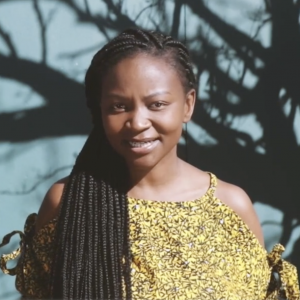
IAWRT South Africa member Sara Chitambo is an independent filmmaker and communications strategist. She grew up in Zambia, South Africa, and Namibia and is currently living in Johannesburg.

Screen Shot 2021-08-24 at 2

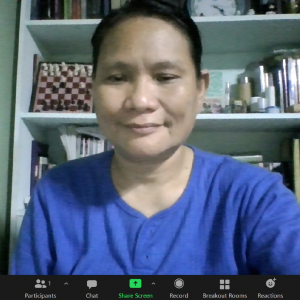
IAWRT Treasurer Jola Diones-Mamangun held Zoom tutorials for IAWRT members.

In many places around the world, there is still no certainty when people can go back to the office or to schools. Work and classes have been conducted online for more than a year for a lot of people. With the highly transmissible COVID-19 Delta variant making its way to many countries only in the last few weeks, working and studying online may have yet to continue.


For over a year now, Zoom is one of the most-used apps for meetings and webinars because of the ease of use and high-quality audio/video output. Zoom has user-friendly and relatively intuitive interface and better call quality even at low bandwidths compared to others. Zoom also became popular for its free 40-minute calls for up to 100 attendees without the need to log in and the ability to record meetings as video. One can also generate an attendee list if you are the host or the owner of the account and have a Pro, Partner, Business, or Education account.


Please look at the uploaded file used in the workshop facilitated by IAWRT International Treasurer Jola Diones-Mamangun for the step-by-step How-tos on hosting and conducting a Zoom meeting.


Some tips on making your Zoom meetings smooth and effective:


  1. If you are hosting a meeting, it would be better to connect from a large screen. (Meaning: not your phone)


  1. Use the Zoom app (easy to download from Zoom website) and not the browser.


  1. Use a stable/wired connection.


  1. Double-check meeting default settings. Choose and apply security settings as needed. For example, choose to manually accept registrants than automatically approve them. Add a waiting room so the host has time to double-check the guests being admitted to the Zoom room. Set a customized meeting password.


After some security issues such as Zoombombing (ie uninvited participants who chanced upon the link hijacks the meeting, a lot of those happened when people opposed to what a meeting is about joined without invitation), Zoom has enabled meetings passwords by default.


  1. Test your audio and video as you join.


  1. Use a headset to eliminate noise creeping into your mic. Use a Bluetooth, USB, or jack-connected headset to avoid echo in the call. Better also to use the mic and speaker from the same device. The echo sometimes happens when your microphone and speaker are placed too close together. Some troubleshooting tips include lowering your speaker volume or double-checking that you are speaking on the correct microphone. It is also always good to be on mute when you are not speaking, and remind others to also mute their mic if they are not speaking.  


  1. Inform the participants that the meeting will be recorded before starting the recording. Participants will also be notified by Zoom once the recording starts, and they can accept and agree to that or choose to leave the meeting.


  1. Share the house rules with participants before you start. Share with them when and how they can speak or ask questions. A popular house rule used in Zoom is the Chatham House Rule—the guiding spirit of which is to share the information you receive, but do not reveal the identity of who said it.


  1. Use the Zoom tools for more collaborative sessions, such as annotate, raise hand, or react. Participants can also choose the skin tone for their emoji reactions.


  1. Zoom has a lot of background designs to choose from if you do not want to show your actual background. Various Zoom background designs are available for free online. Download them and add to your Zoom account so you may use them in various meetings. Bookshelves are a great idea, while others take a photo of their work desk and use it as background. There is also an option to blur your background.


  1. Zoom has a lot of effects to allow participants to show up better in the meeting. Laptop brightness and Zoom brightness can add more light to the frame. Makeup effects for those who wish to use them are available.