benax

′′The right to freedom to practice media, express opinion and protection of journalists′′

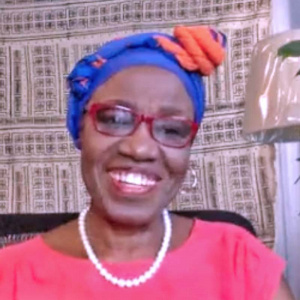
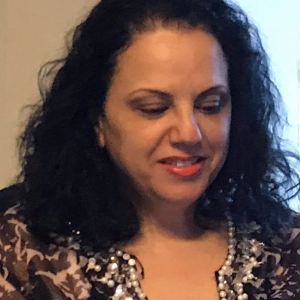
IAWRT member from Palestine Benaz Batrawi, a media professor, is among the signatories of the statement issued by academics and media professors on July 3, 2021.


“It was a call to defend the freedom of speech and explanation how we can do that as media academics,” said Batrawi.


Batrawi is a trainer and consultant in communication for development at Medianet office and used to be a lecturer at Al-Quds University and Open University. She holds a B.A. in Economics from Bier Ziet University in Palestine, a Master’s Degree in New Media and Digital Culture from the University of Amsterdam in the Netherlands, and another Master’s Degree in Mass Communication from the University of Leicester in the United Kingdom. She was also part of the 2003 Hubert Humphrey Fellowship Program at the Missouri School of Journalism. 


Press freedom statement
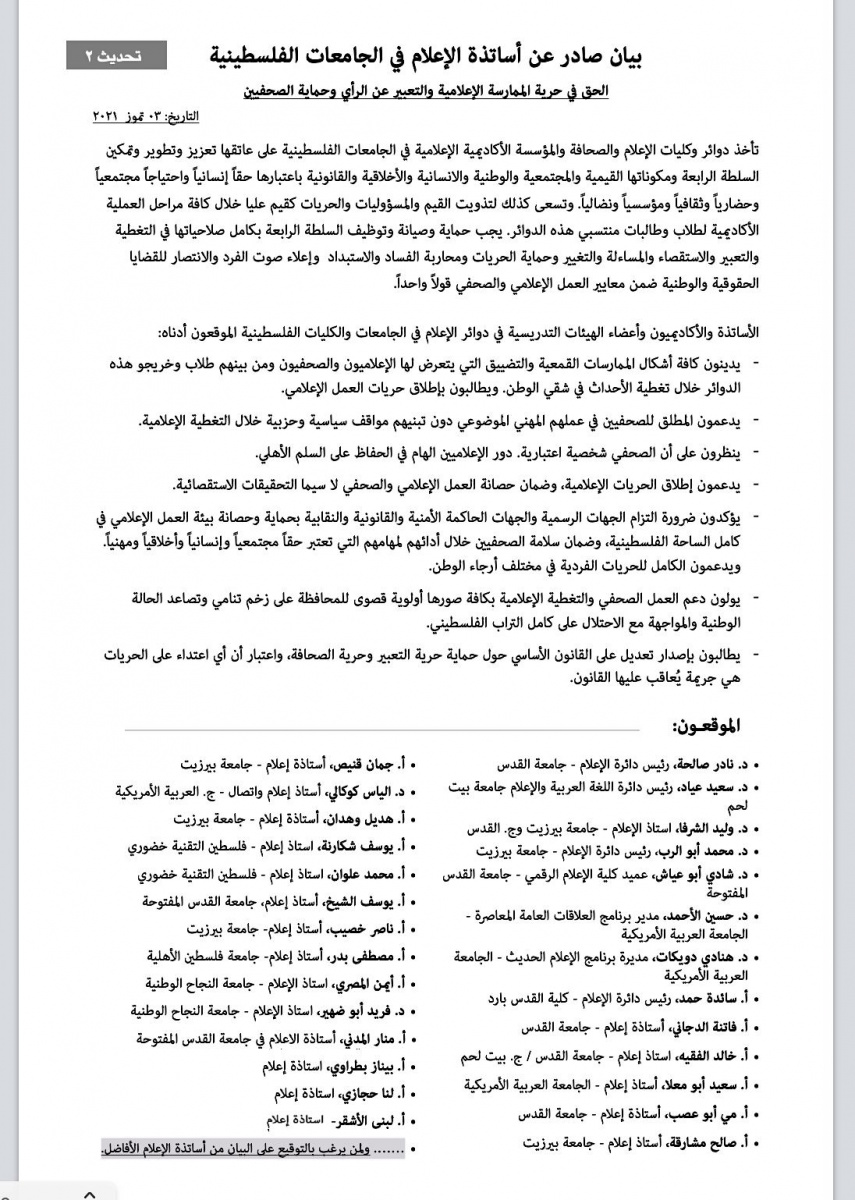
“The Fourth Estate must be protected, maintained, and employed with its full powers of coverage, expression, investigation, accountability, change, protection of freedoms, fighting corruption and tyranny, raising the voice of the individual and victory for human rights and national issues within the standards of media and journalistic work in one word,” the statement asserted.


They recognized the importance of the role of the media in maintaining civil peace and in delivering information to the public.


The signatories stressed the necessity of the commitment of the official authorities and the security, legal, and trade union governing bodies to the protection and impunity of the media work environment in the entire Palestinian arena, and to ensure the safety of journalists during the performance of their duties, which are considered a societal, human, moral and professional right. 


They also give support for press work and media coverage in all its forms as a top priority to maintain the momentum of the growing and escalating national situation and the confrontation with the occupation on all Palestinian soil. 


They also demand the issuance of an amendment to the Basic Law on the protection of freedom of expression and freedom of the press and considering that any attack on freedoms is a crime punishable by law.


The statement was signed by media professors from Al-Quds University, Bethlehem University, Birzeit University, Arab American University, Al-Quds Bard College, Al-Quds Open University, Palestine Technical Kadoorie, Al-Ahliyya Palestine University, and An-Najah National University among many others.
0703 iawrt k 02

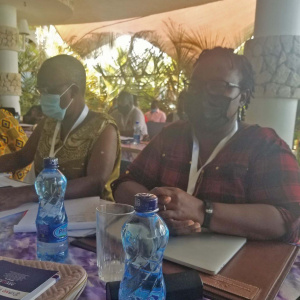
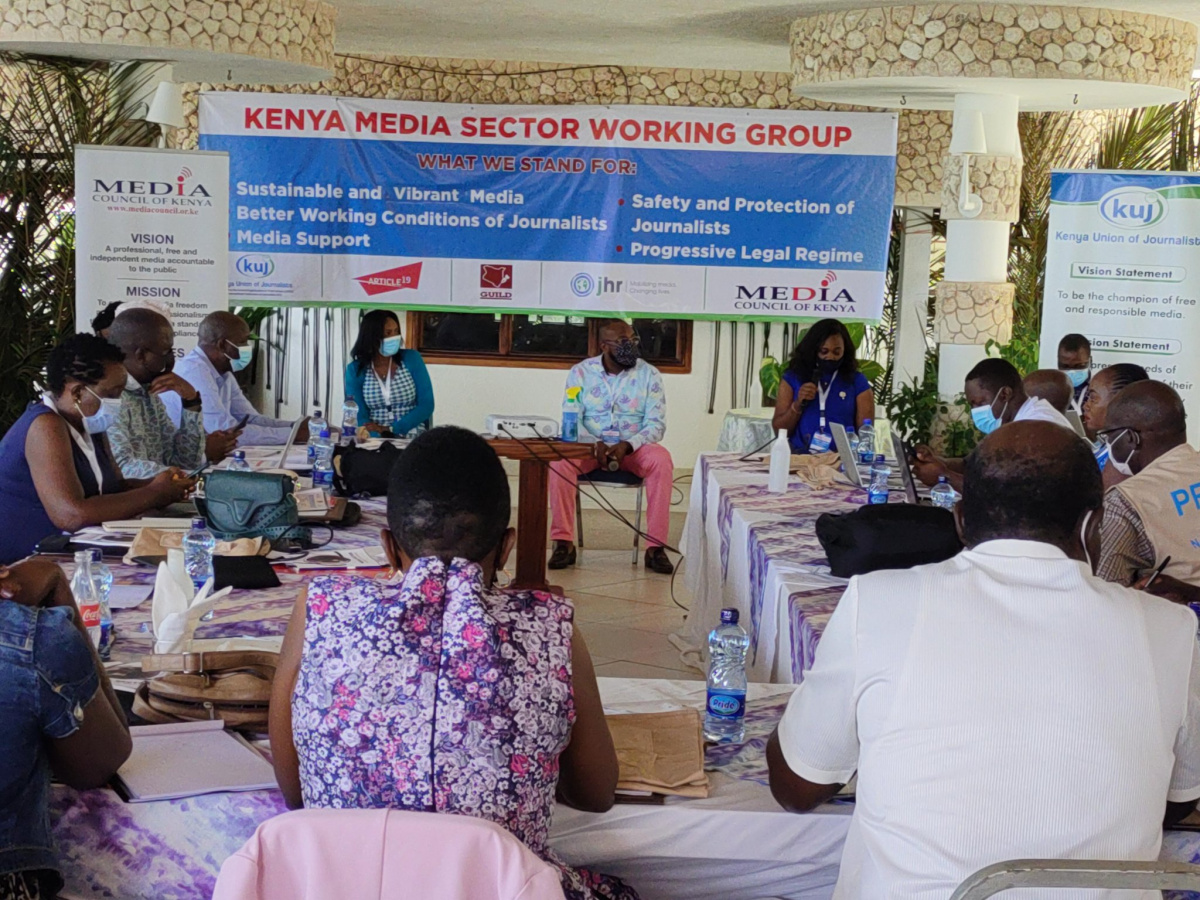
IAWRT Kenya members joined the discussion on media sustainability in Kenya


A meeting of the Kenya Media Sector Working Group conference was held on July 3, 2021 to discuss critical matters affecting the media industry with an aim of influencing policy on media sustainability.


The previous meeting by the Kenya Media Sector Working Group in March this year led to the development of a 13-point statement that was named the Maanzoni Declaration. The July meeting is said to be a follow-up to the Maanzoni Declaration.


“The journey to the Media Sustainability Convention was informed by the Covid-19 crisis in 2020. This forum hopes to come up with a policy document to influence law on the establishment of a Media Sustainability Fund,” said Rosalia Omungo, editor of Kenya Editors Guild.


The gathering discussed having sustainable and vibrant media, better working conditions for journalists, media support, safety and protection of journalists, and having a progressive legal regime.


“Journalists are the key resources that media houses need to survive and consequently, the needs of journalists must be addressed even in a challenging financial or economic environment,” said Faith Oneya, editor at Nation Media Group.


Sexual harassment in the workplace

Glaring gaps on sexual harassment policies in media houses, Media Complaints Commission, and code of ethics are a hindrance to mitigating sexual harassment in the media, said Dorothy Njoroge, the chair at Association of Media Women in Kenya.


She stated that the culture within most Kenyan media newsrooms is largely masculine.


“Culture change is a gap and needs to be addressed,” said Njoroge.


The process of addressing complaints within the Media Council of Kenya (MCK) Complaints Commission is clear, however, addressing sexual harassment is complex.


“We should prioritise the need to ensure we have safe spaces,” said Dinah Ondari of the Media Council of Kenya.


Policies must be fit for purpose when it comes to having sexual harassment policies in media houses, she said.


Kenya media regulation and accreditation in the 21st century

Should there be more or less regulation and accreditation? A panel discussion tried to answer the question.


Nelly Mululuka of the Kenya Film Classification Board (KFCB) said of the role and mandate of the organization: like a watchman dealing with media owners, journalists, content consumers, advertisers among other stakeholders.


“Freedom of expression is there but it cannot be absolute. It must be exercised responsibly,” she stressed.


With that, KFCB has to filter through the content to ensure it is the right content and that the law has to be enforced.


Governance specialist Henry Maina said functional overreach or overlap among the regulators KFCB and Communications Authority of Kenya must be reviewed. He said regulation is important in two phases: order and economic reasons.


“The laws need to be harmonised to co-relate with the 21st Century,” Maina said.


MCK CEO David Omwoyo said, “We need to have a framework where the code of conduct and practice of journalists in Kenya is about qualified people… The code of ethics is the ultimate Bible or Koran to journalists. It must be a privilege to audit.”


“It is time to review the media regulations in this country so that they are aligned to the transformations taking place in the industry. Key among the changes in the industry is convergence,” said Dr. Nancy Booker of the Aga Khan University Graduate School of Media and Communications. She moderated the discussion.


2022 General Elections in Kenya

Kenya Correspondents Association Chair Oloo Janak spoke about the need for the media to prepare adequately for the 2022 General Elections.


The meeting spoke with key officials on the emerging (or recurring) issues in the country such as election management, election offences, and ethical leadership.


The Independent Electoral and Boundaries (IEBC) said media has a role to play in civic education on voter registration as they target two major mass registrations targeting four million young people with funds now being available.


“The Commission will work with the media to enhance the transparency of electoral processes and ensure accountability of election results from polling stations,” said IEBC Commission chair Wafula Chebukati.


“As we get into elections next year, the media should contribute to the vetting of candidates for various positions, similar to what government agencies do,” Ethics and Anti-Corruption Commission (EACC) CEO Twalib Mbarak.


He also said Kenya’s media industry has remained a key player in the governance affairs of the country.


The EACC is the premiere agency to fight corruption and was established under the Ethics & Anti-Corruption Act 2011.


The IEBC, EACC, and Office of the Director of Public Prosecutions made a commitment to work with the media by having synergies in disseminating accurate information to the citizens

0719 saloobin fi

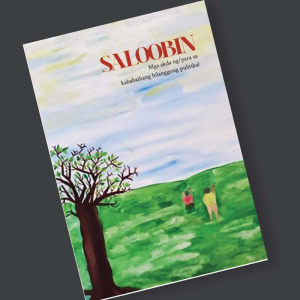
IAWRT Philippines members who were imprisoned join literary folio on women political prisoners in the Philippines.


In the book, Frenchie Mae Cumpio wrote an open letter titled “Love means fighting back”, tackling her choice of work and giving words of encouragement to her family, friends, and supporters.


Lady Ann Salem wrote of her much-dreaded transfer to the Philippines’ infamously over-congested and dilapidated city jails and the first two weeks of her incarceration.


There are now 715 political prisoners in the Philippines of whom 132 or around 18.5 percent are women. One of them is a journalist.


The detained journalist is Frenchie Mae Cumpio, journalist and Executive Director of alternative media outfit Eastern Vista that is based in Tacloban—the area ravaged by typhoon Yolanda (Haiyan) in 2013. She was arrested and detained since February 7, 2020, following a police raid on the media outfit’s office via search warrant for firearms and what many decried as planted evidence. She experienced surveillance and harassment days before her arrest. Her trial continues and she has been detained for 17 months now.


She is the second of three women journalists jailed so far during the administration of President Rodrigo Duterte. Two others have been released. All three are IAWRT Philippines members.


The first is Anne Krueger of alternative media outfit Panghimutad, raided by police in a similar fashion and whose search warrant only bore “yellow house” instead of a specific address mandated by the Constitution. She was among more than 50 activists, workers, peasant women arrested from October 30 to 31 in simultaneous police raids in search of guns and explosives. She was detained for 11 days, one of those days in the infamous overcrowded city jails in the country before she was allowed to post bail. Her trial continues.


The third is Lady Ann Salem, one of the now-called Human Rights Day 7, arrested on December 10, 2020. It was also the last day of the 16 days of activism against gender-based violence. She was arrested in a similar fashion and charges as Frenchie and Anne, and also the same judge as Anne issuing the search warrant against Manila Today’s home office during the pandemic. She is editor of the said digital publication and also communication officer of IAWRT, roles she resumed following her March 5, 2021 release from prison and February 5 case dismissal.  


Political prisoners, also called prisoners of conscience—imprisoned for their political activities, their affiliation, or beliefs but usually slapped with common crimes—are languishing in the overcrowded jails in the country during the COVID-19 pandemic.


These numbers and these stories are some of those recounted in the literary folio and the book launch of “SaLoobin: Mga Akda ng/para sa Kababaihang Bilanggong Pulitikal.” The work is published by political prisoners’ kin group Kapatid and feminist publishing house Gantala Press.


The book launch was held on July 18, observed internationally as Nelson Mandela Day. Mandela was himself a pollical prisoner detained for 27 years.


The book is an almost women-only written collection of poems, stories, songs, and essays of political prisoners but also their supporters from outside the walls of the prison.


Philippine Senator Leila M. De Lima also contributed a poem “Pinay, Malaya at Nagpapasya.”


IAWRT continues to call on the release of Frenchie Mae Cumpio and the dismissal of charges against Anne Krueger.


The book is available at the online shopping app Shopee or Gantala Press’ online store.

0714 iawrt nepal workshop

Women journalists face added challenges during COVID-19

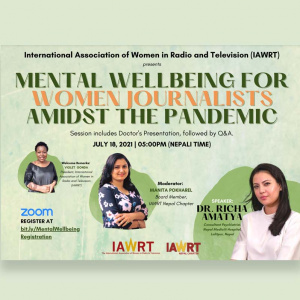
Dr. Richa Amatya will speak on mental well-being for journalists during the pandemic.

She is an aspiring Consultant Psychiatrist at the Department of Psychiatry of Nepal Mediciti Hospital and Shree Birendra Army Hospital. She completed her MBBS from the

University of Science and Technology, Chittagnong, Bangladesh. She pursued her career as a Psychiatrist and completed her MD in Psychiatry from Manipal Teaching Hospital, Pokhara. She worked as a Lecturer in Kathmandu University Hospital- Dhulikhel Hospital. She also has played a key role working as a Correctional Psychiatrist for the prison inmates at Dhulikhel Prison, Nepal.

The COVID-19 pandemic and lockdowns forced us to change our lives, shift to online work and education, practice social distancing, where we lost a lot of our physical activities and physical social interactions.

Covering the pandemic and covering during the pandemic has taken a toll on the mental health of journalists.

Women journalists have also been under more pressure in the home or the workplace. They faced more pressure and expectations to run the household while also having to work, and also women in general became more vulnerable to domestic abuse during lockdown. In the workplace, many women journalists have been cut off assignments in streamlining staff for the lockdown and pandemic, while some are more vulnerable to the conflicts and hostilities during coverage at this very uncertain time of multiple crises—health, politics, food, climate, etc.

All IAWRT members are invited to join on July 18, 5pm Nepal time. Register for this virtual webinar: https://us02web.zoom.us/webinar/register/WN_Dtql7CC4Rwy863R0VHgLYw

Read more of Dr. Richa’s work are some of her articles and interviews in media:

https://www.setopati.com/kinmel/medical/224098

Watch the talk here:

0711 generation equality paris

Forum to generate action for the rapid advancement of gender justice held from June 30 to July 2


The three-day Generation Equality Forum Paris concluded on July 2, announcing USD 40 billion of confirmed investments and the launch of a Global Acceleration Plan to advance gender equality by 2026.


UN Women said the monumental conclusion of the forum comes at a critical moment as the world assesses the disproportionate and negative impact that COVID-19 has had on women and girls. Gender equality advocates have pressed for gender-responsive stimulus and recovery plans to ensure that women and girls are not left behind as the world rebuilds.


The USD 40-billion investments confirmed at the Forum’s close was seen to represent a major step-change in resourcing for women’s and girls’ rights. Lack of financing was thought to be a major reason for slow progress in advancing gender equality and in enacting the women’s rights agenda of the milestone 1995 Beijing Conference.


The financial commitments that make up the USD 40 billion are as follows:

  • USD 21 billion in gender equality investments from governments and public sector institutions had committed
  • USD 13 billion from the private sector
  • USD 4.5 billion from Philanthropy
  • USD 1.3 billion from UN entities, international and regional organizations.


Many organizations made strong policy and program commitments, including 440 civil society organizations and 94 youth-led organizations. More are expected to make commitments over the next five years and follow in the footsteps of the approximately 1,000 commitment-makers confirmed to date.


“The Generation Equality Forum marks a positive, historic shift in power and perspective. Together we have mobilized across different sectors of society, from south to north, to become a formidable force, ready to open a new chapter in gender equality,” said Phumzile Mlambo-Ngcuka, Executive Director of UN Women.


UN Women will play a critical role in overseeing the implementation of commitments to ensure accountability and progress over the next five years.


“By implementing a new way of tackling global issues through efficient multilateralism, the Generation Equality Forum reversed the priorities on the international agenda and made gender equality, for too long underestimated, a long-term issue for the international community, along with climate, education and health. France will continue to be at the forefront to accelerate gender equality progress,” Ambassador and Secretary-General of the Generation Equality Forum Delphine O said.


Speaking to mark the close of the Forum for the Government of France, the host of the Paris Forum, she said, “We succeeded in raising the largest amount of investment to advance gender equality and women’s rights ever.”


Some examples of a wide range of commitments from every sector:

  • The Government of Burkina Faso’s work with Benin, Guinea, Mali, Niger, and Togo to develop shared commitments related to family life education; free care for pregnant women and children under five years; and pursuing legal and social change to end gender-based violence, including FGM and child marriage
  • The United States Government’s commitment to a range of significant policies and investment requests including an investment of USD 1 billion to support programmes to end violence against women, and USD 175 million to prevent and respond to gender-based violence globally
  • The expansion of the Global Alliance for Care, initiated by the Government of Mexico and UN Women. This now includes over 39 countries; for example, the Government of Canada’s commitment of USD 100 million to address inequalities in the care economy globally, as a parallel to significant investment in its own care system
  • The Malala Fund’s commitment to provide at least USD 20 million in feminist funding to girls education activists
  • P&G’s commitment to advance women’s economic justice and rights through its global value chain by spending USD 10 billion with women-owned and women-led businesses through 2025
  • The Government of Bangladesh’s pledge to increase women’s participation in the ICT sector, including the tech start-up and e-commerce sector, to 25 per cent by 2026 and 50 per cent by 2041.
  • PayPal’s commitment of USD 100 million to advance women’s economic empowerment
  • Raise Your Voice Saint Lucia’s commitment to collaborate with Caribbean NGOs to advocate for the recognition of the LGBTQI+ community and to undertake region-wide legislative reform to minimize discrimination and victimization
  • Open Society Foundation’s commitment of at least USD 100 million over five years to fund feminist political mobilization and leadership


The Forum in Paris engaged nearly 50,000 people in a mainly virtual format.


Source: UN Women

Sara Black and white

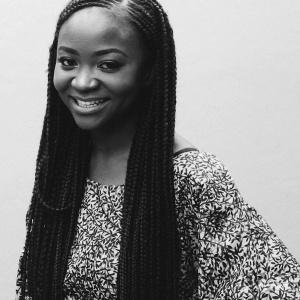
Film director Sara Chitambo is a member of IAWRT South Africa chapter

The film ‘Black People Don’t Get Depressed’ directed by Sara Chitambo and produced by Cati Weinek is one of 16 Spotlighted Projects in Cannes Docs of the Marché du Film (Cannes Film Market).


This selection of projects in development was featured in online Co-Pro Speed Meetings on July 8.


The film is about a filmmaker despairing for mental peace goes through the unavoidable journey of facing her depression. She speaks to others about their mental health as Africans and undergoes practices that mark the ending of suffering. The characters in 3 countries have the commonality of difficult experiences, but also the desire to overcome. Images of transcendence are woven with poetry to build a rich observational film.


It has a running time of 80 minutes and is expected to be released in 2022.


Chitambo is a filmmaker and communication strategist. She holds a Master’s Degree in Documentary Film Production from Sussex University and has wide range of experience in television and film production.


The presentation of Chitambo’s film is one of four films curated by the International Emerging Film Talent Association to be part of Spotlighted Projects


The creators of Spotlighted Projects will meet with potential funders, co-producers, festival programmers and other key industry professionals to help make their work become a reality.


This year’s Marché du Film (Cannes Film Market) as well as Cannes Docs (online) runs from July 6 to 15. These are concurrent with the Cannes Film Festival (which ends on July 17).


0723 final poster iawrt usa

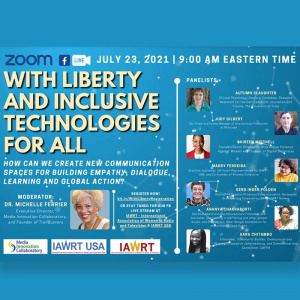
Register in advance for this online discussion on July 23, 9 am Eastern time

The Generation Equality Forum in Paris has come to an end. But as has been said, reported, and reaffirmed, much needs to be done for gender equality 25 years after the Fourth World Conference on Women in Beijing, China in 1995.


With that in mind, the IAWRT-USA chapter and the Media Innovation Collaboratory are hosting a conversation with journalists, entrepreneurs, advocates, and historians titled “With Liberty and Inclusive Technologies for All.”


The internet is weaponized globally and thwarting many from sharing locally relevant and useful information and sharing stories from those communities. Unregulated and unaccountable social media corporations can summarily suspend or silence participants without any recourse, algorithms can drive or dry up the flow.


For women, online and physical attacks serve a double blow – to their private lives and to their professional mobility.


How might we build on the inter-generational knowledge and resilience of courageous women journalists like Ida B Wells, Kagure Gageche, and Lillian Van Der Goot to create safe and healing spaces for inclusive narratives?


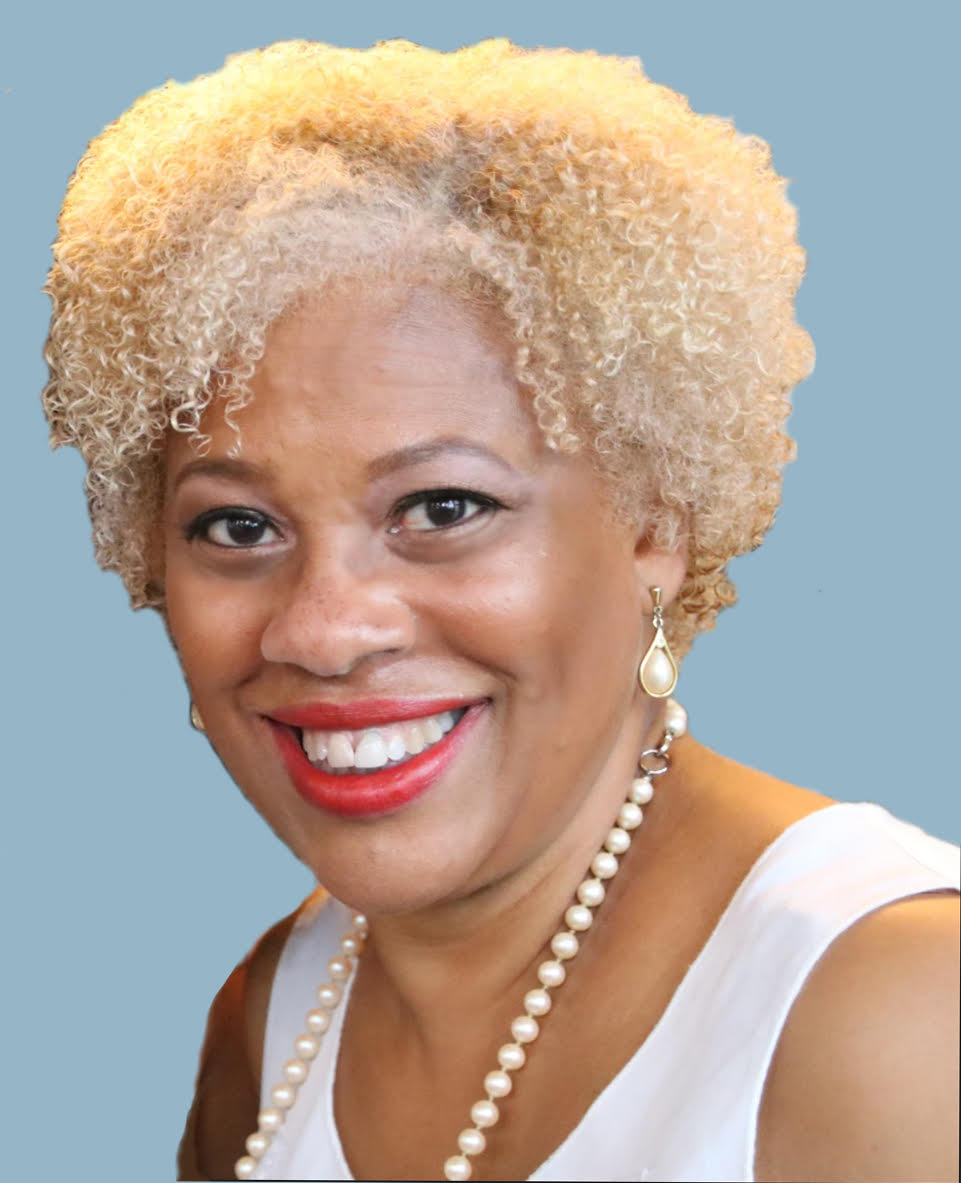
The discussion will be moderated by Dr. Michelle Ferrier, Executive Director, Media Innovation Collaboratory, and founder of Trollbusters, a just-in-time service that helps journalists fight online abuse. Michelle can be reached at [email protected]
 

Panelists include Autumn Slaughter, Judy Gilbert, Shireen Mitchell, Marry Ferreira, and Gerd Inger Polden.

Autumn Slaughter is a Clinical Psychology Doctoral Candidate, Research Assistant for the Dart Center for Journalism and Trauma, The University of Tulsa. 


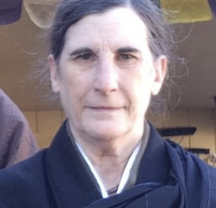
Judy Gilbert is a Zen priest and former Manager of International Production at Netscape.


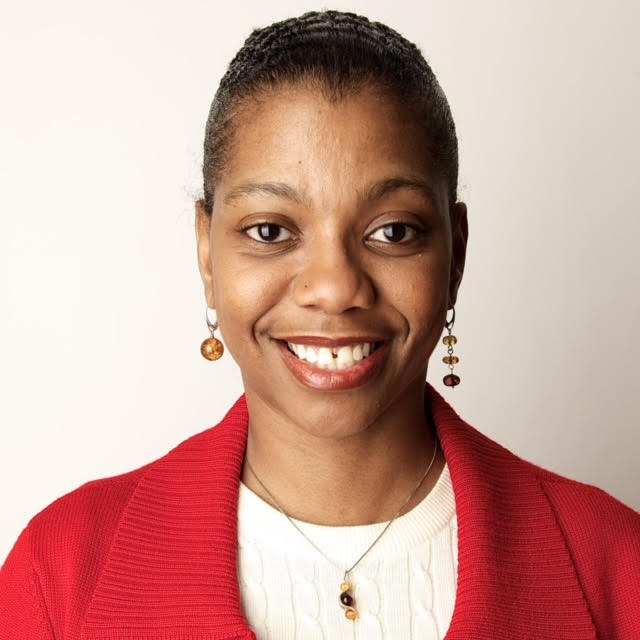
Shireen Mitchell is the founder/senior strategist of Stop Online Violence Against Women and founder of Digital Sisters/as, the first organization to specifically focus on women and girls of color in technology and digital media. Mitchell can be reached @digitalsista on Twitter.


Marry Ferreira (she/her) is a Brazilian journalist and UN Youth Representative for IAWRT-USA. She holds a master’s degree in Public Media from Fordham University, New York, and is the co-founder of Kilomba Collective, the first collective to specifically focus on Black Brazilian immigrants women, and girls in the United States. Her Twitter is @Marry_Ferreira.


Gerd Inger Polden is a retired TV director, producer, and video journalist from the Norwegian Broadcasting Corporation (NRK) and former IAWRT Vice President of the International Board.


Ananya Chakraborti is a national award-winning documentary filmmaker and journalist, specializing in trafficking and other gender issues. She is also the Chairperson of the West Bengal Commission for Protection of Child Rights. 


Sara Chitambo is a filmmaker, community builder, and communications strategist based in Johannesburg. She currently works as a Communications consultant for UNFPA.


0630 sheila fi

IAWRT USA President spoke at the International Youth Conference on June 26

The 4th edition of the International Youth Conference was held on June 25 to 27 in Lake George, New York in the US and online.


“Look at me, I am Jamaican, I think I am Black. Or chocolate. I am an immigrant. I am also a US citizen, a British citizen and I am Jewish. So what are you going to look at me as? What gives you the right to define me or define any human being by just looking at them?” IAWRT USA President Sheila Dallas-Katzman zeroed in on her point about the importance of intersectionality by presenting her own self.


On June 26, Dallas-Katzman spoke in a panel discussion on intersectionality. This session propounded on the concept of intersectionality and tried to understand inequalities from the standpoint of intersectionality, with a special focus on gender equality and environmental justice.


Tahil Sharma of United Religions Initiative and Javita Nauth of the Columbia School of Social Work joined Dallas-Katzman in the discussion. Atiya Abbas from Pakistan served as the moderator of the discussion.


Dallas-Katzman recalled the work of Kimberlé Crenshaw, and her theory of intersectionality when she published a paper in the University of Chicago Legal Forum in 1989.


The paper centers on three legal cases that dealt with the issues of both racial discrimination and sex discrimination: DeGraffenreid v. General Motors, Moore v. Hughes Helicopter, Inc., and Payne v. Travenol.


“I am talking about women suing years and years ago,” she stressed.


“Crenshaw said the court’s narrow view of discrimination was a prime example of the conceptional limits of single-issue analysis regarding how the law considers both racism and sexism as it relates to these stories. It brings to mind Chimamanda Ngozi’s Adichie ‘Danger of a Single Story’,” said Dallas-Katzman.


She recalled that a court decision in 1976 that working together racism and sexism unworkable. The court ignored specific challenges that Black women face by being a Black, being a woman and often a combination of the two, she said.  


“The dilemma of an individual or the body that represents multiple identities… You can ask me where in my body I am feeling Black, where I am feeling as a woman, where am I feeling Jewish. Where in my body is it? Is it cognitive? Is it my body? It’s who I am. It’s the whole of me,” said Dallas-Katzman.  


Dallas-Katzman also spoke of climate justice being an issue of intersectionality.


“Looking at global warming, notice who are being affected, who are we closing our borders to. It is our privilege that we can look the other way and continue with our lives despite the protests… and so everything is in order. Maybe we should look at environmental justice as another form of intersectionality,” she asserted.


Dallas-Katzman is currently involved in a number of organisations that champion major socio-cultural global challenges including gender, racism, poverty, and violence. Sheila is currently President of the International Association of Women in Radio and Television USA (IAWRT-USA) and Chair of New York City for the UN Convention on the Elimination of all Forms of Discrimination against Women (CEDAW).


She is a facilitator for workshops aimed at dissecting racist beliefs and behavior using Sociodrama and theatre of the oppressed methodologies to enable self-reflection and engender behavioral change through action methods. She is also involved, at the community level with an anti-racist working group within her synagogue.


The conference organizers explained the significance of this discussion is that the intersection of various identities (social and political) of a person plays a role in how they are treated. A person’s race, ethnicity, gender, sexual orientation, nationality, and/or disability among others play a vital role in determining their privilege or how they will be discriminated against. Many young people hail from backgrounds where they experience inequalities based on who they are.


The world’s youth population, ages 15 to 29,  is estimated at 1.8 billion. This group makes up a significant group in the world (that has an estimated 7.8 billion population in 2020). Yet oftentimes, the youth are excluded from participating at various levels of family, community, and institutional decision-making processes. Being inheritors of the planet and their societies, and their abilities to participate and lead, the concerns and voices of the youth must be considered and they must be engaged in taking part in solving the world’s problems, hence the impetus for such gathering.


In more than 25 sessions, the conference attracted 54,810 live audiences and 4,394 registered participants, 46% of them female, from 172 countries over three days.


To watch the discussions at the conference and know more about the IYC4, go to this Facebook page.


0628 gen equality fi

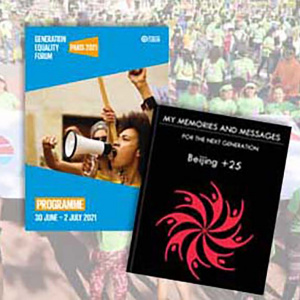
Updates: registration is still ongoing, the program is out now, and the Beijing+25 Memories & Messages e-book is now online

The Generation Equality Forum from June 30 to July 2 will be held in Paris and virtually. 

In what is projected as the largest global feminist gathering since the Fourth World Conference on Women in Beijing in 1995, the Generation Equality Forim in Paris will see world leaders and activists coming together to make game-changing commitments and bold actions to push forward gender equality. 


The Paris Forum will unveil a Global Acceleration Plan for Gender Equality, formally launch six Action Coalitions and a Compact on Women, Peace and Security and Humanitarian Action, and announce new equality initiatives focused on health, sport, culture and education.


These global, multi-stakeholder partnerships are expected to create impact for women and girls everywhere through initiatives and investments to bridge the most critical and persistent gender equality gaps.


Registration has been extended and will remain open during the Forum.


The program has also been made available so participants can plan their participation among the 90 events involving 500 panelists. Participants are also advised to review the community rules for the Forum. 


The online book of memorabilia from the 1995 Beijing Conference and anecdotes of women’s efforts to forward gender equality then and now has also been made available to the public. The 148-page book is a visual easy-read, containing photos and videos, some will take the reader to a trip down memory lane. Contributions from women from Australia, Bangladesh, Canada, Cameroon, Dominican Republic, France, Germany, India, Nepal, Nigeria, Philippines, Sweden, UK, and US made up the memento. 

0626 vgonda hotseat fi

New online show launched with new website

The premier episode features Hollywood actress and fellow Zimbabwean Thandiwe Newton.

Award-winning journalist and IAWRT President Violet Gonda ventured into new territory by launching her long-running news and analysis program in online video.


“The platform started more than 15 years ago as a radio programme that engaged Zimbabwean politics and providing alternative ways to circumvent state censorship in the country while reporting from exile. The unique strength of this platform is that it will focus on issues that are not only important to Zimbabwe but which also affect African states and societies as a whole and seeks to go deeper to investigate complex issues,” shared Gonda of the show’s origins.


Her first guest on Hot Seat is Emmy Award-winning Hollywood actress Thandiwe Newton. Newton is known for her roles in shows Westworld and Line of Duty, and movies Mission Impossible 2, Interview with the Vampire, and Beloved among many others.


Newton talked with Gonda about racism and sexual abuse in Hollywood, the political crisis in Zimbabwe, and reclaiming her Zimbabwean identity. Earlier this year, the actress who went by Thandie for most of her career took her name back: Thandiwe. It is a word of Nguni origin meaning ‘beloved.’  


The multi-awarded actress for her role as a sentient android in the hit TV show Westworld shared that her involvement with the human rights issue in Zimbabwe was triggered by violence in the country and the arrests of Zimbabwean author and Booker Prize nominee Tsitsi Dangarembga and activists.


Newton also asserted that we must believe women who say they’ve been abused.


“We believe women, we start from that place,” Newton said empathically


In May 2020, three women, activists and opposition leaders of the Movement for Democratic Change were stopped then abducted at a roadblock guarded by police and soldiers at a protest in Harare against the state’s lack of aid for the poor during the Covid-19 lockdown. They were sexually abused and tortured while being taunted and threatened for going against the government and then left by the roadside a few days later.


“Why would someone talk about something shameful as being abducted and sexually abused. Who wants that as an identity? No, you don’t,” Newton said, referring then of her own experience of sexual abuse.


Dozens of pro-democracy campaigners, trade unionists, and opposition officials have been abducted by suspected state security forces in Zimbabwe in recent years. In the last year, government officials suggested a “third force” was carrying out these human rights violations to undermine the government. But many observed how this same “third force” attribution by the government has been repeatedly used under the 37-year rule of Robert Mugabe.


Gonda’s show Hot Seat has tackled such issues and the overall political crisis in Zimbabwe. Her critical reporting has made her a subject of government reprisals several times.


In August 2000, Gonda left her home country to study for an MA in International Journalism in London. She expected it would be for one year. However, she spent the next 17 years in exile as a result of being banned from returning to Zimbabwe by Mugabe’s regime due to her reporting on human rights atrocities mainly through SW Radio.


All those years away, she continued to report on the issues gripping the people in her home country. She utilised social media such as Twitter, Facebook, and YouTube, and set up web broadcasts on Hotseat with Violet Gonda, which features long-form interviews as critical analysis of Zimbabwe as a country not returned to democracy. This allowed her to keep connected to her people despite the distance.


She returned to Zimbabwe in 2018, reported on the transition and the elections, and had to return to London after almost a year for her safety.  


Very much like this Hot Seat episode launch, she dives deep into the stories and issues of her people while reporting from London. But in this way, she has also been able to share the stories of Zimbabwe to the whole world.


Check out her website that hosts her show Hot Seat for the interview with Newton and for future episodes.