Screen Shot 2021-08-21 at 3

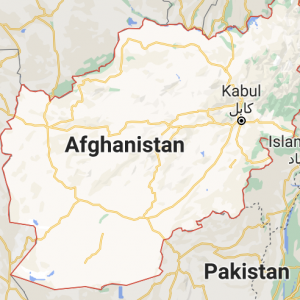
Women Make Movies makes films available for free online screening from August 20 to 31, 2021.


“In the midst of the political tumult and our fear for women’s lives and rights, it’s important for all of us to know more about the country and the lives of Afghan women — to see their struggles as well as their incredible triumphs over the last 20 years,” says Women Make Movies on the website.


The free screening is in solidarity with Afghan women and the Afghan people who are now experiencing the transition to the return of Taliban rule in their country.


Among the nine films that will be shared online are stories on the first woman member of parliament, the first women video journalists in the country, the story of a woman fighting against sexual abuse and winning in the courts, the triumph of a female rapper over child marriage.


“The films in the collection demonstrate what Afghan women have accomplished in a generation. This context is important as we contemplate how to support women in Afghanistan moving forward,” says Women Make Movies.


Register to watch for free: https://www.wmm.com/voices-of-afghan-women-virtual-screening/?goal=0_b9a7a12a6e-0c40c69124-76953680&mc_cid=0c40c69124
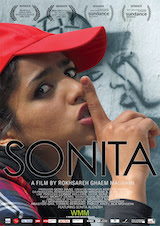


Sonita

A film by Rokhsareh Ghaem Maghami | Iran/Germany/Switzerland | 2015 | 91 minutes

Two-time Sundance Film Festival award winner SONITA tells the inspiring story of Sonita Alizadeh, an 18-year-old Afghan refugee in Iran, who and dreams of becoming a big-name rapper. However, her family has a very different future planned for her: as a bride, she’s worth $9,000.
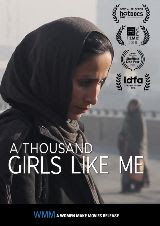
 

A Thousand Girls Like Me

A film by Sahra Mani | France/Afghanistan | 2018 | 80 minutes

A THOUSAND GIRLS LIKE ME is an awe-inspiring vérité documentary that tells the story of a young Afghan woman’s brave fight to seek justice and protect her children after experiencing years of abuse at the hands of her father.
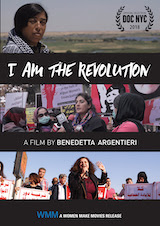
 

I Am the Revolution

A film by Benedetta Argentieri | Afghanistan/Syria/Iraq | 2019 | 72 minutes 

I AM THE REVOLUTION is an empowering portrait of three determined women in the Middle East who are leading the fight for gender equality and freedom: Politician Selay Ghaffar, one of the most wanted people in the world by the Taliban; Rojda Felat, a commander of the Syrian Democratic Army; and Yanar Mohammed, who works for parliamentary reform in Iraq while running shelters for abused women.
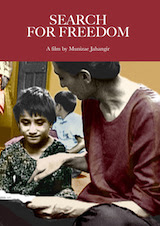
 

Search for Freedom

A film by Munizae Jahangir | Pakistan | 2003 | 54 minutes

SEARCH FOR FREEDOM traces the dramatic social and political history of Afghanistan from the 1920s-2003 through the stories of four remarkable women: Princess Shafiqa Saroj, sister of the beloved progressive King Amanullah (1919-1929); Mairman Parveen, the first woman to sing on Afghan radio; Moshina, a war widow and survivor of a Taliban massacre; and Sohaila, an exiled medical student who ran underground schools for RAWA (Revolutionary Association of Afghan Women) during the Taliban regime.
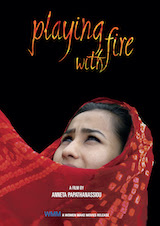


Playing With Fire: Women Actors of Afghanistan

A film by Anneta Papathanassiou | Greece | 2014 | 58 minutes

In Afghanistan, women deciding to be actors make a dangerous choice. Banned under Taliban rule (1994-2001), Afghan theater experienced a comeback in the early 2000s, with many women at the forefront
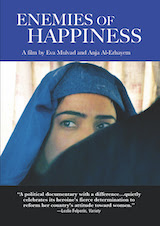


Enemies of Happiness (Vores Lykkes Fjender)

A film by Eva Mulvad and Anja Al-Erhayem | Denmark | 2006 | 59 minutes

In September 2005, Afghanistan held its first parliamentary elections in 35 years. Among the candidates for 249 assembly seats was Malalai Joya, a courageous, controversial 27-year-old woman who had ignited outrage among hard-liners when she spoke out against corrupt warlords at the Grand Council of tribal elders in 2003.
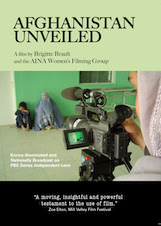


Afghanistan Unveiled

A film by Brigitte Brault & Aina Women Filming Group

Afghanistan | 2003 | 52 minutes | French 

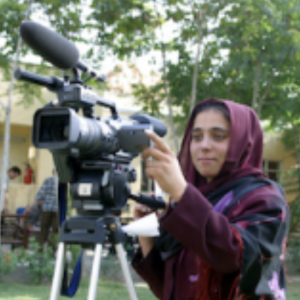
Filmed by the first-ever team of women video journalists trained in Afghanistan, this rare and uncompromising film explores the effects of the Taliban’s repressive rule and recent U.S.-sponsored bombing campaign on Afghani women. None of the fourteen journalist trainees had ever traveled outside Kabul. Except for one, none had been able to study or pursue careers while the Taliban controlled their country.
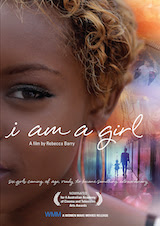
 

I Am a Girl

A film by Rebecca Barry | Australia | 2013 | 88 minutes 

There is a group of people in the world today who are more persecuted than anyone else, but they are not political or religious activists. They are girls. Being born a girl means you are more likely to be subjected to violence, disease, poverty and disadvantage than any other group on Earth. One of the girls featured in this film is Aziza from Afghanistan, who fears being shot if she goes to school.


Photos and information from Women Make Movies
0820 Afghanistan fi

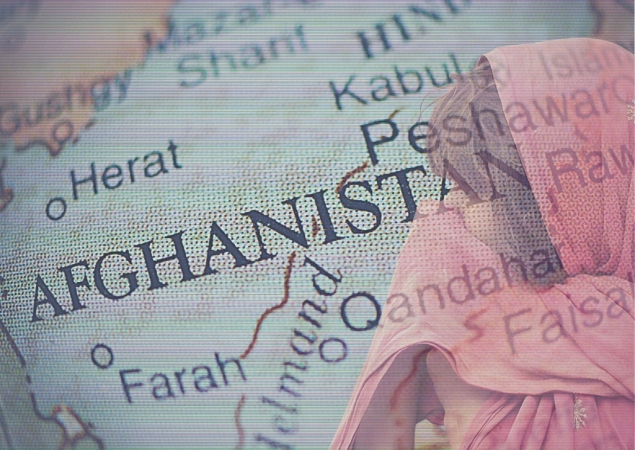
The International Association of Women in Radio and Television (IAWRT) stands in solidarity with the people of Afghanistan calling for a peaceful transition of power with respect to the rights of everyone, especially women and girls.


IAWRT calls upon the international community to ensure that the rights of women and girls are respected, with special regard to women journalists and media professionals.


Threats and attacks against women journalists and media professionals, including our colleagues and fellow members in Afghanistan, have increased sharply in recent months since the withdrawal of allied forces from Afghanistan. According to the Committee to Protect Journalists (CPJ), there is a long list of journalists who have received death threats, driving many underground or to leave the country altogether. 


The declining security situation poses a serious threat to the achievements of the last two decades regarding freedom of expression and threatens to push back decades of hard-won progress for women and girls who are now terrified of a return to a repressive past under the Taliban. 


“There are many journalists and female social activists whose lives hang in the balance and whose stories may never be told as the Taliban takes over – once again. These are the brave women who challenged the status quo fighting for fundamental rights, but have been left behind while terror strikes,” says IAWRT President Violet Gonda.


IAWRT, therefore, calls on the following:

  • The current leadership must guarantee the safety of women journalists, media professionals, and activists in Afghanistan.
  • Women’s organizations around the world should join in solidarity to call for the freedom of women journalists, media professionals, and activists in Afghanistan.
  • The international community should immediately facilitate visas for Afghan journalists and media professionals, especially women and their families including elderly dependents and minor children.
  • In light of the rapidly deteriorating situation at the airport and in the city, there should be protection provided for Afghan civilians being airlifted – from their homes till they reach the airport terminal building.
  • The international community must continue its engagement in brokering peace in Afghanistan.
0820 afghanistan

Various media groups call for help for Afghan people, women journalists as the Taliban take over Kabul. 

The Taliban rule from 1996 to 2001 saw girls and young women prevented from attending school, women banned from working jobs outside of healthcare, and women required to be accompanied by a male relative and to wear a burqa at all times when in public. Violations could lead to public whipping or execution.


The world watches and waits with fear and trepidation if such reign will come back with the return of the Taliban.


The United States must do more to ensure the safety of Afghan journalists as the country falls under the control of the Taliban, including facilitating safe passage out of the country and providing emergency visas, the Committee to Protect Journalists (CPJ) said on August 16.


The group said they have registered and vetted the cases of nearly 300 journalists who are attempting to reach safety, and there are hundreds more whose cases are under review.


In Afghanistan, at least 53 journalists have been killed since 2001, and five were killed last year alone, according to CPJ.


The International Women’s Media Foundation supports all measures to ensure the safety of women journalists and media workers attempting to evacuate Afghanistan. The IWMF also calls on all governments worldwide to open their borders and include media workers in any humanitarian visa offerings available, the group said in its statement.


The Society of Professional Journalists (SPJ) expressed concern on the situation of journalists, especially journalists, and the reported closure of 90 media outlets from in provinces that the Taliban have reached.


“As a female journalist, I fear for the Afghan female journalists who face torture, rape, and death if the Taliban find them. I hope that journalists and government officials in the U.S. will lend their support in any way they can to save the Afghan journalists who did their best to seek the truth when we were there, also covering the chaos,” SPJ President-elect Rebecca Aguilar said.


In the Taliban’s first news conference since taking over the Afghan capital Kabul, the group promised women’s rights and press freedom.


Taliban spokesman Zabihullah Mujahid said on August 17 that women’s rights will be respected within the framework of Islam. They said they will allow women to study and work and media workers will be protected. The group also promised amnesty for government officials. As these were unseen in the five-year Taliban rule before the 20-year US-backed war, much of these remains to be seen or fulfilled in the coming days.


A day before, at least seven people died at the airport in a chaotic bid of Afghan people to leave the country, some even clinging onto the sides of a jet that took off.


The US and NATO scheduled to withdraw all troops this year and as this was only nearing completion, the Taliban advanced to Kabul in a week. Afghans woke up to Taliban in the presidential palace at the beginning of this week.


Read IAWRT statement on Afghanistan situation of women.

Iawrt P3

Fatuma Matulanga is elected new chapter head


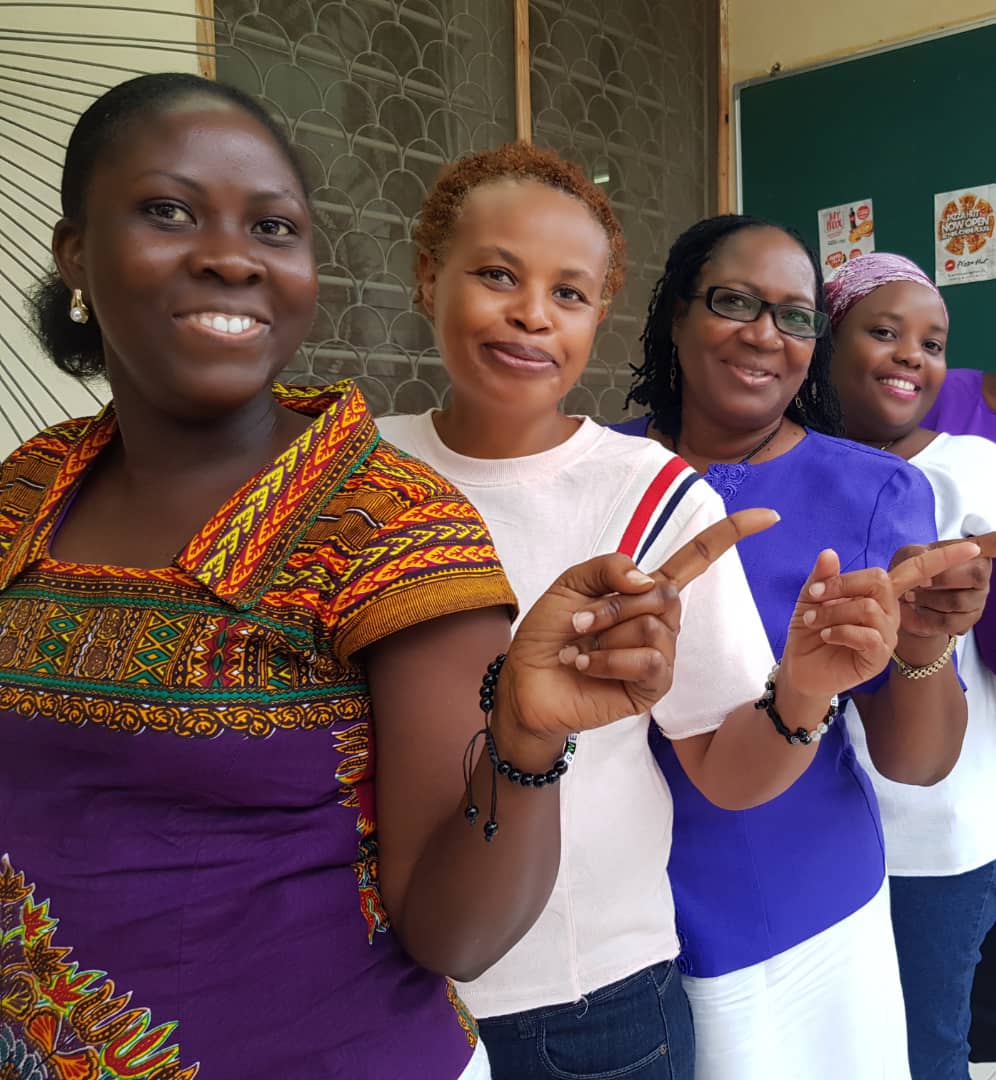
IAWRT Tanzania chapter, through its former office bearers, held a meeting on August 8, 2021 to elect new office bearers, enhance membership drive and come up with strategies to move forward.


Fatuma Matulanga – head of chapter

Rose Reuben – deputy head of chapter

Betty Tesha – secretary

Oprah Sadallah – treasurer


Board members:

Stella Setumbi

Raziah Quallatein Mwawanga


Advisor: Rose Mwalimu


Fatuma Matulanga is head of TBC Zanzibar. Rose Reuben is Director of Tanzania Media Women’s Association. Betty Tesha and Stella Setumbi are TBC radio broadcasters. Oprah Sadallah is the Communication Officer of Jaza/Midundo online radio. Ltd. Razia Mwawanga is Media Consultant/ Trainer & TV Broadcaster. Rose H. Mwalimu is a Media Consultant/Trainer.


Other members who attended the meeting are Bestina Magutu, Amina Mollel and Editha Maeda who are radio broadcasters and freelance journalist June Jao.

File photo of IAWRT Tanzania members


1628046983968

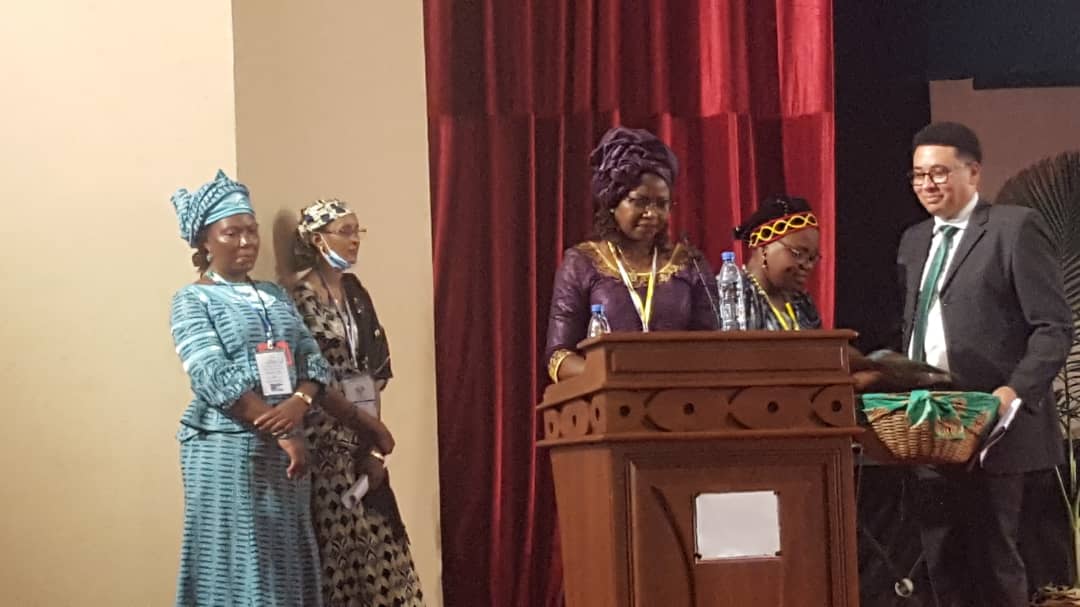
First National Women’s Convention for Peace in Cameroon concluded

The call for peace was done on the symbolic date of 31st July, also the day of the African woman. 


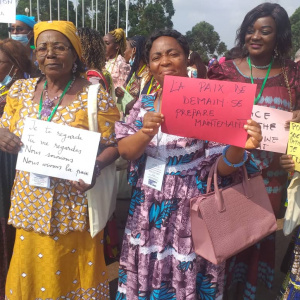
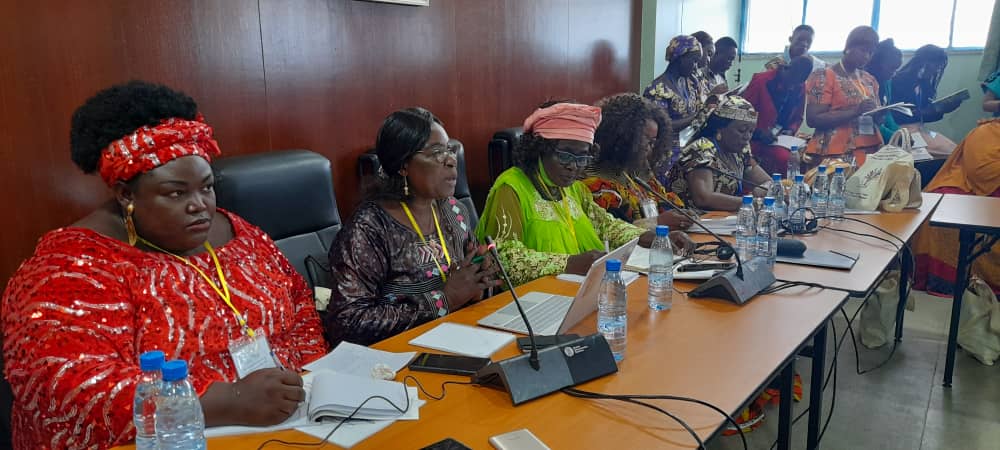
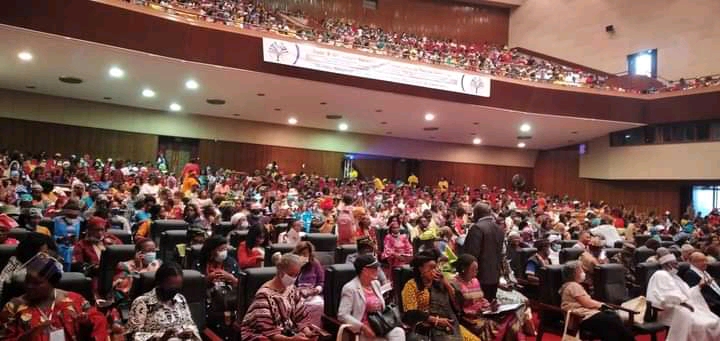
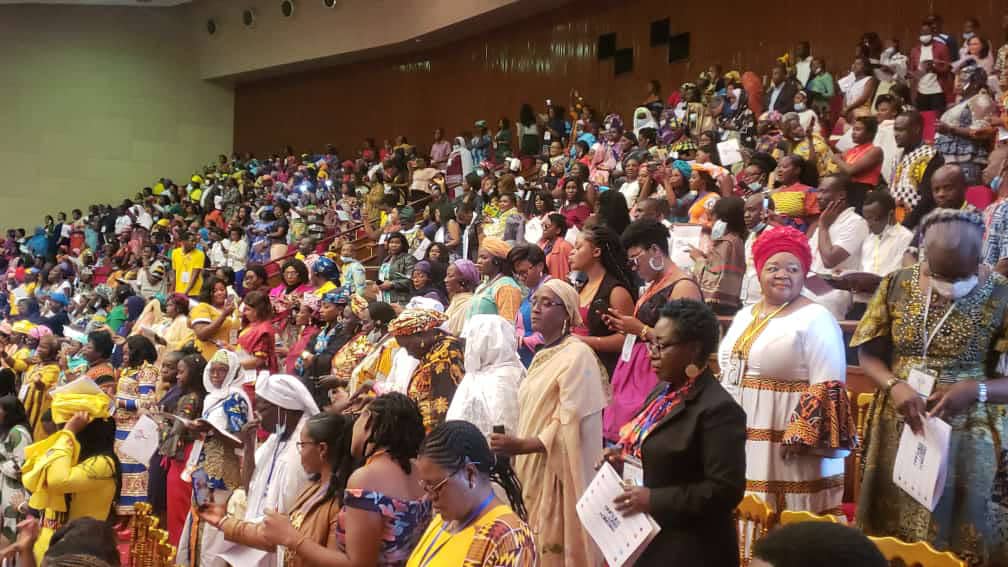
The peace call and the convention are the results of six months of planning and brainstorming for the first-ever National Women’s convention for Peace in Cameroon held from July 29-31, 2021 in Yaounde.


To ensure inclusiveness, the call was read in 4 languages: French, Fufuldei (a language common in the northern regions of Cameroon), pidgin (creole linga-franca) and in the English language. 
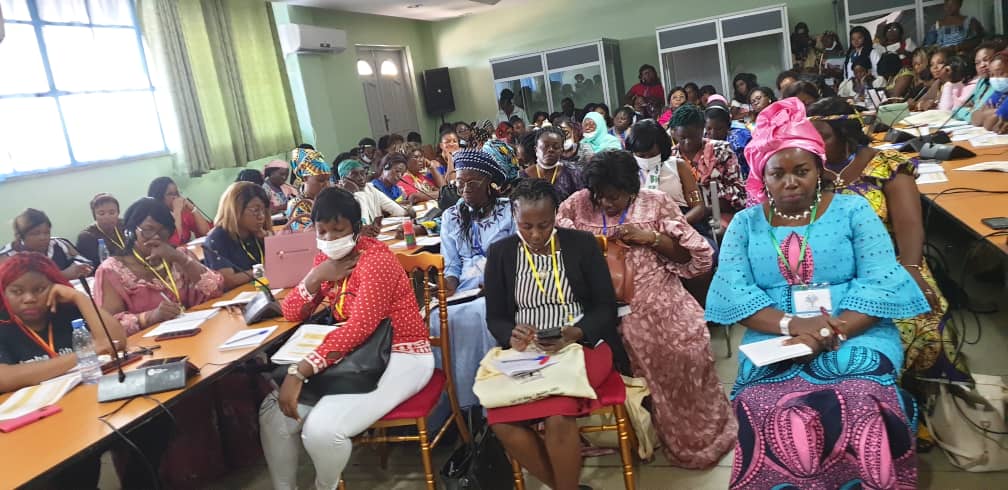
 

IAWRT Cameroon President Becky Bissong read the English version of the call as National Coordinator of the Cameroon Association of Women in Media- one of the 38 women-led Civil society organizations that spearheaded the initiative and planned for the event under the auspices of the Friedrich Ebert Foundation Cameroon. 


Women’s call for peace in Cameroon


We, Women of Cameroon, are longing for peace.

We have come together for the First-Ever National Women’s Convention for Peace in Cameroon – many hearts, beating as one.

As women, women we have buried our husbands and fathers, our brothers and uncles, our sisters and daughters; we have bandaged the wounds of our sons; wept and comforted our daughters who have been raped and battered, and saved them from being used as human bombs.

We hid in bushes, suffered the cold, starved for days as we ran away from guns and killings. We have been cruelly deprived of everything including our dignity as our tears fall on hardened soil while we watch our children and grandchildren as they loiter at home, unable to go to school.

But, according to an African proverb, “When women move forward, the world moves with them.”

And so, women from every corner of Cameroon and every group of society join their voices in this united “Women’s Call for Peace”: women peace activists, displaced women and girls, victims and survivors of war-related violence, female traditional and religious leaders, female soldiers and sportswomen, women entrepreneurs, domestic workers, bayam sellam women, women from civil society, trade unions, political parties and many more.

We have come together as mothers and grandmothers, wives and companions, sisters and daughters – together, we build an alliance of good will that is stronger, louder and in greater numbers than those people who profit from war and conflicts.

It is true that women pay a disproportionately heavy price in armed conflicts every day around the world. But we have also shown that we can overcome these difficult challenges with strong determination, loud voices and firm actions.

Women are the glue that holds society together, here in Cameroon and across the world – we have a sacred duty to link individuals and bind communities together. And so we have come with an unwavering commitment to bring peace to the country we love and to make it a better place for ourselves and our children.

Cameroonian women can and should play a leading role in building, negotiating and defending peace.

We applaud and pledge our support for all the peace efforts undertaken by government and all its partners in Cameroon and abroad, including civil society. Speaking with one voice and with our eyes firmly fixed on the objective of Peace, we call on all key stakeholders to the conflicts to undertake concrete and immediate actions to:

  • End hostilities, immediately and permanently, and thus give meaning to African Union’s campaign to ‘Silence the Guns’ in Africa in order to achieve a conflict-free Africa, prevent genocide, make peace a reality for all and rid the continent of wars, violent conflicts, human rights violations, and humanitarian disasters;
  • Pursue a continued and inclusive dialogue that addresses core issues around Peace, Solidarity and shared Humanity in Cameroon;
  • Ensure the equal and permanent involvement of Women peace mediators and negotiators in peace processes at all levels, while enforcing their protection at all times, according to the four pillars of the UN Resolution 1325;
  • Create additional and reinforce the existing centres for psychosocial support and trauma-healing;
  • Render the existing DDR centres functional and responsive to the existing conflicts.

We affirm our total commitment to work for the return and consolidation of peace within our respective families and communities.

We appeal to our sisters, husbands, brothers, and sons to join us in this patriotic commitment.

This is the price of our common future and that of our children.


Photos from the convention from Becky Bissong


0806 Something in the Air

The program is in partnership with Goethe Institut.

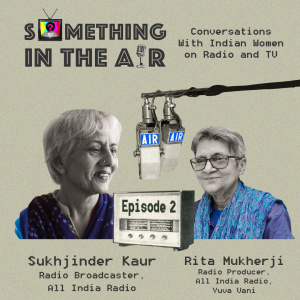
‘Something in the Air’ is a series of conversations with women who worked in television and radio in the formative years of Indian Media and reshaped the people’s consciousness.


Episode 2 of ‘Something in the Air,’ which was postponed in April due to the second wave of COVID-19, will now be held on August 6 at 6:30 pm IST.


Curated by Paromita Vohra and Shikha Jhingan, this episode is a conversation with Rita Mukherji and Sukhjinder Kaur about their professional and personal journeys as producers, journalists, and pioneers in creating new and livelier programming on radio, expanding its role of music and messaging.


Both women worked with All India Radio.


 ‘Yuva Vani’ producer Mukherji will share what it takes to be a legendary producer.


Kaur will talk about raising important social issues through the character she created—Kaake di Amma.


The episode will be moderated by Batul Mukhtiar.


To hear the conversation, register at: https://bit.ly/3rHLu2g


Watch the first episode: 


welisane foundation

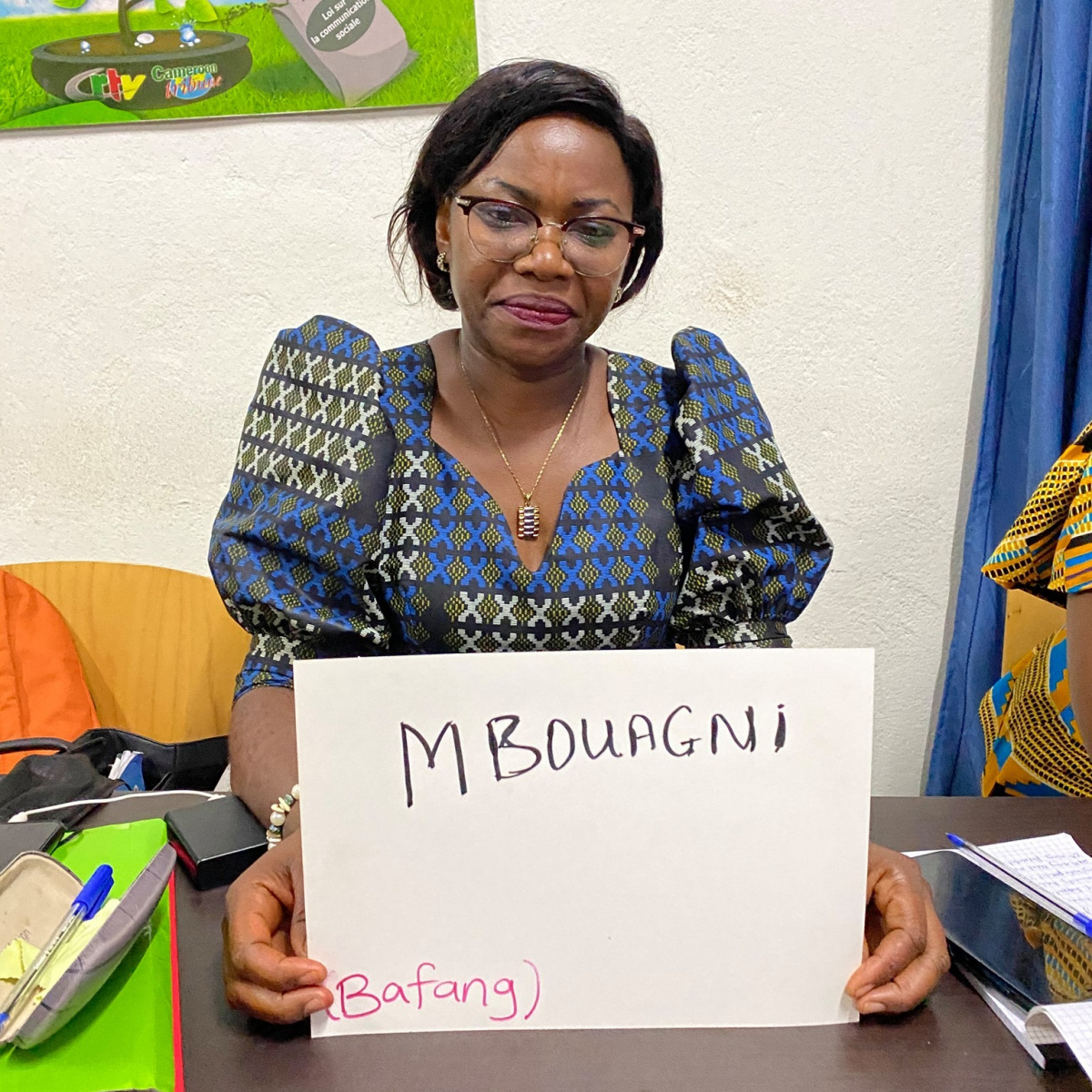
IAWRT Cameroon’s Mokwe Welisane Epse Nkeng Ngoneh lead pregnancy-free holidays campaign

Award-winning Journalist and gender advocate/philanthropist and diplomat Mokwe Welisane Epse Nkeng Ngoneh leads a three-month campaign that aims to educate young girls on the health and social risk of unwanted pregnancies. This is part of her work in the Welisane Foundation.


“As part of our Sexual and Reproductive Health and Rights advocacy and programs, Vacances Sans Grossesses targets youths during the long holidays,” said Welisane.


The foundation has designed short key messages on causes, consequences, prevention, abstinence, abortion, menstrual education, contraception to be disseminated by youth peer leaders via social media, mass media, and face-to-face discussions where youths will be gathering for fun activities this holiday.


“The long holiday is a time of relaxation and adventure for young people. However, many due to peer pressure or out of excitement may get involved in risky activities and compromising situations leading to sexual activity,” explains Welisane.


This campaigned is marked by social media awareness messages, mass media appearances, and peer education events organized by the Welisane Foundation and championed by their ambassadors, a webinar, and a boot camp.


“Although both boys are girls engage in this act, sadly enough it is the girl who is affected if she gets pregnant. She misses the next academic year or two. And may end up a school dropout. More so, this could lead to death from attempted abortions or medical complications, depression, suicide, substance abuse among others,” she adds.


The trending hashtag on social media is #SexCanWaitMyEducationCant.


“No girl should miss the next academic year because of pregnancy,” stresses Welisane.


On radio, Welisane produces health programs from Cameroon radio and television such as “Let’s Talk Health”, “Health Matters,” “Your Health Your Wealth” and “SOS Doctor.”


The Welisane Foundation also launched a “Pink October Breast Cancer Awareness Campaign,” “Let Girls Lead Now” mentorship scheme for young girls and the “Menstrual Hygiene Project” to donate reusable pads to displaced and less privileged girls.


The Welisane Foundation will also be commencing the “one girl one dream back-to-school project” for the less privileged and displaced girls to support them with didactic materials and tuition fees or the new school year 2021/2022.


“We will carry out a fundraising event, send appeal letters to our partners and sponsors, and do a general crowdfunding initiative,” shares Welisane.

0801 kikifebriyanti_1451504111_84

IAWRT member, filmmaker and artist from Indonesia explores the instant consumption habits of people on the internet that cause cyber-bullying.


The Artists for Digital Rights Network (A4DRN), led by UP INTERNET President Mac Andre Arboleda, held it inaugural Artists for Digital Rights Program in July. Ten selected artists from Philippines and Indonesia worked on projects related to disinformation.


The project is made possible by Doublethink Lab and Innovation for Change-East Asia. The group launched an artistic publication  on July 28 and held a roundtable discussion on July 31.


Artists underwent a month-long online workshop in the fellowship.


“The program just like I expected that every artist always supports each other, learn together and from each other, especially because everyone has different backgrounds and specialty in their art practice and our works as counter-narrative media and disinformation,” shared Febriyanti.


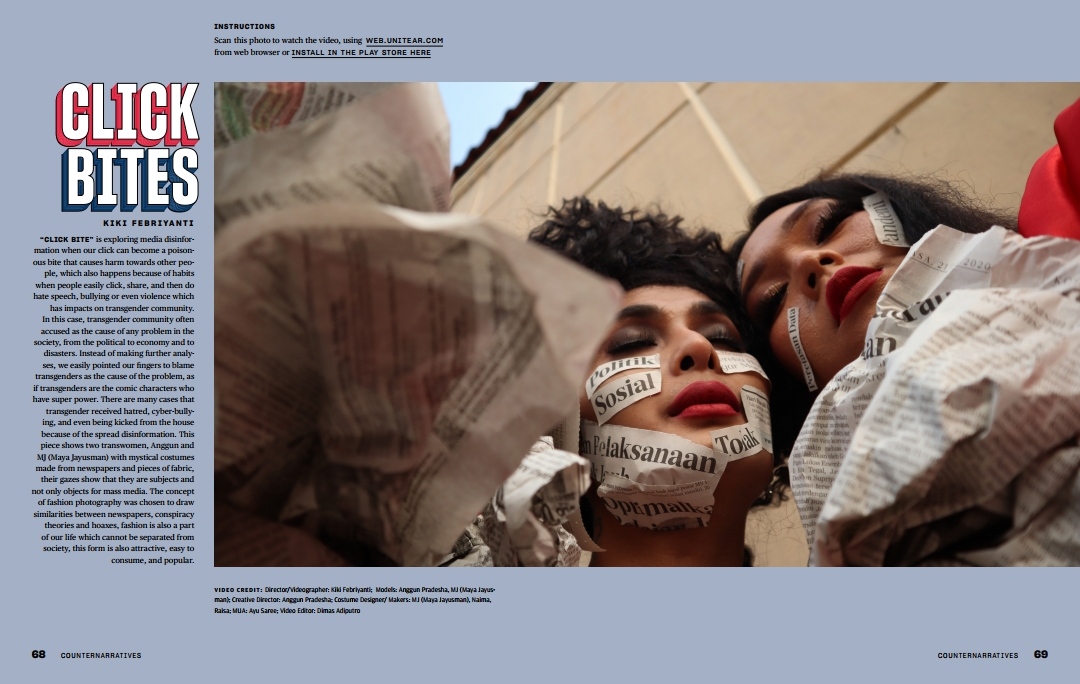
Febriyanti shared the project she worked on as part of the A4DRN program. “Click Bite” explores the instant consumption habits of people on the internet that cause cyber-bullying.


“Click Bite” is when our click can become a poisonous bite that causes harm towards other people, which also happens because of habits when people easily click, share, and then do hate speech, bullying or even violence which has impacts on the transgender community.


“In this case, the transgender community is often accused as the cause of any problem in the society, from the political to the economy and to disasters. Instead of making further analyses, we easily pointed our fingers to blame transgenders as the cause of the problem, as if transgenders are the comic characters who have superpowers. There are many cases that transgender received hatred, cyber-bullying, and even being kicked from the house because of the spread of disinformation,” explained the artist.


This piece shows two transwomen, Anggun and MJ (Maya Jayusman) with mystical costumes made from newspapers and pieces of fabric, their gazes show that they are subjects and not only objects for mass media.


“The concept of fashion photography was chosen to draw similarities between newspapers, conspiracy theories and hoaxes, fashion is also a part of our life which cannot be separated from society, this form is also attractive, easy to consume, and popular,” shared Febriyanti.

Scan photo to watch the video, using https://web.unitear.com/ from a web browser or Install https://play.google.com/store/apps/details?id=com.ibosoninnov.unitear


Febriyanti holds a Bachelor’s degree majoring in Indonesian Literature. She also completed a John Darling Fellowship 2015 on “Visual anthropology” at the Australian National University in Canberra, Australia. She had also held an artist residency at the International Center of Graphic Arts MGLC in Ljubljana, Slovenia in 2019. Recently, her video work took part in the Every Woman Biennial London 2021 exhibition.


She is currently working as a freelance filmmaker and also a member of Authority Collective. She also wants to educate on the “photo bill of rights,” where Authority Collective is one of the eight author organizations. The website about the “photo bill of rights” contains information and education that people can read about how lens-based/media workers can have an ethical and healthy working environment.


0729 cameroon peace

The convention is an initiative by Cameroonian women to send a strong collective message that the women of Cameroon are longing for peace.

IAWRT Cameroon members are among the women joining the peace convention.


“Since one can only give what he or she has, let me settle whatever conflict there is within Me or with another person, so that the Peace I give to others will be Genuine,” said Tchonko Becky Bissong, CRTV Journalist and IAWRT Cameroon Chapter head, a post that is part of the social media campaign of the convention. 


The peace convention is a gathering of Cameroonian women to speak with one voice about restoring peace to Cameroon. The convention is not organized by the government nor is it related to any political party.


More than one thousand women from all corners and groups of society are expected to join to unite their voices: women peace activists, displaced women and girls, victims of war-related violence, female traditional and religious leaders, female soldiers, women entrepreneurs, domestic workers, women from civil society and political parties and many more.


“We are here and we are ready to dialogue.”


This is the message of women taking part in the unforgettable and incomparable three-day peace convention at the end of July 2021.


The convention is slated from July 29-31 at the Palais des Congrès in Yaounde. The town is considered the most centrally located in all of Cameroon, making travel from all 10 regions easier than from any other town.


“Let us no longer accept that they speak for us – Let us speak for ourselves.”


The information on the convention says that women are paying a disproportionately heavy price in armed conflicts every day.


“But we have also shown that we can face these difficult challenges with a strong determination, loud voices and firm actions. Women are the glue of society – we have come with an unwavering commitment to bring peace to the country we love and to make it a better place for ourselves and our children.”


The gathering will build an alliance “that is stronger, louder, and more numerous than those who profit from war.”


“Nothing will silence us or slow us down – not the difficult memories, the painful testimonies, or the ignorance of those who treat women without respect.”


A platform of 38 Cameroonian women’s organisations is part of the planning committee of the peace convention.


“War does not determine who is right – only who’s left.”


The Friedrich Ebert Stiftung (FES) Foundation is the convention secretary. FES is a German political foundation that bases its work on freedom, equality, social justice, and solidarity. They have been working in Cameroon since 1986.

Organizer Women Film Festival Nepal 2018

Mandir Raut

Nepal

TV Executive Producer and Non-formal education trainer 

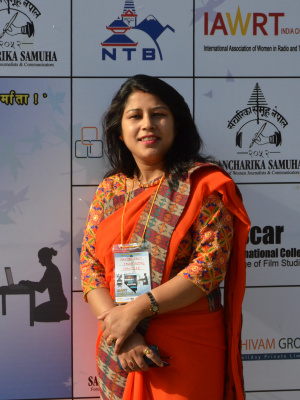
Mandira Raut Thapa, or Mandira to colleagues, is currently the Executive Producer of television talk show: Youth in Entrepreneurship. She is also a Board Member to the IAWRT International Board in December 2020.

Starting out in media

She got her first taste of professional media in 2003 when she was selected by her school to attend the “School Representative Media Training”, a yearlong media training program run by the Leadership Academy (then Today’s Youth Asia). She was only 17 then, aspiring to become a media personality.

“The media training opened different avenues for me. It was through the training, I got to meet other like-minded young individuals, and also produce a youth magazine in the following years. Together we would collect articles and report on issues that needed attention but hardly got the limelight in other forms of media,” recalled Mandira of the time.

She volunteered for the organization. It was only in 2006, upon completing high school, that she joined Leadership Academy as an intern and was later promoted as Project Coordinator and Editorial Assistant for Today’s Youth Asia, a bi-weekly magazine with outreach in South Asia.

“We were a small team back then and naturally, one person took up various responsibilities. It was while juggling various hats that I got to hone my skills at work coordination and correspondence, data collection, writing and reporting, proof-reading, and the like,” she shared.
“My passion for journalism got stronger with each interview I took, the guests I met, and the collaboration with the photographers and graphic designers that introduced me to a wider world of media,” said Mandira.

When Today’s Youth Asia transitioned from a magazine to a TV Show called Youth TV Show in 2009, she became the producer of the show.

“I was shaped by the show in different ways,” Mandira recounted.

It was only after 2014 she ventured into freelancing by producing various radio and television programs independently.

“I started out in 2003, at a time when there was very little scope for media as a career for the youth. Even when media studies and media training institutes were extremely few, we had the vision to create a platform for the voices of the youth and increase their participation in democracy,” she shared her goals back then.

During the 10-year Civil War, her group was the first youth-led media outlet that gave the youth an opportunity to bring their voices to the forefront, in spite of the constant backlash, threat, and criticism they faced for being different and outspoken.

“We used media to engage in issues and ideas that were new and unique to the public. It wouldn’t be wrong to call ourselves trendsetters in Nepali media as we also introduced a culture of holding debates for the time in Nepali television on national and international issues,” shared Mandira.

“We gave the youth a chance to present their points of view on a national platform when such events were practiced only in a very few schools in Nepal. As the first Producer of a reality TV Show Nepal’s Top 7 Debaters 2012, I am happy to share this show holds World Record Setter as the first Debate Television Show,” said Mandira.

Current career and goals

She is currently working as Executive Producer of the television talk show “Youth in Entrepreneurship” where they interview and share stories of entrepreneurs, and attempt to understand the current scenario of entrepreneurial business in Nepal. The main objective of this show is to promote innovative ideas for the younger generation.

She is also running another motivational show “UTSAAH” where they feature mother’s stories and issues of working women while running small businesses and taking care of the housework. This show is a work in progress and will be launched when the pandemic situation gets stabilized.

Mandira, similar to how she started out in the media, also got into youth training.

“As a non-formal education trainer, my job is to train youth from 13 to 24 years old in collaboration with different educational institutions on areas of personal development, public speaking, and presentation skills,” she shared.  

These trainings are wide-ranging and cover topics like youths anchoring, public speaking, leadership, confidence building, reporting and writing, and communication for personality development. 

What are the things she is aspiring to accomplish in the near future? Still a lot, as she thinks she is only in the middle of her journey.

“I want to set up a media platform or station where young people always get to learn and experiment with their ideas. Further, I also wish to create an academic platform on the basis of ethics and principle-based learning to do both theory and practical work, innovate new ideas to bring positive change,” said Mandira.

Being an IAWRT member and elected to the International Board

She became an IAWRT Nepal member in December 2007 when I was invited as a Youth Guest Speaker at its IAWRT International Conference in Nepal. It was her first International Conference to speak about her work as a young media person.

“Then, I was handed an IAWRT membership form and later I received an email informing me that I had been accepted to become a member,” she recalled.

“IAWRT has helped me build my confidence and accelerated my learning through interactions and success stories of people around the world, who are fighting against injustice and who are continuing their work despite difficult situations,” said Mandira on how IAWRT has influenced her work and life.

She also has fond memories of the network of women in IAWRT.

“IAWRT members are a constant reminder that it is people and network that support each other during crisis in every aspect,” said Mandira.

While she served as IAWRT Nepal Secretary for four years, she was part of organizing conferences, workshops, trainings, and film festivals where she was able to experience knowing Nepalese media and media personality very closely. This experience, she said, “has given me a lot of confidence to do anything in my country.”

“It has taught me the secret of failure and success. I am very confident in my leadership role in the present and future,” said Mandira.
In the 2020 elections of IAWRT, Mandira was elected as one of three Board members to complete a 7-member International Board.

“As a member of the International board, I hope to support the current board to complete the projects we have launched and create a financial platform for long-term organizational sustainability,” said Mandira.

Mandira believes in the work of IAWRT just as she believes that women in media have the ability to bring sustainable change.

“We need more women in decision-making power all over the world. We need good leadership and risk-takers women in media. Women journalists all over the world need safe working space in media houses,” she said.
From a youth media trainee and budding journalist, Mandira is now an experienced media producer. She also now works to educate and influence the youth and inspire positive changes in her country through her work. It was a reversal of roles made possible through the passing of time, accumulation of experience and wisdom, and a heart that wants to give back or pay forward.

“Young people want quick results which are short-term. I request them to have patience in their profession and stick to their dreams and believe in them. One should always adapt to change with time and technology and educate with new knowledge,” is her advice to young aspiring journalists.