icy march 7

The City University of New York Craig Newmark Graduate School of Journalism announced the third cohort of the Product Immersion for Small Newsrooms program.


This includes 25 journalists from the Asia-Pacific region, where ate least 13 are female/non binary. IAWRT Communication officer Lady Ann Salem joins this group, along with three others from the Philippines.


The 25 journalists in the new cohort live in Australia, Hong Kong, India, Indonesia, Japan, Malaysia, Mongolia, New Zealand, the Philippines, Singapore, South Korea, and Sri Lanka. They work for magazines, newspapers, digital outlets, radio stations, and other news-related organizations. The vast majority work in newsrooms with 25 or fewer employees.


The online training is tuition-free and will be run for two months from July to August by the school and partners News Catalyst and the Google News Initiative.


The program started in 2019. The program is designed to teach journalists in small to midsize local news organizations to build, launch, and grow news products that serve audiences’ needs.


“With this new, talented cohort, we will continue building a global network of emerging news product leaders,” said Marie Gilot, director of J+,  the professional development division of the Newmark J-School.


Gilot shared that the Product Immersion program is designed to meet an unmet need in the news industry: Teaching small newsrooms to build sustainability through product thinking.


“We have seen an immediate and transformational impact with previous cohorts as some participants took on new product roles, some made their newsrooms more audience- and data-centric, others changed the way they organize teamwork, and several actually built news products,” she said.


The courses are a mix of asynchronous lectures, live discussions, and small-group coaching, all led by news professionals with experience as product leaders — in startups, legacy companies, and nonprofits. The program follows the phase of product development in a news context.


0619 rights con

Reports and videos of panel discussions published by RightsCon and Access Now

By Sarah De Leon

RightsCon 2021 was held online for the second consecutive year from Monday, June 7 to Friday, June 11. Rights Con and Access Now hosted its largest program yet, with over 500 sessions happening across 16 tracks and 10 intersecting themes. RightsCon is tagged as the world’s leading summit on human rights in the digital age.


In 2011, Access Now hosted the first-ever RightsCon (then the Silicon Valley Human Rights Conference). The objective of the conference is for a civil society-led space where all stakeholders – from tech companies to government representatives to human rights defenders – come together to build a rights-respecting digital future. Since then, RightsCon has been held in Rio de Janeiro, Manila, Brussels, Toronto, Tunis, three times in Silicon Valley, and twice online.


Access Now is an international organization that defends and extends the digital rights of users at risk around the world.


Access Now Executive Director Brett Solomon highlighted the accomplishments of this year’s RightsCon in his closing message. Here are a few:

  • For the third consecutive year, United Nations Special Rapporteurs released a joint statement emphasizing digital rights as a “top priority,” and this time too for rebuilding civic space in pandemic recovery.  COVID-19 recovery efforts to “build back better” must address serious threats contributing to the closing of civic space and suppression of free speech and media freedom, the experts said, along with ongoing global crises such as systemic violence, climate change, structural inequality, institutional racism, and gender-based violence.


  • Artists, journalists, human rights defenders and came together to Tell Facebook: Stop Silencing Palestine amid hundreds of reports of content takedowns in May this year. Restricting Palestinian protest hashtags, blocking live streams, and removing posts and accounts in social platforms Facebook, Instagram and Twitter were reported. The Intercept wrote on Facebook’s internal policy on when to delete Facebook/Instagram posts containing the word “Zionist.” This was slammed for impeding criticism of Israel and Facebook silencing political speech.


  • The Digital Rights Litigators Network — born at RightsCon 2016 — rallied around legal challenges to the Nigerian government’s order for Twitter to stop operating in the country, and began organizing a global intervention under the leadership of local groups.


  • Civil society called on the Malaysian government to abandon all attempts to throttle and censor online free speech. In February this year, independent media outlet Malaysiakini was convicted by the country’s highest court for failure to moderate five comments on its platform deemed to scandalize the judiciary. In March 2021, the enactment of the Emergency (Essential Powers) (No.2) Ordinance concerning so-called “fake news” was seen as a systematic campaign to silence critical or dissenting voices. The emergency law reintroduced provisions from the heavily criticized and now-defunct Anti-Fake News Act 2018. As parliament remains suspended, and Malaysia heads towards potential general elections, charges of contempt of court, sedition, and communications laws were reportedly used to target human rights defenders and independent media platforms.


  • The Gulf Centre for Human Rights and other groups launched the new MENA (Middle East and North Africa) Coalition to Combat Digital Surveillance during the RightsCon on June 7. The objective is to oppose the sale of surveillance technologies to governments using them to violate human rights and to fight for a safe and open internet, defend human rights, and protect human rights defenders. The murder of Saudi journalist Jamal Khashoggi in 2018 showed the dangers of targeted surveillance and of these tools in the hands of repressive governments.


The RightsCon After Dark program featured performances from artists. Several women artists were featured. Watch Sabika, an activist, organiser, poet, and the Founder of Sar-e-rahguzar: Poetry on the Streets. Her work revolves around gender and minority rights. She has been part of several anti-fascism and human rights movements and groups. She is the co-editor of The Bystander Anthology and the Senior Editor of The South Asian Avant Garde Anthology. She is also an INK Fellow.


Another performance is from the LAM Sisterhood, an award-winning story company, fills the world with stories for African women and runs the Brazen Podcast.


Solomon also talked about Protecting digital civic space: the role of technology in supporting democracy in a panel discussion at RightsCon. He outlined 15 things governments can do to make sure technology is used to defend, and not destroy, democracy and human rights.


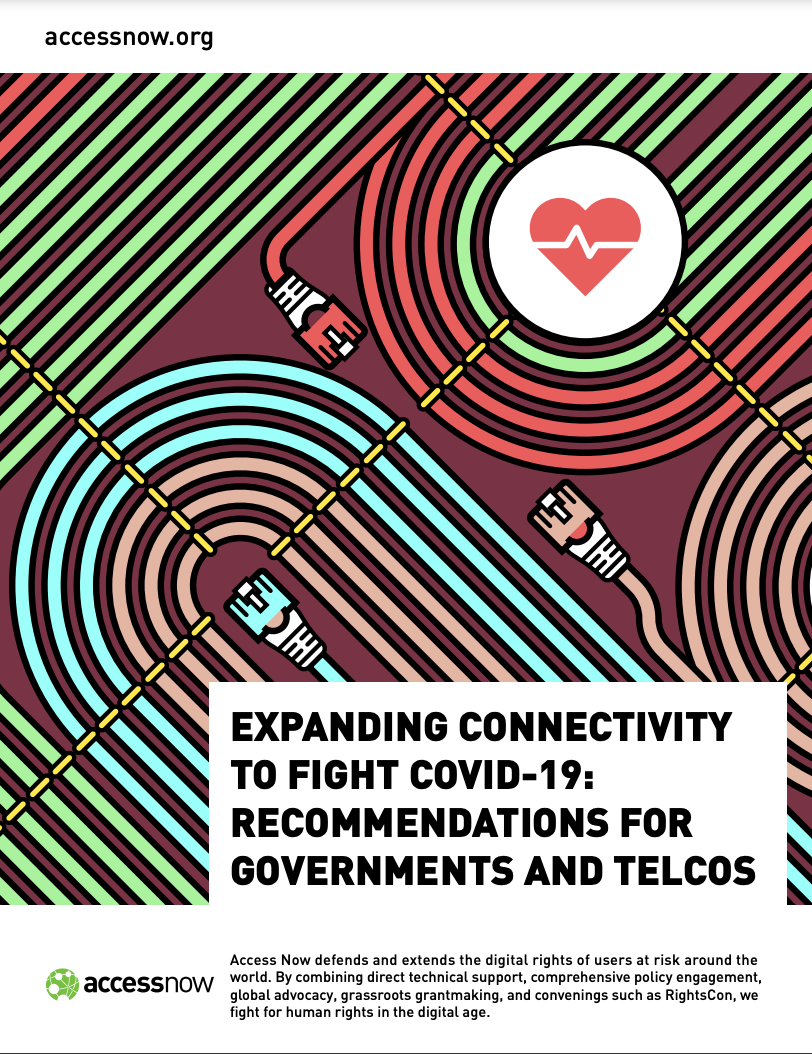
  1. Get the whole population online, especially the most marginalized. Access Now published a report on recommendations for governments and telcos to expand connectivity to fight COVID-19. The report concluded that getting connected is even more urgent during this global public health crisis when access to information and physical distancing will save lives. Telcos and governments must step up to protect people by keeping them connected to the internet, consistent with their obligations under international human rights law.


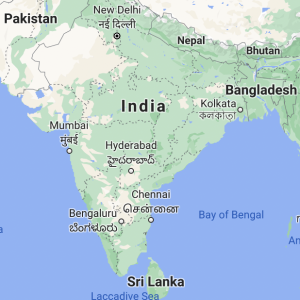
  1. Protect encryption rather than undermine it. The government of India is a spotlight of this recommendation due to its Information Technology Rules. The new guidelines also mandate such as end-to-end encrypted messaging application Signal and WhatsApp to share the details of the first originator of a message. WhatsApp has challenged the clause related to the new guidelines saying it is at odds with end-to-end encryption. Silicon Valley’s Signal Foundation’s Signal app, currently with over 5 million users in India alone, may be held liable under the law for not complying with the ‘traceability provision,’ as this could weaken the app’s end-to-end encryption. Twitter has also been at odds with the law for non-compliance. The guidelines mandate social media companies to appoint compliance officers, nodal officers, and grievance redressal officers.


  1. Legislate enforceable and robust data protection laws


  1. Make multi-stakeholderism real by consulting with digital civil society


  1. Join the Freedom Online Coalition. The FOC is a partnership of 32 governments working to advance Internet freedom. FOC Members are countries committed to protecting and promoting online freedoms domestically and abroad. Since its founding Conference, the FOC has grown from 15 members in 2011 to 32 today. Denmark, the most recent member, joined the Coalition in 2020. The Chair of the Coalition rotates among member states on an annual basis. The 2021 Chair of the Coalition is Finland.


  1. Be consistent at home and abroad on digital rights practices and policy


  1. Ban facial recognition and all biometric surveillance in publicly accessible spaces. The use of facial recognition and remote biometric technologies in publicly accessible spaces enables mass surveillance and discriminatory targeted surveillance. These tools have the capacity to identify, follow, single out, and track people everywhere they go, undermining human rights and civil liberties. Such dangers have been shown in the Netflix documentary “Coded Bias.” More than 175 civil society organizations, activists, technologists, and other experts around the world have signed the letter to #BanBS, calling on decision-makers to stand up against rights-abusing uses of biometric surveillance technologies. They assert that no technical or legal safeguards could ever fully eliminate the threat that facial recognition and biometric surveillance in public places and that these should not be allowed either by governments or the private sector.


  1. Ensure content regulation by states and moderation by companies is rights-respecting. Access Now recommends that any actions undertaken by governments and platforms to govern content should have a very specific objective in mind: to enable a diverse, free, open, and safe online space. They warn that solutions solely based on censorship or criminalization of users’ activity risk backfiring by affecting the rights of vulnerable groups, independent media, artists, activists, and human rights defenders, among others. Protecting and preserving opinions and allowing participation is as important for strengthening our democracies as keeping people safe and fighting criminal behavior.


  1. Don’t spy on citizens nor deploy surveillance infrastructure against marginalized communities


  1. Resist moves toward so-called data and digital sovereignty, which enable authoritarianism


  1. Stop unlawfully requesting user data from tech companies


  1. Protect the right to freedom of assembly and peaceful protest online. The COVID-19 pandemic is vastly changing the landscape of assemblies online and offline. People are working their way around health protocols and lockdown rules to continue protesting offline. People are adapting to online forms to continue exercising their rights. But at the same time, states and the private sector are quickly deploying tactics to adjust to these new protest norms ultimately in order to curb dissent. States, the private sector, and the tech sector must continue and update their commitments to address the digital divide, protect the rights to protest, and assemble online and offline.


  1. Ensure that COVID tracing appsvaccine passports, and other pandemic responses don’t destroy privacy and freedom of movement in the meantime


  1. Train your judges, policymakers, and legislators in digital rights


  1. #KeepitOn. This is the response to various government or private shutdowns of internet and platforms online. In 2020, Access Now and the #KeepItOn coalition documented at least 155 internet shutdowns in 29 countries.


0616 maria ressa fi

Groups call for dropping of cases against Ressa and Rappler

One year passed since award-winning journalist and Rappler CEO Maria Ressa and Rappler writer Reynaldo Santos, Jr. were convicted of cyberlibel in the Philippines. Various local and international media groups, including IAWRT, and journalists worldwide call for the dropping of all charges against her and Rappler.


On June 15, 2020, Ressa was convicted to a maximum sentence of six years in jail for a story “a story that was published 8 years earlier, at a time when the law we supposedly violated did not even exist, for a story I did not write, edit or supervise,” as she described in the IAWRT World Press Freedom Day 2021 online protest.  


That case was based on a complaint made by businessman Wilfredo Keng in connection with Rappler’s reporting on his business activities. Ressa is in the process of appealing that conviction.


Ressa said she has posted bail eight times in 2019, paying more than a known and convicted plunderer and human rights violator in the country. Her lawyer Amal Clooney said she could go to jail for 100 years with all the cases that have been filed against her and Rappler.


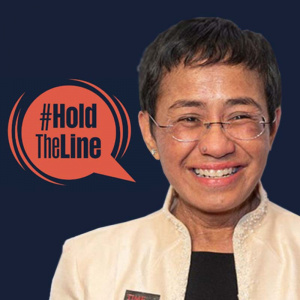
The #HoldTheLine coalition of more than 80 groups, led by the International Center for Journalists (ICFJ), the Committee to Protect Journalists (CPJ) and Reporters Without Borders welcomed the dismissal of the second cyberlibel charge by Keng against Ressa.


On June 1, Judge Andres Soriano of the Manila Regional Trial Court dismissed the case ‘with prejudice’ today after plaintiff Wilfredo Keng withdrew his complaint.


The second case was filed in late 2020 and pertained to a tweet Ressa posted containing two screen grabs of another news outlet’s coverage of Keng’s activities.


In petitioning the court to withdraw his claim, Keng’s legal team stated: “Upon careful reflection, the private complainant has decided to redirect his focus towards helping out with the pandemic, instead of being preoccupied with the prosecution of this case.”


Ressa continues to fight for her freedom.


Those interested to show support to Ressa may do so by:

  • Donning a mask with one of Maria’s most popular rallying cries for fighting back: #CourageON and #HoldTheLine.
  • Uploading a digital “mask” to your social profile photos, and/or order a physical mask online and post a photo of yourself wearing it.
  • Spreading the word – tweet and post about this, use the hashtags #CourageON and #HoldTheLine
  • Signing the petition: https://rsf.org/en/free-mariaressa


Ressa is the winner of the ICFJ Knight International Journalism Award, CPJ’s Gwen Ifill Press Freedom Award and the 2021 laureate of the UNESCO/Guillermo Cano World Press Freedom Prize.


elena tijamo fi 02

Community Radio Coordinator of FARDEC and IAWRT’s disaster response community radio Radyo Sugbuanon broadcaster sill missing after a year. 

by Sarah De Leon


In the Philippines, at least 20 journalists have been killed in their line of work since President Rodrigo Duterte sat on the presidency. Not one perpetrator has been brought to justice.


At least three journalists—all women—have been imprisoned. They were arrested through midnight police raids’ enforcement of search warrants for firearms and explosives, the usual ‘script’ and the usual cases used to put activists and government critics behind bars. One is on trial but have posted bail while one remain in jail.  


But one community radio broadcaster, Elena Tijamo from Bantayan Island in Cebu, has been disappeared for a year.


Last year on June 13, suspected military elements—four armed masked men in civilian clothes accompanied by two women—broke into Tijamo’s home in Barangay Kampingganon and held back family members while they covered Tijamo’s mouth with tape, tied her hands, and took her away.


They heard one of the male perpetrators said, “Her husband committed a major offense” and another was overheard saying “This house does not recognize a government.”


Family and colleagues suspected that the perpetrators were state agents as they managed to easily transport Tijamo amid strict lockdown measures at that time.


Kilusang Magbubukid ng Pilipinas-Cebu (KMP-Cebu), Amihan Peasant Women Cebu, and Anakpawis-Cebu conducted successive visits to concerned government offices and military and police camps on June 7, to amplify the call to surface Tijamo.


Farmers’ rights advocate, community radio broadcaster

Tijamo is the Sustainable Agriculture Program coordinator of the Central Visayas Farmers Development Center (FARDEC), a non-profit, non-government organization (NGO) that offers paralegal and educational services to farmers facing land issues.


She is also the Community Radio Coordinator of FARDEC in Bantayan Island, Cebu. The group maintains radio programs, knowing that this is the medium most accessible to farmers. FARDEC’s radio program Radyo Sugbuanon, launched in 2018, was in partnership with IAWRT. 


FARDEC relayed that on the night Elena was taken, her family members received text messages instructing them not to contact the authorities and Tijamo would be able to go home later.


Tijamo would be allowed to contact her family several times, always reminding to ask to take down any reports of her disappearance or she won’t be released, as her captors threatened. But she has not returned to this day.


Tijamo was abducted while the Philippines was on lockdown. Cebu was returned to total lockdown from June 16, hampering the family and FARDEC’s search for Tijamo.


Screen Shot 2021-06-09 at 10

The pandemic has widened gender and economic inequalities.

“The impacts of crises are never gender-neutral, and Covid-19 is no exception.”


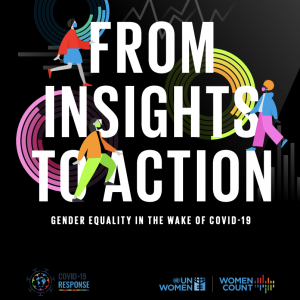
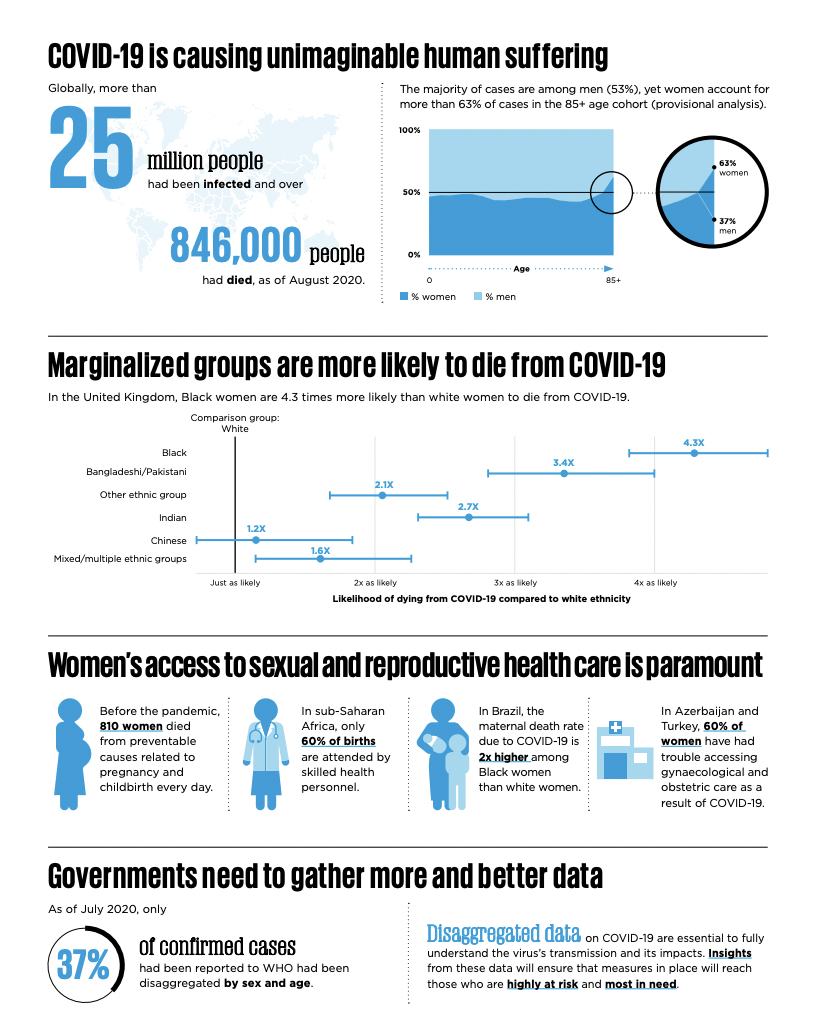
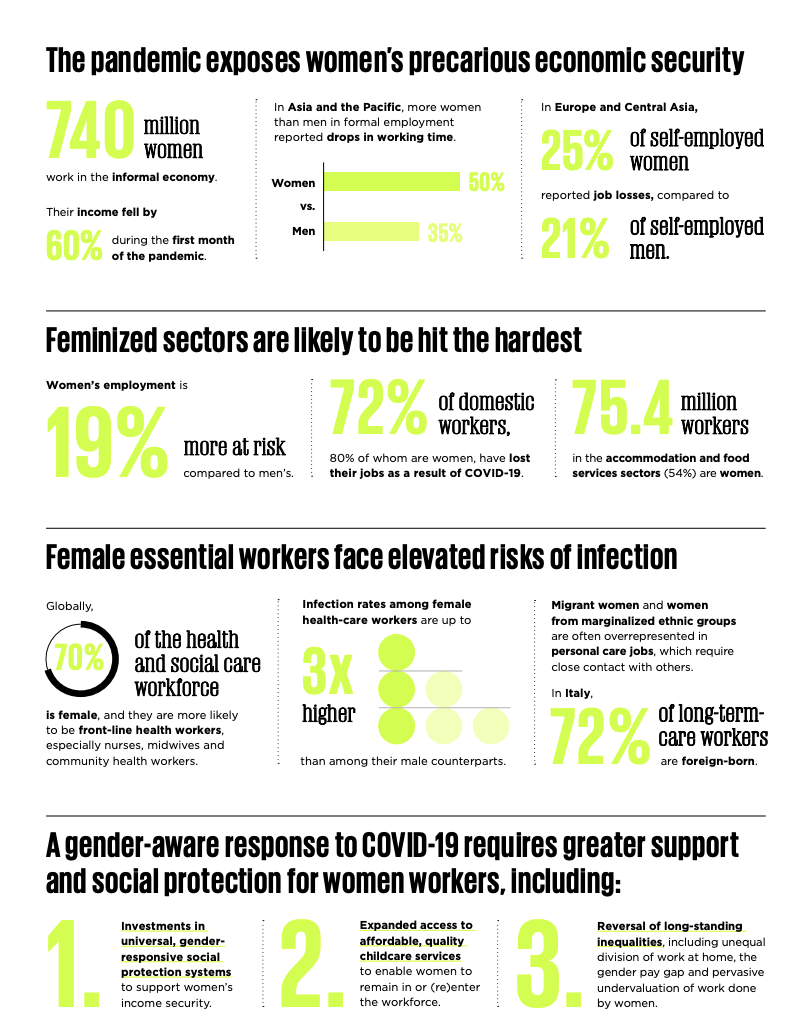
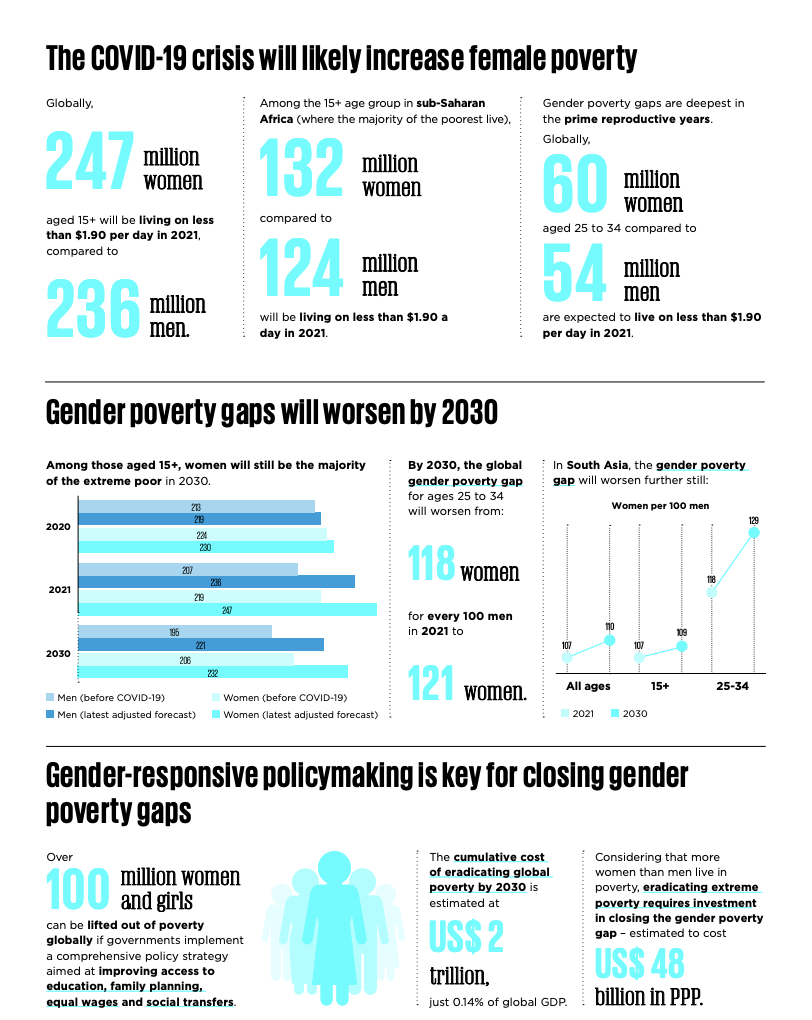
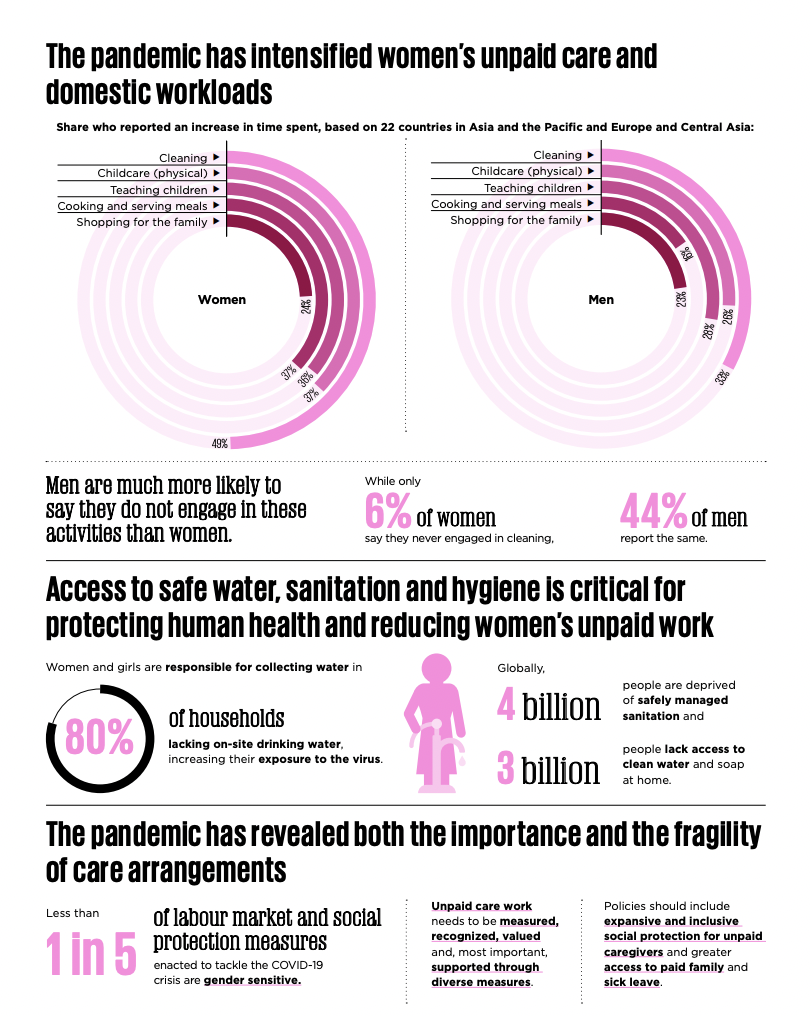
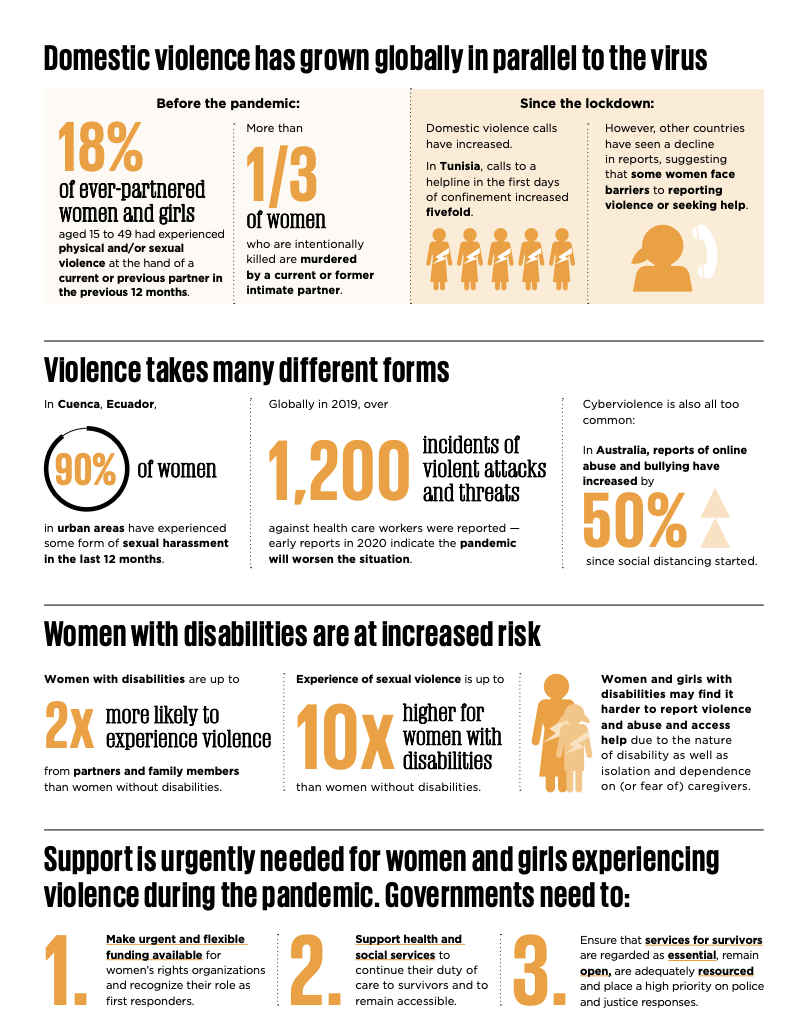
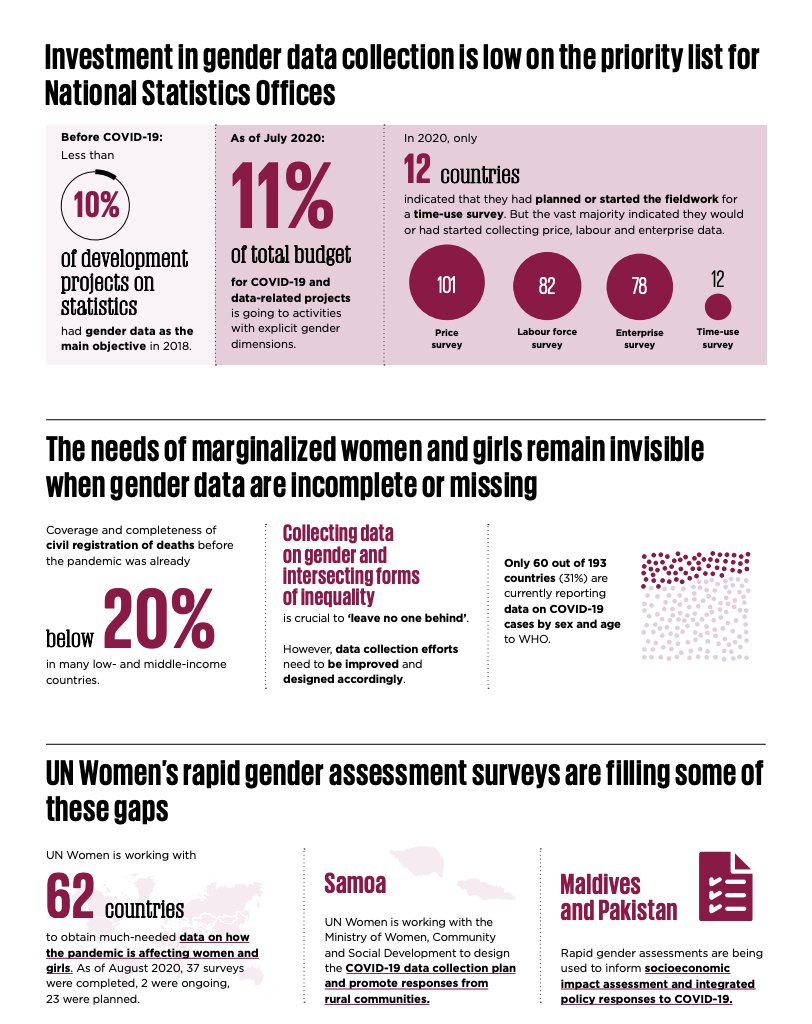
The UN Women report “From insights to action: Gender equality in the wake of COVID-19” is a useful guide for researchers and journalists looking into the situation of women and of gender equality during the pandemic. As in disaster and conflict, women are more vulnerable in this global crisis and the study showed how the pandemic exacerbated women’s situation and widened gender and economic inequalities everywhere.


The report was published in 2020, when only a few rich countries have started Covid-19 vaccine inoculation at the end of the year and many others still no see an end in sight to the pandemic. Various countries’ situations, such as in India, will take a turn for the worse as they experience their second wave of the virus infections surge.


The publication summarizes data, research, and policy work by UN Women’s Policy and Programme Division on the pandemic’s impact on women and girls, including the impact on extreme poverty, employment, health, unpaid care, and violence against women and girls. The publication also brings into focus the paucity of gender data and calls for greater investment and prioritization of data on the gendered effects of the crisis.


On one hand, the study can also provide insights to support actions needed to drive gender equality forward.


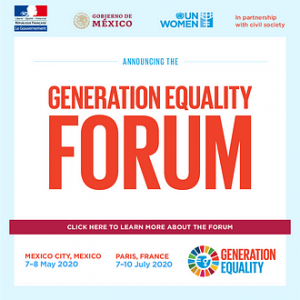
The Generation Equality Forum – ending in Paris on June 30 to July 2 – will launch a series of concrete, specific and ambitious commitments to accelerate progress towards gender equality in the next five years.

Some important findings in the report:

  1. Covid-19 is causing unimaginable human suffering.


  1. Covid-19 has pummeled feminized labour sectors.


  1. Covid-19 will push millions more into extreme poverty and will likely increase female poverty.


  1. The pandemic has intensified women’s unpaid care and domestic workloads.


  1. Domestic violence has grown globally in parallel to the virus


  1. Gender data need to be prioritized


Read and download the full report here.


Report authors/editors: Ginette Azcona, Antra Bhatt, Jessamyn Encarnacion, Juncal Plazaola-Castaño, Papa Seck, Silke Staab, and Laura Turquet

Screen Shot 2021-06-10 at 10

The first death of a journalist in India was reported on May 8, 2020

Journalists and media workers also suffer from long working hours and lack of protection from their workplaces.


The database of Network of Women in Media, India (NWMI) listed 518 journalists and media workers who died of Covid-19 as of June 10, 2021.


By the end of May, there were only 474.


The latest in the list was Rafi Nehru, 47, from Krishnagiri, Tamil Nadu, a reporter of Sun Network.


The first reported Covid-19 death of a journalist in India was Pankaj Kulshrestha, 50, Agra, from Uttar Pradesh, the Deputy News Editor of Dainik Jagran. His death was reported on May 8, 2020. There were some who said a photojournalist from Kolkata died earlier than Kulshrestha.


Women journalists are also among the fatalities. Shikha Patel, 24, Chief of Bureau of Kamalam newspaper from Upleta, Rajkot district, Gujarat is among the youngest who died. In NWMI’s database, there are 17 women journalists and media workers who have passed due to Covid-19.


In a report by Rachel Chitra for the Reuters Institute, in most cases in the deaths of these journalists were directly linked to the nature of their job: they were reporting from the field. 


Chitra reported about aggravating circumstances to the problems of Covid-19 infections and deaths among journalists and media workers: their lack of security net, lack of workplace support, and attacks against journalists.


Senior journalist and documentary filmmaker Nupur Basu said, “The large number of journalists and media workers who have died due to Covid in India is truly alarming and heartbreaking. To add to the burden of this loss of life, there is the loss of livelihood too which has further aggravated their situation. Hundreds of journalists have been turned out of work as newspapers and television channels have used Covid-19 as an excuse to downsize. In many instances these journalists were sole bread earners in the family.”


Basu is a member of IAWRT India and its former chapter head or Managing Trustee.


While various government agencies have recently offered compensation for the kin of journalists who died from Covid-19, such claims are available to accredited journalists and accreditation is hard to come by. Madras Union of Journalists is calling on the government to give compensation for all journalists.


Many stringers and freelancers who died of Covid-19 or those who got injured in the line of duty would not get any form of assistance.


“The government has been dragging its feet on declaring journalists as frontline workers for priority vaccines and also in compensating the families of those media workers who have succumbed to Covid-19 in the last 15 months,” said Basu, who was the Executive Producer of the award-winning documentary film ‘ Velvet Revolution ‘ produced by IAWRT in 2017.


In India, journalists and media workers also suffer from various attacks—from name-calling (e.g. ‘presstitutes’, ‘vultures’, etc.) by government leaders to criminalization of their work. 


“This has further eroded press freedom on India and made the job of journalists even more difficult in reporting the pandemic,” Basu said.


Basu also condemned the sedition and defamation charges and other cases filed by police against journalists critical of the government’s failings on Covid in India. 


“Journalists are on the frontlines of reporting the Covid-19 pandemic, in pursuit of promoting citizens’ right to information, and  yet they are often at the receiving end of hostility – from the public and political pressure groups alike,” said NWMI in a statement on April 27.


NWMI is also pushing for the protection of journalists and media workers while working during the pandemic – provision of PPEs, access to health care, vaccination, medical insurance, coverage of medical costs and compensation for deaths. They also called on central and state governments to protect journalists’ legal rights and stop penalising them for exposing the ground reality.


Some important questions to ask in the face of growing Covid-19 deaths among journalists in India: who will continue to report on the pandemic when journalists themselves fall ill or die due to the disease? And who will write about journalists if they fall sick?


forum-announcement-en

Registration is open until June 27, midnight CEST.

This is the largest global feminist gathering since the Fourth World Conference on Women in Beijing in 1995.

The once-in-a-century Covid-19 pandemic has widened gender and economic inequalities.


Women and girls remain underrepresented in various aspects of life (leadership, culture, sports, entertainment, etc.), and missing out on education, employment and health care, while they have become more vulnerable to abuse and violence during the lockdown and pandemic.


The crisis risks derailing hard-won gains in gender equality.


In this context, the Generation Equality Forum marked 25 years since the Fourth World Conference on Women in Beijing in 1995. It will be the largest global feminist gathering since then. It kicked off in Mexico City from March 29 to 31 this year. It will close in Paris on June 30 to July 2, 2021.


Governments, international organizations, civil society, the private sector and young people will come together to drive gender equality forward.


The three-day virtual forum will launch a series of concrete, specific and ambitious commitments to accelerate progress towards gender equality in the next five years.


The Generation Equality Forum is organized under the aegis of UN Women and co-chaired by Mexico and France.


Beijing+25

In the 1995 conference, 189 countries agreed on a comprehensive plan to achieve global legal equality, known as the Beijing Declaration and Platform for Action. The plan is widely known as the most progressive blueprint for advancing women’s rights.


In 2019, the UN Women launched the Generation Equality Campaign and Generation Equality Forum to “tackle the unfinished business of empowering women through a new groundbreaking, multi-generational campaign, Generation Equality: Realizing women’s rights for an equal future.


Also called Beijing +25, the campaign and forum are being organized in collaboration with members of civil society, and are meant to serve as the planning events, along with the 64th Session of the UN’s Commission on the Status of Women (CSW) in 2020. CSW64 went virtual due to the Covid-19 pandemic and lockdown.


On October 1, 2020, the High-Level Meeting on the 25th Anniversary of the Fourth World Conference on Women was held, where China proposed another Global Leaders’ Meeting on Gender Equality and Women’s Empowerment in 2025.


Action Coalitions

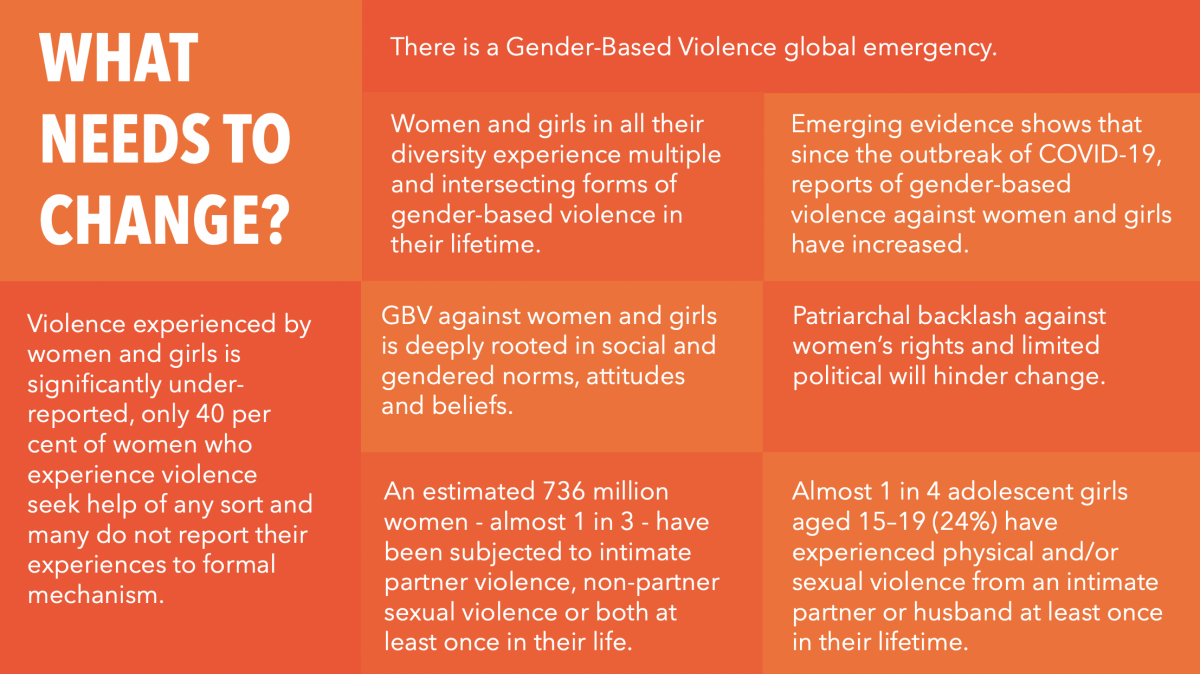
The Generation Equality Forum is structured around six Action Coalitions – innovative multi-stakeholder partnerships involving governments, international organizations, civil society and youth-led organizations, as well as private sector companies and philanthropic foundations.


Each Action Coalition will propose a targeted set of concrete, ambitious and immediate actions within the period of 2020-2025 to deliver tangible impact on gender equality and girls’ and women’s human rights.


Based on human rights principles, and through a data-driven process of consultation with international feminist groups, grassroots activist organizations, governments and other partners, the selected themes of the Generation Equality Action Coalitions are:


1. Gender-Based Violence 
 

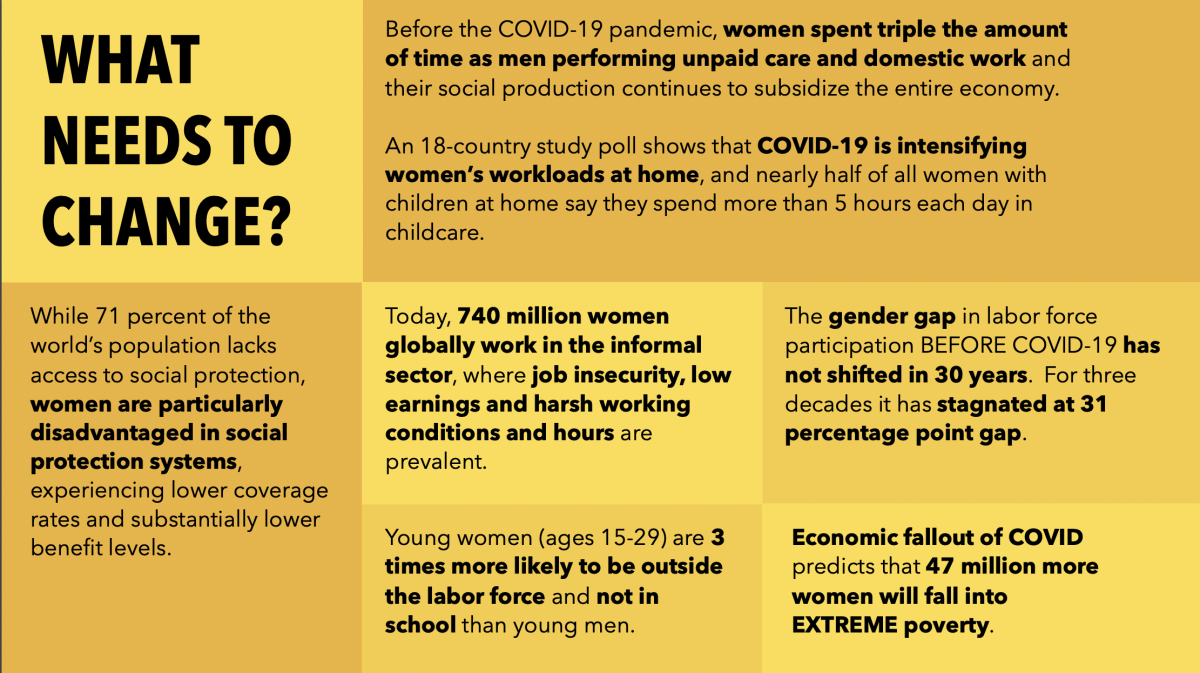
2. Economic justice and rights 
 

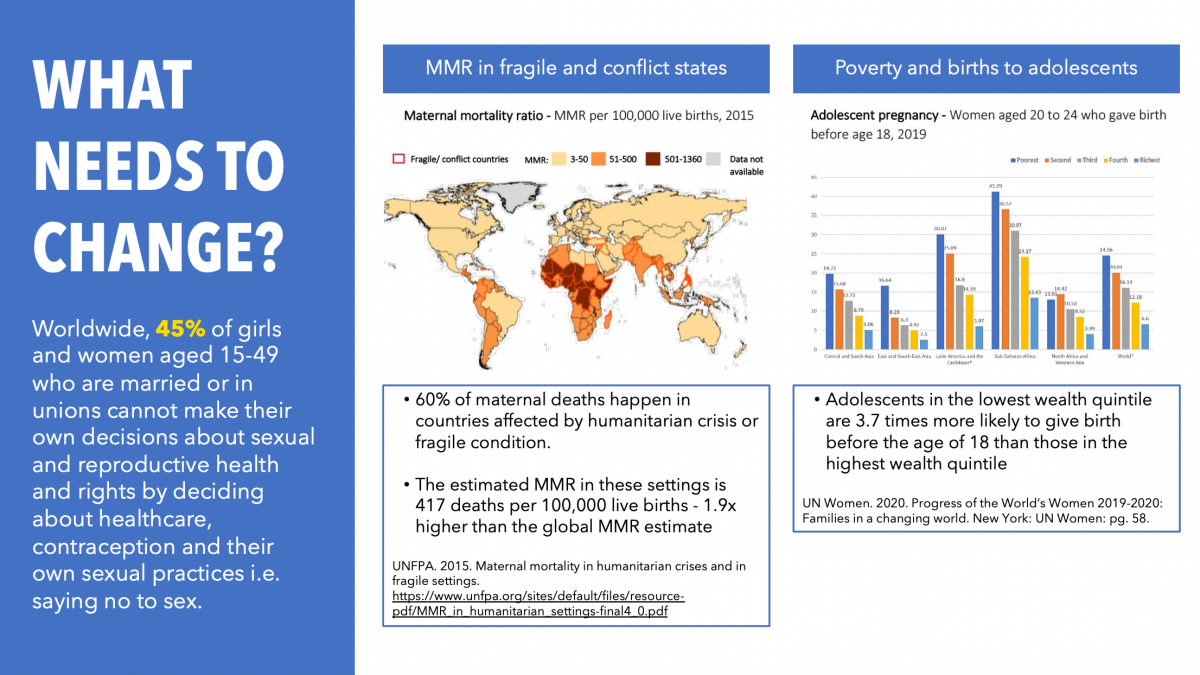
3. Bodily autonomy and sexual and reproductive health and rights (SRHR)
 

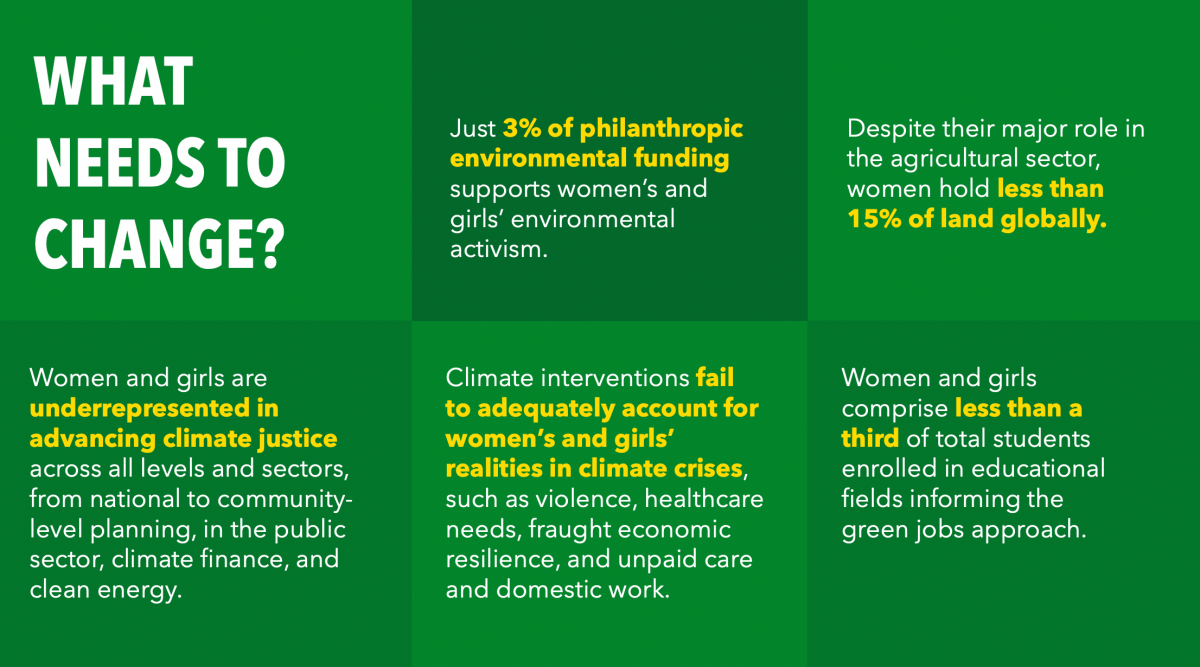
4. Feminist action for climate justice
 

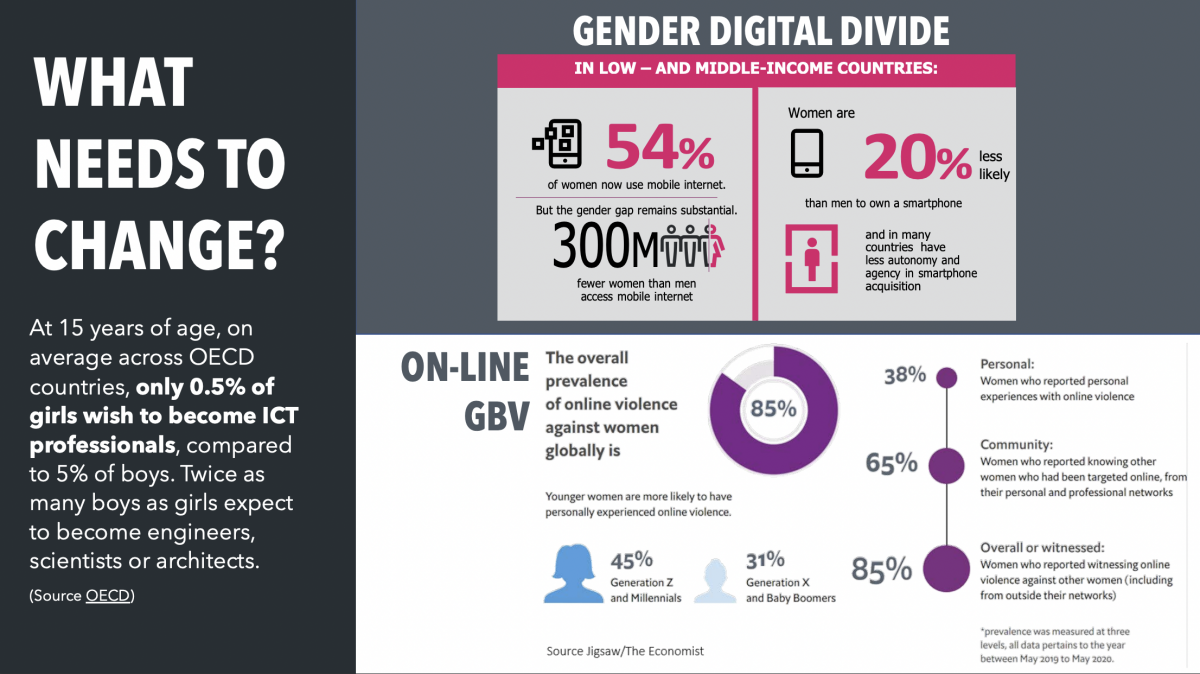
5. Technology and innovation for Gender Equality 
 

6. Feminist movements and leadership
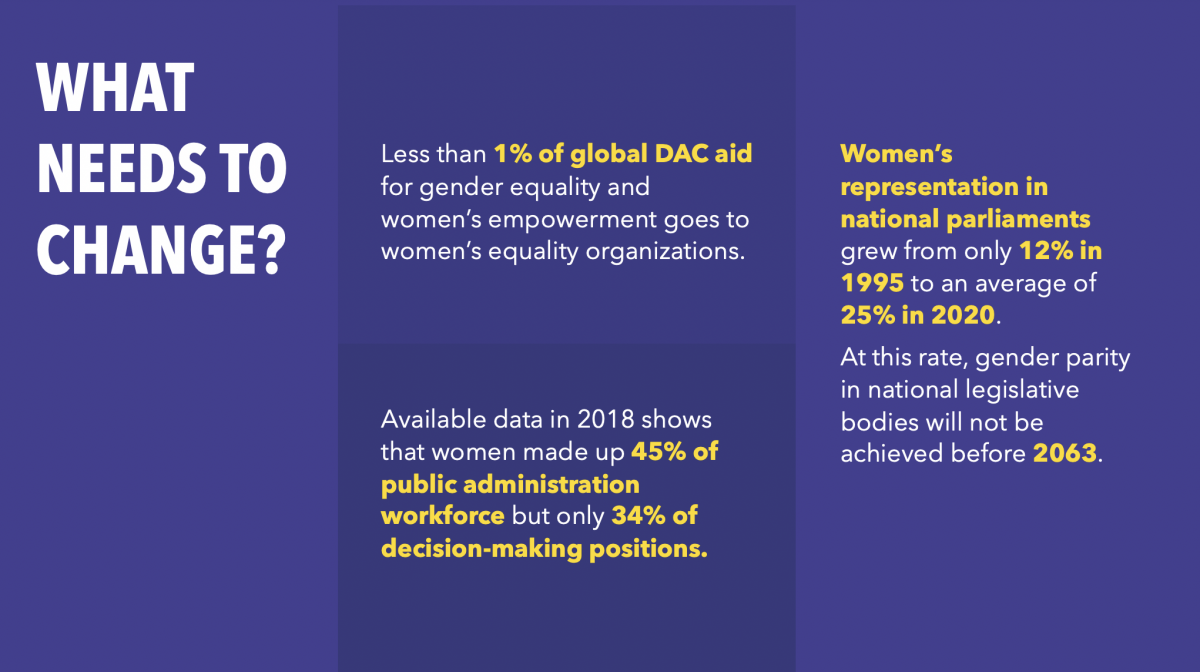
               *DAC – Development Assistance Committee


Action Coalitions Leaders and Commitment Makers (possible Member States of the UN and private sector companies) are expected to make strong commitments to realize the transformative vision of the Action Coalitions. Commitments will be showcased at the Paris Forum.


Registration

Registered participants in the Generation Equality Forum may interact with other participants, ask a question, or follow a conference. There will be 90 events involving 500 panelists.


All these events are digital and broadcasted on the event platform which will be accessible from June 29.


Registration is open until June 27, midnight CEST. Register here.



afghanistan

Reporters Without Borders tallied 1 journalist and 3 media assistants killed in 2021

Threats and attacks against the media ARE increasing sharply since peace talks between the government and the Taliban began in September 2020.


The Taliban and the United States signed a peace agreement in February 2020 and the Taliban and the Afghan government began peace talks in September last year, but the press freedom situation in Afghanistan has worsened.


The respite from attacks against journalists that might have been expected due to the peace talks has yet to be felt.


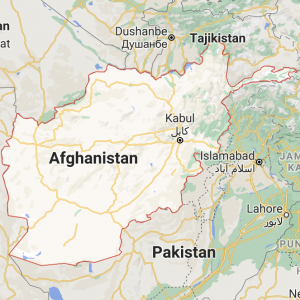
Reporters Without Borders (RSF) has tallied 11 journalists and media workers were killed in targeted attacks in Afghanistant since March 2020. At least 5 of them were women.


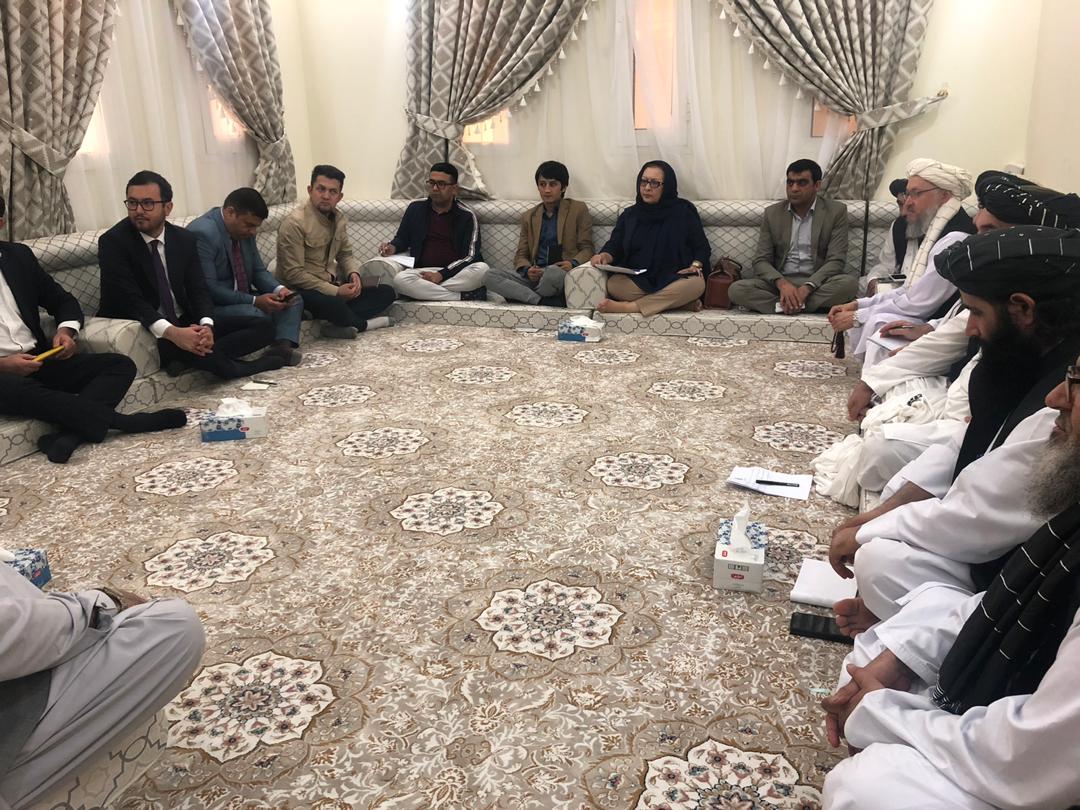
IAWRT Afghanistan Chapter President Najiba Ayubi took part in the peace talks between the Afghanistan government and the Taliban in Doha, Qatar last year. Afghan journalists were then pushing for discussions on the future of the media in the country as well as allowing the media to cover the peace talks and reflect the developments to inform the public.
 

However, three journalists were killed within a six-week period following the talks and before the end of 2020.  


Last year on International Human Rights Day, Malalai Maiwand, 26, and her driver Taher Khan were gunned down in Jalalabad. Maiwand was Enikass Radio and TV reporter and Jalalabad representative of the Centre for the Protection of Afghan Women Journalists. She was renowned for her fight for women and children’s rights. She was a member of AWRT, affiliated with IAWRT. She was an active member of AWRT and other civil society groups and had been under threat for some time. Islamic State claimed the murder of Maiwand.


On December 21, Rahmatollah Nekzad, 50, a reporter for international media such as the Associated Press and Al Jazeera since 2003, was gunned down in Ghazni.


On November 12, Mohammad Ilyas Dayee, 33, of Radio Free Europe/Radio Liberty’s Pashto-language service was killed in a bomb blast in Helmand province.


A total of six journalists and media workers were killed in Afghanistan in 2020. Afghanistan is ranked 122nd out of 180 countries in RSF’s 2020 World Press Freedom Index.


The targeted attacks against journalists continue this year.


On January 1, Besmellah Adel Imaq was shot dead  in Firoz Koh, the capital of the central province of Ghor. He was radio station director for Voice of Ghor.


On March 2 this year, Enekaas TV’s dubbing service Sadida Sadat and Shahnaz Roufi were gunned down in a Jalalabad. Mursal Waheedi, who worked with the two, was also gunned down. All three women were aged 20 or 21 and were on their way home when they were killed. The Islamic State claimed the murder of the three.


On May 6, Nemat Rawan, 28, former TOLOnews anchor and a media official at the Ministry of Finance, was shot in his car in Kandahar City. He worked with TOLOnews for four years and presented political shows. His last post on Facebook was about his new job at the Ministry of Finance.


On June 3, Mina Khairi, 23-year old presenter for Ariana News, and four others including her mother died in a car bomb attack in Kabul. Khairi had worked in the television and radio programs of Ariana News since 2017. 


The UN mission in Afghanistan said on February 15 in a report that at least 11 human defenders and media workers were killed in targeted attacks in the country from September 12, 2020 when the peace negotiations started in Doha to January 31, 2021.


Human Rights Watch (HRW) assailed the Taliban’s deliberate targeting of journalists and media workers, including women. In a statement on April 1, the international rights watchdog revealed findings from interviews with members of the media about the threats and attacks against the media increasing sharply since peace talks began that is “heightening concerns about preserving freedom of expression and the media in any peace settlement.”


“Women journalists, especially those appearing on television and radio, face particular threats. Recent attacks have driven several prominent women journalists to give up their profession or leave Afghanistan altogether. Female reporters may be targeted not only for issues they cover but also for challenging perceived social norms prohibiting women from being in a public role and working outside the home,” HRW said


0605 icfj knight awards

Brazilian fact-checker Natália Leal and Czech investigative reporter Pavla Holcová to be honored on Nov. 9

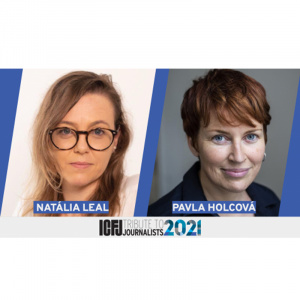
The International Center for Journalists (ICFJ) will present its 2021 ICFJ Knight International Journalism Awards to Natália Leal and Pavla Holcová.


Leal is a Brazilian fact-checker who debunked deadly misinformation in that pandemic-ravaged country. Holcová is a Czech reporter who courageously carried on an investigation after the murder of a fellow journalist.


Leal and her team at Agência Lupa, a fact-checking outlet, exposed disinformation spread by Brazilian President Jair Bolsonaro and others. Bolsonaro has repeatedly downplayed COVID-19 despite the fact that at least 450,000 Brazilians have died, only second to the United States in the whole world. 


Leal is also a media innovator who co-created the Google News Initiative-funded app “At the Epicenter”, which simulates for a user the distance of the next living person in the neighborhood who has not died due to COVID-19.


Holcová is an investigative journalist from the Czech Republic who was working with Slovak colleague Ján Kuciak on a story exploring links between the Italian Mafia and the Slovak government. She carried on the project after Kuciak and his fiancée were brutally murdered in 2018 and she also shared her investigation to other journalists how the killings were carried out. Her reporting for the Organized Crime and Corruption Reporting Project (OCCRP), Kuciak’s murder and investigations by other journalists spurred mass protests in Slovakia, which toppled the government of Prime Minister Robert Fico in 2018.


ICFJ will present the awards at its Tribute to Journalists 2021 on November 9.


Report from ICFJ announcement.

icy 01

She joined 37 journalists across US and Asia. Among them, 16 form the Asia cohort. Six were selected from the Philippines. 


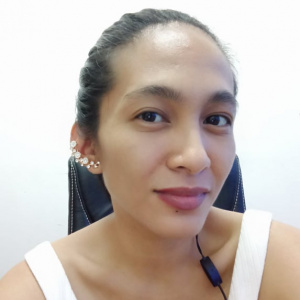
IAWRT Communication Officer Lady Ann Salem from the Philippines was selected as one of the fellows for the Asian American Journalists Association (AAJA) Executive Leaders Program (ELP) 2021.


The program is now on its 25th edition, but this will be the first time the US ans Asia cohort will be held jointly.  The program will be held virtually from May 25 to August. 


“For more than 20 years, this leadership program has fostered the next generation of journalists who can lead in uncertain times, navigate a quickly changing media landscape in this new poly-cultural and cross-cultural world, and build a sustainable future for journalism,” said AAJA of the program.


Salem’s fellowship covers full tuition fees from the Google News Initiative to participate in the program. 


Salem was arrested on December 10, 2020 on planted evidence and police trumped-up charges after Manila Today was red-tagged along with the whole Altermidya network in a December 1 Senate hearing. The charges against her were dismissed on February 5 and she was released on March 5 after almost 3 months of incarceration.


Salem has also resumed her duties as Communication Officer / Head of International Secretariat of the International Association of Women in Radio and Television. IAWRT is on its 70th year of founding this year.


Participants of the ELP will be trained on leadership, communication styles, diversity, equity and inclusion in the workplace among others.


AAJA said that ELP has trained over 500 media professionals, “successfully fostering a pipeline of savvy industry leaders — many at major media companies — and providing graduates with access to a robust, life-long, and supportive alumni network.”


Participants will also meet industry leaders from US and Asia – most of them connected to AAJA or alumni of the ELP. They have so far met Barron’s SVP Mae Cheng, The New York Times VP of Philanthropy at Sharon Chan, ABC News’ Nightline anchor Juju Chang, Axios Executive Editor Sara Goo and Los Angeles Times Editorial Page Editor Sewell Chan.


Knight Foundation Journalism + Technology Innovation Director Paul Cheung and Bloomberg Global Business Senior Report K Oanh Ha facilitated the first week of the program. Both joined the ELP earlier in their career.


Participants will be trained on leadership, communication styles, diversity, equity and inclusion in the workplace among others.