0511 online mentorship program

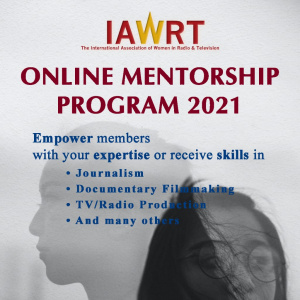
The IAWRT Online Mentorship Program was conceptualized following feedback at the Biennial, and is aimed at providing opportunities for skill enhancement or professional advancement.


This will entail selecting and placing mentees and mentors in batches of two for the period of three months, six months, nine months or even one year, depending on the nature of the activity. Mentoring will be conducted online since members will be located at different geographical locations across the globe; or unable to meet due to COVID restrictions even if they are in the same city. 


Recruitment:

Looking for mentors. We are looking for mentors experienced in the areas of filmmaking, journalism, media production, community radio, and podcasting. Should you wish to mentor in any other area, please mention the specific field in your application form. If you are interested in being a mentor, please fill the attached application form and apply to [email protected] / [email protected].

The mentors will teach across various domains – some suggested areas are documentary filmmaking, journalism, community radio, and podcasting. Should you wish to mentor or be mentored in any other area, please mention the specific field in your application form. Mentors will share skills on a voluntary basis.


Looking for mentees. Are you looking for mentorship in the areas of filmmaking, journalism, media production, community radio, and podcasting? Should you wish to be mentored in any other area, please mention the specific field in your application form. A member interested in being a mentee, needs to fill the attached application form and apply to [email protected] / [email protected].

Mentees can apply for help in diverse ways–with a research paper, a particular project (such as a film at the editing stage), early career skill development and so on.

0429 Ruth Brändli

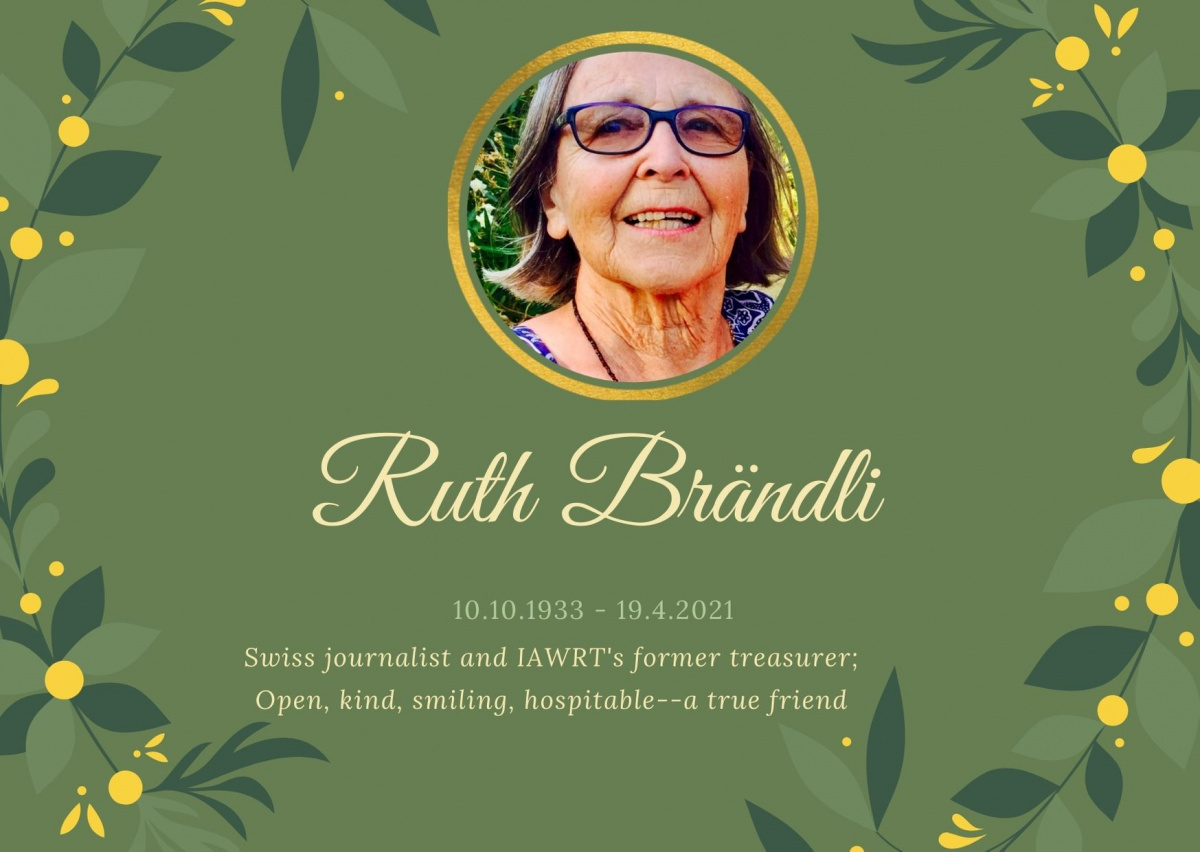
IAWRT’s former treasurer passed on April 19, 2021

Ruth Brändli was a Swiss journalist at Swiss National Television.

“For many, many years she served as the IAWRT treasurer – in those days most of the job had to be done, so to say, by hand without all the electronic means of today,” recounted Christina Ruhnbro, president of the International Association of Women in Radio and Television (IAWRT) from 1992 to 1997.


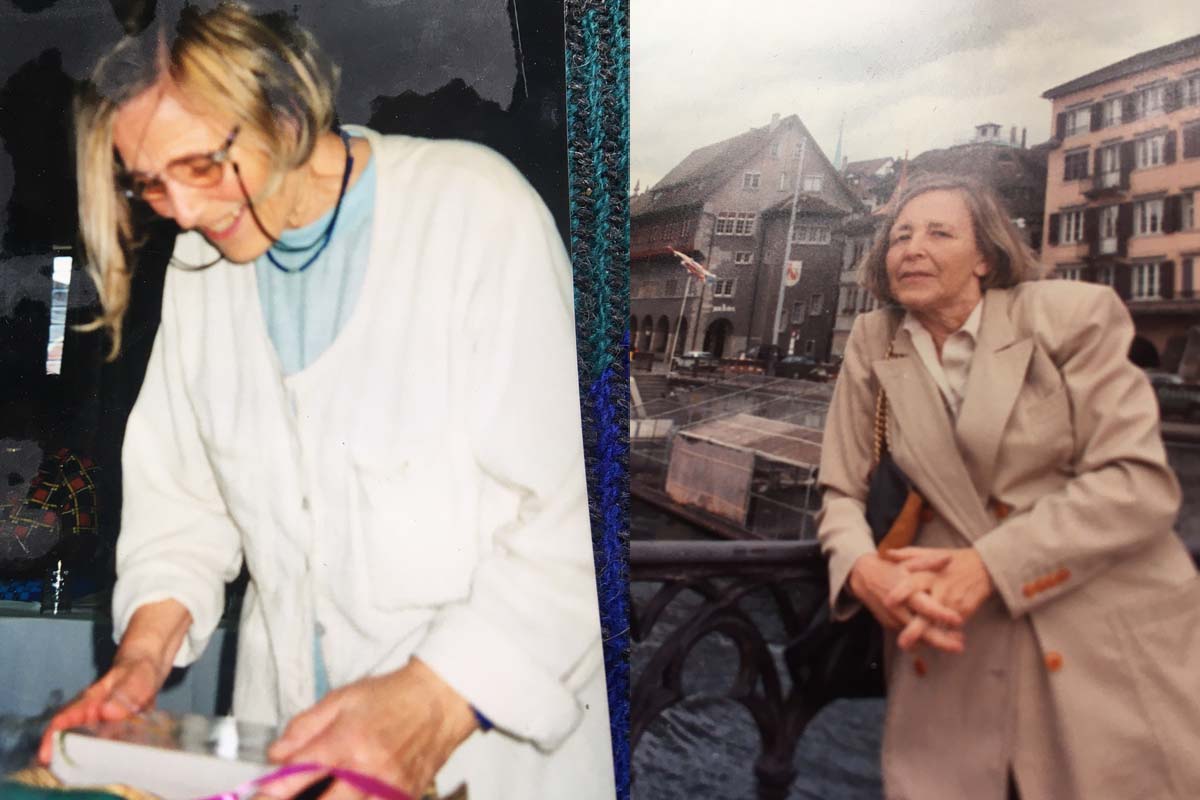
Ruhnbro recalled how Ruth organized many board meetings in her beautiful home in Zurich, Switzerland in central Europe.


“These two circumstances gave her the position “as the spider in the net” for economy and travelling. Board members could easily fly in there, coming from all over the world,” said Ruhnbro.


When IAWRT grew outside the Western world, Christina reminisced how she and Ruth went to Zimbabwe to organize a conference. It was there that Ruth brought and donated IAWRT´s first computer.

“Many times, we visited each other´s homes both businesswise and privately and often shared hotel rooms during conferences which meant late and long interesting conversations often about her time in Australia. It is a sad fact that so much now is down the memory lane,” reminisced Ruhnbro.


Inge von Bönninghausen recalled the IAWRT board often met at Ruth’s home.


“She  was the friendliest, most generous host full of humour. Ruth was a very competent TV journalist at the biggest public service media house SRG (Swiss Radio Company). There she was in charge of several TV formats dealing with for instance healthy farming and environmental politics.,” she recalled.


She also remembered that Ruth invited Christina, Gundel Dahl and Klara Poor to meet at Ruth’s house after her eye operation, but this did not happen. 


“I will keep her memory from all the travelling to IAWRT meetings and on our own expense the last 20 years. Sofia, Jamaica, Washington, Manila, Oslo, Berlin, Cologne, Kopenhagen, London etc. And I will never forget the smell of hundreds of wisteria blossoms on her balcony,” she said. 

Photos from Christina Ruhnbro


Gundel Krauss Dahl, IAWRT president from 1997 to 2001, remember Ruth as open, kind, smiling, hospitable, who opened up her lovely flat and spacious terrace.


“She was interested in the world around her, both her near surroundings with family and friends, but also in the wider world,” recalled Dahl.
 

To Dahl, the global network of IAWRT’s international family therefore became a natural place for Ruth to exchange ideas and initiatives and make new friends across the globe.


“Our network has lost an important link in its global chain, but many treasured memories of Ruth will live on with us,” said Dahl.


Ruth’s family revered how she lived an independent and self-determined life almost until her death.


“We lost an openminded and inspiring personality. We thankfully remember her wide world of thoughts, her helpfulness, and her great openness. Our thanks go to everyone who accompanied Ruth on her life journey,” Ruth’s family wrote of her.


Ruth Brändli was a Swiss journalist at Swiss National Television.


IAWRT expresses its deep condolences to the Ruth’s family during this difficult time.


Screen Shot 2021-05-07 at 6

This was in response to the many human rights violations worldwide that put the lives of journalists at risk.

On May 3, the International Association of Women in Radio and Television (IAWRT) in partnership with the Journalism and Media International Center (JMIC) of Oslo Metropolitan University, and in collaboration with UNESCO Jakarta held an online protest action on May 3, World Press Freedom Day (WPFD).


A year into the pandemic and the infodemic that surrounded it, journalists and press freedom continue to be under attack.
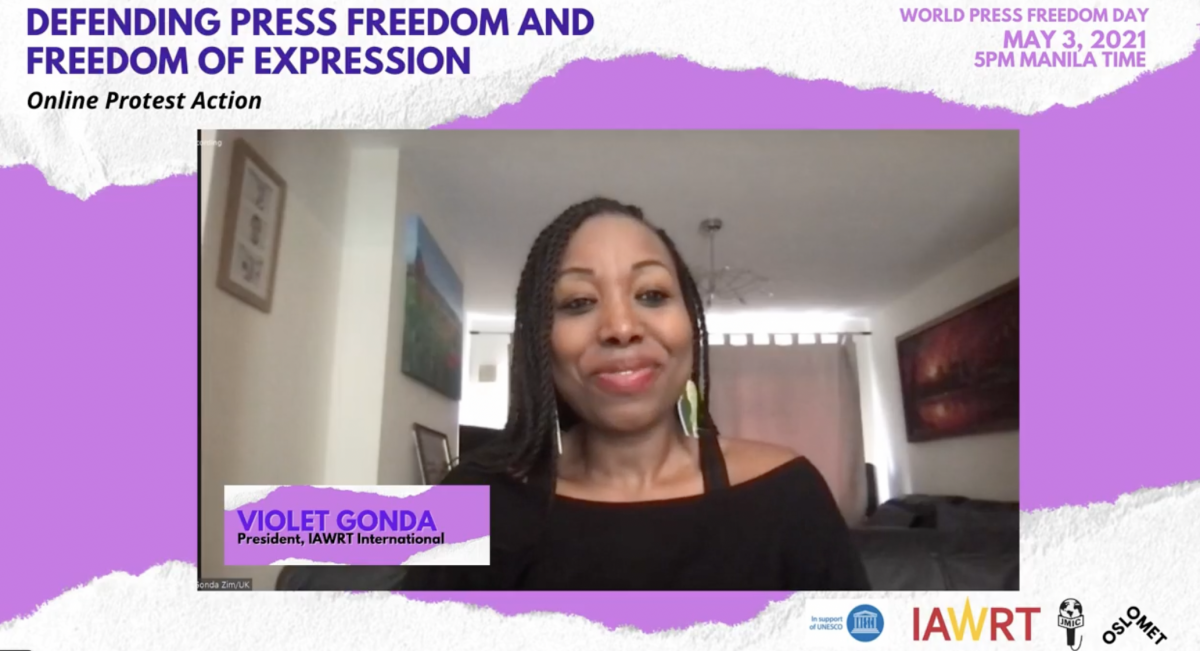
IAWRT President Violet Gonda shared how IAWRT’s own network had not been exempted from these violations.

Enikass Radio and Television reporter and IAWRT Afghanistan member Malalai Maiwand and her driver were killed on December 10, 2020. On the same day, Manila Today editor and IAWRT Communication officer Lady Ann Salem was arrested on planted evidence and trumped up charges that were dismissed on February 5, leading to her release on March 5. However, Eastern Vista editor and IAWRT Philippines member Frenchie Mae Cumpio is still detained since February 7, 2020 on similar patterns of arrest and charges as Salem.


“The harassment of journalists not only affects media practitioners but shortchanges citizens who depend on the media to provide a critical service in society – denying people to access to truth which is a very sad reality,” said Gonda.
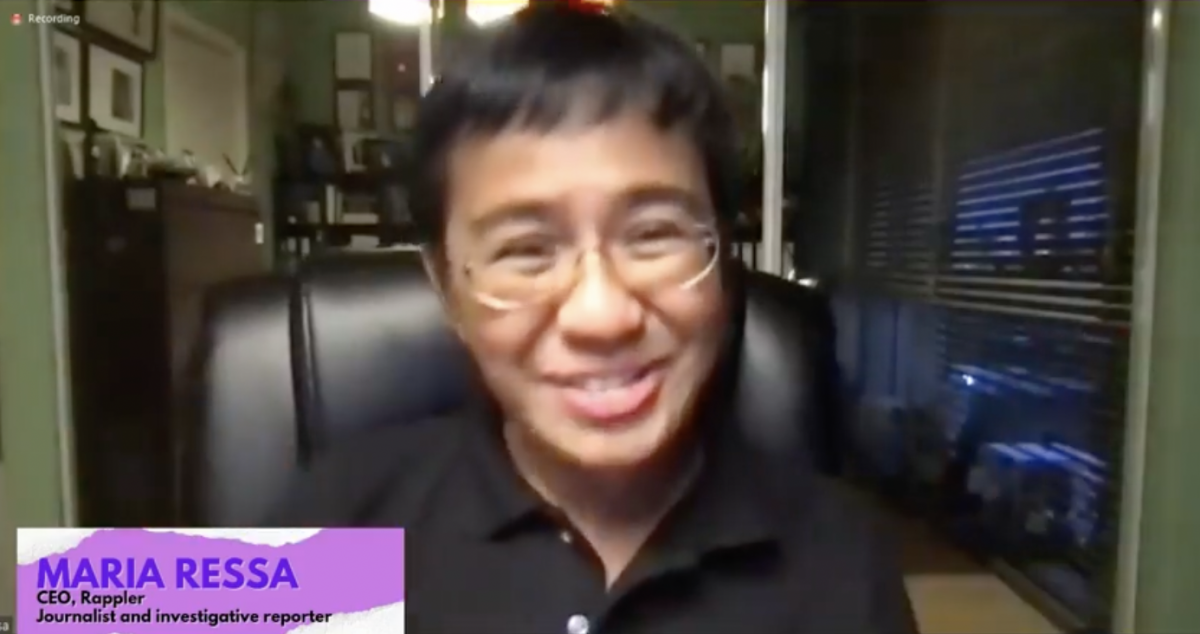
 

Rappler CEO and the 2021 UN Guillermo Cano Press Freedom Prize laureate Maria Ressa stressed, “It has never been as tough to be a journalist, to carry out the mission of journalism, to hold power to account. It’s never been as tough, as dangerous, as risky as it is today.”

“We have to hold government to account and that was why I was targeted with 90 hate messages per hour,” started Ressa as she recounted her continuing ordeal with the Philippine government under President Rodrigo Duterte.

“In 2017, President Duterte attacked us in his State of the Nation Address, a week later I got my first subpoena. In 2018, the government filed 11 cases and investigations against us. In 2019, I was arrested twice in a 5-week period, they detained me overnight just the kind to help me feel their power,” shared Ressa.

Ressa said she has posted bail 8 times in 2019, as the criminal cases moved on. She thought the government had mean to bankrupt them, but their community pulled through.

“And this is why it’s wonderful to listen to women all around Asia, because that’s the community we have to pull together to get through this, let’s call this the valley of death,”

Ressa shared she was convicted of cyberlibel in 2020 for “a story that was published 8 years earlier, at a time when the law we supposedly violated did not even exist, for a story I did not write, edit or supervise and for that I could go to jail for 6 years.”

Her lawyer Amal Clooney said she could go to jail for 100 years with all the cases that have been filed against her.


“We cannot leave ourselves feeling down, we cannot get dragged down by the world we live in now. Because part of the reason we became journalist is that we want justice, and we want a better world,” stressed Ressa.
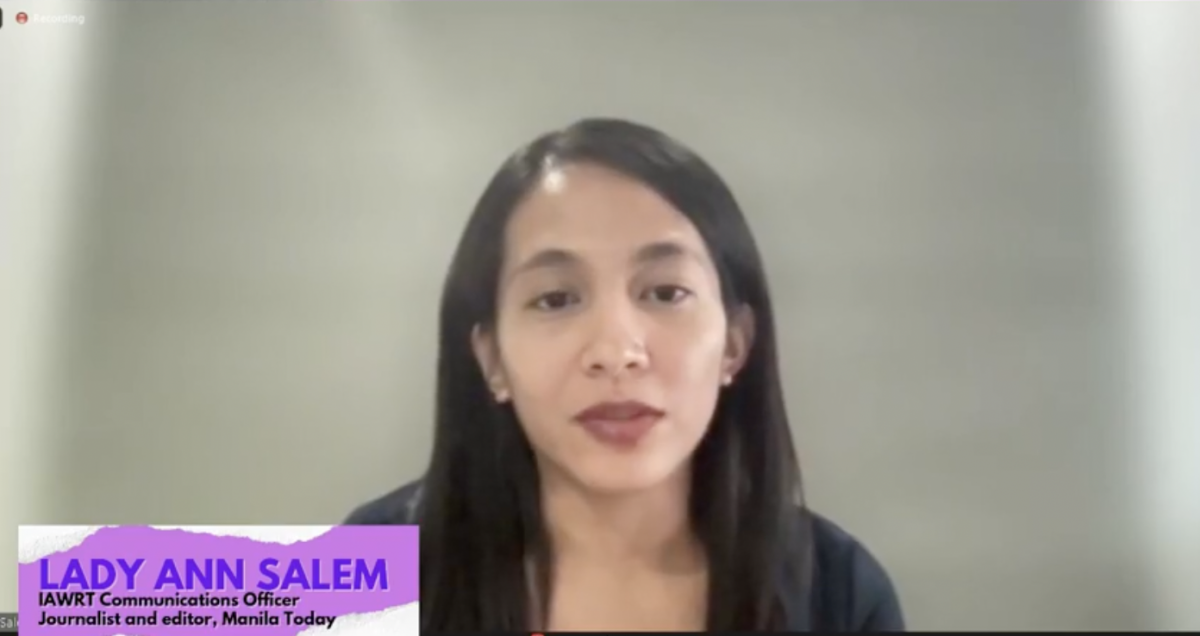
As one of five main speakers in the program, IAWRT Communication officer and former political detainee Salem shared the experience of her December 10, 2020 arrest after being red-tagged by the government.

“In the Philippines, at least 19 journalists have been killed under the current administration and a culture of impunity persist in these crimes. On the one hand, it is journalists and media outfits—not the perpetrators of the journalist killings, the political killings, the tokhang killings—it is Maria Ressa, myself, Frenchie, who are made to suffer weaponization of the law or the abuse of law enforcement,” said Salem, relating her experience to the general situation of journalists in the country.

Salem was freed on March 5, 2021, after the court threw out her cases on February 5.


“Being able to join you here today, almost two months into my release from jail, teaches me that we remain free because we believe in being free and we insist on being free, as colleagues from the National Union of Journalists of the Philippines said in today’s statement,” said Salem.
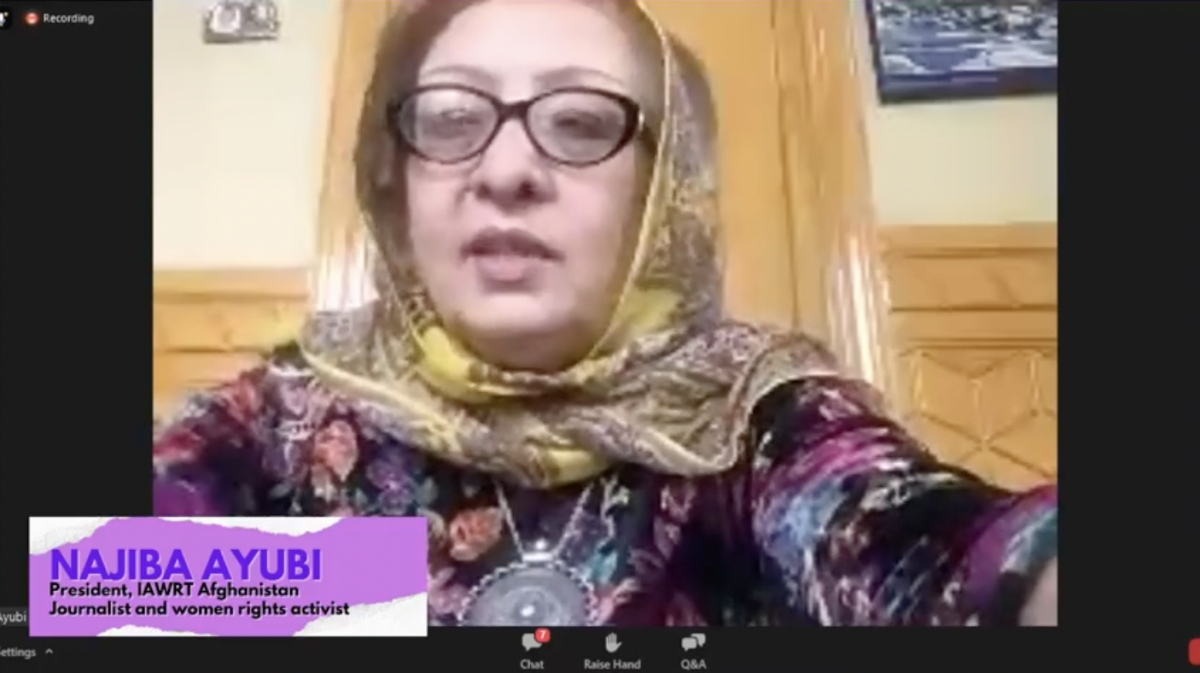
IAWRT Afghanistan chapter head and IWMF Courage in Journalism Awardee 2013 Najiba Ayubi

“We had 20 years of experience of free media. We established more than 500 media outlets in radio, television and print. We achieved that to make media an industry in this country, and 12,000 workers and journalists were working in this industry,” shared Ayubi.

But Ayubi said the situation was a lot different in the last year.

“When peace negotiations started, the situation changed. We had three big issues: COVID-19 which affected a lot, around 21 media outlets were closed, a number of journalists lost their jobs, a number left the country,” shared Ayubi

And then there were the journalist killings. No one took responsibility and no one was brought to justice for the killings of journalists in the last year, as she said, “we don’t know our killers.”


Democratic Voice of Burma (DVB) Senior Broadcast Journalist and CJ Network Head Chan Thiri Soe shared that press freedom is under attack in Myanma.
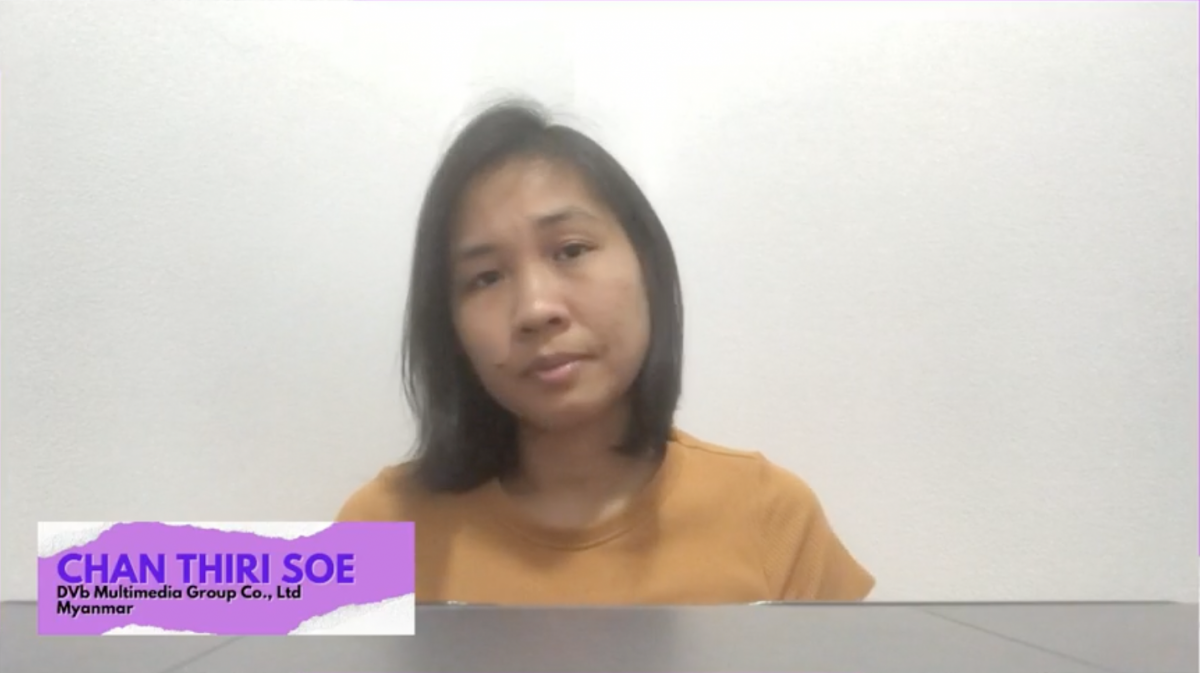
“They shut down our television channel, they shut down the internet, our media license was permanently revoked,” shared Soe.

Three DVB journalists have been arrested. One of them was arrested in his home at midnight—similar to what Salem and Cumpio in the Philippines. But what’s worse is that military troops surrounded his apartment and opened fire.

The program also invited contributions from IAWRT members and journalists from Asia. 
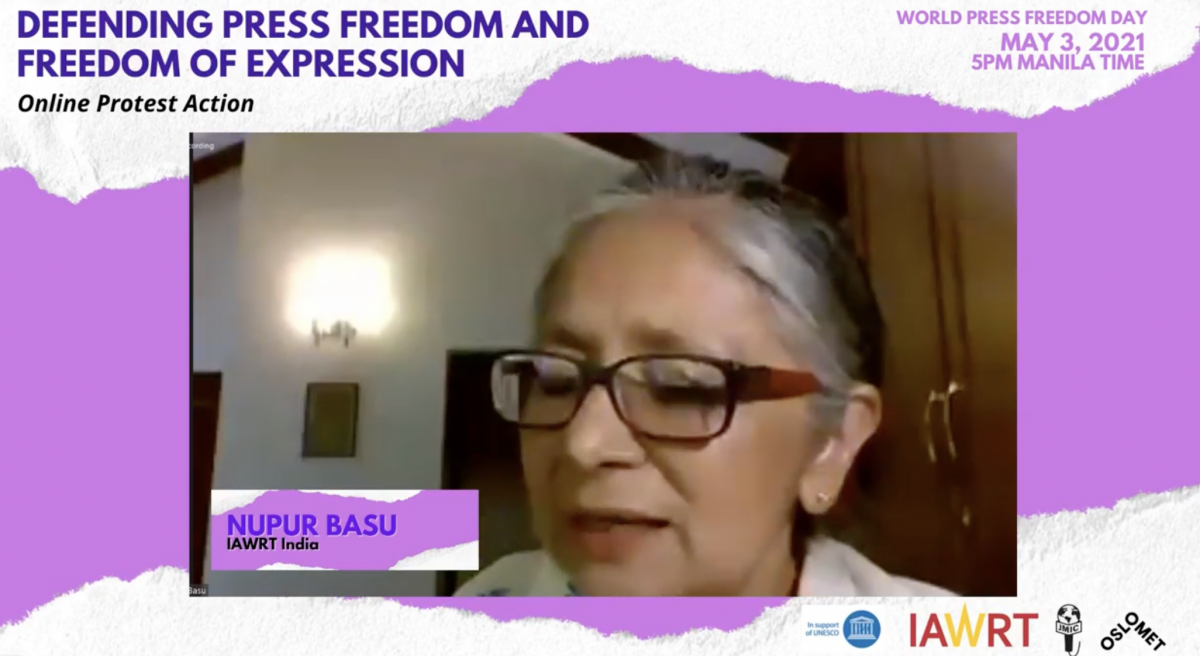


IAWRT India member and former chapter head Nupur Basu said the difficult times in her country in a deadly second wave of COVID-19 had given her a sinking feeling in her stomach like no other in her 40 years as a journalist and filmmaker.

“Journalists are all over trying to record what’s happening on the ground. There is no oxygen, there are no ICU beds and people are dying without oxygen in India, one that like to describe itself as a superpower… Journalist reporting on it are told calm down, don’t exaggerate, don’t spread panic. That’s the general sort of thing to warn them that we should not do the truth telling of the horrific things they are documenting on the ground,” Basu lamented.

She said COVID-19 has been an opportunity for rulers and non-state players who do not want a free press to crack down on the media worldwide.

Basu is the Executive Producer of IAWRT documentary ‘Velvet Revolution’ which chronicles lives of women journalists from the Philippines, Syria, India and Cameroon.
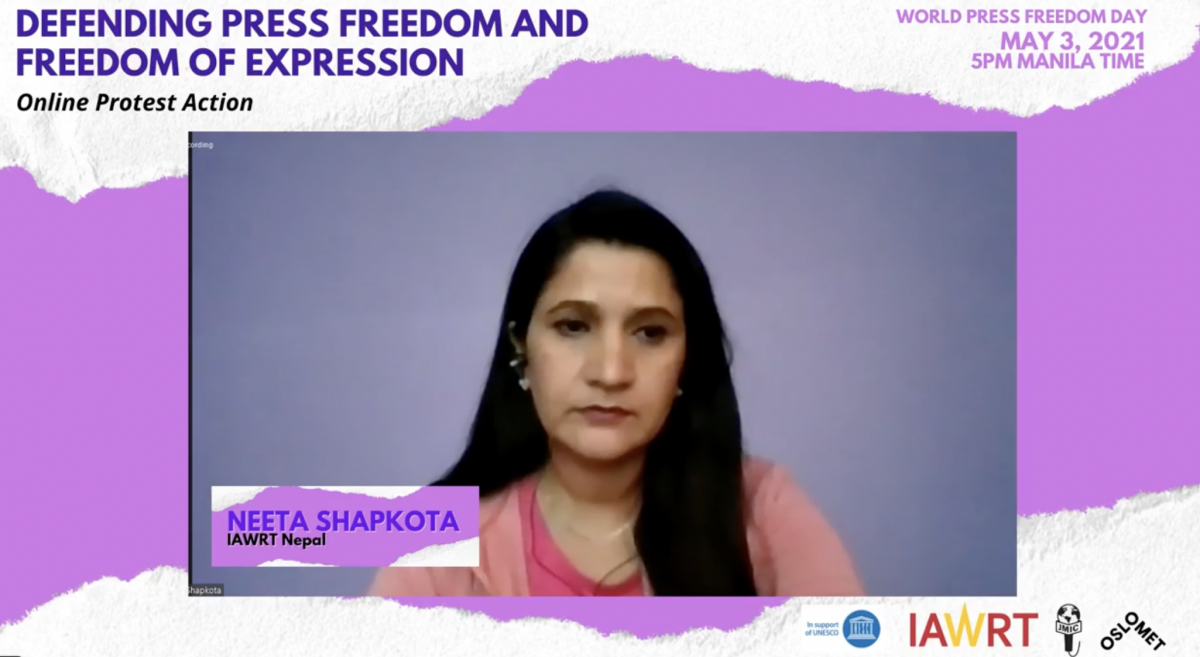
IAWRT Nepal board secretary Neeta Shapkota shared that though the constitution of Nepal guarantees press freedom, challenges to this include political changes, civil war, unstable government, ownership and censorship.

“I work with the state-owned media and I have been struggling with censorship issues in program, content, and reporting,” said Shapkota.

Journalists in Nepal struggle with wage insecurities and lack of job guarantees, especially during the COVID-19 period when a lot of journalists lost their jobs. Meanwhile, women journalists have been more vulnerable to exploitation and abuses. Journalists also faced attacks and arrests during coverage of protest rallies.
 

IAWRT Pakistan member Qudsia Mehmood elaborated on a current study in her country that says Pakistan has been facing restrictions on electronic, print and social media from state and non-state actors and journalists are facing all kinds of threats like physical, legal and digital threats.

“Censorship is not only to journalists, but also to their media houses because the situation or environment in Pakistan is so much intolerant…especially the sitting government has a mindset that they do not tolerate criticism and censorship extends not only to a specific program but to the whole media outlet,” said Mehmood.
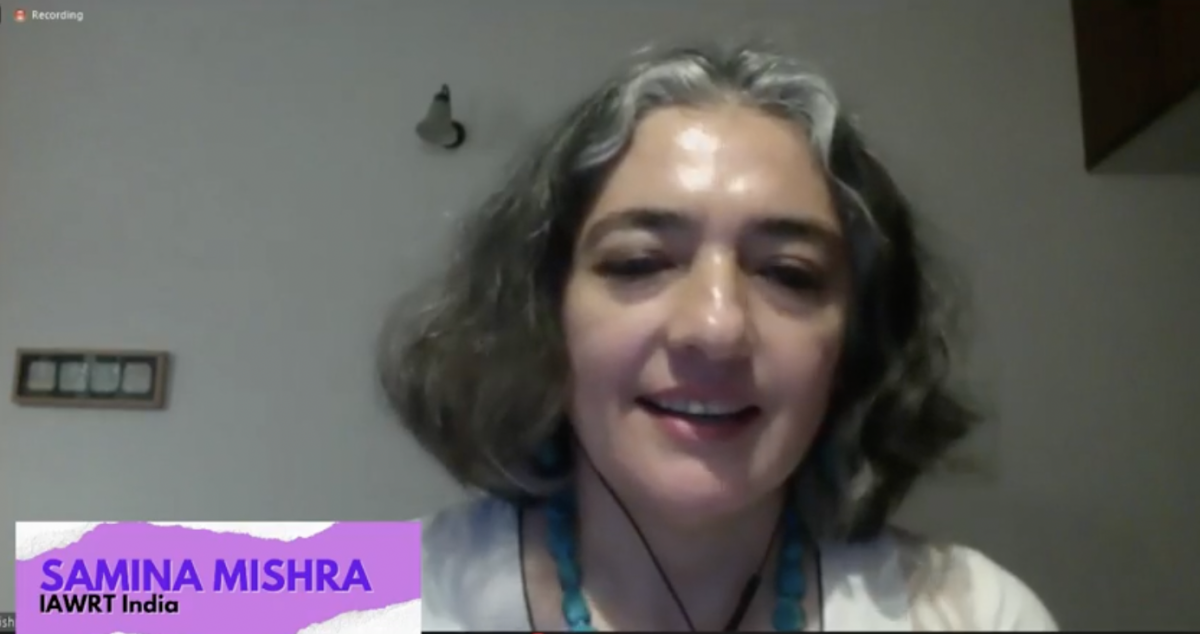
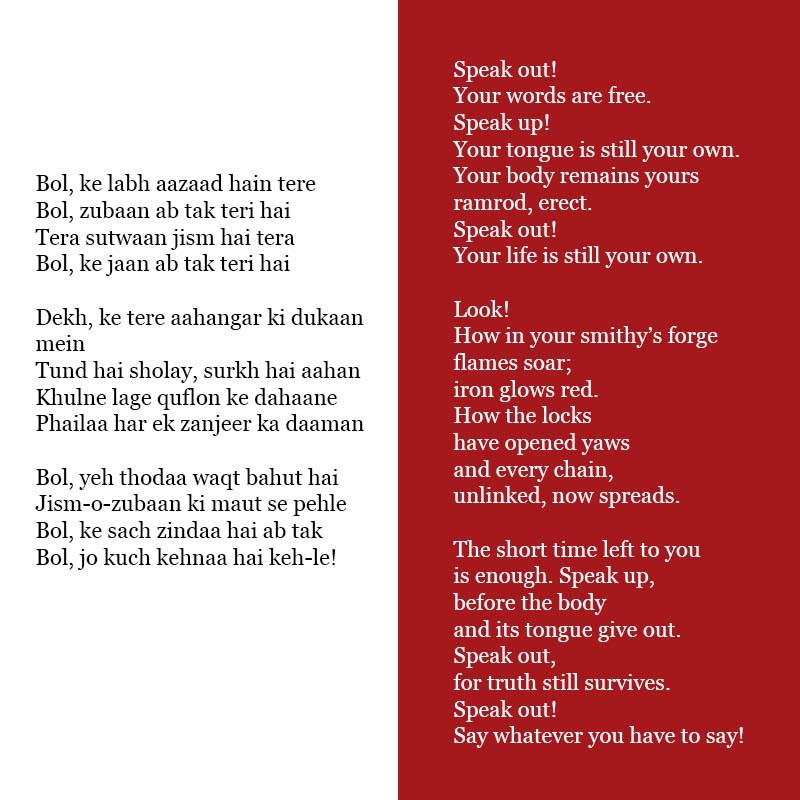
IAWRT India Managing Trustee Samina Mishra recited Faiz Ahmed Faiz’s poem ‘Bol’ in Urdu and its translation in English by Mustansir Dalvi.



The theme of this year’s WPFD was ‘information as a public good.’

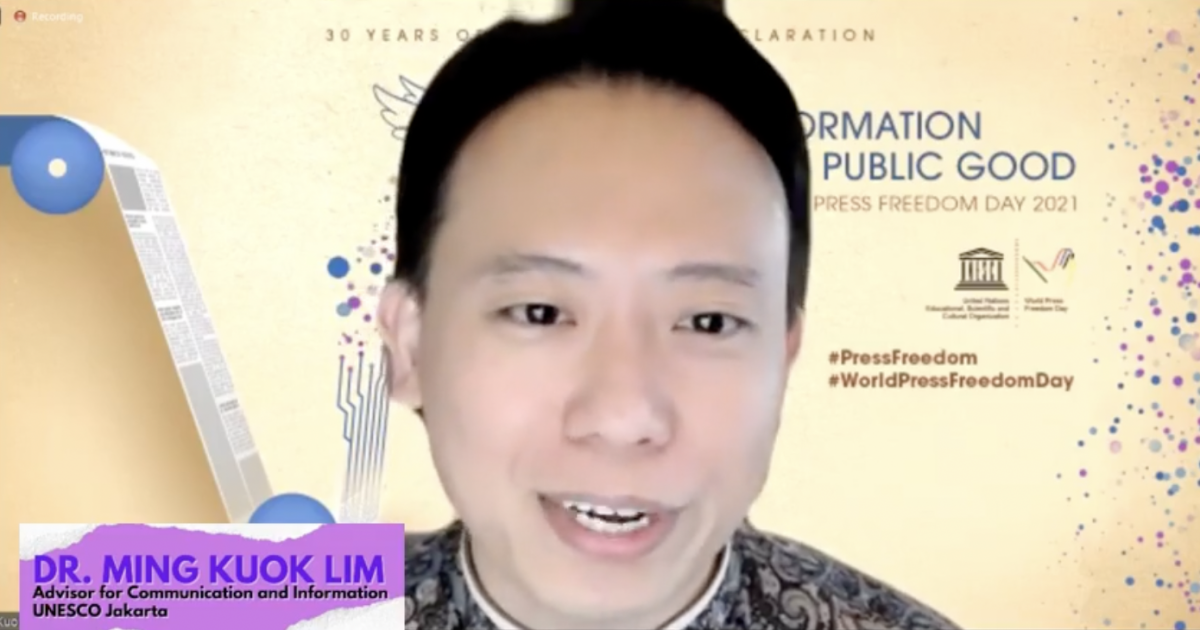
“It serves as a call to reaffirm the importance of cherishing information as a public good and exploring what can be done in the production, distribution of content,” explained Dr. Ming Kuok-Lim, UNESCO Jakarta Advisor for Communication and Information.
Three issues or perspectives on this year’s theme are viability of media and news organizations in this day and age, the transparency of online platforms and how it impacts journalism, the link between media and information literacy and how it can counter and disinformation and hate speech.

He said, “The current pandemic has really increased pressure on journalism and journalism

The pandemic exacerbated existing challenges, including the reality where a lot of media outlets closing… at least 1,000 journalists lost their jobs in the past 12 months alone in South East Asia and false information have flourished some with fatal consequences in some situations. This pandemic underscored the need for reliable, verifiable information and journalists are at the frontline of providing that reliable and verifiable information.”

He agreed in some of the speaker’s call that journalists should have the frontliner status to be in the priority to receive the COVID-19 vaccine.

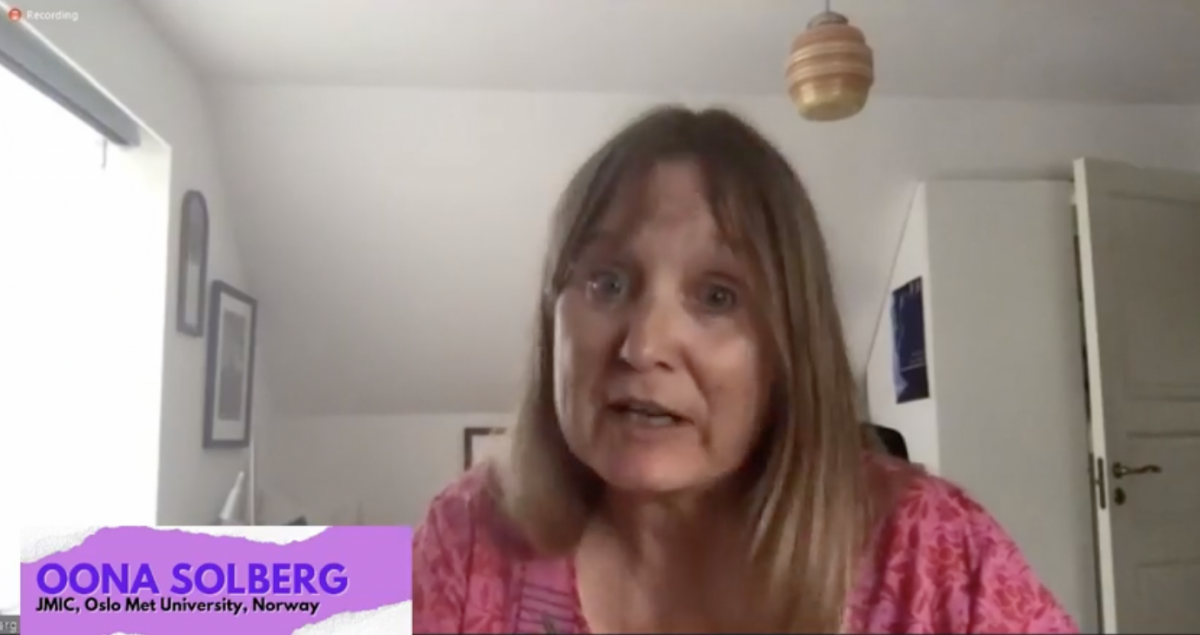
“Today, the World Press Freedom Day, 3rd May, is celebrated all over the world…30 years after the Windhoek Declaration…the declaration for a free, independent, pluralistic press is produced by African journalists in Namibia in 1991,” said Oona Solberg of the JMIC of Oslo Metropolitan University to close the program.
This year’s WPFD marked the 30th anniversary of the Windhoek Declaration, considered a benchmark for ensuring press freedom around the world.

“Here today we are so proud the winner of the UN Guillermo Cano World Press Freedom Prize Maria Ressa. This prize is in honor of an assassinated Colombian journalist and Maria is carrying this tradition with carrying the fight for press freedom in the Philippines and in the world for all of us,” said Solberg.

The online protest was attended by IAWRT members and journalists from Afghanistan, Bangladesh, Cameroon, Denmark, Germany, India, Kenya, Nepal, Nicaragua, Norway, Pakistan, Philippines, Tanzania, Sweden, UAE, and USA. Janess Ellao of IAWRT Philippines served as the moderator and IAWRT Philippines President Lynda Garcia led the chanting of protest calls – Defend Press Freedom, Free Frenchie Mae Cumpio and End Attacks Against Journalists.

The United Nations General Assembly declared May 3 as World Press Freedom Day, observed to raise awareness of the importance of freedom of the press and remind governments of their duty to respect and uphold the right to freedom of expression enshrined under Article 19 of the 1948 Universal Declaration of Human Rights.

0506 iawrt marry

Press Freedom, Misinformation and Attacks on Journalists

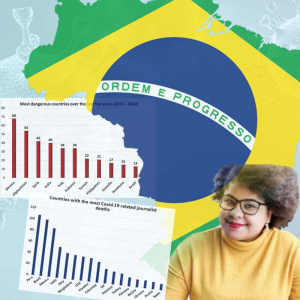
Three Latin American countries lead the ranking of deaths of journalists by COVID-19: Peru, Brazil and Mexico. Ecuador and Colombia are also part of the global top-10.

by Marry Ferreira


The COVID-19 pandemic has impacted many journalists and newsrooms across the world. Whether it’s burnout from working extra hours, layoffs, or the fight against fake news and misinformation, this crisis has strongly impacted the journalism industry and affected journalists’ work.

In Latin America, the scenario is no different. The region has registered the highest number of deaths of press professionals by COVID-19, according to data from the Press Emblem Campaign (PEC). As of March 16, 2021, 908 journalists have died from COVID-19 in 70 countries worldwide. Of these, 505 occurred in 18 countries in Latin America – 55% of the total. Since the first death recorded, the region has had a daily average of 1.44 journalist deaths. PEC has been monitoring cases since March 2020 based on information published in the local press and surveys by unions and national organizations of journalists, as well as searches on the internet and social networks in different languages. The organization honored journalists killed in the world and to draw attention to journalists’ work in the fight against the pandemic. Three Latin American countries lead the ranking of deaths of journalists by COVID-19: Peru, Brazil and Mexico. Ecuador and Colombia are also part of the global top-10.

The National Association of Journalists of Peru indicates that the biggest problem for journalists in Peru is the precariousness in which they work, since at least 70% of journalists in the regions are self-employed and have to get their own personal protective equipment to continue covering on the front line.

With more than 4,000 deaths of citizens due to Covid-19 in a 24 hour period, a  dossier prepared by the  National Federation of Journalists (FENAJ) stated that Brazil is the country with the highest number of deaths of press professionals in the world. The report gathered information from all the unions in the category throughout Brazil. In the country, 169 journalists between April 2020 and March 2021 died from complications of the disease. The dossier also shows that, in just three months of 2021, the number of deaths exceeded the total recorded in 2020. Last year, 78 deaths were recorded from April to December. In 2021, 86 victims have died so far, a percentage 8.6% higher than the total for 2020.

Early in the pandemic, Brazilian newsrooms suffered from outbreaks of infection. At the SBT branch in Rio de Janeiro, 35 professionals became ill and two journalists died. In the FENAJ survey, journalists over 50 are more than half the victims. FENAJ advised the unions, at the beginning of the pandemic, to request protective measures from employing companies and to include media professionals who are working in the field in the vaccine priority groups.

In addition to the challenges related to the Covid-19 pandemic, in the month in which it is highlighted the importance of press freedom and freedom of expression during the World Press Freedom Day, media professionals in Brazil also face challenges related to press freedom. In 2021, in the same year that the World Press Freedom theme was “Information as a Public Good”, Brazil moved back four positions in the Ranking of Press Freedom 2021, organized by the NGO Reporters Without Borders, falling to the 111th out of 180 countries, and entering the red zone, classified as “difficult situation”. The toxic context in which the Brazilian press professionals have been working since the arrival and the attacks of the current government of Jair Bolsonaro, largely explain this situation. Insults, stigmatization and orchestration of public humiliation by journalists have become the trademark of the president, his family and his government, says the NGO report.

Given the sharing of disinformation across borders, on digital platforms and on social media, journalism is the main guarantee of a public debate based on verified facts. The World Ranking of Press Freedom, which assesses the situation of press freedom in 180 countries and territories each year, shows that the exercise of journalism, the main vaccine against the virus of disinformation, is seriously compromised in 73 of the 180 countries surveyed and restricted to 59 others, in a total of 73% of the countries evaluated.

In Brazil, access to federal official information on the epidemic has become extremely complex due to the lack of transparency by the Government, which has tried by all means to minimize the scale of the pandemic, generating numerous tensions between authorities and the national media. The report highlights, in this context, the relevant role of the press vehicles during the pandemic, which had to obtain information directly from local authorities in the states to prepare and communicate their own newsletters. Specifically in the Brazilian case, the report involves the dissemination by the president of false information about the use of Ivermectin (a vermifuge whose effectiveness in combating coronavirus has never been proven and which was advised against by the WHO), in addition to criticism of social distancing measures, in disrespect sanitary measures.

As an attempt to combat fake news and reduce the impact of the health crisis in their community, favela-based media organizations have implemented widespread communications campaigns, using strategies from sound cars across the neighborhoods, graffiti, flyers distribution, news via WhatsApp and podcasts to inform residents about the virus. Alongside news information, they have launched crowdfunding campaigns to provide thousands of basic food baskets to those in vulnerable situations and installed public sinks where water access is insufficient. To combat the data problem since the government has been accused of not reporting all cases of Covid-19,  favela media organizations in States like Rio de Janeiro have developed a community dashboard based on public data, with daily and updated information from a dozen favelas, where they report the confirmed cases of Covid-19 in their communities.

The Brazilian government and its supporters’ policy of disinformation and fake news goes along with the strategy of daily discrediting and harassing the press and journalists. This is evident in another survey carried out by RSF in partnership with the Volt Data Lab, listing 580 attacks on the media from the president, his sons and ministers during the year 2020. The main means of confrontation were via social media, especially Twitter. From there came 408 direct attacks and another 81 by retweet. There were also attacks on the press in 17 of the lives held by President Jair Bolsonaro via YouTube. The ranking is largely led by the federal deputy and son of the president, Eduardo Bolsonaro, with 208 records, councilor Carlos Bolsonaro (89 attacks) and senator Flávio Bolsonaro (69 attacks). Another eight ministers of state and Vice President Hamilton Mourão also used the rhetoric of attacks on the press to publicize the government’s positions on the environment, health, education and to face investigations against the Bolsonaro family. Often the attacks are against media groups, but it has often been directed to journalists themselves. One of the victims of this strategy was journalist Patrícia Campos de Melo, from Folha de S. Paulo, who revealed in 2018 the use of illegal private funds to finance mass misinformation shots via Whatsapp to benefit then-candidate for president Jair Bolsonaro.

As an attempt to delegitimize the work done by Campos de Melo, deputy Eduardo Bolsonaro, son of President Jair Bolsonaro, said he did not doubt that the journalist tried to extract information in exchange for sexual favors, which was immediately denied by Patrícia and Folha de S. Paulo. The statement, which had generated a series of harassment on social media, gave a leap of visibility with the engagement of the President of the Republic and his son Eduardo Bolsonaro, promoting a new wave of sexist and misogynistic insults against Patrícia Campos de Melo, and marking an era of attacks against women journalists.

_________________________________________________________________________

Marry Ferreira is a Brazilian journalist and has a master in Public Media from Fordham University. She is the co-founder of Kilomba Collective, the first collective formed by Black Brazilian women in the United States, an international columnist at Revista Afirmativa, and currently an IAWRT Youth Representative at the United Nations. Twitter: @Marry_Ferreira


0503 IAWRT WPFD 2021 card 02

IAWRT World Press Freedom Day statement 2021


The International Association of Women in Radio and Television gathered for an online protest on World Press Freedom Day 2021 to respond to so many human rights violations worldwide that put the lives of journalists at risk.


Our network has not been exempted from these violations. Here are some inhumane acts that some of our members have experienced


·       On December 10, 2020, journalist and IAWRT member Malalai Maiwand, and her driver, were killed in Afghanistan.

·       On the same day, Lady Ann Salem, our Communications Officer was arrested on possession of firearms and explosives trumped up charges. After almost three months, she was released after the court dismissed the charges as baseless and inconsistent.

·       Journalist Frenchie Mae Cumpio, IAWRT Philippines member is still in jail since February 7, 2020, arrested in a similar fashion and detained on similar charges as Icy was.

·       Several IAWRT members are working in countries reeling from war or grappling with the pandemic, both conditions have impeded or have been consciously used to restrict their duty of finding out and reporting the truth


With the steep rise in the attacks on journalists and a weakening in regulations protecting freedom of expression, indeed, women journalists and media workers, are in a very difficult situation.


The harassment of journalists not only affects media practitioners but shortchanges citizens who depend on the media to provide a critical service in society – denying people to access to truth which is a very sad reality.


A recent study by UNESCO, on online violence against women journalists, also shows that the majority of women journalists surveyed had experienced online violence relating to their work. Online violence against women journalists is used to silence independent voices, spread disinformation and undercut fact-based journalism.


In addition, more than 1,000 journalists have died due to COVID-19 according to the Press Emblem Campaign in April this year. Many of these deaths came as a result of a lack of protective equipment and unsafe working practices.


We stand with these struggles of journalists especially women journalists who, at the same time, continue to fight for their piece of airtime, for their spot in newsroom leadership and for women’s voices to be heard. We would also like to recognize the work that they have done and been doing as women journalists-truth tellers.


IAWRT joins all journalists and media workers from all over the world, to call for urgent measures to counter continuing threats and crisis worsened by the COVID-19 pandemic.


We pray for the day when journalists are reporting the news and not making the news, for COVID-safe newsrooms, and general safe environments for media practitioners.


0503 iawrt marry

A CSW65 Side Event Conversation

“The best way to control this pandemic is to distribute vaccines equitably. Then we will be able to make this world a little bit more fair”.

by Marry Ferreira

From health care workers to scientists, professors, journalists, low-paid workers, and home care, women are at the forefront of the battle against the COVID-19 pandemic — yet their contributions remain undervalued.


To expand a conversation around a gender equality framework into equitable access to care, vaccines, and therapeutics, the World Health Organization and Government of Canada, and Government of South Africa hosted a CSW65 side event to include women’ needs in the advancement of Universal Health Coverage and strength data collection systems to ensure no one is left behind.


The Virtual Panel Discussion was hosted on March 24th, during the 65th session of the United Nations Commission on the Status of Women (CSW65). This year’s UN’s largest annual gathering on gender equality and women’s empowerment is being hosted online under the theme “Women’s full and effective participation and decision-making in public life, as well as the elimination of violence, for achieving gender equality and the empowerment of all women and girls.”


“Ensuring a Gender Equality Framework in the Covid-19 Vaccine Roll Out, Therapeutics and Care” reflected upon the complexities of how gender inequalities within the health sector can affect vaccine delivery and access to the vaccine, as well as to COVID-19 therapeutics and related care. Speakers included Dr. Princess Nothemba Simelela, Nena Stoiljkovic, Dr. Nina Schwalbe, Mariângela Simão, and Karina Gould.


Dr. Princess Nothemba Simelela opened the event inviting the audience to reflect on “what we can do to effectively ensure that the vaccines move into the communities and that all women, including women in the informal sector, will be the center of these actions.” Originally from South Africa, Dr. Simelela has been appointed Assistant Director-General for Family, Women, Children, and Adolescents at WHO. She has more than 30 years of experience as an obstetrician, academic, advocate, and government official. She recently served as Special Advisor to the Vice President of the Republic of South Africa, where her work spanned supporting the implementation of the country’s National Strategic Plan for HIV, TB, and Sexually Transmitted Infections to reviewing the country’s Expanded Public Works Program.


“The vaccine rollout is not enough in many countries. Even in those countries where women are in the frontlines, they are still not receiving vaccines or benefiting from the solutions that are being proposed to contain this pandemic”, she says. Nena Stoiljkovic, IFC’s Vice President for Asia and Pacific and former VP of Global Practices and Cross Cutting Solution Areas at the World Bank, also highlighted how there is an urgency for vaccination equity among countries and within countries.


In line with the Strategic Advisory Group of Experts on Immunization (SAGE), speakers also propose forward-looking solutions focusing on women’s leadership and meaningful participation at all levels of health and care work as catalysts for situating gender equality centrally within vaccine and therapeutic delivery policies and programs.


Karina Gould, PC MP, member of parliament in the House of Commons of Canada to represent the federal electoral district Burlington, mentioned that only a gender lens could help the world to respond to this crisis. “A gendered approach to this pandemic includes listening to women’s advice because they know what’s working in their communities. When women have access to health care, all are benefited”, she said.


The Canadian politician emphasized that the vaccine rollout is inequitable and unfair, and dangerous because the world will not recover from this crisis unless all are vaccinated and mentioned the importance of the vaccine-sharing initiative COVAX, which distributes vaccines for low-income countries. “The first step is to ensure that vaccines are affordable and available to everyone. Women represent 70% of health care workers in the world, and they are in the frontline. They must have access to vaccines, tests, and access to health care”.


The discussion continued to underscore the role all nations can play to ensure that women and girls in all their diversity, including within the informal economy, have equal access to COVID-19 vaccines, therapeutics, and care to recover better achieve the goals of the 2030 Agenda for Sustainable Development. Ms.Maha Muna, UNICEF Regional Gender Advisor, presented the report Health in Their Hands: Testing and Women’s Empowerment Means Better Health for All, describing obstacles faced by women to access testing. In some areas, Ms. Muna addresses the fact that there may be a more significant testing gap for men than women because “social norms encourage men to take greater health risks and focus less on prevention.” For her, universal health coverage cannot be achieved without closing the testing gap and addressing the barriers that impede women’s access to testing, improving investment in research on women’s health and testing in low- and middle-income countries.


Ensuring a gender equality framework in the Covid-19 vaccine roll out and care includes an essential discussion on the countries’ response to the pandemic, which includes disaggregated data and reduces vaccine disparities between countries. Dr. Nina Schwalbe, Adjunct Assistant Professor at Columbia University and Acting Chief of the Health Section, Programme Division at UNICEF, said that the United States did “a miserable job in response to this pandemic, looking at countries like Singapore.” For Dr. Schwalbe, developed countries must improve the calls for disaggregation if they want to address women’s needs in this context better. “Countries like the U.S. have no excuse for not having gender-disaggregated data in all aspects of the response for Covid-19. Within CEDAW obligations, it is urgent to have disaggregated data in the vaccine rollout,” says.


Mariângela Simão, Assistant Director-General at the World Health Organization, ended the conversation brought to the light that ten countries own 75% of the total vaccines in the world. “This is not morally wrong from a gender perspective, but also a human rights perspective. This inequitable vaccine rollout will impact access for women if we do not achieve equity in distribution for all countries,” says.


Affirming that this vaccine distribution “does not make sense in terms of economics as well,” Ms. Simão affirms that all countries should be vaccinating healthcare workers, which in many of them are mainly women. “The best way to control this pandemic is to distribute vaccines equitably. Then we will be able to make this world a little bit more fair”.


Marry Ferreira is UN Youth Representative from IAWRT-USA

0504 positive africa

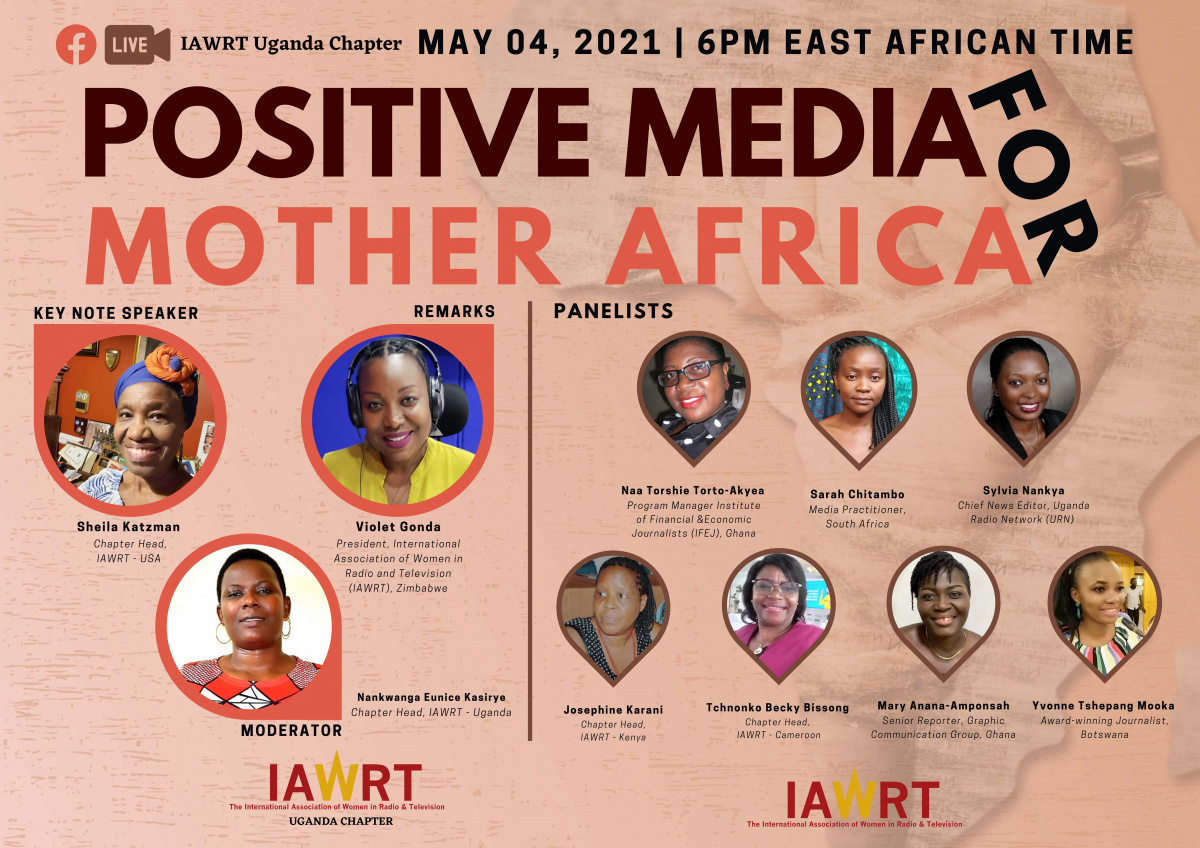
Join women journalists and media executives from Kenya, Ghana, South Africa, Botswana and Uganda on May 4, 6pm EAT

IAWRT Uganda and IAWRT International will hold a media engagement under the theme Positive Media for Mother Africa.

This is a maiden step in creating a network of Africa women champions for intentional and deliberate salvation of Africa from negative publicity.

IAWRT President Violet Gonda from UK/Zimbabwe will share a message while IAWRT USA chapter head Sheila Dallas-Katzman will give the keynote speech.


The gathering is also part of the observance of World Press Freedom Day 2021. 


Context:

Africa and her people have always been looked down upon by western nations for centuries with a perception of backwardness, tribalism and incapability to develop by her own with her people. General Negative media publicity linked to poverty, inhumane savage culture, diseased and conclusively a Dark-Continent define mother Africa. The paradigm setting is largely created by the media narratives since the media is the giant in setting opinions, point of information reference and forms perceptions. But how much has Africa and her people have contributed to the negative narratives and what has Africa done to counter the foreign negative portrayal.


Branson and Stafford (1999) clearly put it that, the stereotypes shape the media narratives about Africa, it is important to remember that stereotypes play an important role in making sense of the world which are not necessarily lies. We all use characterizations of people and places and belong to groups which can be stereotyped. However, it is the multitude of negativity, which is the contentious issue here.


It is upon this background that International Association of Women in Radio and Television (IAWRT) Uganda Chapter is challenging Africa and her people to become deliberate and intentional at focusing on the strength and positive strides to rebuild the motherland pride within and without. 


The event will be livestreamed on IAWRT Facebook pages and IAWRT Youtube channel.


To register, contact [email protected]

0430 may 3 poster image for featured news

IAWRT in partnership with the Journalism and Media International Center of Oslo Met University, and in collaboration with UNESCO-Jakarta will hold an online protest action on May 3. This is in response to the many human rights violations worldwide that put the lives of journalists at risk.

We will hear about situations, challenges and resolutions from journalists from Asia and from UNESCO Jakarta:

  • Maria Ressa, Rappler CEO and UN Guillermo Cano Press Freedom Prize Awardee 2021
  • Najiba Ayubi, Killid Group Founder and IWMF Courage in Journalism Awardee 2013
  • Chan Thiri Soe, Democratic Voice of Burma 
  • Lady Ann Salem, former political detainee, Manila Today editor and IAWRT Communication Officer
  • Ming-Kuok LimUNESCO Jakarta Advisor for Communication and Information

Janess Ann Ellao of Bulatlat.com will serve as moderator.

IAWRT President Violet Gonda will give the opening remarks.

IAWRT members from India, Nepal and Pakistan will also share messages of solidarity.

IAWRT Philippines will lead the online protest.


0427 Happiness class

The film will stream online from April 28 8am IST to May 3 8am IST

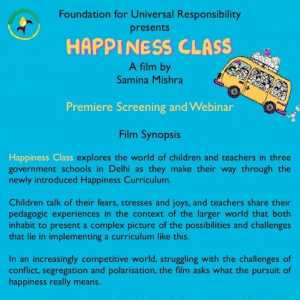
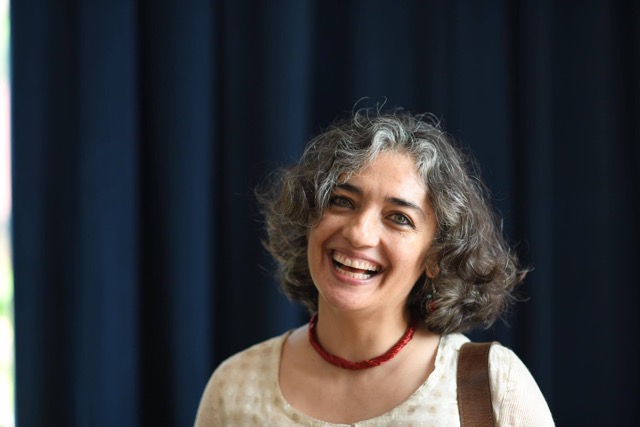
IAWRT India chapter head’s documentary film on the ‘Happiness Curriculum’ introduced in Delhi government schools in 2018.

Those who want to see the film may do so for this limited time period at this link: https://vimeo.com/539152685.

Mishra’s film was commissioned by the Foundation for Universal Responsibility to be made a year after the ‘Happines Curriculum’ was introduced.

Happiness Curriculum is an educational program for children in grades 1 to 8 in the schools run by the Government of Delhi in India since July 2018 and was thought to be a reformative step in school education in India.

This tied to the filmmaker’s own personal interests and body of work.

“My work is mostly around the ideas of childhood, and I also write for children and work with them using the arts. I am interested in making space for children’s voices to be heard in mainstream spaces and for adults to pay attention to children’s experiences instead of merely speaking on their behalf,” Mishra said.

The objective of the Happiness Curriculum is to improve the mental well-being of pupils. The curriculum is based on philosophies of thinkers and educationists such as Mahatma Gandhi, Rabindranath Tagore and Jiddu Krishnamurthy. The curriculum also includes concepts about self and relationships with family, society and nature.

The curriculum employs techniques such as mindfulness, reflective stories, interactive activities, and expression to equip pupils with the necessary skills and mindsets to answer the following questions: What makes me happy? How can I be an instrument in other people’s happiness?

The film was shot before the pandemic and the rough cut was finished two weeks before the lockdown was announced in India.

“The film lay still for 6 months or so. I think this did help the film – I had always thought of using animation but because I could not shoot any more, the way I used the animation changed,” the director shared.

While work on the film paused and slowed down, Mishra thought her own experience of the pandemic and lockdown influenced both the process while editing continued up to reaching the final film.
Mishra said the film is intended for a general audience because everyone engages with children in different ways.

“What we can understand from their lives can also be applied to our own. So I would hope that a general audience watching the film would understand that children are part of our world, they don’t and can’t be expected to inhabit some segregated corner of it. So in trying to understand the place of happiness or sadness in children’s lives, we can understand it in our own,” she said.

But apart from the general audience, she hopes the film reaches teachers and education policy makers who Mishra feels “need to listen to such voices and pay attention to such experiences.”

What could be one of her greatest takeaways in making the film? That we must strive to create beauty with kindness and grace.

“I felt privileged to be working on something that I really wanted to in this terrible time of deprivation and difficulty. So, I think gratitude for the people we work with, including those whose stories we tell, and for the pleasure that work we believe in brings to our lives is really important,” she said.

And so, the filmmaker thanks her fabulous crew.

“Tenzin Kunchok, Anish Pavitran, Nitasha Kapahi, Dilip Chaudhari and I did the shooting and sound. Tenzin also did the editing which was spread over many months. The animation has been done by Alia Sinha. Shireen Ghosh did the music along with an original rap song by a group of young boys who create music under the name of Dean Swag X Kranti Ke. Sameera Jain made valuable inputs as consulting editor, the sound mix was done by Asheesh Pandya and colour correction by Sonu Singh,” said Mishra.

The film’s producer is Rajiv Mehrotra of Foundation for Universal Responsibility and the film was given additional financial support from Mekin Maheshwari of Udhyam Learning Foundation. 

The online screening is accompanied by a webinar with the filmmaker and education practitioners, scheduled on April 30, 6pm IST. Register here.

Guest speakers include Rajiv Mehrotra of the Foundation for Universal Responsibility and Mekhim Maheshwari of Udhyam Learning Foundation. Panelists include Vikram Bhat, Poonam Batram, Mani Mishra and the filmmaker, Samina. Prachi Kalra will serve as event moderator.

For more information, check out the film’s page on Facebook.

0426 un webinar flyer

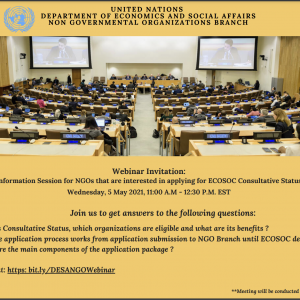
Last day to apply for Consultative status on June 1


The event will be held on-line on 5 May 2021 at 11am (New York Time) and will be conducted in English.


The NGO Branch is pleased to invite interested NGOs to an informational session about the application process for ECOSOC consultative status. 


The meeting will provide answers to the following questions:

  • What is Consultative Status, which organizations are eligible and what are its benefits?
  • How the entire application process works since the application is submitted to the NGO Branch until ECOSOC makes its decision?
  • What are the main components of the application package?

After the presentation, the floor will be open to answer questions from participants. Such questions may be raised either by chat or by requesting the floor using the Raise my Hand option.


In order to attend to the webinar kindly click here and fill out the registration form; a confirmation e-mail will follow at a later stage with the instructions on how to log into the event.


Interested NGOs that do not have ECOSOC Consultative Status can register at: https://bit.ly/2NPGHfI 


Webinar Details: https://bit.ly/2PqdHfc 


Webinar Flyer: http://bit.ly/DESAflyer