The Festival provides women of Asian origin with a platform to display their creativity in different genres. 72 films from 19 countries were screened.
Debasrita Chakraborty
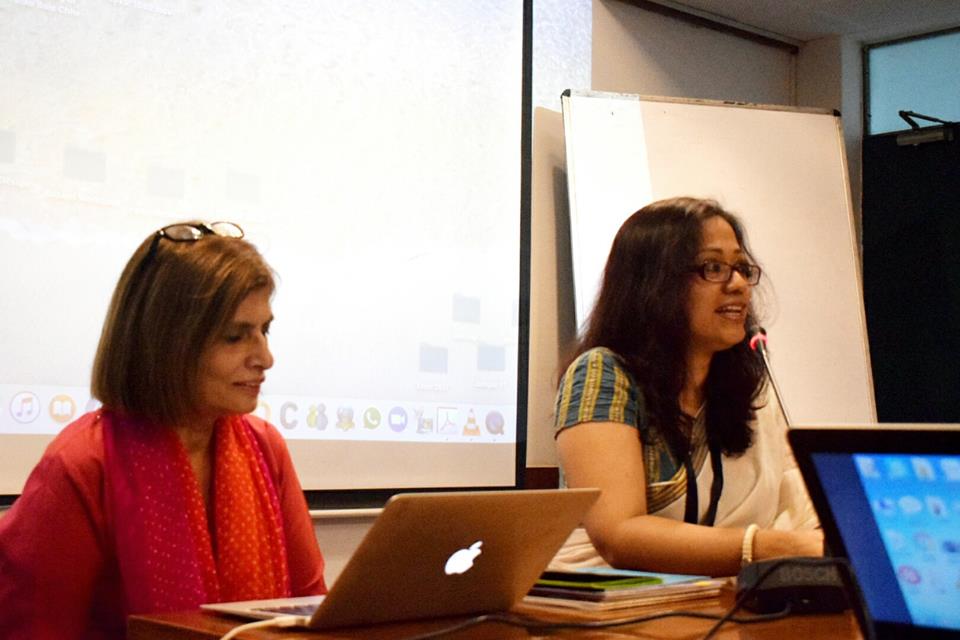
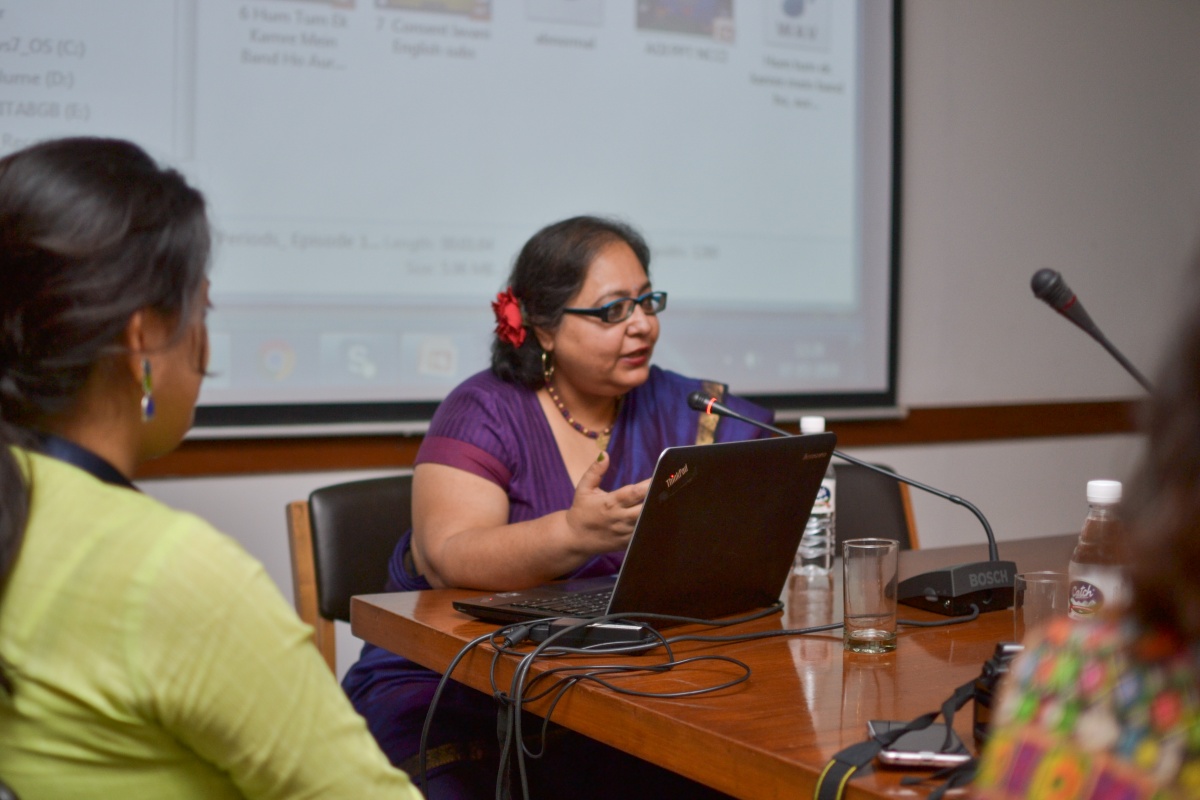
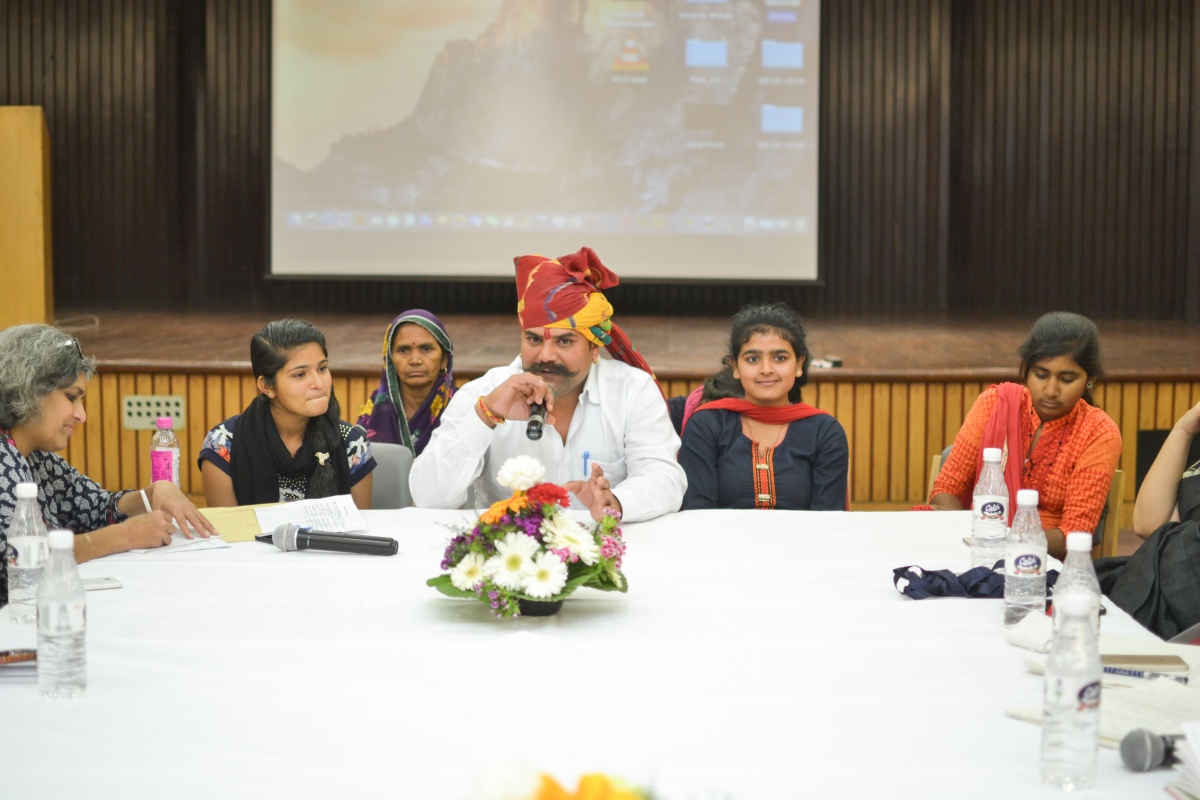
Besides the annual film screenings held at the India International Centre, New Delhi. seminars, discussions, and workshops are also a big part of the festival. More importantly, this platform makes space for the ‘feminist perspective’ in conversations and discussions around the different films screened and other social issues. Today, this festival has become an important event in the cultural calendar, it is socially relevant and unique as it provides a platform that transcends boundaries.
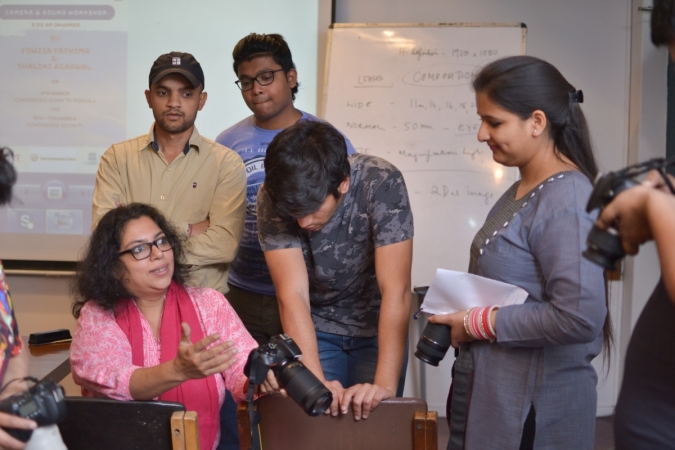
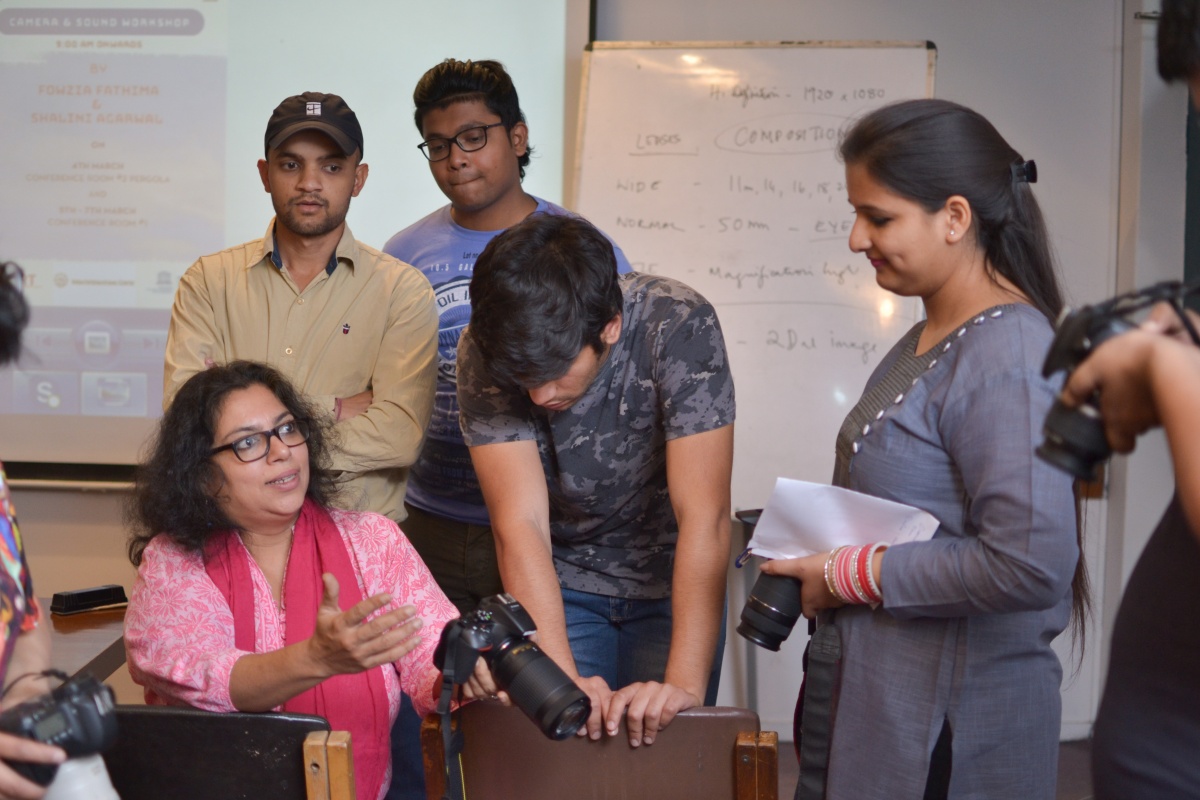
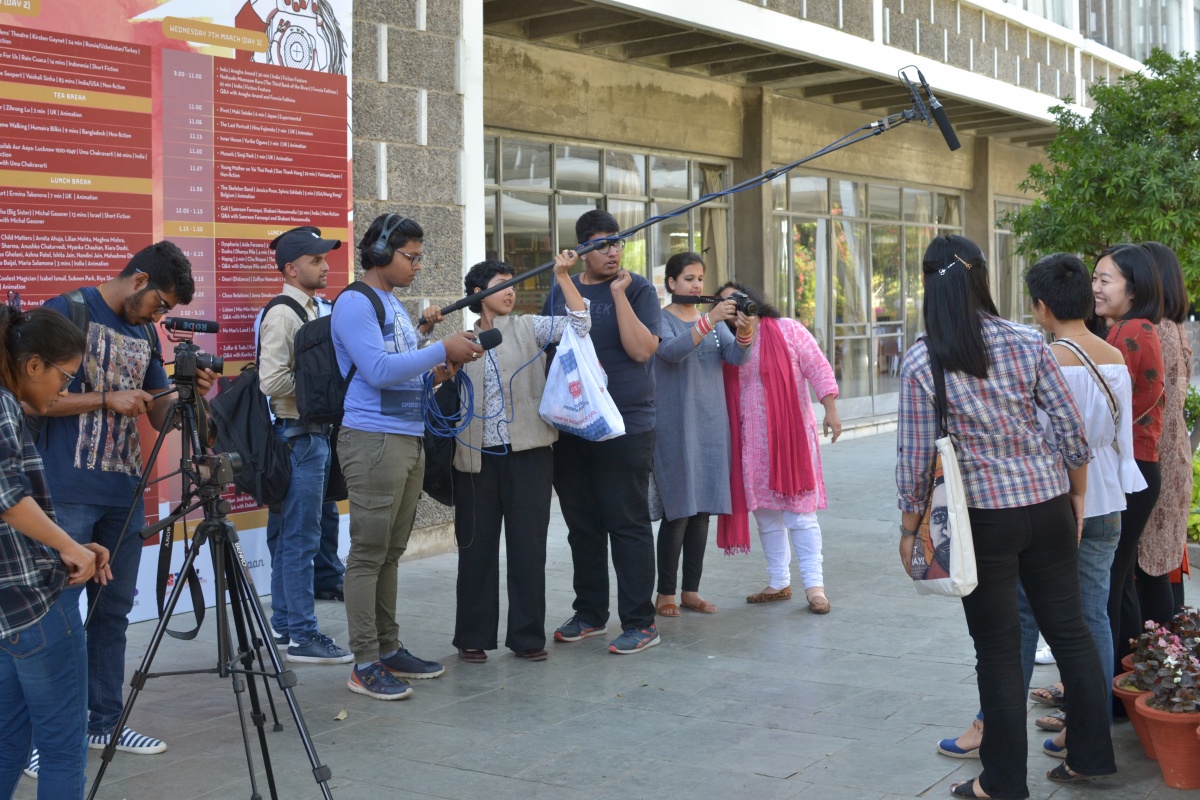
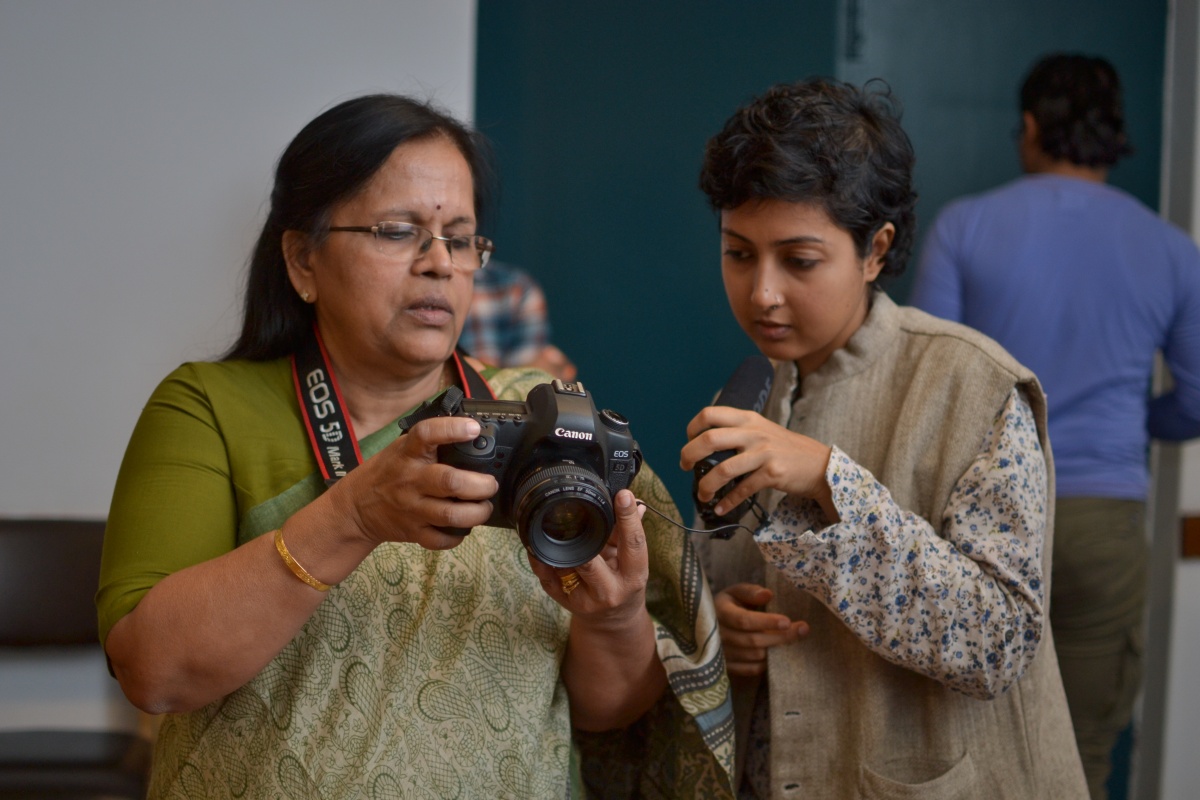
A four day long camera and sound workshop was conducted by Fowzia Fathima, Shalini Agarwal from March 4, with an orientation on aesthetics of handling a camera and techniques of sound design.
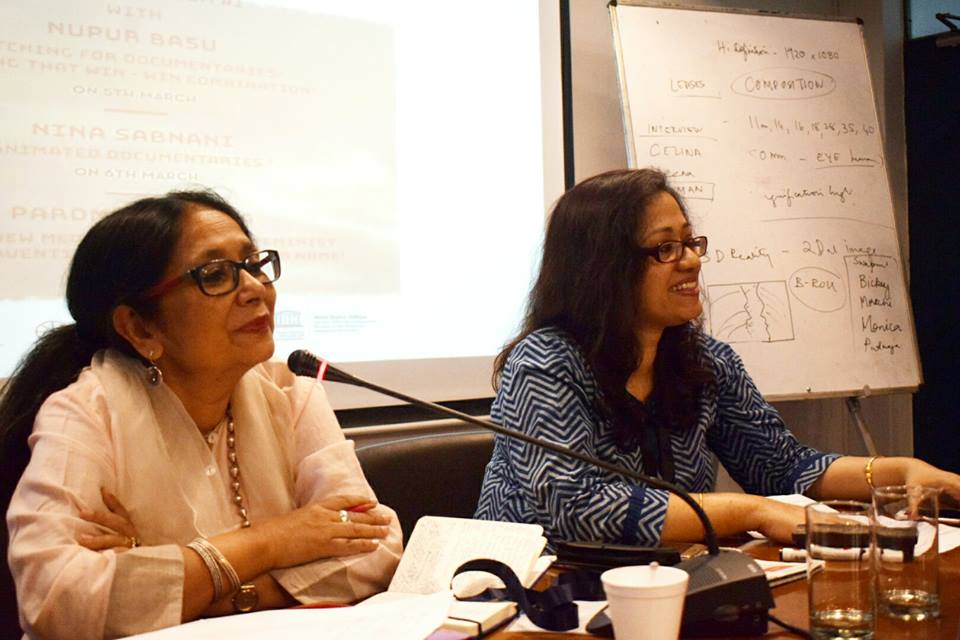
This year ‘Filmy Adda’ sessions were introduced at the festival. The first fillmy Adda was with Nupur Basu on ‘Pitching for Documentaries – Getting that win-win combination’ followed by a session with Nina Sabnani on ‘Animated Documentaries’ on the second day of the festival and the last Adda session was with Paromita Vohra on ‘Use of New Media for making a feminist art intervention to give sex a good name’.
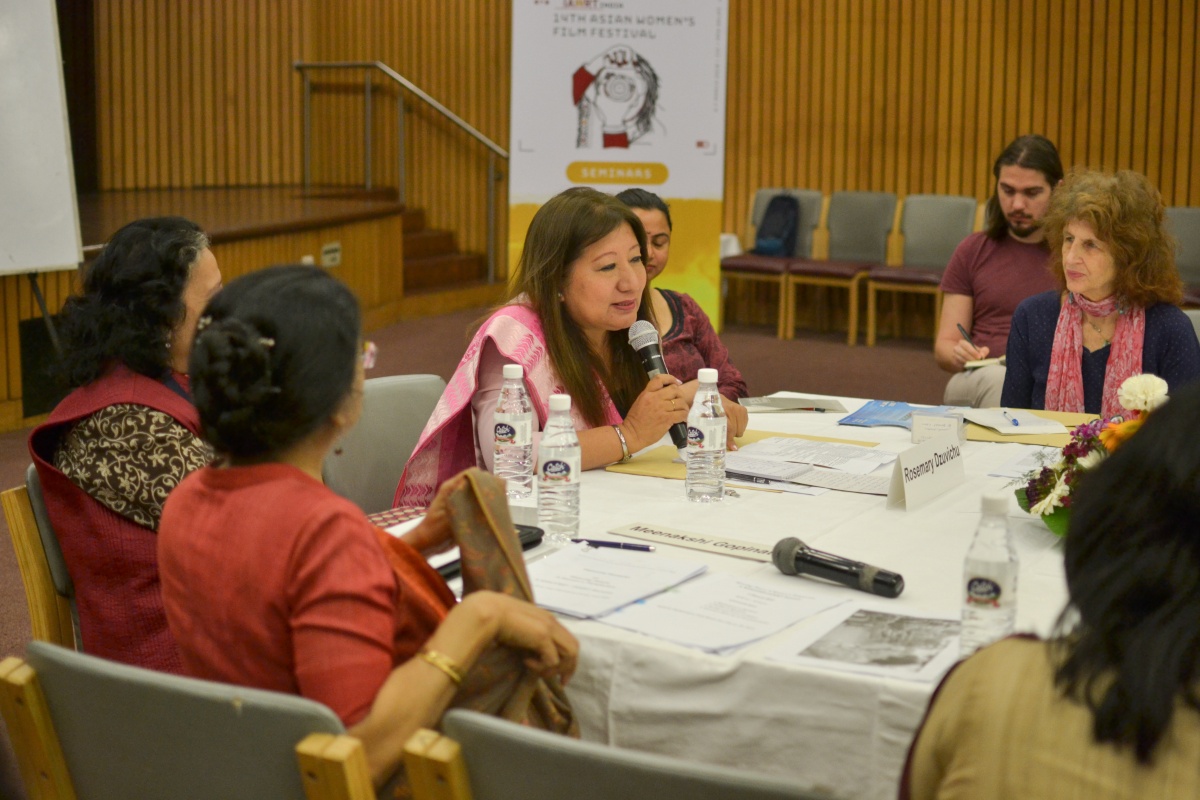
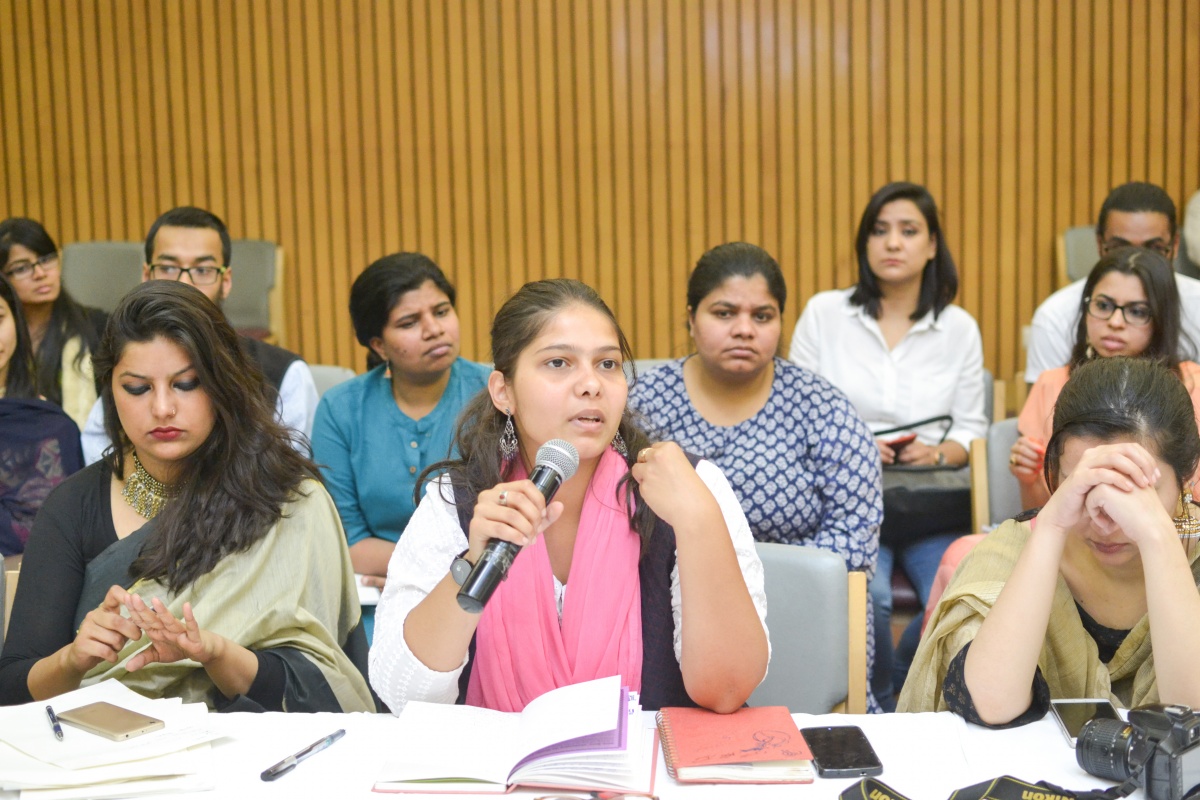
Two engaging seminars were also organised – ‘Weaving Peace’ – A Women’s Perspective seminar on contemporary issues and challenges. Meenakshi Gopinath was in conversation with Lubna Sayed Quadir, Rosemary Dzuvichu, Sumona Dasgupta. The second seminar was titled ‘Voice Studio’ – A dialogue among youth to explore ways toward a democratic discourse’. Young leaders across India took part in this session and shared their stories. Women’s rights activist and documentary filmmaker Vani Subramaniam was in conversation with Prajakta Shete, Shirisha Vepoor, Lubna Irfan, Sabika Abbas Naqvi ,Ushasi Pal, Satarupa Chakraborty, Suresh Gothra (Sarpanch- head of a Panchayat) and young ladies from Rewari (Haryana,India) – Sujata, Ekta, Nikita, Pakhi, Tannu, Usha Chauhan.
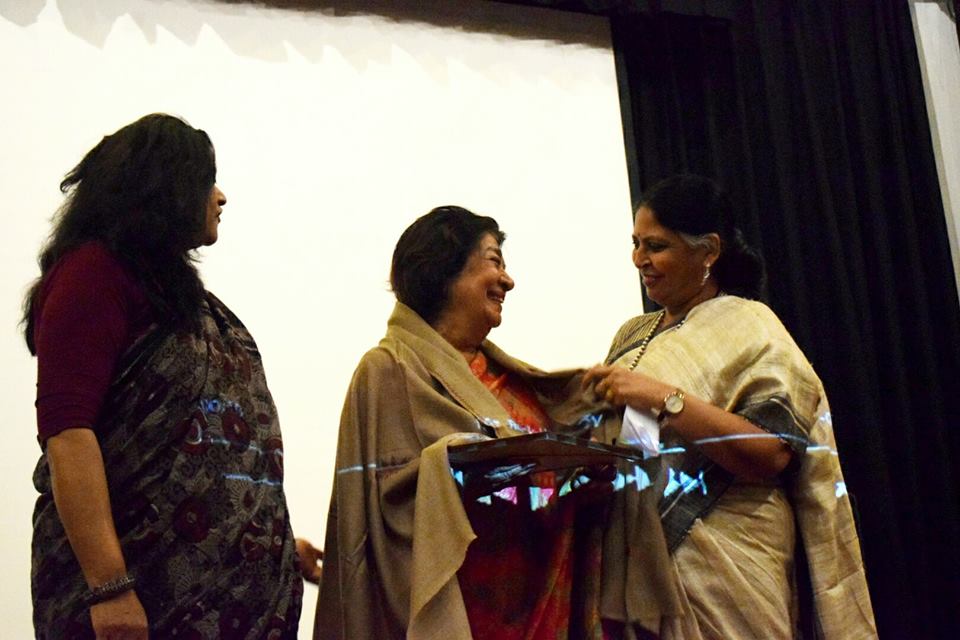
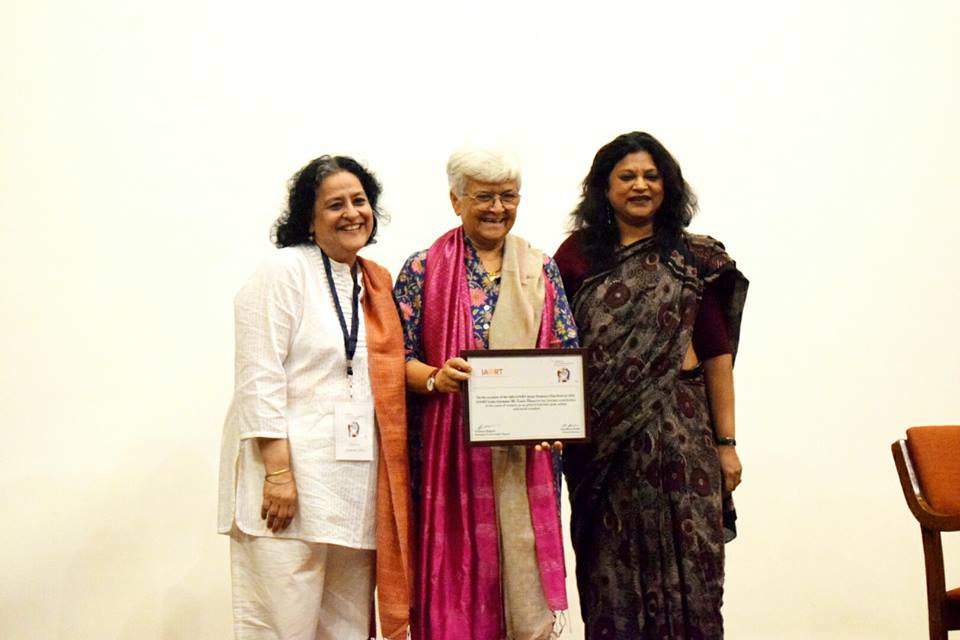
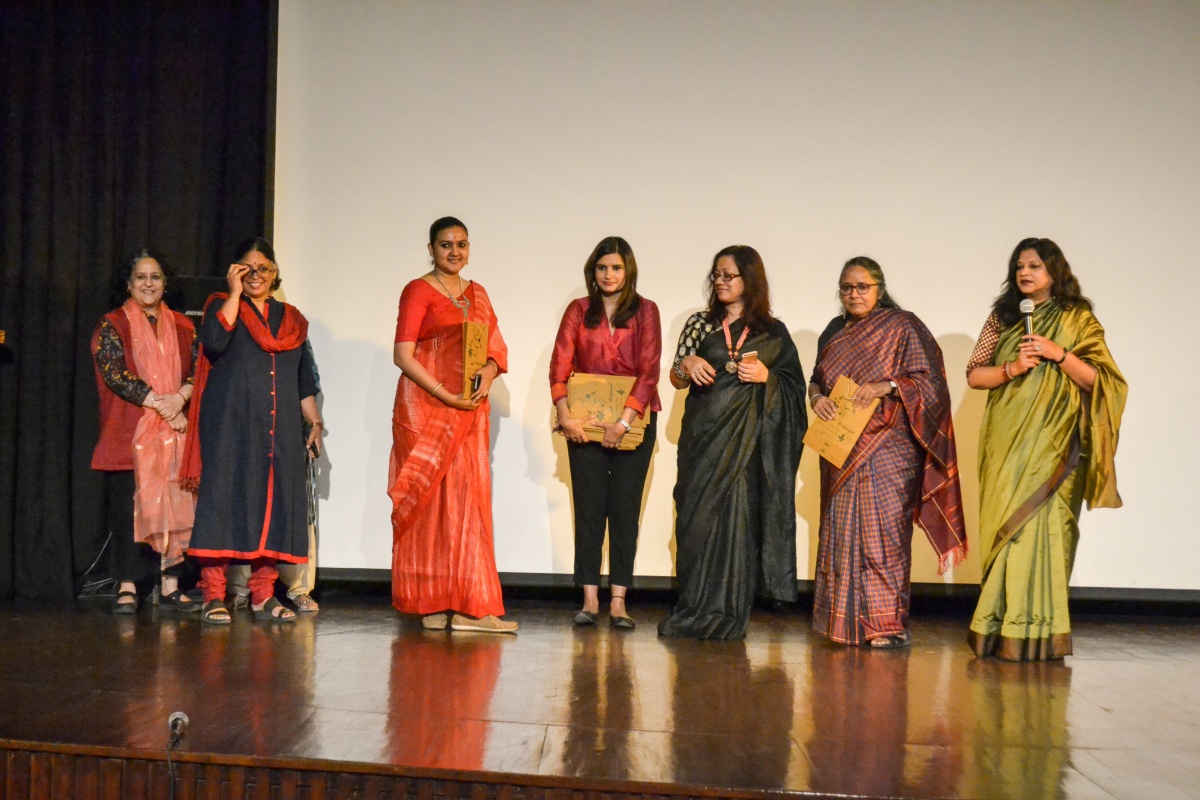
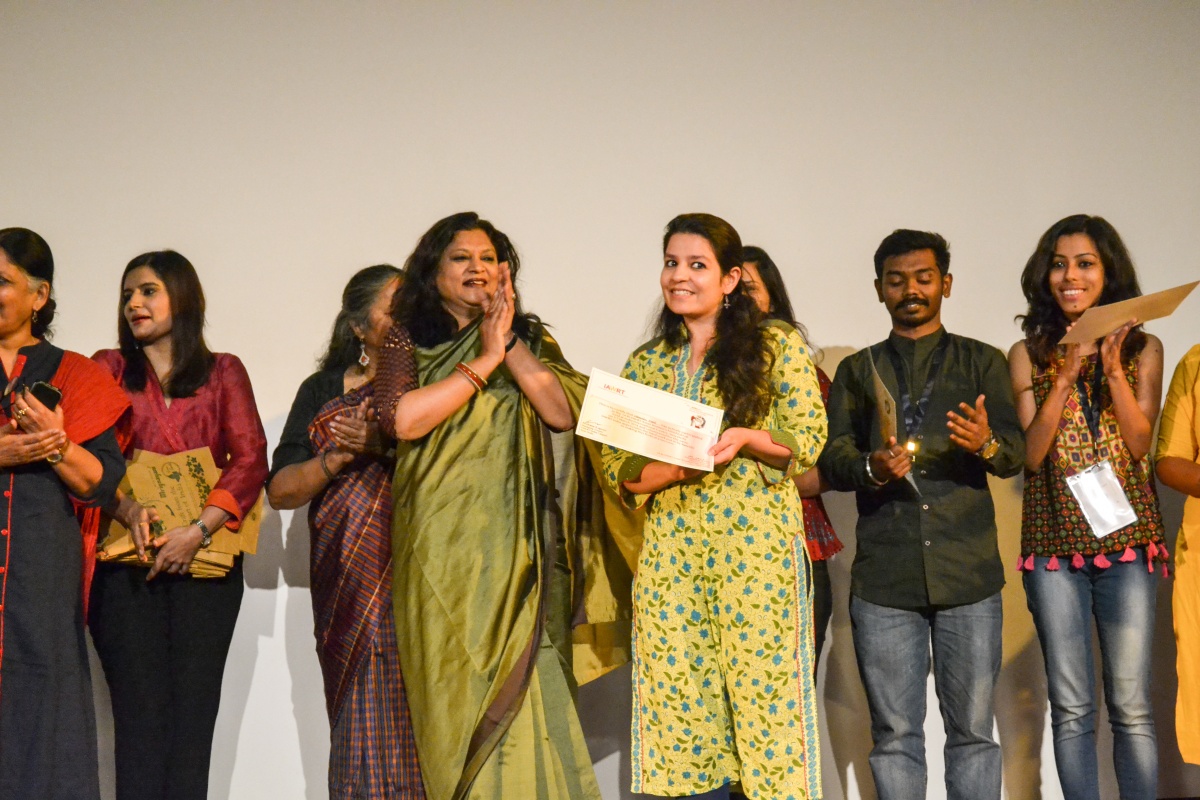
Eminent scholar of Asian Cinema Aruna Vasudev, leading scholar of classical Indian dance, Indian art and architecture Dr. Kapila Vyatsayan and Indian developmental feminist activist, poet, author and social scientist Kamla Bhasin were felicitated on the opening night of the festival.
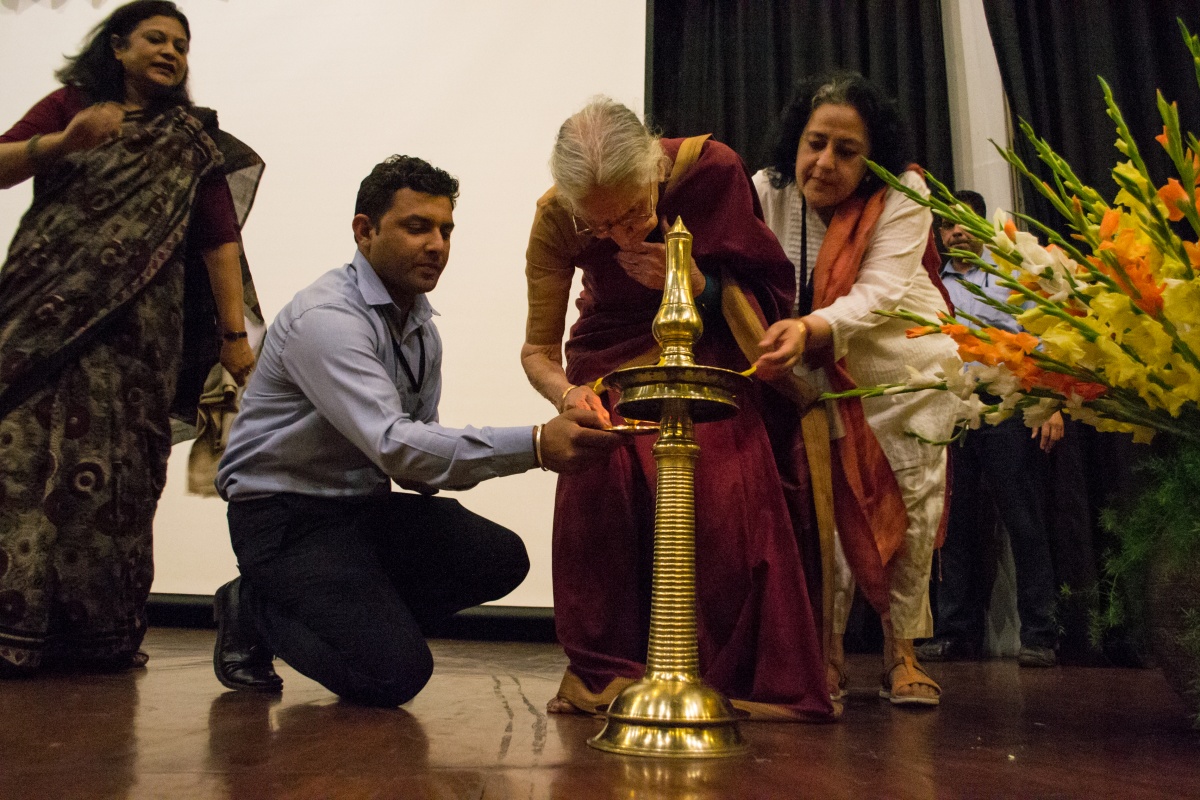
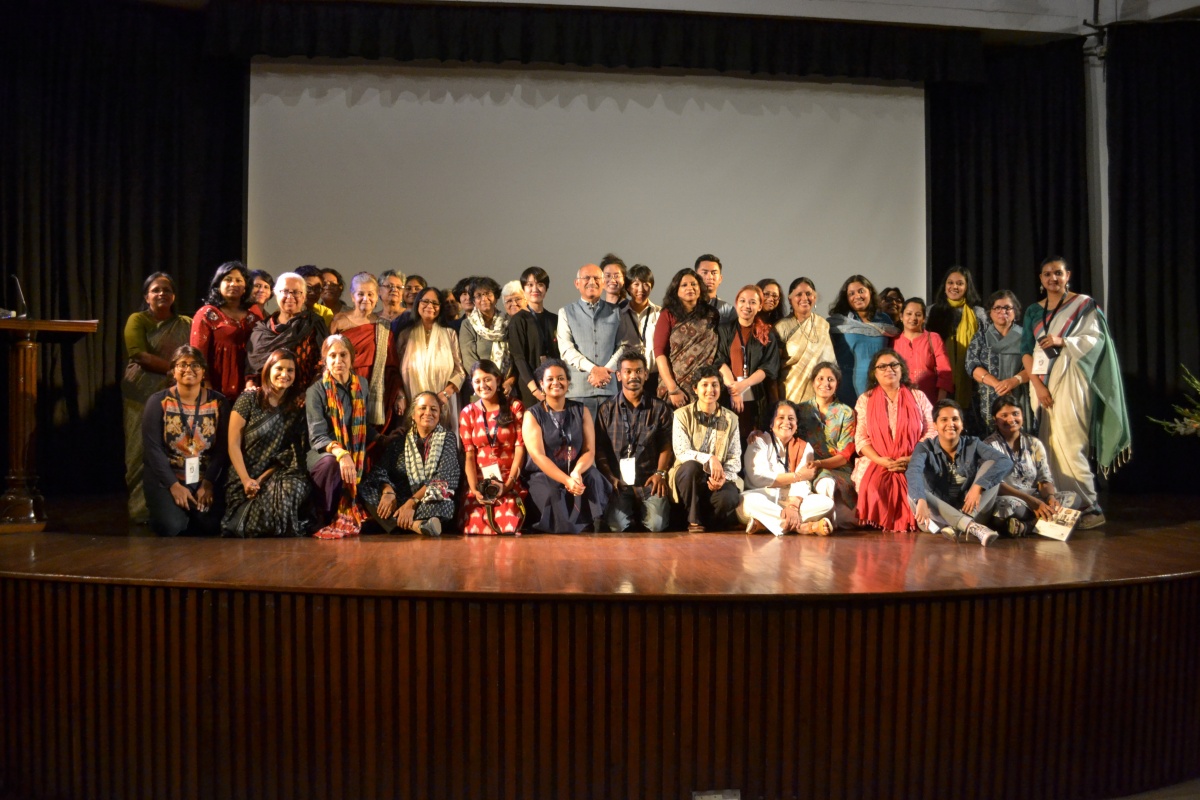
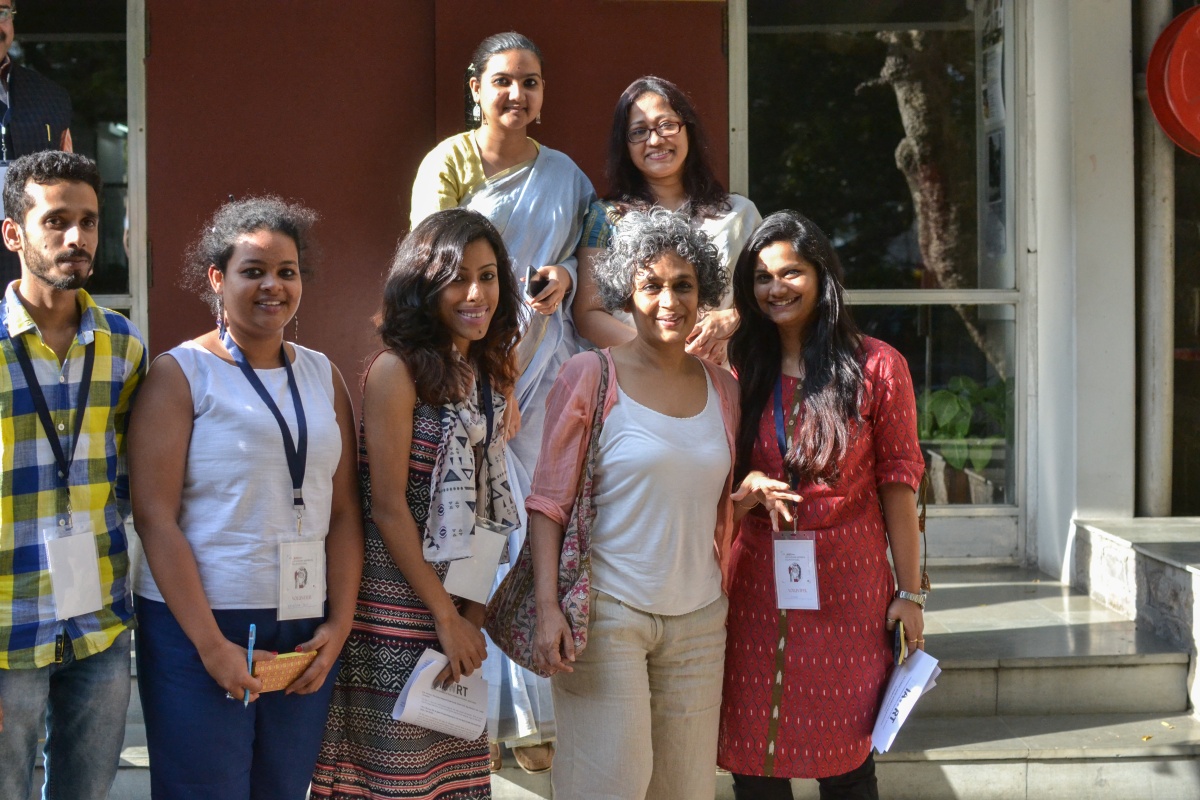
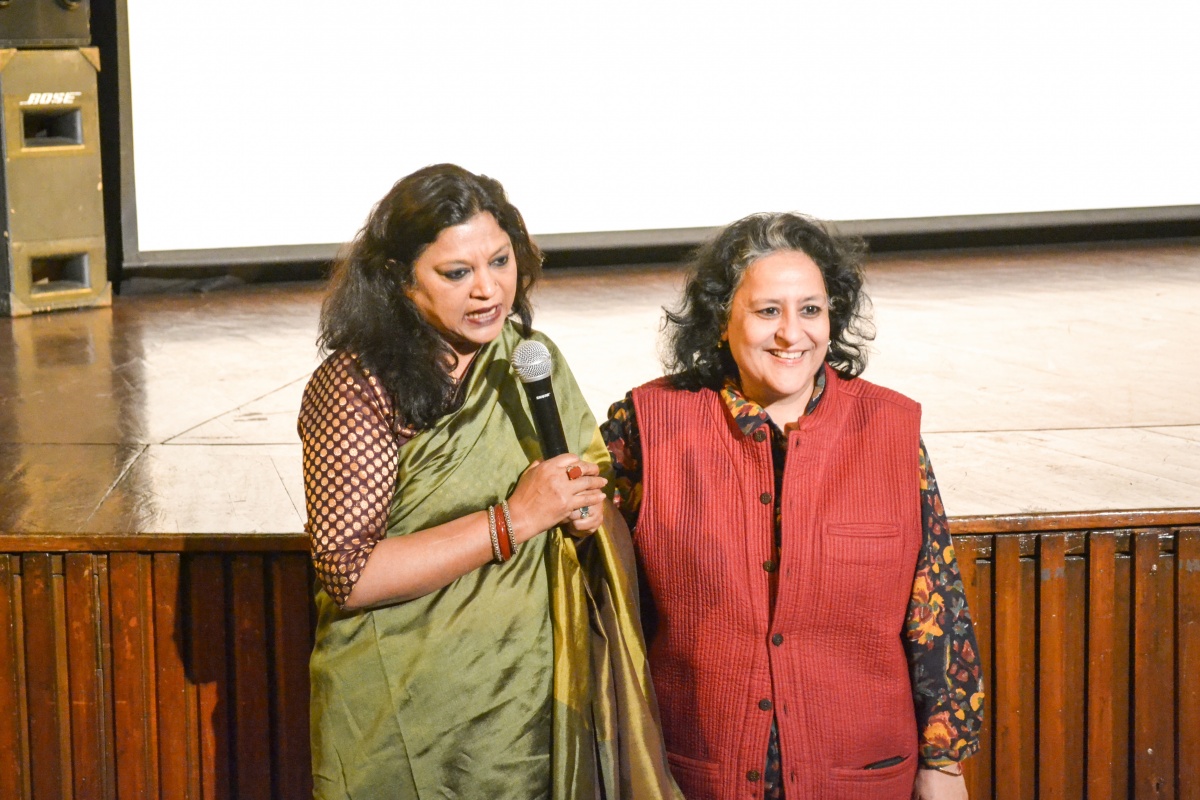
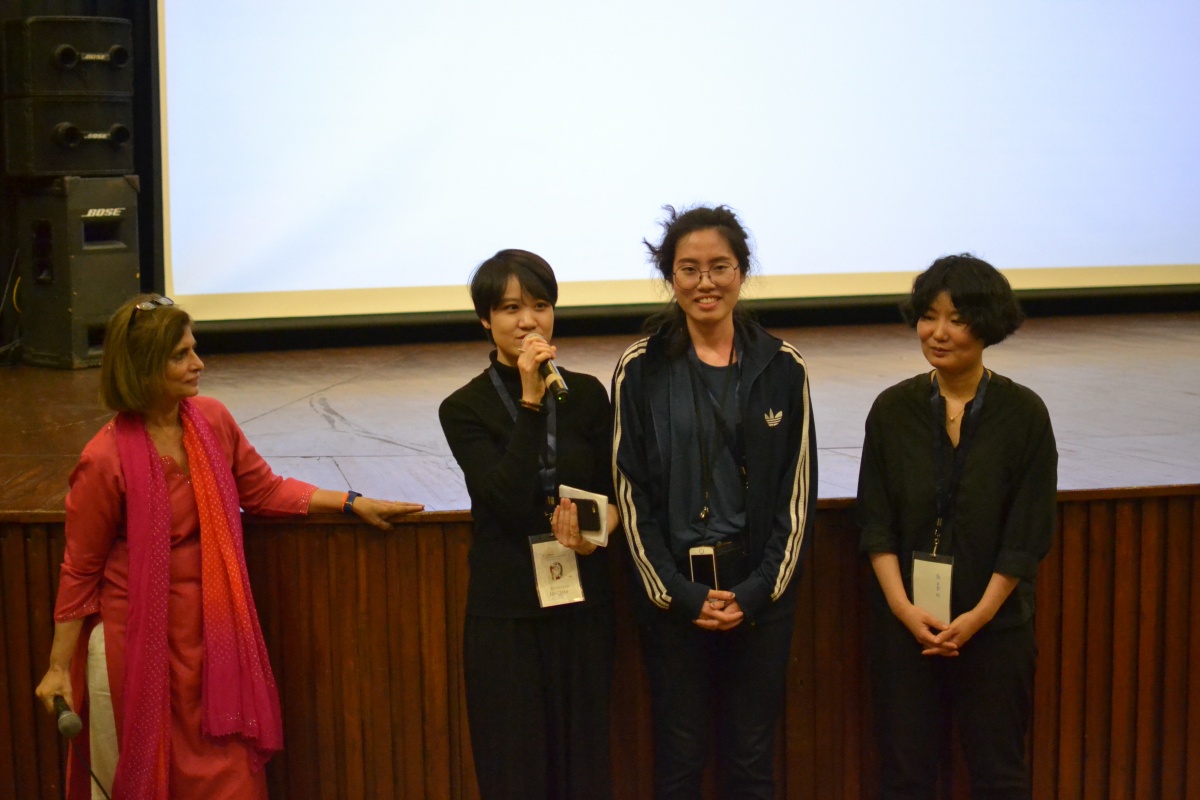
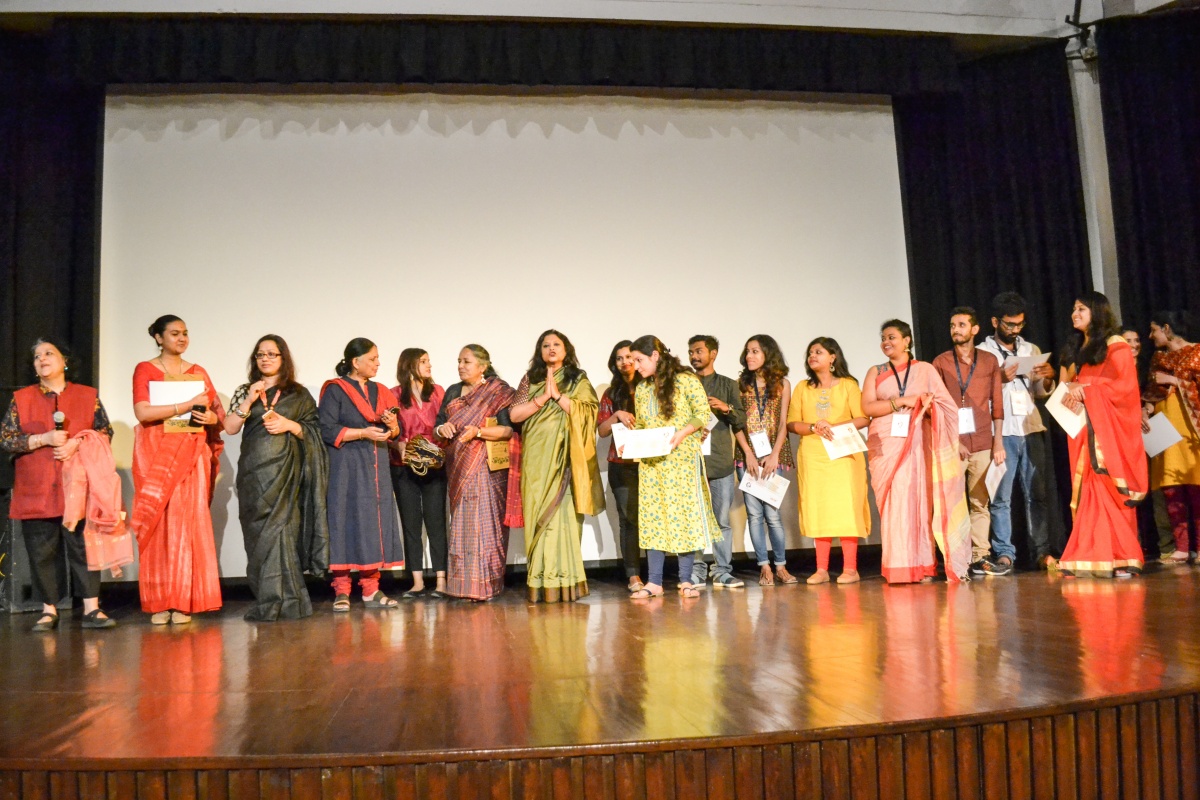
The traditional group picture at the inaugural function of the 14th Asian Women’s Film Festival. IAWRT Trustees, Members, Supporters, Volunteers in a single frame. and student volunteers from Visva-Bharati University, Santiniketan, with Man Booker Prize winner, author Arundhati Roy at the Festival.Lastly, festival directorAradhana Kohli Kapur and Managing Trustee-IAWRT India, Archana Kapoor in a frame.
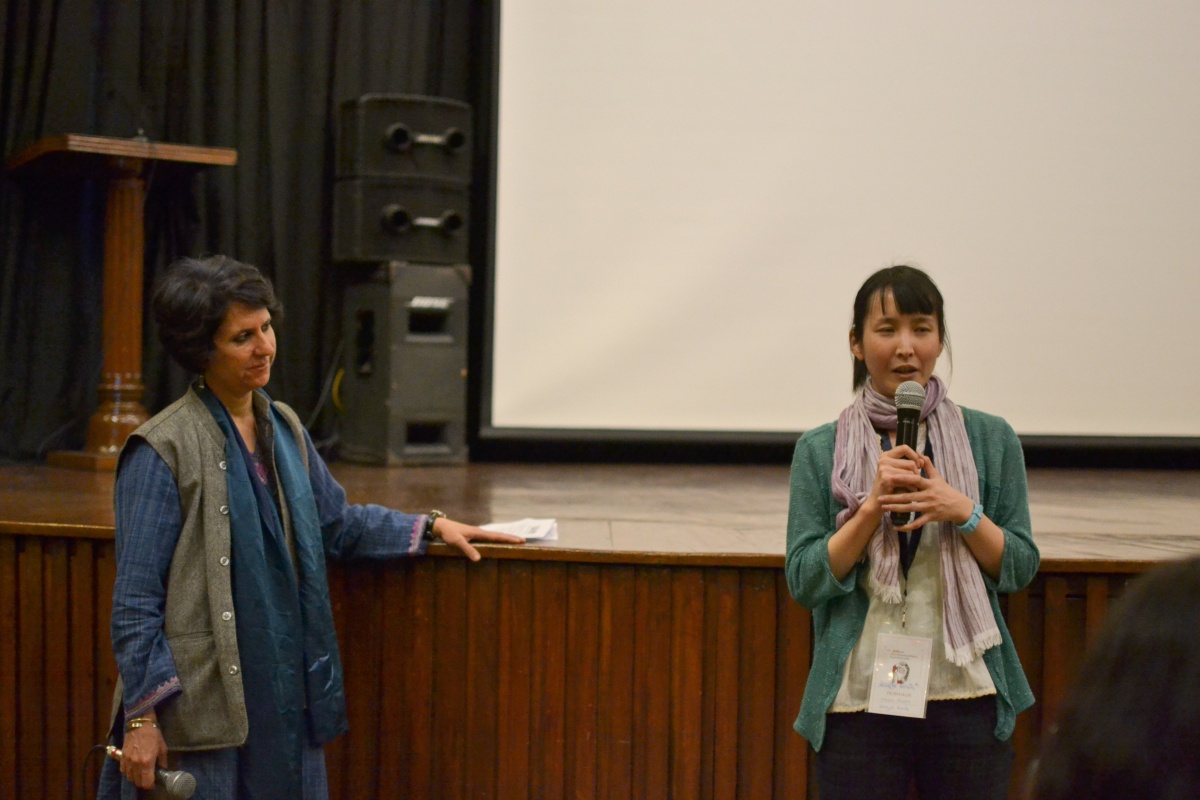
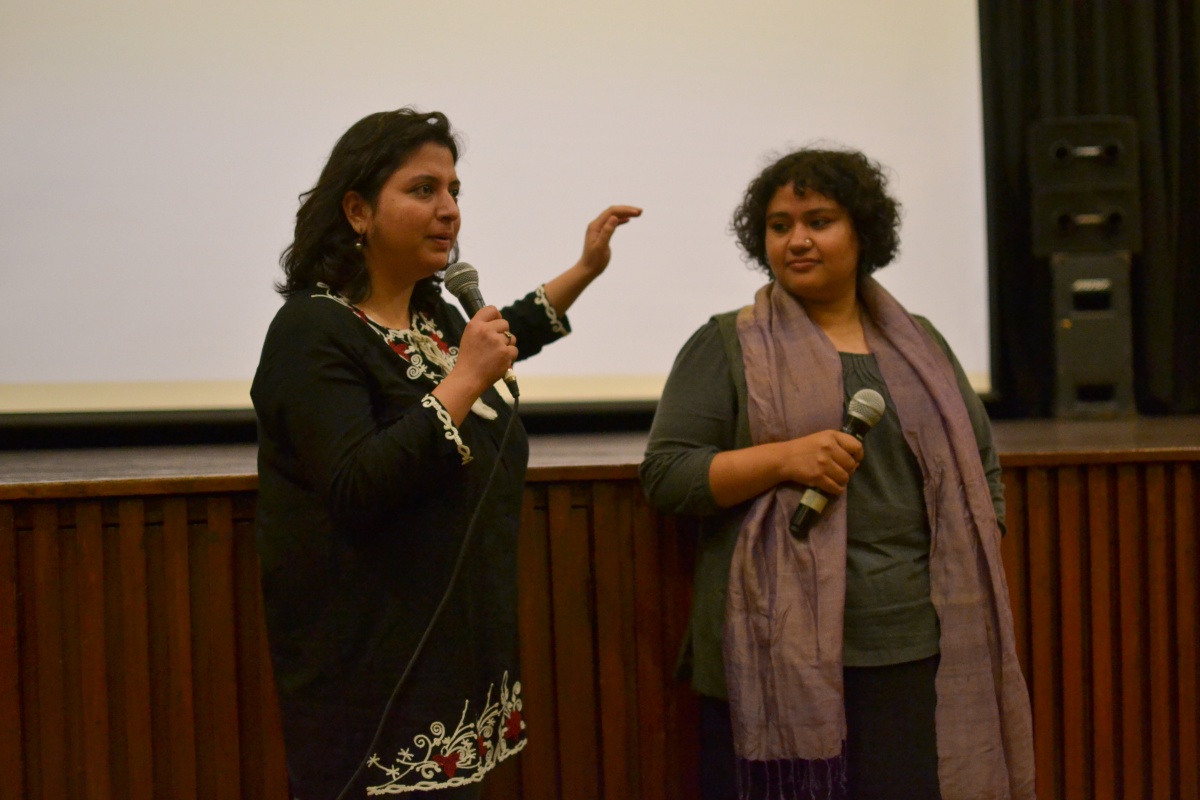
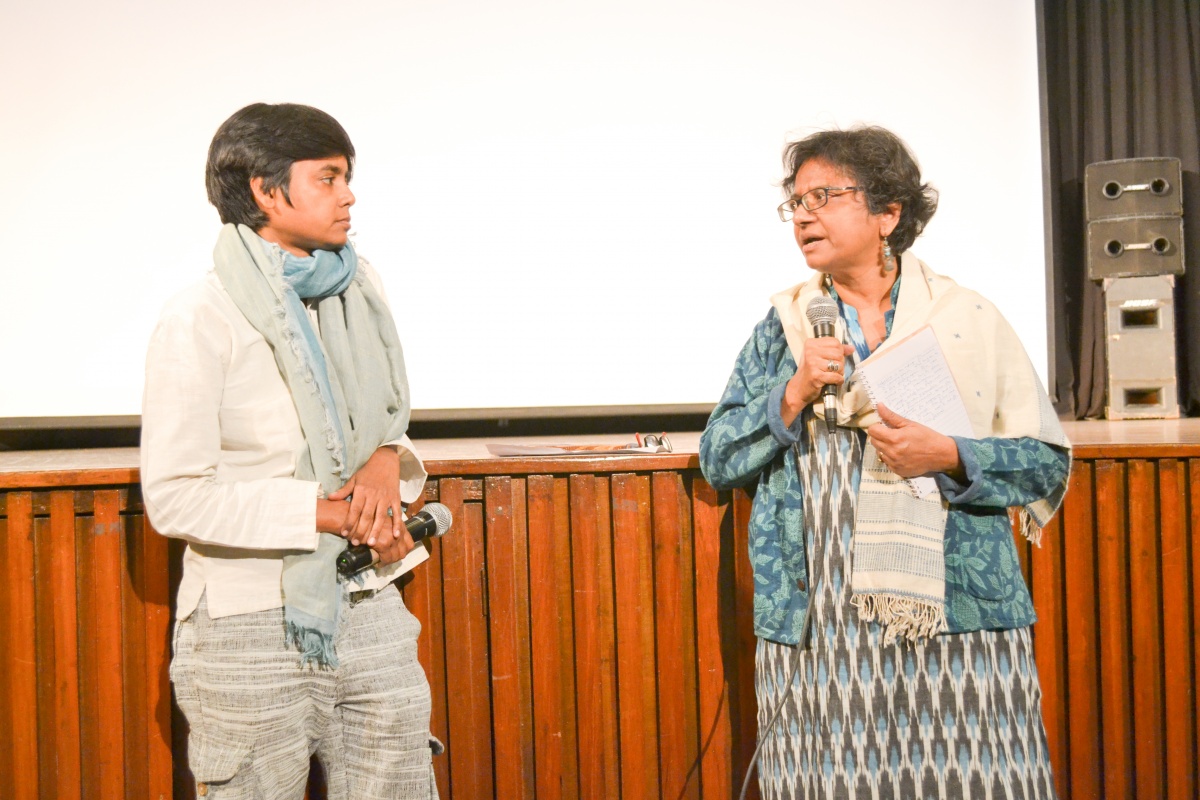
Interactive sessions with film-makers and curators from different countries.
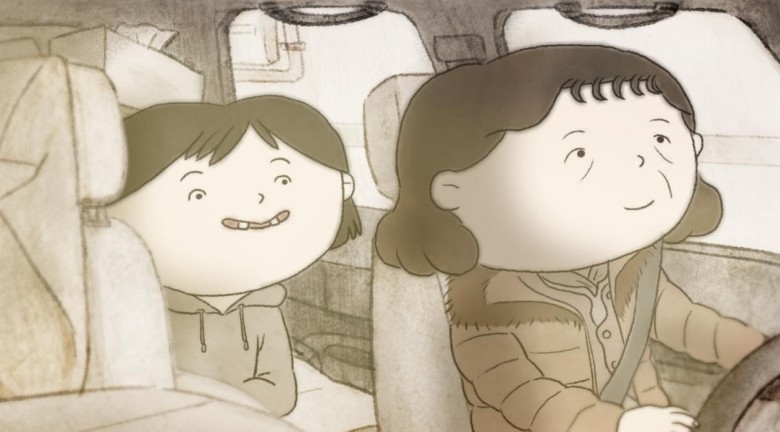
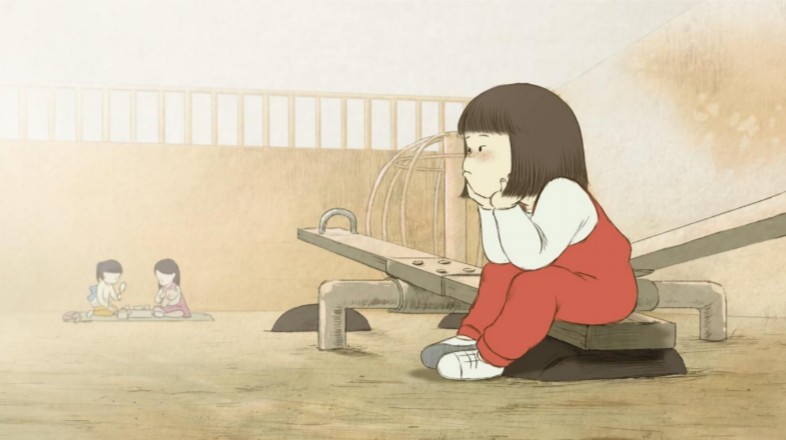
Animation stills from the Korean Package. and the closing ceremony of the 14th edition of IAWRT Asian Women ‘s Film Festival.
https://iawrt.org/wp-content/uploads/2018/03/DSC_0059-5.jpg8001200i.debasrita_992http://iawrt.org/wp-content/uploads/2021/11/logo.pngi.debasrita_9922018-03-13 19:59:162018-03-13 19:59:1614th Asian Women’s Film Festival
A major form of infotainment raising issues of social stigma
Debasrita Chakraborty
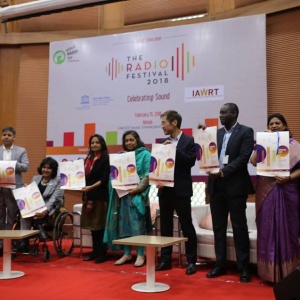
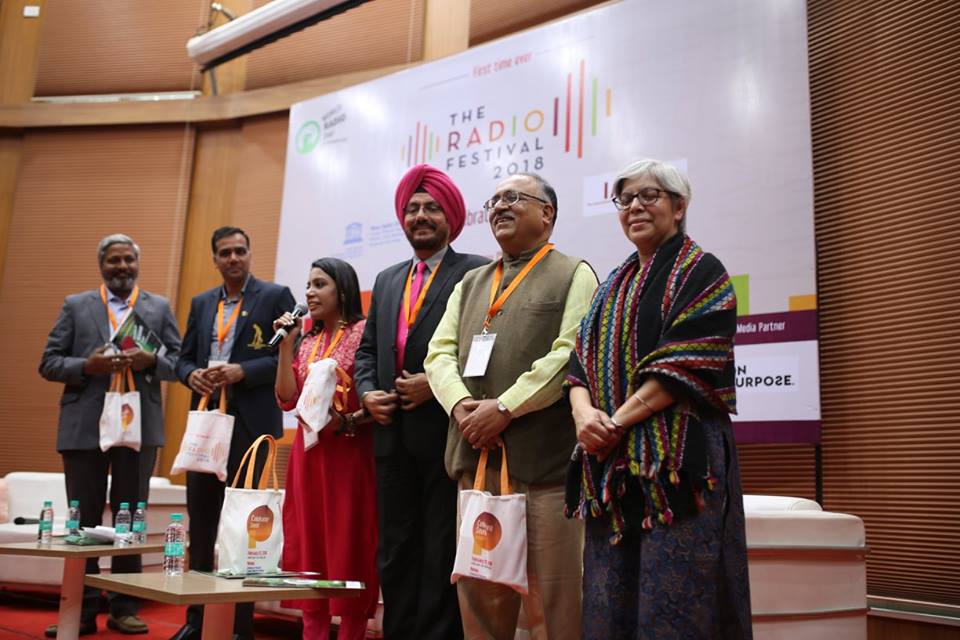
“Radio is nostalgia”, said Ms. Basudha Banerji, Programme Executive, AIR (All India Radio) at the Radio Festival to celebrate World Radio Day 2018 at UNESCO house, New Delhi.
It was organised on February 13, 2018, by the International Association of Women in Radio and Television (IAWRT) in collaboration with UNESCO. It brought together the three main tiers of broadcasting – public, private, and community along with independent podcasters.
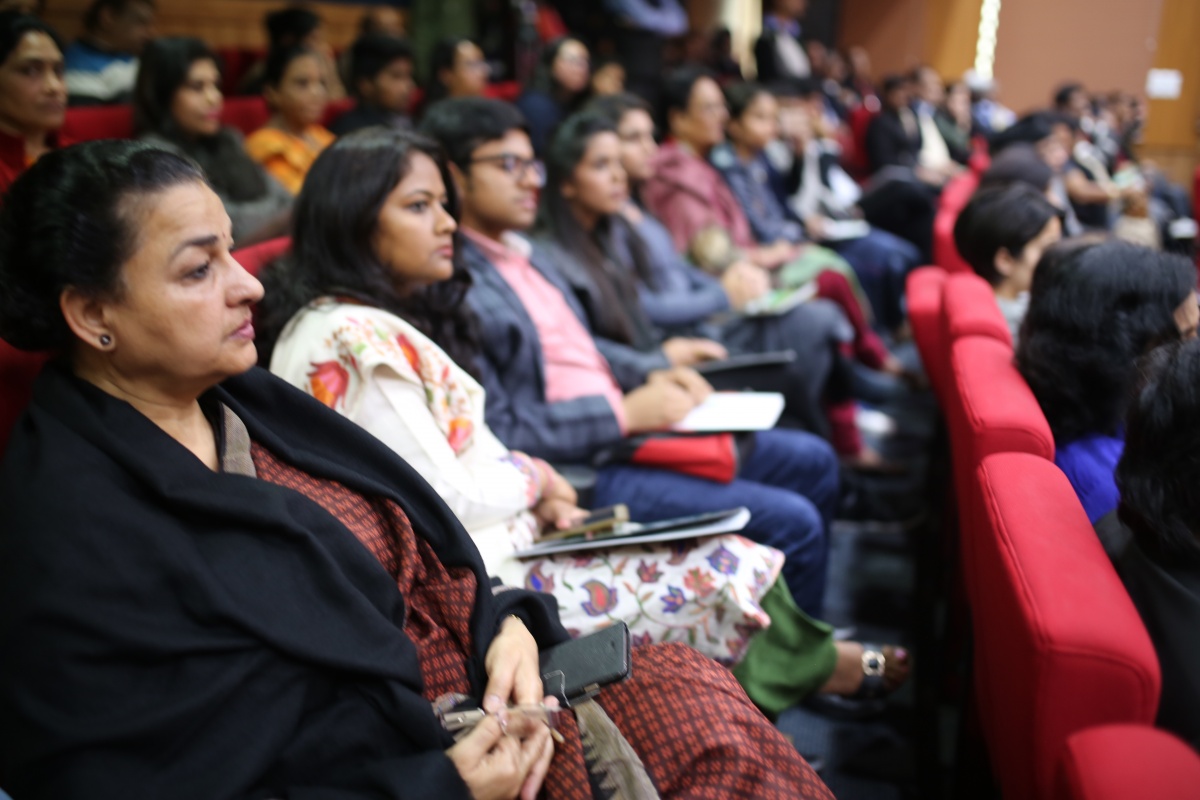
Well-known voices from the Indian Ministry of Information and Broadcasting, All India Radio (AIR), private FM, community radios, along with stakeholders from the Industry, and people from the NGO Sector attended the daylong festival.
The festival was described as “a unique and inclusive forum of radio, podcasters, and others engaged in digital audio offerings, which created an opportunity to showcase and share the experiences, technology, innovation, and plans for the future ” by one of the initiators of the event – Archana Kapoor, Managing Trustee of the Radio Festival and community media broadcaster.
The concept of celebrating the power of sound and gathering the different voices in one platform was a joint initiative involving herself and Pinky Chandran, radio practitioner and communication expert, and independent media consultant Rukmini Vemraju.
Mr.Al-Amin Yusuph, Advisor (Communication and information), UNESCO, New Delhi, described the “The radio festival is a very innovative idea for what is a democratising medium.
Radio was the first electronic gadget that played a prominent role in communication. Undoubtedly, it is one of the major media for broadcasting drama, stories, commentary programmes, sports news, educational programmes.
“It has a lot of impact as this is the first time all the three tiers of radio, public, community and private are on the same platform discussing the importance of changes in radio from various perspective. Moreover, they have pledged for further collaboration, which is a good thing in the media sector to tackle the difficulties they are facing.”
“For me radio is a platform for peaceful participation for the citizen in democratise discussions especially on development expressing their feelings, Desires, and concerns,” he added.
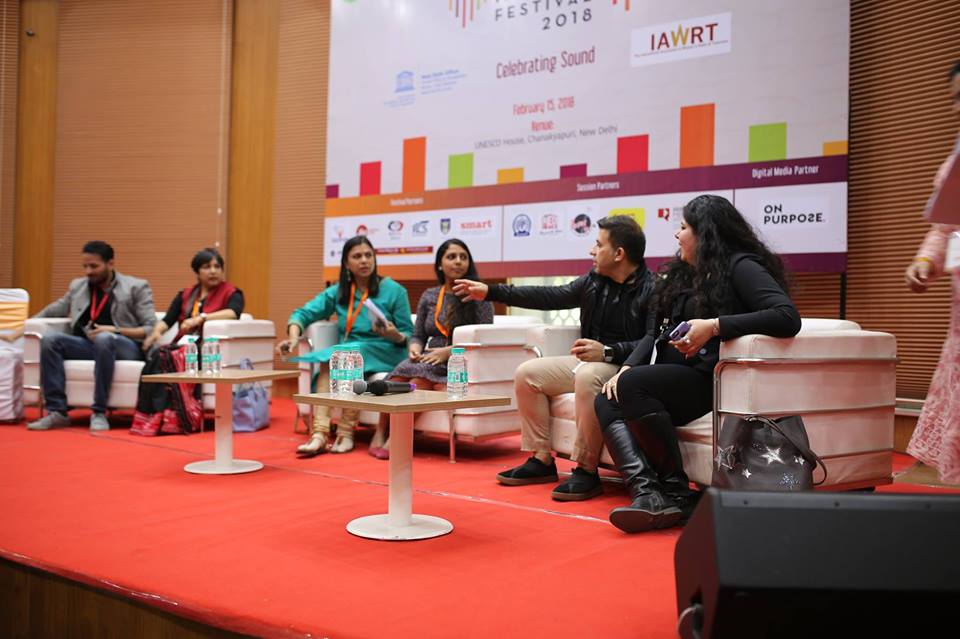
The highlights of the festival were the six interactive and demonstrative sessions on sports, importance of podcast in raising social issues, technology, musical journey of radio, impact on society through storytelling, media convergence, creativity, radio as a tool for infotainment and the role of radio to break the stereotype thoughts among people on domestic violence, and menstruation.
While speaking at the ‘Radio and Sports – Challenges and Opportunities’, Athlete Bhupender Singh said, “I once came across my father watching a sport match on television which was on mute and listening to the same match’s live commentary on the radio. This is the power of radio.”
Discussing social change through radio stories, RJ Sayema Rahman Radio Mirchi spoke about why she chooses to host a storytelling show on the radio in which she reads tales written by Saadat Hasan Manto and the relevance of his writings in today’s Indian social structure.
Talking about creativity RJ Sachin, Red FM said that creativity should be “simple and impactful.”
Ms. Aisha George, Executive Coordination of Hidden Pockets Collections elaborated the importance of podcast to bring out social issues in schools. Through a program titled pocket shala, she reaches out to the school students and teachers.
RJ Praveen spoke about how radio reaches to every nook and corner of the workplace.
Other interactive sessions were on different areas of radio, like sports, technology, the musical journey of radio, media convergence, creativity, radio as a tool for infotainment.
“Radio means almost everything to me,” Ms. Basudha Banerji, said, “When I joined radio in early 90’s, Doordarshan (ALL India TV) was a more glamorous cousin. I produce radio documentaries and features. I used to get many offers to join the television but I denied all saying, ‘the best picture is on the radio’. That is why I like radio storytelling.”
https://iawrt.org/wp-content/uploads/2018/03/photo-1.jpg300300i.debasrita_992http://iawrt.org/wp-content/uploads/2021/11/logo.pngi.debasrita_9922018-03-13 05:12:192018-03-13 05:12:19The best picture is on the radio.
Sheila Katzman,IAWRT- USA Chapter President one of 22 Champion of Change for 2018.
The 22 women and men are being honoured as Champions, as they “have made significant contributions to women’s empowerment and gender equality in their professional and personal lives.”
Introduced in October 2017, the Champions of Change campaign recognizes people who have made an impact on a wide range of issues, including women’s economic and political empowerment, gender-based violence, peace and security, and sexual and reproductive health and rights.
Katzman is a women’s rights advocate and media trainer, and is IAWRT’s main representative to the UN. She was a reporter for the Women’s International Newsgathering Service (WINGS) for 14 years.
She is currently the chair of NYC4CEDAW, a volunteer coalition of community organizations, international NGOs, city officials, professionals, and students who are working to push for laws and policies that advance equality for women and address all forms of gender discrimination. Under her leadership since 2014, NYC4CEDAW has made significant gains in pushing for equal pay for equal work, stopping violence against women and girls (including domestic and intimate-partner violence), and health, education, and social services responsive to specific needs of women and girls.
Katzman, a drama and social radio practitioner, is also a artistic director of Ten Lanterns Transformative Theatre. Ten Lanterns conducts community workshops using theatre arts and drama processes as tools for change.
https://iawrt.org/wp-content/uploads/2018/03/Shiela-Katzman_0.jpg300300ilangq_727http://iawrt.org/wp-content/uploads/2021/11/logo.pngilangq_7272018-03-12 13:43:172018-03-12 13:43:17Sheila Katzman named UN Women Champion of Change
Journalist, Violet Gonda returns to Zimbabwe after 17 years in exile
Nonee Walsh
In August 2000, Violet Gonda left her home country to study for an MA in International Journalism in London. She expected it would be for one year. However, she was to spend the next 17 years in exile as a result of being banned from returning to Zimbabwe by President Robert Mugabe’s regime.
But she found that her media work in exile meant that she was not a stranger to many Zimbabweans.
In January this year (2018) she was able to return home because the unthinkable had happened. After being in power for 37 years, 93-year-old Robert Mugabe was finally forced to resign. “It happened so fast. I never thought this day would come. I had spent almost two decades exposing Mugabe’s excesses but when he was finally removed from power, I was in the Philippines at the IAWRT Biennial conference” Violet said.
In 2017 Violet closely followed Robert Mugabe’s departure and pondered Zimbabwe’s future.
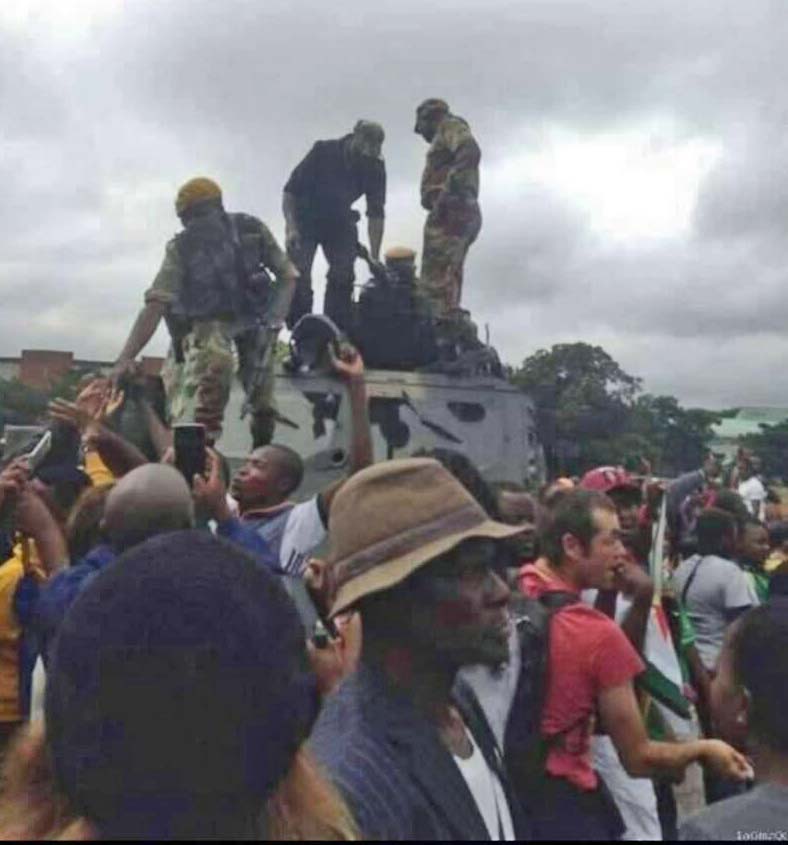
“I had spent almost two decades exposing Mugabe’s excesses but when he was finally removed from power, I was far away in the Philippines.” I was glued to my phone and tweeting like crazy as we watched via social media a ‘soft coup’ unfold. With little news coming from the state broadcaster, people took to social media platforms to air their views as the tug of war between Mugabe and the military continued. It was dramatic. And was the politest coup ever. Despite being surrounded by the military, Mugabe still refused to resign and was even allowed to pose for pictures with the service chiefs and capped students at the University of Zimbabwe graduation ceremony.
On November 18th the unthinkable happened. Mugabe was shown the ‘red card’ by unlikely allies – civilians and soldiers, who have in the past brutalised the population to keep Mugabe in power. Such was the euphoria, that social media was awash with pictures of ordinary people embracing members of the military in an outpouring of elation at Mugabe’s demise.
Newspaper mogul Trevor Ncube tweeted: “Dear world, we are fully aware of the possible risks and pitfalls beyond this tipping point. We are confident we are equal to the challenges. We remember Egypt too. After 37 years of repression, allow us to soak in this moment. Sincerely, #Zimbabwe.”
Still, Mugabe refused to step down, but pressure continued to mount on him and he was stripped of his leadership positions in the ruling party. His wife, ‘Gucci’ Grace and their G40 faction were booted out of the ZANUUPF party. He even read a speech surrounded by the same military…. And he still refused to resign. It was only on November 21st when the parliament of Zimbabwe moved to impeach him that he finally submitted his resignation letter.
Mugabe was removed from power by the same ruling party and military that had declared he would be life president, with his wife stating that even if he died people would still vote for his decomposing body!
In one of the ironies of this story, she was elected President of this organisation in the same week, having been a valued member since 1997.
Violet was already an activist for media freedom when she left Zimbabwe in 2000, she worked for a video/film production company, which produced political documentaries which would not be broadcast on the heavily censored Zimbabwean Broadcasting Corporation (ZBC). At Edwina Spicer Productions, the team travelled out to villages for community showings and began monitoring the ethical standards of Zimbabwe’s media. This was the start of the Media Monitoring Project of Zimbabwe (MMPZ)
Within a year or so, Mugabe’s media crackdown intensified, with intimidation of journalists, arrests and beatings leading to her colleague, Gerry Jackson, relocating to London, where SW Radio Africa was set up to broadcast back into Zimbabwe in December 2001.
Violet became one of the six journalists at the radio station which covered the ongoing political and economic crisis in Zimbabwe. Their broadcasts telling the stories of the oppression of Zimbabweans, in defiance of the extreme censorship of Mugabe, led to all six being barred from returning.
Those broadcasts about protests and attacks by ruling party supporters or the military on supporters of the then opposition led by Morgan Tsvangirai, were virtually the only news Zimbabweans heard about what was really happening. “It was so hard listeningthe stories of rape and torture and killings told by the people brave enough to call us” she says. Audio report about Violet and SW Radio broadcasts in 2005.
Violet returns to Zimbabwe
At the beginning of this year she arrived at Harare Airport. “It was an emotional homecoming. As I arrived at the airport I felt like a stranger. I had to show my British Passport.” Her Zimbabwean passport is yet to be renewed. Despite the freedom of being able to return to see her extended family, she bore the weight of loss, but found an unexpected intimacy with strangers, with a little irony thrown into the mix. pic:reunited with her first boss Edwina Spicer in Harare
Over the years in exile, Violet also had to bear the weight of guilt she felt over how much her reporting contributed to some of her family members being victimised. “Zimbabwe might be home” Violet says “but is also a land of painful separation and personal tragedy.” Ultimately, she says she must grapple with a place she calls home which has greatly changed in the last 17 years.
After SW Radio, Violet studied and worked for Voice of America – Studio 7 in Washington DC and was in demand internationally as an expert reporter on Zimbabwe’s political crisis, while in exile in the UK, the USA and South Africa. She also worked with a small group to launch 1st TV from South Africa. “This was a cheeky and highly successful short-term free-to-air television station that sought to bring accurate news and information to Zimbabweans in the 2013 election” she says.
She utilised social media such as Twitter, Facebook and YouTube, and recently set up web broadcasts on Hotseat with Violet Gonda, which features long form interviews as critical analysis of Zimbabwe as a country not returned to democracy.
So, she was no stranger to the immigration officer who viewed her British passport at Harare airport in January 2018.
“He immediately recognised me and said, ‘I hope you are not intending to produce journalism while you are here’, he sternly added, ‘because if you do, you must register with the government and get a license’. Of course not, I told him.” (The changing of the guard to President Emmerson Mnangagwa of the ruling ZANU-PF party has not led to the removal of a multitude of statutes hindering freedom of expression in the media).
In general, though Violet had hoped to lay low in Harare, and surprise her extended family, back in Mutare, Manicaland, in the Eastern Highlands of Zimbabwe. But it was not to be. “They found out I was back in the country when advertisements about a public debate programme I was going to launch was aired on television and radio,” An NGO supporting democratic process, known as the Zimbabwe Election Support Network (ZESN) had signed up Violet to host their ‘Making Elections Make Sense’ dialogue series for this election year and they were paying to advertise on ZBC.
Violet laughs about those advertisement being aired on ZBC – which she delights in referring to as “the Dead BC” – the local joke on how censorship makes it hardly worth listening to, or watching. “The irony of it was in the way the original ban on us returning to Zimbabwe was announced by ZBC “We were described as pirates and enemies of the state … and 17 years later the state controlled broadcaster actually is adverting , effectively announcing my return home!”
“All these years, I had no idea of the impact our broadcasts had. I was surprised by the welcome from total strangers. Even the man wrapping my baggage at the airport recognised my name from my SW Radio Africa days and welcomed me back.”
The streets, however, were not the same, they were full of potholes, and major corporations have deserted the city centre, while the elite retreat to leafy suburbs with armed guards at the doors of their shopping centres. “ATM’s can’t dispense more than 20-dollars a day, the once vibrant Zimbabwe middle class is nearing extinction.
“Zimbabwe is still beautiful, sadly the rich are getting richer and the poor are getting poorer.”
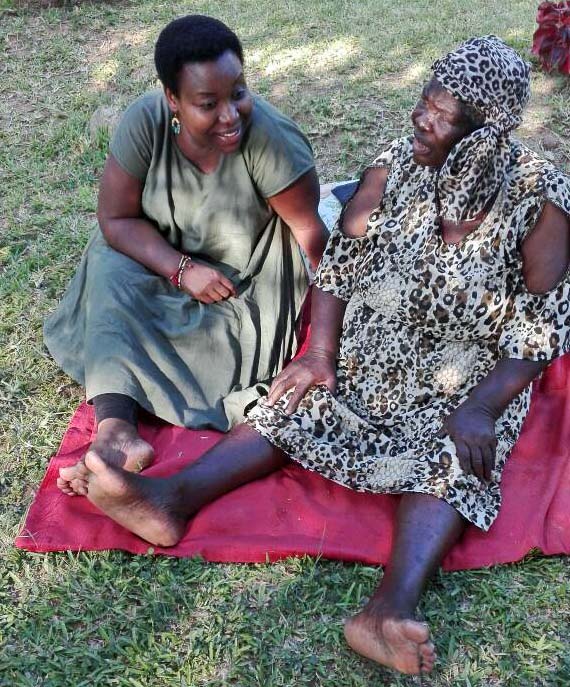
When she arrived home to Mutare after almost two decades to hug her grandmothers now in their 90’s, it seems they had also been doing a little advertising too. She relates the story of when the announcement of Robert Mugabe’s resignation came through, her paternal grandmother called a prayer meeting with the neighbours to give thanks. “She was crying and saying Mugabe is gone now. Vee (Nickname) can come home now. I will get to see my granddaughter before I die.”
Then she went to her maternal grandmother’s farm just outside Mutare. “It was a journey that was beautiful and painful at the same time as it included a visit to the graveyard where a line of deceased aunts and uncles who died lay. In my culture aunties and uncles are just like our parents, and I was not there for them.”
pics: reunited – maternal grandmother left and paternal right
“Robert Mugabe really robbed us, especially when it comes to family.”
Violet has now hosted two election discussions in Harare since January – on the elections and on the state of the parties and the prospect of credible fair elections. She has also moderated a panel discussion on the new president’s first 100 days.
The true test of this new government’s return to democracy will be seen in the level of tolerance shown, as journalists like Violet tackle critical issues on elections and highly sensitive political issues.
“I need to be home for multiple reasons: for my country, as a journalist, and for myself. For 17 years, I have only been able to visit home in my dreams. But I was watching history being made, via my mobile phone, in the Philippines. It was an extraordinary and exhilarating feeling, following those fast-moving events, yet not knowing how it would all turn out, and being a part of it”, she says.
“Clearly there was a lot more going on around the ‘soft-coup’, about which I can only guess. What private deals were being made that now affect my country’s future, and millions of Zimbabweans overseas?”
Was it a national revolution, or just ‘more of the same’ she asks?
Once in a phone interview, Mugabe’s spokesperson, George Charamba, threatened to shoot Violet for pressing him about media reforms. “So I want to test the levels of reforms and tolerance for an open media landscape. This is key for Zimbabwe’s democratic future, for a government working for all the people, not just the privileged few.”
Most of all, I want to see my relatives, and breathe the fresh air of home.”
https://iawrt.org/wp-content/uploads/2018/03/IMG-Violet-returns.jpg1012668Nonee Walshhttp://iawrt.org/wp-content/uploads/2021/11/logo.pngNonee Walsh2018-03-12 12:06:102018-03-12 12:06:10I Returned to my Country a Stranger
In celebration of International Women’s Day, the International Association of Women in Radio and Television – Philippines chapter will hold a forum that aims to promote a discussion between students and professional women in media.
“Women in Communication and Press Freedom: Forum on Courageous Women Seeking and Speaking the Truth in the Midst of Uncertainty,” will be held on March 8, 1 to 5 p.m. at Miriam College. Miriam College is a Filipino Catholic educational institution for girls and young women in Quezon City, Philippines.
Distinguished speakers for the forum are:
Elizabeth Judith Panelo of Bayan Mo, iPatrol Mo, TV network ABS-CBN’s citizen journalism arm
Camille Abadicio, news reporter of CNN Philippines
Menchie Silvestre, executive director of Alagang Kapatid Foundation
This event organized by IAWRT-Philippines aims to promote a discussion between students and professional women in media on how citizens can utilize communication tools in the service of truth-telling.
http://iawrt.org/wp-content/uploads/2021/11/logo.png00ilangq_727http://iawrt.org/wp-content/uploads/2021/11/logo.pngilangq_7272018-03-04 13:47:252018-03-04 13:47:25Philippines: Forum on Women in Communication and Press Freedom
Myanmar’s neighbourins are left struggliing with hundreds of thousands of Rohingya refugees. Now they could be forced to go home.
Debasrita Chakraborty
India has a large population of Rohingya refugees spread all across the country in search of basic amenities. While Bangladesh receives the largest number, estimated to be 655,000 to 700,000, while India is trying has not less than 40,000 Rohingya refugees, to deal with.
The reality of what these numbers can mean is starkly presented to me a few kilometers before the city of Nuh in north-west India. There is an open field right behind the Mewat Development Area Transit Hostel, and a few tents, occupied by Rohingya refugees. The tents, with black tarpaulin roofs and walls, stand on makeshift frames of bamboo and wood; there is no permanency in these houses. Their tenements serve as a bitter analogy for the circumstances that the ethnic group finds itself in: forced to leave their homeland in Myanmar.
Nuh, the city and the district, was earlier called Mewat—the home of the Meo Muslims, (Meo – also called Mewati – is a Muslim community from North-Western India, in Rajasthan.
The Rohingya people came to Nuh as early as 2012, when it was still called Mewat, in the hope of finding a home amidst a community of fellow Muslims. They set up their houses on this land, which was given to them by members of the community. However, now they are now to be ousted from India.
Generation after generation of Rohingyas have been subject to subject to restrictions on movement and everyday life by successive governments in Myanmar – the community has been living in inhumane conditions, “To get married we had to take permission and bribe the administration. To get birth certificates too, we have to offer a bribe. We had land and [now] we have no right to it,” said Abdul, a middle-aged Rohingya refugee putting up in Nuh.
In an attempt to escape the barbaric conditions of their homeland, thousands of Rohingya Muslims cross the border every day and find their way to different refugee camps mainly in Bangladesh’s Cox Bazaar.
Many of them lose their lives in the process. Now reports are emerging that the Myanmar Army is laying landmines along the border with Bangladesh to maim, kill or deter the fleeing Rohingyas.
Violence is not new to the Rohingyas, but this time the retaliation by the military was on a huge scale. Several villages were set ablaze and, according to reports, thousands of people are left stranded in mountainous regions without food or water. Recently an exclusive investigation by the Associated Press news agency reported that many Rohingya villagers in Myanmar were massacred and buried in five mass graves.
With an initial hesitation, a couple of women also came up to speak. “I came here with my entire family, there were 10 of us. We landed up in Bangladesh but it was overpopulated so we decided to come here in India. We went to Jammu first and then came to Mewat,” said Shophika, a mother of three. Many like her have found their way to Mewat, looking for a better place, and currently, there are 327 families who live in six settlements in Nuh. “We travelled not knowing anything about India, only in search of acceptance, peace, and shelter,” she continued.
Many have braved much adversity to find refuge in India. They crossed borders by bribing officials and travelled on foot through heat, rain, and cold. “.. But now we hear that 40,000 Rohingyas should be thrown out,” said Ali Johar.
The bulk of Rohingyas have found their way to different refugee camps in Bangladesh’s Cox Bazaar. Thousands of Rohingya women of and children fear for their safety. There are no authorities to reach for official guidance and support.
Findings of a joint nutrition assessment conducted in October shows that, ‘over 3/4 of the surveyed population relies on food security coping strategies, including opting for less preferred and less expensive foods (90%), reducing number of meals eaten in a day (69%), and restricting consumption by adults in order for small children to eat (68%).’ Nearly one-third of families surveyed reported open defecation due to a lack of sanitation facilities, and the cleanliness of public latrines. where available, was one major concern.
Children are living in filthy conditions with barely enough food, clean water, and healthcare. There are acute malnutrition rates among child refugees under five, Many are underweight and suffering from anemia. And there is a high risk of diarrhea, dysentery, measles, respiratory infections and an expected rise in children suffering from mental health issues.
Many young Rohingya girls are being forced to marry simply to secure more food for themselves and their families. Drawing global attention to the Rohingya refugee children in Bangladesh, goodwill ambassador of the United Nations High Commissioner for Refugees (UNHCR), actress and philanthropist, Kristin Davis said, “This is currently the fastest growing refugee crisis in the world and seeing the impact of this emergency on children is devastating.”
Back in North-west India , a middle aged refugee ,Ali Johar tells me “We came here with the idea of living. In Rakhine, we were told that even animals are treated with dignity in India.” In the areas around Nuh, the Rohingya people do not have access to electricity, potable water or even sanitation, but this life, according to him, is more dignified than what they would have anywhere else. For general health services, there is one primary health care at Nuh but for major illnesses and maternal health services, most of the people go to a Medical college hospital at Nalhad, which is 4 km away, while mostly the Rohingyas here opt for home delivery. “We are often made to wait aside for treatment but still we get it even if it is after the locals. In Myanmar we are left to die,” says Sader Khan.
In fact, in India, Rohingyas are treated as second-class refugees, they are constantly pushed to the margins and denied basic human rights. Johar said, “We have to live by a code. In July 2013, six girls got married to local people here. Following which we were called to the SP office and they asked us to stop getting Rohingya women married to the locals and asked for the number of women we had married to the Meos. There is a list of conditions that we have to abide by, at least 16-17 of them. It is written in English, Urdu, Rohingya language. We were made to sign that before getting our refugee cards.”
“A few of us had Aadhar (12-digit unique identity number issued to all Indian residents based on their biometric and demographic data) but we were asked to return them… Due to lack of certified identification, our children are not registered in schools. Their future worries me a lot,” said Ali Johar.
The lack of documents and the lack of safeguards has left them at the mercy of the local community. However, in the face of the threat of deportation, these are secondary concerns.
Sanjoy Hazarika, director of the Commonwealth Human Rights Initiative, says the government is entitled to take decisions. “But now, it’s a question of humanity. However, if they are being deported then the point is, where will they be deported to? Myanmar does not recognise them, and they are certainly not from Bangladesh, Nepal or Pakistan. Also, there is a belief that these people are a threat but most of them are simple refugees. If the government has any specific knowledge of any particular threat, then it should clarify.”
Many reasons are being attributed to the government of India’s sudden aggressive pro-deportation stand on the Rohingyas. Some government officials have expressed concerns about violent extremism which has lead to greater community fears around this particular community alleged connections to terror groups. International communities have condemned the sudden decision of the Indian Government.
On September 5, 2017, Prime Minister Narendra Modi undertook his maiden trip to Myanmar. India is urgently trying to counter Chinese influence in the region, and not opposing the recent spate of violence against Rohingya Muslims might help Modi earn brownie points, which could translate into clinching major infrastructure projects in Myanmar. China too has remained silent on the issue, . While this is at best speculation, the timing of the crackdown is suspicious.
Even though in early January 2018, Bangladesh and Myanmar have agreed to complete within two years the return of hundreds of thousands of Rohingya Muslims who fled an army crackdown last year in Myanmar, fear does not seem to fade. Statements from the Myanmar and Bangladesh foreign minister said Bangladesh would set up five transit camps on its side of the border. Those camps would send Rohingyas to two reception centres in Myanmar. The repatriation process did not start even after a month of the agreement.
The Bangladesh statement said: “Myanmar has reiterated its commitment to stop (the) outflow of Myanmar residents to Bangladesh.”
Before we were about to leave Nuh, with a helpless and trembling voice, Ali Johar said, “It is not easy to get jobs as we don’t have aadhaar cards. We try to get daily wage work. It is also not possible to stay away from the family because there is also a constant fear and insecurity. There is no peace of mind.”
This article was adapted from an article published by the Hardnews Magazine, Delhi.
https://iawrt.org/wp-content/uploads/2018/03/IMG-20170828-WA0016-2_1.jpg300300Nonee Walshhttp://iawrt.org/wp-content/uploads/2021/11/logo.pngNonee Walsh2018-03-01 02:40:442018-03-01 02:40:44The Daily Struggle of Rohingya Refugees
The story of a broadcast journalist who has struggled for the inclusion of women’s voices in the media amidst military rule in Thailand
Ilang-Ilang Quijano
The upcoming 62nd session of the Commission on the Status of Women, in March, is reviewing the progress world governments have made to ensure women’s access to the media and technologies. It also will examine the use of media as an instrument for the advancement and empowerment of women. This is just one story of what happen on the ground.
“Right now, my country is a land of fear.” said Hathairat Phaholtap, a senior reporter of Thai PBS (Public Broadcasting Service); she is unafraid to say what she has been trained to say: the truth.
“There is so much censorship in Thai media. Most TV stations censor themselves, some newspapers are more brave. Basically, the media is highly controlled.”
Hathairat has been a journalist for the past 15 years. The first newspaper she wrote for, Naewna (Leader of People), assigned her to covering the Parliament. Saying that she “got bored” with the standard political coverage, she quit and worked briefly for a public relations firm. However, she went back to journalism—“I feel like it’s in my blood,” she said.
She worked as a producer for PBS’ Hard Talk program, but eventually asked to become a field reporter. She was covering stories related to politics, human rights and corruption when things took an abrupt turn in Thailand. In 2014, a military coup deposed the elected government of Prime Minister Yingluck Shinawatra and installed a junta.
Hathairat could not forget those days: Thai PBS, along with 24 other television channels, were shut down by the military. Suddenly, she found herself unable to use the airwaves.
Her journalistic instinct took over: she recorded videos of herself reporting the tumultuous scenes happening in Bangkok’s streets and uploaded them on social media—Twitter, Facebook, and Youtube. Without TV as a source of information, these online videos went viral. “At that time, the people were hungry for information. They wanted to know more. I felt that the Internet was good and used it a lot,” Hathairat said.
Eventually, the TV stations were allowed back on air. However, they could not operate in the same way; there was a lot of intimidation by the military establishment. Television executives were taken inside military camps for “attitude adjustment.”
Hathairat recalled an instance wherein military personnel stayed in the television studio for one month. They asked to see the scripts and the rundown of the TV programs. “This made us feel pressured. We couldn’t report outside of their (military) framework,” she said.
One year after the coup, Hathairat produced a documentary, which was seen as critical of the military junta. “A lot of people told me, why did you need to do that?”, explaining that many of her colleagues were scared that the Thai government would cut funding to the TV station, and that they might lose their jobs.
Like other journalists, she has had her share of online harassment as well — especially after public reaction to an interview with the country’s exiled ex-prime minister. “My rule is, don’t engage the trolls,” she said.
As a woman journalist, she knows what it’s like to be discriminated against, when asking for assignments in conflict areas that her bosses deem to be more suited to men. “I asked to be sent to Marawi (Philippines) when the conflict with ISIS erupted, but my boss said it was too dangerous for a woman,” Hathairat said.
Still, she is persistent in asking to be sent to places in the thick of conflict. She claims that she could be even more hardworking than her male counterparts. “Cameramen don’t want to work with me, because I work day and night. I work too much,” she said, laughing.
The last assignment that challenged and touched her as a journalist was the Rohingya crisis. After convincing her bosses that she was the right woman for the job, she was sent to Cox’bazar in Bangladesh. Straddling the border of Myanmar. Thousands of Rohingyas have fled here.
“They need help, they need shelter and medicine. They want to go back home but they have no land to live in,” she said of the Muslim refugees caught in the conflict.
She saw around 100 Rohingyas lying in a hospital corridor, waiting to be given medical attention. A five-year-old girl who was burned — a sight she will never forget.
Hathairat longs for freedom of the press and expression in Thailand, but is concerned about a proposed law that will strengthen military control of the media. “Under the proposed law, journalists would need to get licenses from the government before they can practice. Current laws also disallow citizens from criticizing the king, and people have been arrested for doing so.”
“Right now, my country is a land of fear. Personally, I cannot accept it. A lot of us hope that this will change,” Hathairat said.
https://iawrt.org/wp-content/uploads/2018/03/hathairat-in-rohingya-camp_0.jpg300300Nonee Walshhttp://iawrt.org/wp-content/uploads/2021/11/logo.pngNonee Walsh2018-02-28 10:41:022018-02-28 10:41:02Speaking up on Censorship in Thailand
Why did this sort work interest you, and how did you get started?
Being a woman got me interested and it was all started by the conference I first attended about Women in Media.
What part of this job do you personally find most satisfying? Most challenging?
When women talk about their actual stories and life experiences.
What do you like and not like about working in this industry?
Journalism is almost a full-time job with no time to rest, but what is interesting about the job is getting to know about people’s life stories. We learn much from others and also make connections.
My strongest assets/skills, areas of knowledge, personality traits and values are….
Writing, interviewing and research
What are your long-term goals?
Being an advocate for women.
What special advice do you have for young women seeking to qualify for this type of work?
Young women should be ready to work with passion in all the kinds of work they are tasked to do.
Do you have any special words of warning, or encouragement, because of your experience?
The safety of women is very important as we do the work and it should always come first.
https://iawrt.org/wp-content/uploads/2018/02/Flourence-PP.jpg400300Nonee Walshhttp://iawrt.org/wp-content/uploads/2021/11/logo.pngNonee Walsh2018-02-28 05:35:092022-05-09 11:59:53We learn much from others and make connections
Celebrating the creative works of women filmmakers from across Asia
Archana Kapoor
5-7 March 2018, New Delhi, 73 outstanding films from 20 countries featured.
Screenings of films cutting across genres will be followed by interactive sessions with filmmakers who are present in the audience. Eight foreign filmakers and 21 from India have confirmed their presence at the festival.
A brief of the activities:
Film Screenings from 9am -9 pm at C D Deshmukh Auditorium IIC, 5-7 March 2018
‘Weaving Peace ‘ A women’s Perspective Seminar on women and conflict resolution on 7 March 10 .30am @MultiPurpose Hall Kamla Devi Block IIC
‘Voice Studio’ a seminar on youth and democracy 1.30 pm @MultiPurpose Hall,Kamla Devi Block IIC
Camera Sound Workshop with Fowzia Fathima and Shalini Agarwal 4-7 March Conference room #1 (by registration only)
Filmy Adda 11am-1.30 pm @Conferance room #1, IIC (Kindly register if you are interested )
With Nupur Basu ’Pitching For Documentaries -getting that win win combination’ -5th March 2018
With Nina Sabnani ‘Animated Documentaries ‘ – 6 March 2018
With Paromita Vohra ‘Use of new media for making feminist art’ – 7 March,2018
The inaugural of the Festival will take place on March 5 at 6 pm with a felicitation of Dr. Aruna Vasudev, an eminent scholar of Asian Cinema.This will be followed by the screening of ‘Clair Obscur’, a film directed by the highly acclaimed film maker Turkish Yesim Ustaoglu examining the parallel possibilities for women in moden Turkey. Yesim will be at the festival and will have a conversation with Bina Paul soon after the screening of the film
https://iawrt.org/wp-content/uploads/2018/02/14thAsian.Womens.film_.Festival_1.jpg300300Nonee Walshhttp://iawrt.org/wp-content/uploads/2021/11/logo.pngNonee Walsh2018-02-28 01:34:362018-02-28 01:34:3614th IAWRT Asian Women’s Film Festival 2018
IAWRT is joining the #MeToo campaign and taking advantage of this year’s Commission on the Status of Women (CSW) to call on the Member States of the United Nations to address issues of online harassment and violence against women, particularly journalists.
The CSW, is a global intergovernmental body which meets at the United Nations, 12 to 24 March to form guidelines on policies to improve women’s staus – this year the focus is rural women and a review of women’s role in and on the media.
IAWRT President Violet Gonda, an award-winning journalist who recently returned home to Zimbabwe after 17 years in exile, told IAWRT web “Even though the Beijing Platform for Action has a mandate on women and the media, this has never been implemented.”
IAWRT will use this opportunity to publicise its Safety Handbook for Women Journalists.This year’s theme will give IAWRT the opportunity to profile its action-oriented projects, such as safety training and empowerment through community radio, at various events.
Its main workshop is aimed at creating guidelines for media organizations to protect female journalists. IAWRT is calling for the creation of robust industry-wide guidelines on how media organizations should protect their female employees from sexualized and/or gender cyber violence.
The #MeToo campaign underpins discussion in the IAWRT – Genderlinks event, #Metooonline – Workshopping Solutions to Counter Cyber Violence Against Women. which aims to kickstart to process of getting the media industry to put such protections in place.
IAWRT is involved with six separate events being held in tandem with the CSW, and the immediat past President Gunillaa Ivarsson is moderating a GAMAG session on policies and research in Gender and Media.
AT A GLANCE
14 March Parallel Event 4.30 pm
Beyond A Pretty Face: Tackling Gender Bias In Media Industries
14 March Parallel Event 4.30 pm
Media And Information Technologies : A Double-edged Sword For Women’s Advancement
16 March Parallel Event 1030 am
#MetooOnline: Workshopping Solutions To Counter Cyber Violence Against Women
22 March Side event 10am
Making Information And Communication Technologies Work For Gender Justice
22 March Side Event 10am
Safe Journalists, Strong Democracies: How On And Offline Attacks On Women Journalists Are Hurting Us All
23 March Side event 1.15 pm
Community Media Broadcasters: Building Capacities For Amplifying Voices Of Rural Women
“So at long last, the CSW is reviewing women’s access to media and information and communications technologies and their use for empowerment, so it’s important for IAWRT as a media organisation to participate and highlight challenges facing media women in conflict ”
IAWRT will be contributing to the workshop Media And Information Technologies: A Double-edged Sword For Women’s Advancement on March 14. This parallel session organised by Reporters Without Borders (RSF), the International Women’s Media Foundation (IWMF) and CPJ is examining what achievements there have been in women’s participation in, and access to the media, in the last 15 years.
At the same time, IAWRT USA partners with Zonta International, to examine progress on the 1995 Beijing mandate. Beyond A Pretty Face: Tackling Gender Bias In Media Industries. This workshop will include award-winning senior journalists and gender scholar and IAWRT board member, Diana Nastasia, and will focus on how to identify gender bias in media, and how to advocate for balanced depictions of women.
It will be a high powered panel; Jennifer Adams, the Project Officer for Safety of Female Journalists Online from OSCE, (Organization for Security and Co-operation in Europe) the Gender links CEO Colleen Lowe, Dr. Michelle Farrier of Ohio University – and ‘troll-Busters Pest Control’ to counter cyber-violence against journalists and Dr Dubravka Simonovic, the UN Special Rapporteur on Violence Against Women.
“The popularity gained through the launch of the IAWRT Safety Handbook for Women Journalists and other events has attracted numerous organizations seeking partnership with IAWRT at the UN,” according to the USA chapter head, Sheila Katzman.” CSW and UN women have encouraged such partnerships to show strength”, she says.
For the first time, IAWRT delegates will be involved in three Side Events in UN headquarters. Abeer Saady, the author of the safety handbook and Chair of the IAWRT CSW organising committee, says partnering with like-minded NGO’s, “has enabled us to present and participate in an unprecedented number of events” (Side events involve government representatives collaborating with NGOs to present a topic speaking directly to governments).
Abeer, who is the IAWRT Vice President and a journalist safety trainer has accepted an invitaton to join a panel at the UNESCO side event, A Dent in Democracy: how on and offline attacks on women journalists are hurting us all, which will highlight the UN Plan of Action on the Safety of Journalists and the Iissue of impunity.
The IAWRT Gender Links joint side event, Making Information and Communication Technologies Work for Gender Justice will workshop solutions to cyber violence problems, such as hacking targeting female journalists and attempts to destroy reputations. A digital gender and media-monitoring tool, developed by Gender Links, with assistance from Free Press Unlimited, will be presented.
IAWRT’s radio experts will be at a side event to speak to the CSW’s main theme rural women and girls. ‘The event, organised with the UN Department of Public Information, isCommunity media broadcasters: Building capacities for amplifying voices of rural womenwill include IAWRT board member, Archana Kapoor, an Indian community radio leader, and Sheila Katzman (former UN Chief of UN Radio and Public Information at DPKO).
So in March, watch out for reports from our delegates on our Facebook group International Association of Women in Radio and Television (IAWRT), on Twitter #CSW62 @iawrt and here, iawrt.org. Photo essay below CSW 2018 Delegates photographed by Nancy Cohen.
Attached:
more iniital details on the events involving IAWRTwith links to the NGOCSW and CSW programs
events being run by another IAWRT partner organisation, the Global Alliance on Women in Media.
flyer to #MeTooOnline
https://iawrt.org/wp-content/uploads/2018/03/nancy62.1.jpg300300Nonee Walshhttp://iawrt.org/wp-content/uploads/2021/11/logo.pngNonee Walsh2018-02-25 10:28:062018-02-25 10:28:06IAWRT @Commission on Status of Women62


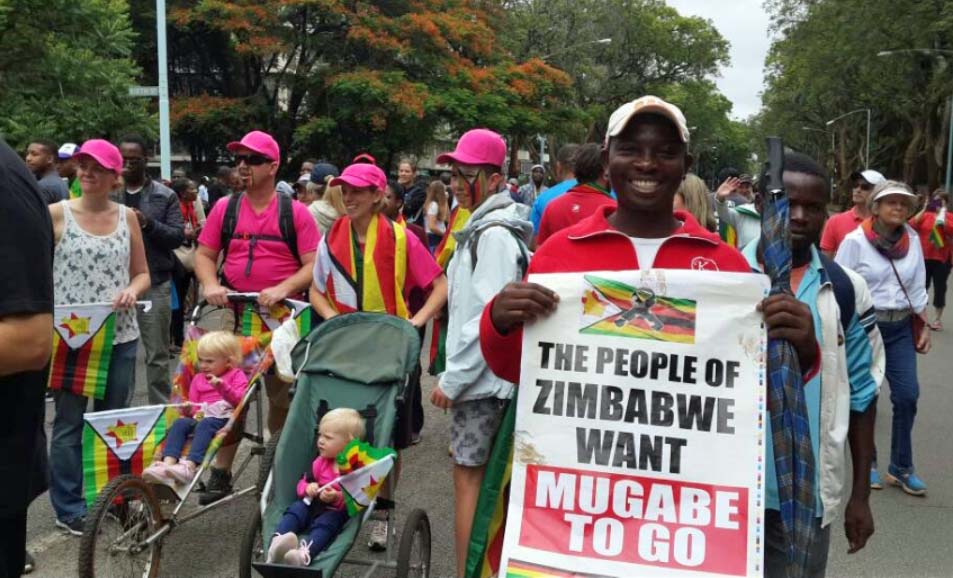 In January this year (2018) she was able to return home because the unthinkable had happened. After being in power for 37 years, 93-year-old Robert Mugabe was finally forced to resign. “It happened so fast. I never thought this day would come. I had spent almost two decades exposing Mugabe’s excesses but when he was finally removed from power, I was in the Philippines at the IAWRT Biennial conference” Violet said.
 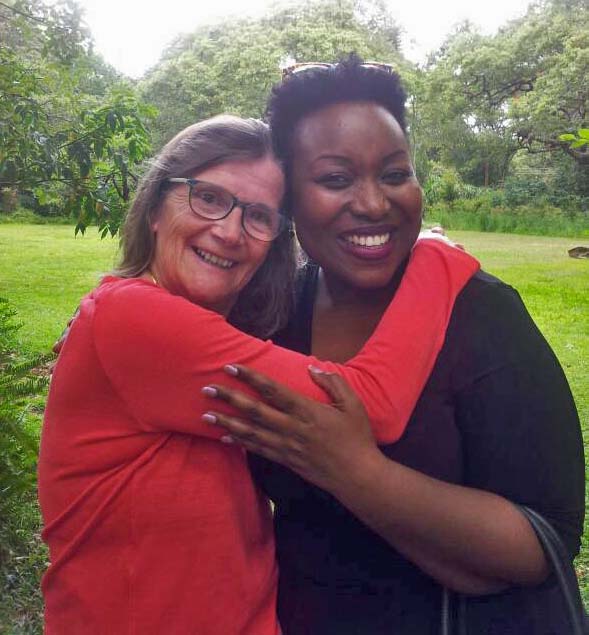 At the beginning of this year she arrived at Harare Airport. “It was an emotional homecoming. As I arrived at the airport I felt like a stranger. I had to show my British Passport.” Her Zimbabwean passport is yet to be renewed. Despite the freedom of being able to return to see her extended family, she bore the weight of loss, but found an unexpected intimacy with strangers, with a little irony thrown into the mix.
  She utilised social media such as Twitter, Facebook and YouTube, and recently set up web broadcasts on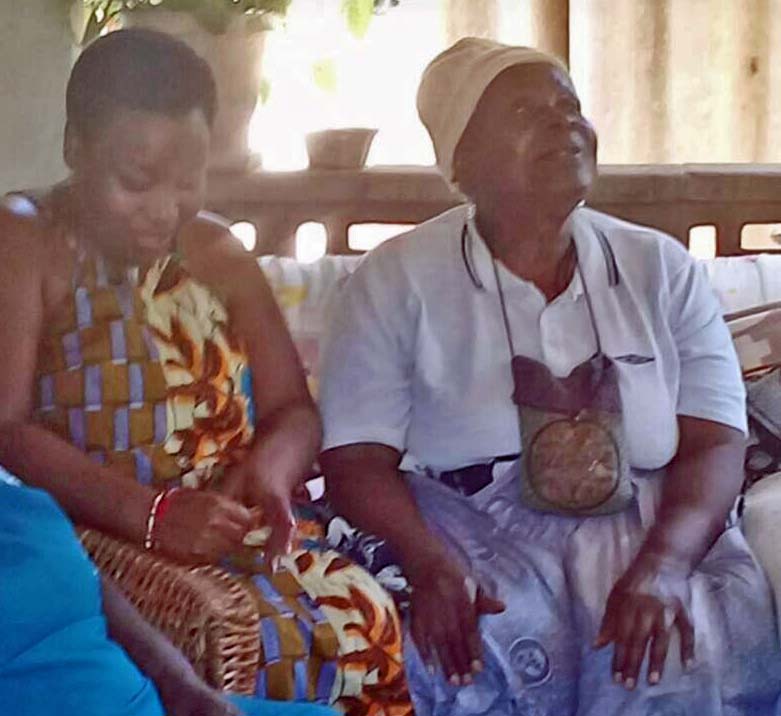
 When she arrived home to Mutare after almost two decades to hug her grandmothers now in their 90’s, it seems they had also been doing a little advertising too. She relates the story of when the announcement of Robert Mugabe’s resignation came through, her paternal grandmother called a prayer meeting with the neighbours to give thanks. “She was crying and saying Mugabe is gone now. Vee (Nickname) can come home now. I will get to see my granddaughter before I die.”
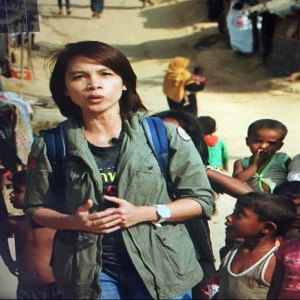
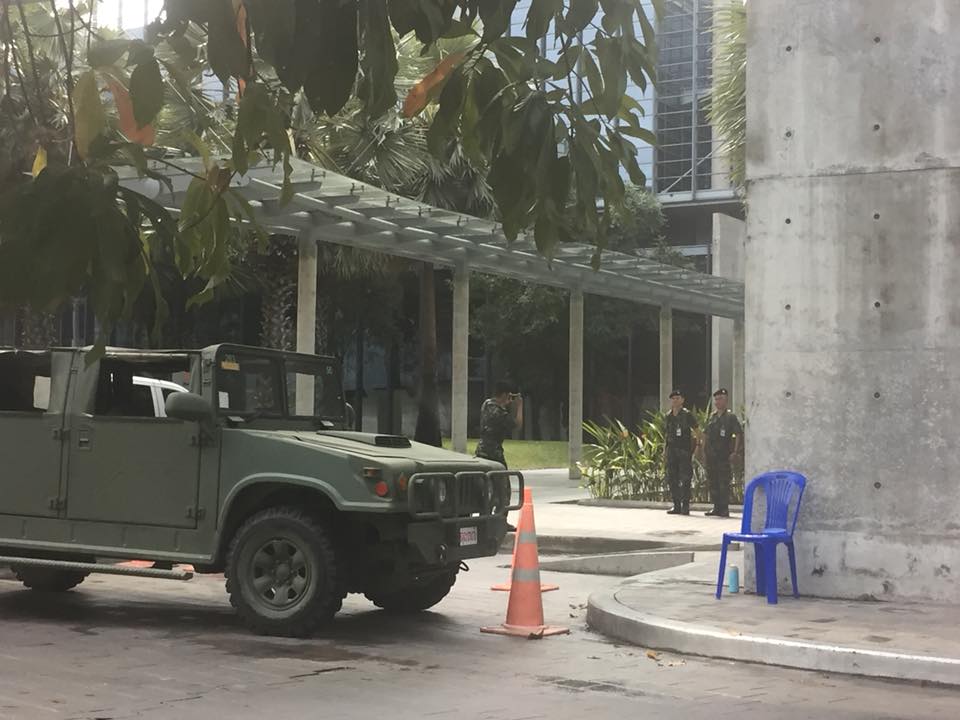 She worked as a producer for PBS’ Hard Talk program, but eventually asked to become a field reporter. She was covering stories related to politics, human rights and corruption when things took an abrupt turn in Thailand. In 2014, a military coup deposed the elected government of Prime Minister Yingluck Shinawatra and installed a junta.
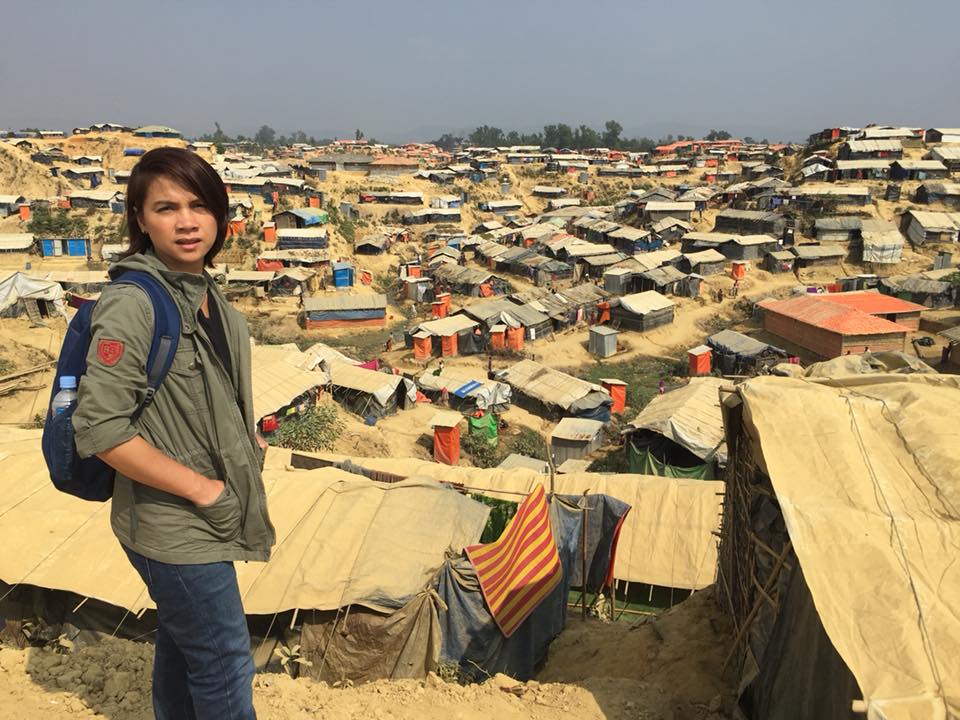 The last assignment that challenged and touched her as a journalist was the Rohingya crisis. After convincing her bosses that she was the right woman for the job, she was sent to Cox’bazar in Bangladesh. Straddling the border of Myanmar. Thousands of Rohingyas have fled here.