prezi pic greta GMP

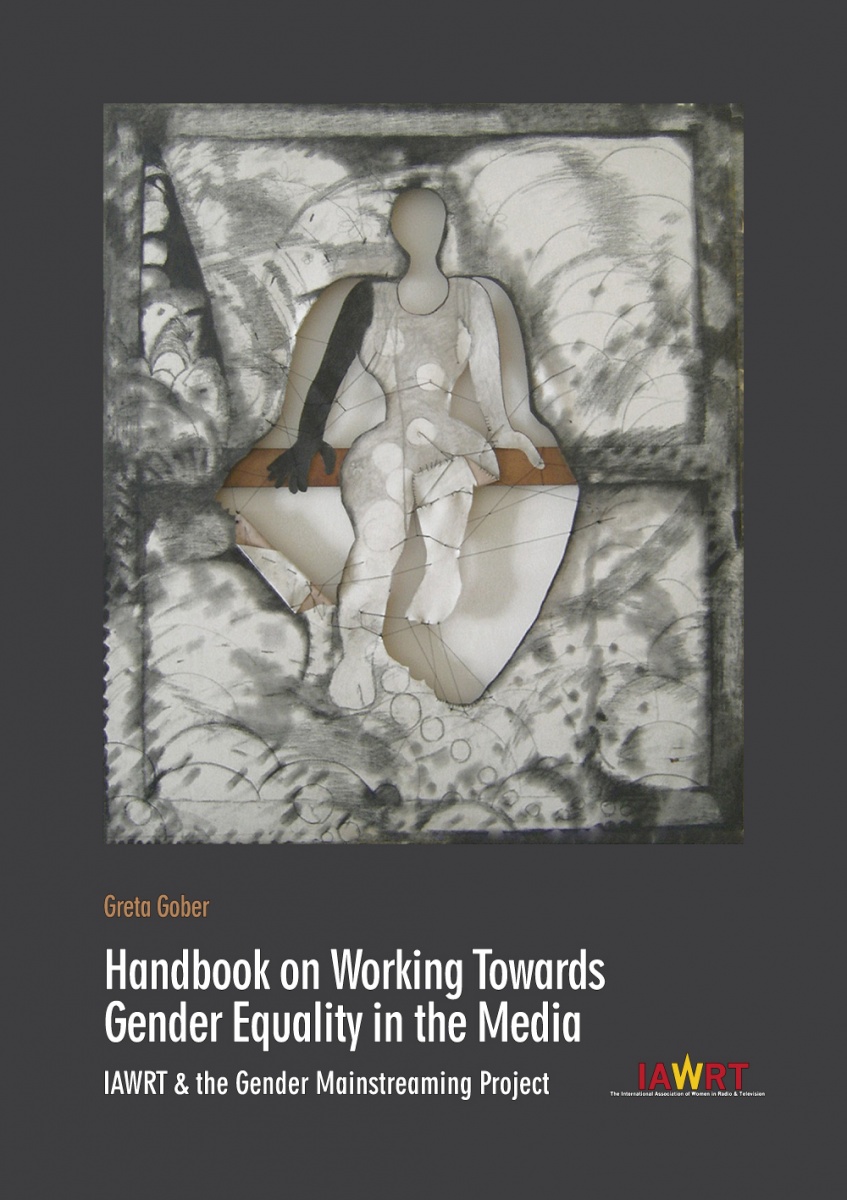
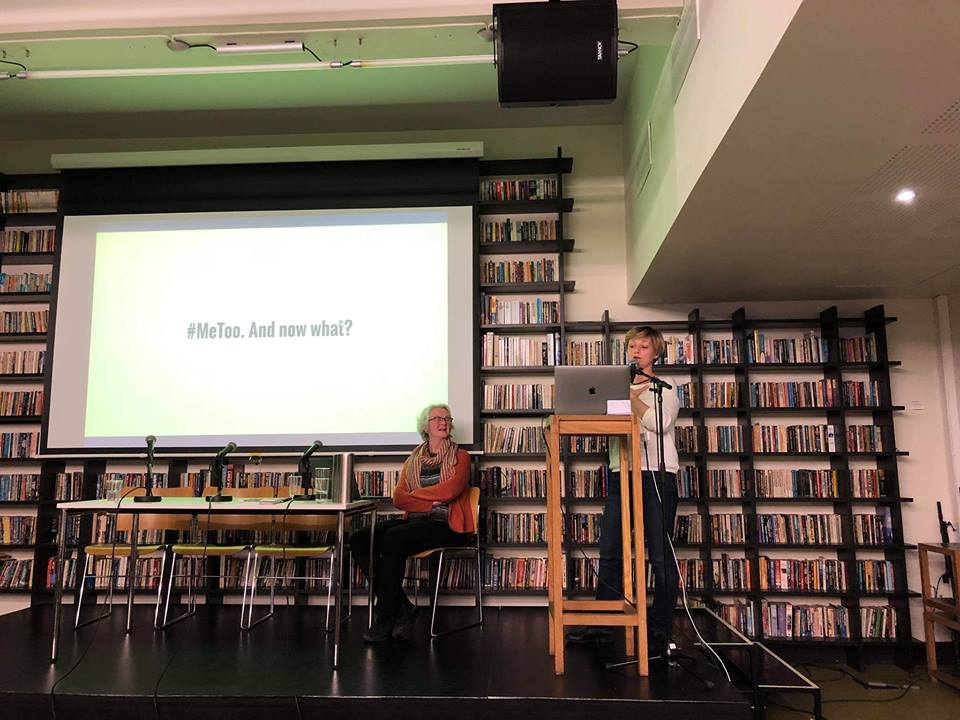
IAWRT Handbook on Working Towards Gender Equality in the Media: IAWRT & the Gender Mainstreaming Project, written by Greta Gober, has been launched in Norway at an event entitled, #MeToo-and now what? organised by IAWRT Norway. The book written by Greta Gober, showcases IAWRT members’ experiences and best practices for working towards the advancement of gender equality in media.

Based on the on-the-ground running of such initiatives by IAWRT Kenya, Uganda, Tanzania, South Africa and India. the booklet is now available in our publications section.

It showcases the vastly different ways in which IAWRT chapters worked towards those aims through efforts or strategies with film, radio and television women. Some initiatives were in consultation with media outlets, and most included training, mentoring, and sharing of knowledge to enhance the advocacy of women’s rights Click here for a visual presentation of the GMP project and the handbook in brief.

 “We [IAWRT] hope it will inspire many of you, our colleagues in the so-called global North, to learn from these examples” Greta Gober says, “but also that it will encourage us to continue sharing experiences of our collective efforts to make gender equality in the media a reality!”

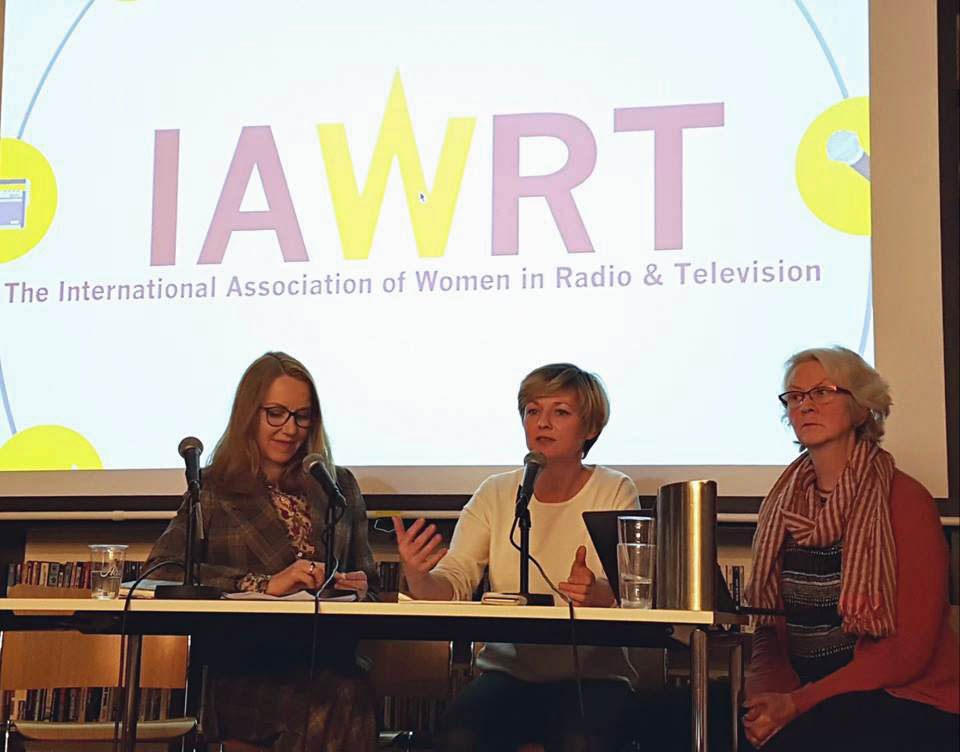
The Norway launch heard from a freelance photojournalist Marte Vike Arnesen and Professor Kristin Skare Orgeret who presented their research findings on how the #MeToo movement and debate have unfolded in Norway and played out in Norwegian media. Greta Gober says the Norway gathering was another example of sharing experiences of working towards gender equality in the media.

“I wish us all more occasions to meet and celebrate our small and large victories,” she said.

The handbook is structured around the two Gender Mainstreaming studies that IAWRT conducted in 2014 and 2015 – the Gender Mainstreaming in Broadcasting (GMB) Survey available here, which revealed how harassment was one factor in reducing the number of women who remain in media workplaces – and the Gender Equality and Social Justice (GE) Monitoring which looked at representation of women and marginalised groups in programs aired by public broadcasters.

The handbook is divided into two parts, as suggested by the UNESCO Gender-Sensitive Indicators for Media

  1. Actions to foster gender equality in media organizations
  2. Actions to foster gender-fair portrayal in media content

The work presented in the handbook begins with countries in which the Gender Mainstreaming Project was first launched in 2014, and covers strategies used until 2018.

The most recent phase of the GMP project in 2018-9 has focused on broad gender equity issues, equal employment and safety for women in the media industry. More details here. 

Greta Gober says the handbook will be of interest to individuals and organizations concerned with gender equality in the media who are looking for inspiration on how to advance that objective. “Media organizations, media and journalists’ unions and associations, academics and research centers and institution should find this handbook of interest.”

“As a member of the Global Alliance on Media and Gender (GAMAG) IAWRT hopes that this handbook will inspire our colleagues in the global North to learn from these examples and be prompted to continue sharing their own experiences of our collective efforts to make gender equality in the media a reality” she said. 

The GMP project was made possible by the support of Forum for Women and Development (FOKUS) and UNESCO-Norway. 

Winners of the 6th Women’s Voices Now Online Film Festival We Are the Ones We’re Waiting For will be announced on March 8, International Women’s Day.

The Online Film Festival is an annual festival that celebrates and awards the best social-change films from around the world that highlight women in film and women’s rights issues.  

Each year, films compete for cash prizes, media features and the opportunity to have their films added to the WVN Film Archive for global promotion and viewing.

Check the WVN website for Full details of finalists.  The films will be be viewable on Vimeo Pay-Per-View through March 31st raising money for WVN.

Join the 5th ABU Media Summit on Climate Action and Disaster Preparedness, 25-26 April 2019, Hotel Radisson, Kathmandu, Nepal

Register and Enter Competitions at http://cadp.abu.org.my

men-masculinity-nordic

Report about #MeToo, men and masculinity in nordic countries released.

Useful for backgrounds and reflections, even if not directly media related. 

UgandaGMP

Ugandan journalists are supported to re-evaluate their potentials and weakness, identify opportunities and become gender ambassadors

By Nankwanga Eunice Kasirye

The media statistics about women in terms of representation and relevance in Ugandan media are pathetic.

Participants

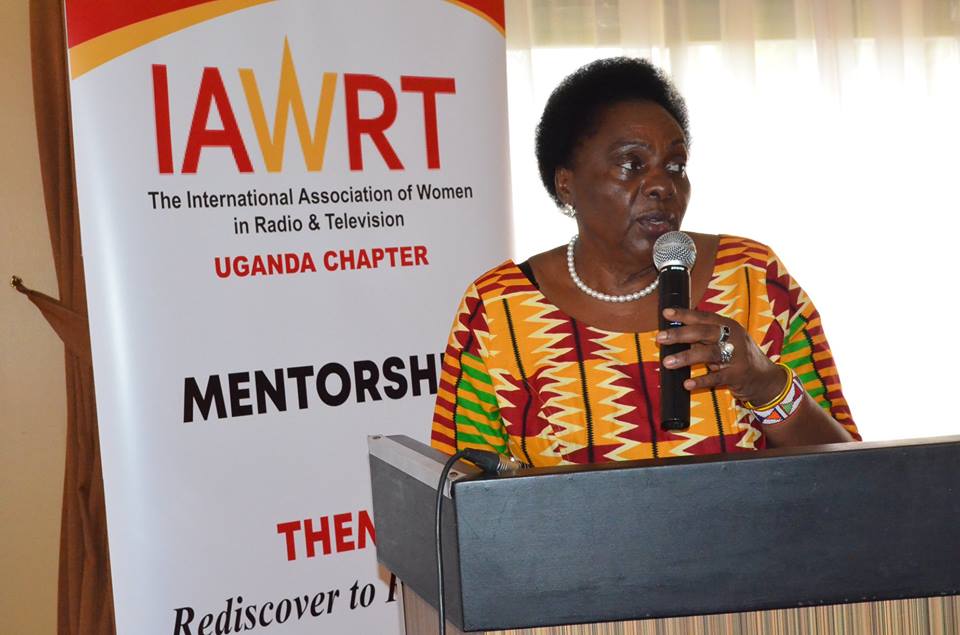
Keno Lilian is an IAWRT Uganda Re discover to Re impose mentor.

Lilian believes that making serious preparations for every assignment as a journalist puts one in charge of their own job and a master of every task.

“it should be a key attribute for every female journalist for every task assigned, such will automatically lift the female journalist above the basic mediocre positions they seem to want to settle for.”

Madrine Nabukera, is one of the IAWRT Uganda team of mentees

She is grateful to hav been selected as the opportunity came at a time when she desperately needed guidance on her career path.

Despite being good at almost everything in a television newsroom, Madrine wants focus and mastery to ably grow and develop into the prestigious and excellent female journalist she always dreamt of being.

Nankya Slyvia is another of the IAWRT Uganda mentors.

She believes it is an obligation for every journalist to adhere to the professional code of ethics.

“The code of ethics booklets should be part of every newsroom or media outlet, for daily reference, for it is important to have a set of good ethical procedures.” 

So a robust collaborative approach is required to achieve fair and better representation.

The 2014 Uganda National Census report says women account for 51% of the total national population. Despite that advantage in numbers the media does not reflect this balance in terms of news sources and positive portrayal.   According to the research by African Centre for Media Excellence (ACME) on media coverage for the 2016 Uganda general elections, only 20% of women were quoted as news sources in election stories between September 2015 and May 2016. The Global Media monitoring report 2015 indicates that only 28% of Ugandan women were news subjects with the majority linked to subjects rated as ‘unserious’. 

The undesirable trends in media research statistics prompted IAWRT Uganda to engage with news editors and senior journalists on the agenda of gender mainstreaming in the newsroom; that gave birth to the IAWRT-Uganda Re discover to Re impose mentorship initiative.

The initiative is geared towards building a sustainable national pool of gender mainstreaming ambassadors through mentorship. The Re discover to Re impose Mentorship Project championed by IAWRT Uganda is a progressive initiative that  brings together journalists, students, institutions of learning, representatives of like-minded organizations or personalities and policymakers, to build a  sustainable pool of gender  media ambassadors.

Run under the theme; Re discover to Re  impose,  media practitioners,  especially women, ought to get back to the  drawing board and re-evaluate their potentials and weakness, identify their opportunities to promote gender-fairness and the threats that lie ahead in their struggles to be better positioned.(A SWOT analysis)  This would ensure gender sensitivity in internal media houses, human resources development, gender sensitive media content and elimination of negative portrayals of women in the media.

The initiative started with a pioneer selected group of thirty ambassadors that included ten mentors and twenty mentees to champion the gender cause in the media. The pioneer ambassadors were systematically selected by IAWRT-Uganda’s executive.

Building a sustainable pool of Gender Mainstreaming ambassadors through mentorship requires re discovering one’s potential to re impose for opportunities, thus it was imperative for the team to understand what gender and equity means in relation to the media alongside the legal frameworks that complement the strides towards equality.

Therefore, the Re discover Re impose gender mainstreaming workshop was held in Kampala in Dec 2018 to introduce the pioneer ambassadors to gender as a concept in relation to the media as well as the legal perceptive. Separate pre-orientation engagements with the mentees and mentors were held for feedback and development of a needs assessment tool to steer the mentorship process. Through career profiles which individuals made in their SWOT analysis, mentors were partnered up with mentees according to career needs and strength. This process of engagement is ongoing

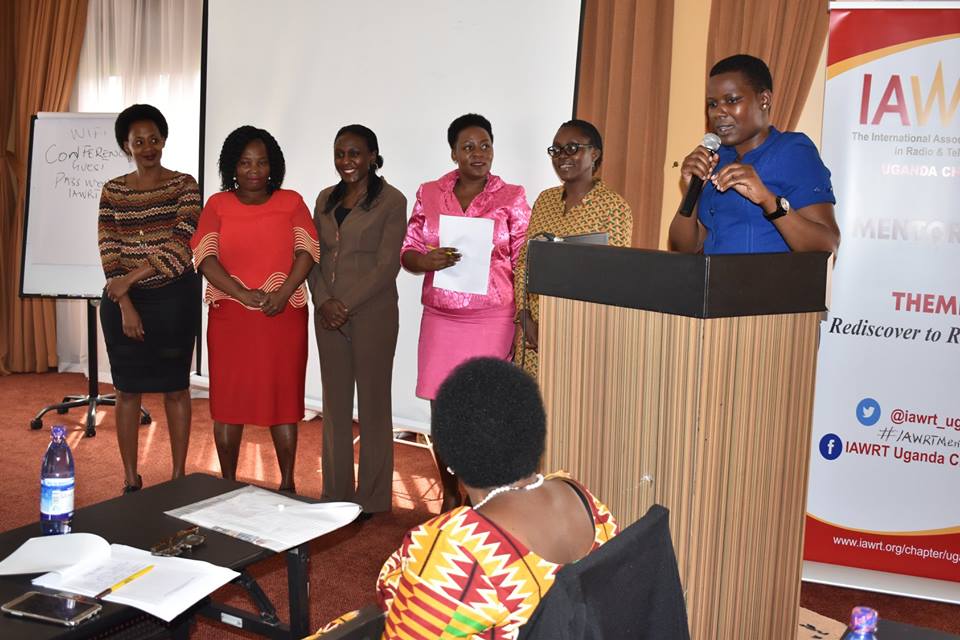
During the orientation workshop, the IAWRT Uganda chairperson Nankwanga Eunice Kasirye, explained that Gender Mainstreaming project activities are focused on mentorship under the theme: Re discover to Re impose. She demystified the theme; saying that the re discovers are calls for re-evaluation of personal potentials, through undertaking a personal SWOT analysis to help better position themselves; then Re impose into the space of positive impact or opportunities.

Eunice challenged fellow female journalists to stop self-pity and to stand firm, to face their challenges with the determination to try again and again until the credible and impactful presence of women, at all levels, becomes real

Eunice says that if women re discover their potential and reposition to re impose into positions of power and authority then the negative portrayal of women in the media will automatically be censored.

Prof. Maggie Kigozi is the patron of the IAWRT Uganda chapter, she challenged the female journalists to work together and support each other, to build credible networks and determine to look out for female achievers to put their stories in the limelight. Professor Maggie says through mentorship, each one of us is able to build up into becoming a better person without losing out on anything

The Minister in charge of General Duties at the office of the Prime Minister, Mary Karooro Okurut, challenged the female journalists and pioneer gender mainstreaming ambassadors to set a fair precedent, by balancing up stories without bias before publishing them. She says it is more profitable to create working partnerships with sources than making them enemies through bad unrealistic reporting.

Karooro says the theme Re discovers to Re impose is self-challenging, for it demands open mindedness and a truthful and fair self-assessment to help one understand their current career position before leaping to the next level.

She says it is a theme that will help build a sustainable strong force that enables improvements to gender equity in both media organizational structure and content. The minister challenged IAWRT to look out for funding to carry out a survey on the exact position of the Uganda media in terms of gender equity and portrayal.

Professor Nassnga Gorreti, of Makerere University, who is the first full professor of journalism and communication in Uganda. says IAWRT mentorship should be able to improve positive portrayal of women in the media, the number of women in decision making positions within media houses and open up opportunities for career excellence. “The IAWRT mentorship should also be able to create a working relationship with institutions to integrate journalism schools into the agenda of gender mainstreaming through a sustainable approach”. she said.

Caroline Idembe is a human rights lawyer in Uganda, she facilitated a workshop on the need to understand the legal redresses and limitations to be able to re impose as female journalists in the positions that matter. Carol says the UN agenda 2030 which calls for the use of government funds for gender equity and women’s rights cannot be fully monitored without the media being well skilled and equipped with the legal and policy frameworks that obligates the government to meet its part of the bargain.

Therefore, we require continuous in-depth training for the IAWRT mentees.  We want the pioneer team to form a well informed force in the media which can be used as a reference point. 

The intention is ensure that the pioneer ambassadors become trainers of trainers as they become well versed with gender and the law.

So the first orientation workshop was introductory to the gender concept and the legal frameworks for our ambassadors to light the candles where ever they work or operate from.

The Re discover to Re impose Mentorship Project under the championed by IAWRT Uganda is a progressive initiative that  brings together journalists, students, institutions of learning, representatives of like-minded personalities or organizations and policymakers to build a  sustainable pool of gender  media ambassadors.


Media coverage

‘Portrayal of women, girls in media should change’

speaker kadaga commends iawrt for fighting gender inequality in media

Invitation_blogspot

Showcasing 50 films directed by Asian women filmmakers

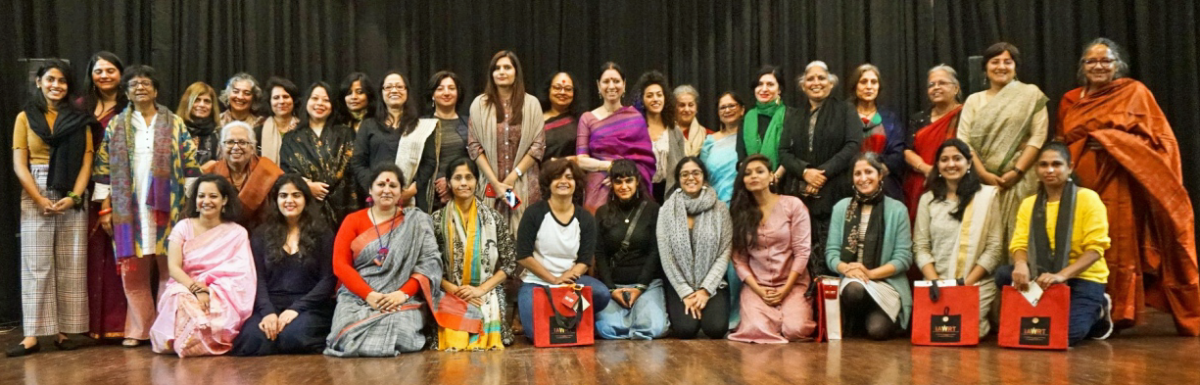
The 15th edition of the IAWRT Asian Women’s Festival was held in partnership with the India International Centre (IIC)-New Delhi from 4 to 7 March, 2019. 

It began with a Round Table on #Me Too, an attempt to take stock of the #Me Too campaign in the Indian media and film industry, examine the challenges posed and plan the road ahead.

Around 50 women journalists, feminists, writers, activists, internet specialists, academics, filmmakers, and spokespersons of UN Women, FES and Oxfam India and Men Against Violence and Abuse (MAVA) attended the riveting four-hour long brainstorming and addressed the nuances posed by this campaign.

Participants had been invited from across India – Assam, Bengaluru, Bhopal, Bundelkhand, Delhi, Goa, Hyderabad, Kohima, Mumbai, Pune, Shillong, Tejpur, Telengana, Thiruvananthapuram – so the experience shared was truly pan India.

Clearly there was appetite for many such conversations in the coming weeks and months and follow up emails from participants highlighted the unique opportunity to experience solidarity across spaces and learn from each other; as well as how the conversation catalysed new thinking that they would like to build on together through more such opportunities. We hope to be able to strengthen this initiative.
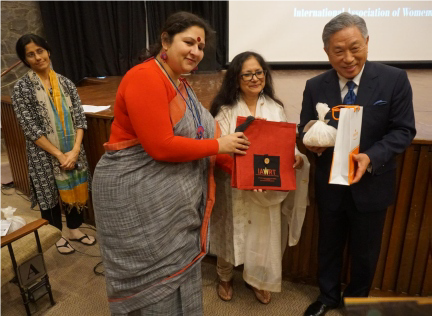
Our first guest at the screening was His Excellency Ambassador of Taiwan. ( Pic Left Mr Chung-Kwang Tien with Festival Director, Gauri Chakraborty & Managing Trustee IAWRT India, Nupur Basu) He viewed the film entry from his home country, Taiwan (‘Daisy’ Dir: Yu Yu) and other films in the morning segment. 

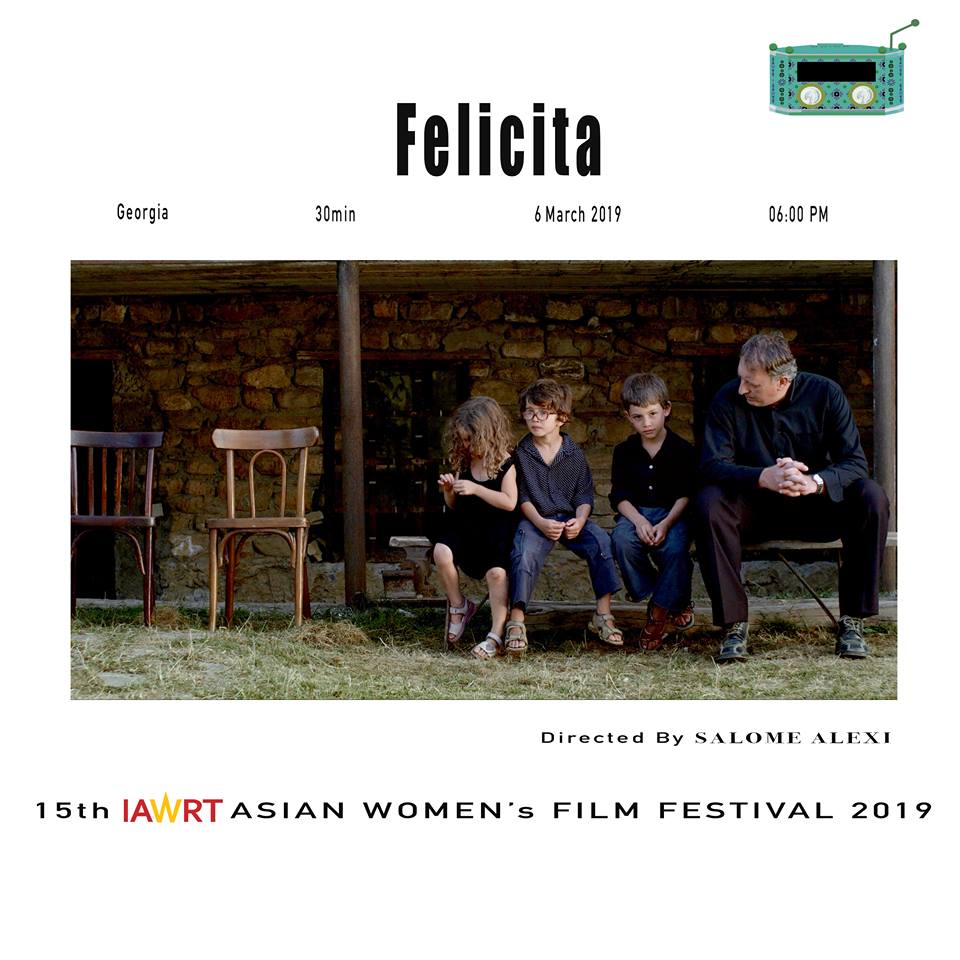
Over the next three days the audiences would get to view 51 films from 20 countries – all directed by Asian women directors with the festival theme ‘Female Gaze’.

Apart from general programming, the curated themes for the 15 Edition were: a) Female Gaze by Bina Paul, b) Childhood by Samina Mishra, c) Seven Sisters (narratives from Northeast of India) by Supriya Suri, d) A Country focus on Georgia curated by Smriti Nevatia. e) A special segment on Soundphiles curated by Shikha Jhingan. 

 The festival invited both national and international filmmakers whose films had been selected for the three-day festival. The filmmakers from India who attended were: Asiya Zahoor, (The Stitch), Surbhi Dewan (Daughter of Nepal), Rishaya Palkiwala, (Roshan and Mani), Roopa Barua, (Daughters of the Polo God), Tribeny Rai (Chori), Asawari Jagusthe (The Housemaids). Divya Unny (Her First Time), Yapangnaro Longkumar (The River Story) and Chandita Mukherjee, Archana Kapoor & Afrah Shafiq (Displacement and Resilience).

Four international filmmakers participated in the festival: · Mari Gulbiani (Before Father Gets Back / Georgia), Rusudan Pirveli (Susa / Georgia), Fatima Shahnaz (Hope / Sri Lanka) and Iris Ben Moshe (Broken Pipe / Israel). Screenings were followed by conversations with the filmmakers.

The line up on day one was diverse and featured some award winning films like Peace Carpet (Iran), Mamushka (Israel) and Perhaps Today (Lebanon).

Surbhi Dewan, (Dir: Daughter of Nepal), a young filmmaker from India, engaged in a stimulating post film discussion on the content of disappearance and political identity. Asiya Zahoor (Dir:The Stitch) looked at conflict-ridden Kashmir through the eyes of a nine year old girl. Roshan and Mani, a charming student film about two Parsi sisters directed by Rishaya Palkiwala was followed by ‘Daughters of the Polo God’ from Manipur directed by Roopa Barua.
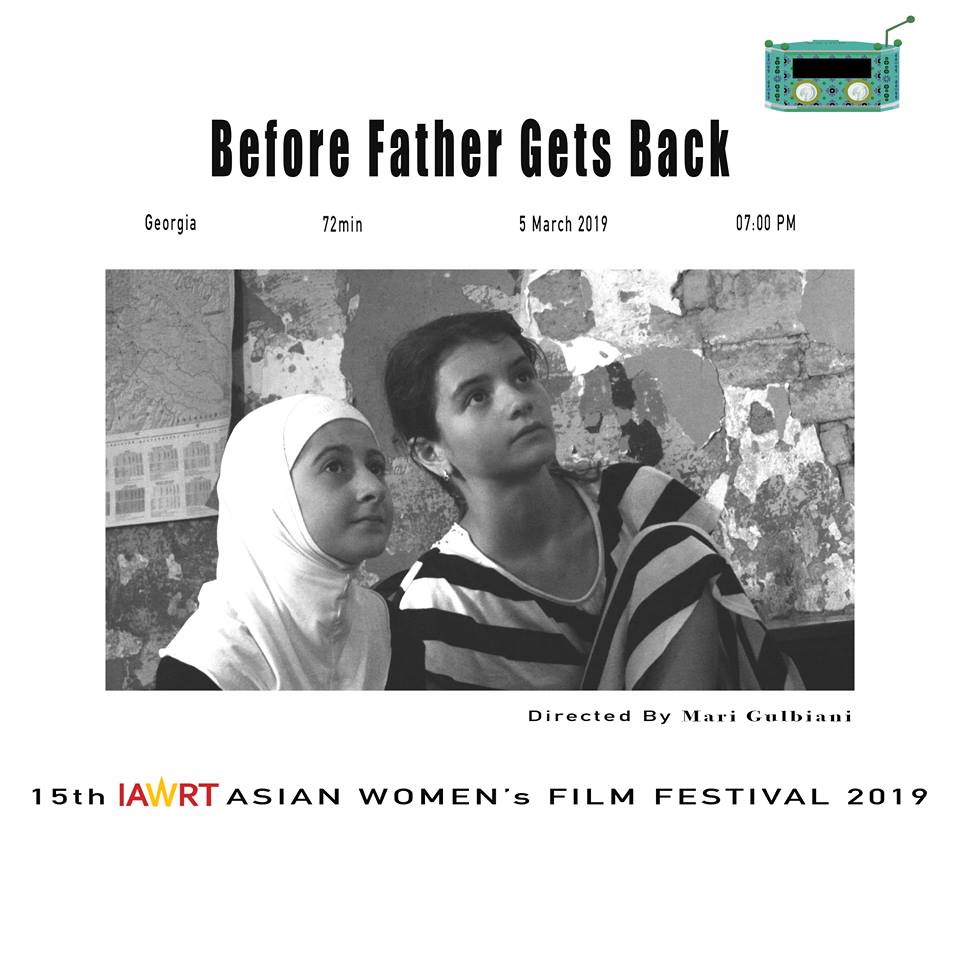
The highlight after the formal opening ceremony was the opening film – a documentary from Georgia, ‘Before Father Gets Back’, directed by filmmaker Mari Gulbiani. The evocative film explores the lives of two young Muslim girls Imam and Eva, growing up in the rising shadow of Islamic radicalism in the Pankisi valley of Georgia. The film was followed by an interaction between curator of the Georgia segment, Smriti Nevatia and Mari Gulbiani. The engaging discussion with the audience was about the fate of the film’s protagonists, the challenges of shooting the documentary, the gains made by Georgian women filmmakers in world cinema and the politics of representation.

Day two began with Autodriver, a film from the North East and was followed by other films in the segment ‘Encoded’. Filmmakers Tribeny Rai (Dir:Chori) from Sikkim and Fathima Shanaz (Dir:Hope) from Sri Lanka interacted with audiences on the specific content of both their films and their individual experiences in filming them. The much awaited IAWRT long documentary 2019 production ‘Displacement and Resilience’ produced by Chandita Mukherjee was premiered at the festival. the documentary has now won its first award.

The festival received an overwhelming response. The screenings were attended by cinephiles, media students, media professionals, academicians, feminists, researchers, IIC members and representatives from various organizations. The major highlights continued to be the active participation of the audience in post film discussions.
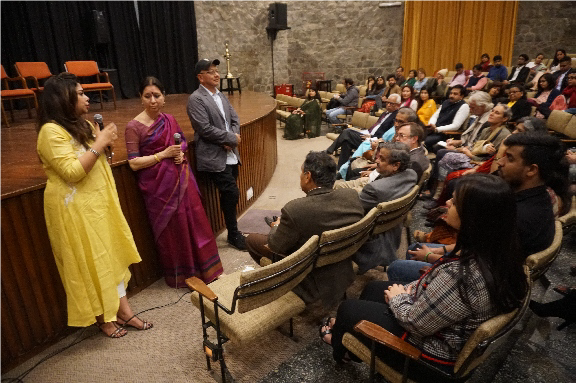
There were lively interactions from the floor about challenges women filmmakers face in their role as directors or producers. Bina Paul talked about the recent challenges and breakthroughs made by the Women in Cinema Collective (WCC) in Kerala. The WCC had become a rallying point for other women filmmakers in the country. Pic left: director, Roopa Barua (Daughters of the Polo God) in conversation with Jeroo Mulla.

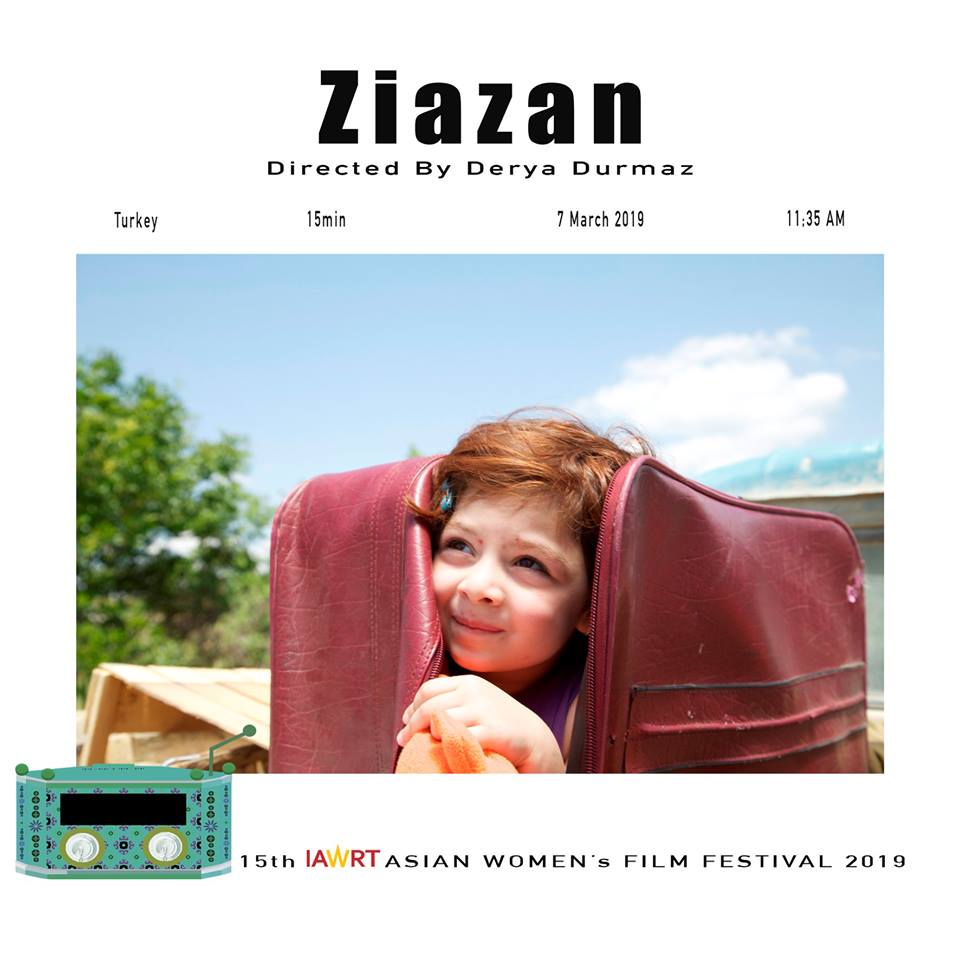
Day three folms were dominated by the narratives on children and the world through their eyes. Ziazan from Turkey was one such film that explored borders as construed by a child in her own circumstances.

Director Divya Unny’s ‘Her First Time’, based on breaking the silence on menstruation was also part of this segment. Divya took part in an engaging post screening conversation with Sania Farooqui on how films can break social taboos. 

Chuskit, an award winning film directed by Priya Ramasubban, about a paraplegic girl in Ladakh whose dream is to go to school one day, was another highlight of the Childhood curation.
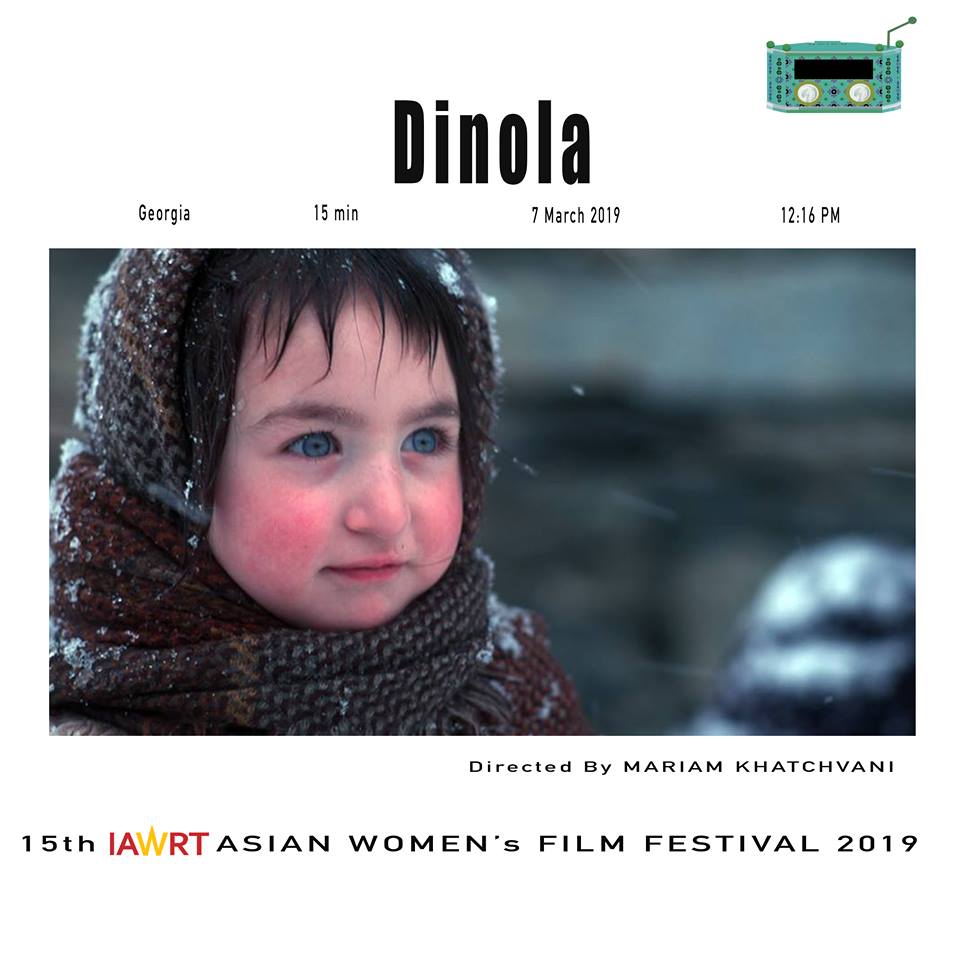
The main feture of day three was a unique morning segment, Soundphiles, which has become a kind of a flagship of IAWRT programming of the AFF, sowing the technical and creative aspects of silence and sound. 

The closing film of the festival was the very evocative ‘Susa from Georgia. Director Rusudan Pirveli and curator Smriti zeroed in on the impactful narrative once again around a child protagonist. The children centric films had prompted discussions ranging from casting child actors, to the psychological make-up of child characters to low- budget filmmaking.
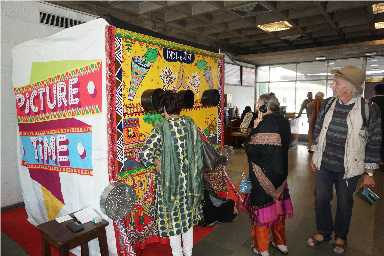
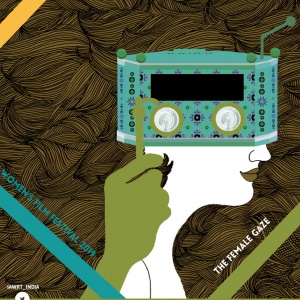
Bioscopewaali, the female storyteller, an art installation entitled Bioscopewali was put up by Festival Director, Gauri Chakraborty.

This included a life size bioscope titled Indi-e-gaze created with the support of students from Amity School of Communication, Noida and a creative art Installation by design students.

Indi-e-gaze, pictured left, as an installation explored both the ‘act of seeing’ as in the optical toy or later cinema with the new addition of ‘peeping into’ gendered texts.

The bioscope as a symbolic apparatus of a bygone era, took the viewer back to a pre-cinema experience while the content being watched was that of the female storyteller, whom we referred to as The Bioscopewaali.

Little Directors’ workshop An innovative two-day workshop entitled ‘Little Directors’ was a very significant programme at the festival. 


The objective of holding the workshop within the festival ambit was to create a visible change in the domain of gender and identity. Forty girls from under-privileged backgrounds between the age group of 12-14 years were invited to undergo a two-day training on filmmaking. The resource persons for the workshop were IAWRT India members, Nina Sabnani and Samina Mishra. The girl students were given a theme of freedom (Aazadi) around which they had to frame their stories.

They were taken through an interactive session on self-expression, as well as a simple way of story telling by their two guides, and exposed to various images to spark their imagination. Sameer Ashraf, a professional photographer, briefed the girls about the technicalities of camera, which helped them to visualize their content better. The little directors were then asked to imagine freely and create their own short film. A young volunteer supported each group.

The workshop culminated with the screening of around 8-10 short one minute films made by the little directors.

Bioscopewaali, the female storyteller, an art installation entitled Bioscopewali was put up by Festival Director, Gauri Chakraborty.

This included a life size bioscope titled ‘Indi-e-gaze’ created with the support of students from Amity School of Communication, Noida and a creative art Installation by design students.

Indi-e-gaze, pictured left, as an installation explored both the ‘act of seeing’ as in the optical toy or later cinema with the new addition of ‘peeping into’ gendered texts.

The bioscope as a symbolic apparatus of a bygone era, took the viewer back to a pre-cinema experience while the content being watched was that of the female storyteller, whom we referred to as The Bioscopewaali.

The 15th IAWRT Asian Women’s Film Festival would not have been possible without the support of our valued partner of 15 years, the India International Centre (IIC), New Delhi. Our other valued principal partners for this edition of the festival were: National Foundation of India (NFI), Oxfam India, Tech Mahindra Foundation, Goethe Institut/Max Mueller Bhavan, Fredrich Ebert Stiftung (FES), Jamia Cooperative Bank Ltd, UN Women and IAWRT International.

Abridged from full report Report written by AFF organisers & submitted by Festival Director, Gauri D Chakraborty (attached below)
The festival was widely covered in the media including: 

CinestaanLinks to all the festival articles that were done by CinestaanSouth Asia MonitorMetal Magazinenewsclickbusiness standardThe WeekThe HindimadhyamamDevdiscourseorissa post  The Free Press journalNamibia Press agencyFree Press Journal

Challenges of Afghan Women Journalists and its solution (1)

Young journalists trained to represent female colleagues

Women journalists from across Afghanistan have been introduced to gender studies on Afghan women journalists and some have received internships with practical training in representing females within the journalists’ union. 

by Maryam Bahar Sadat


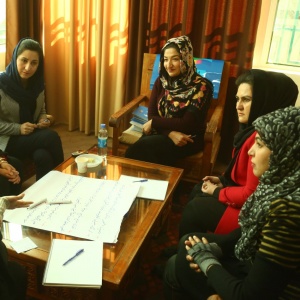
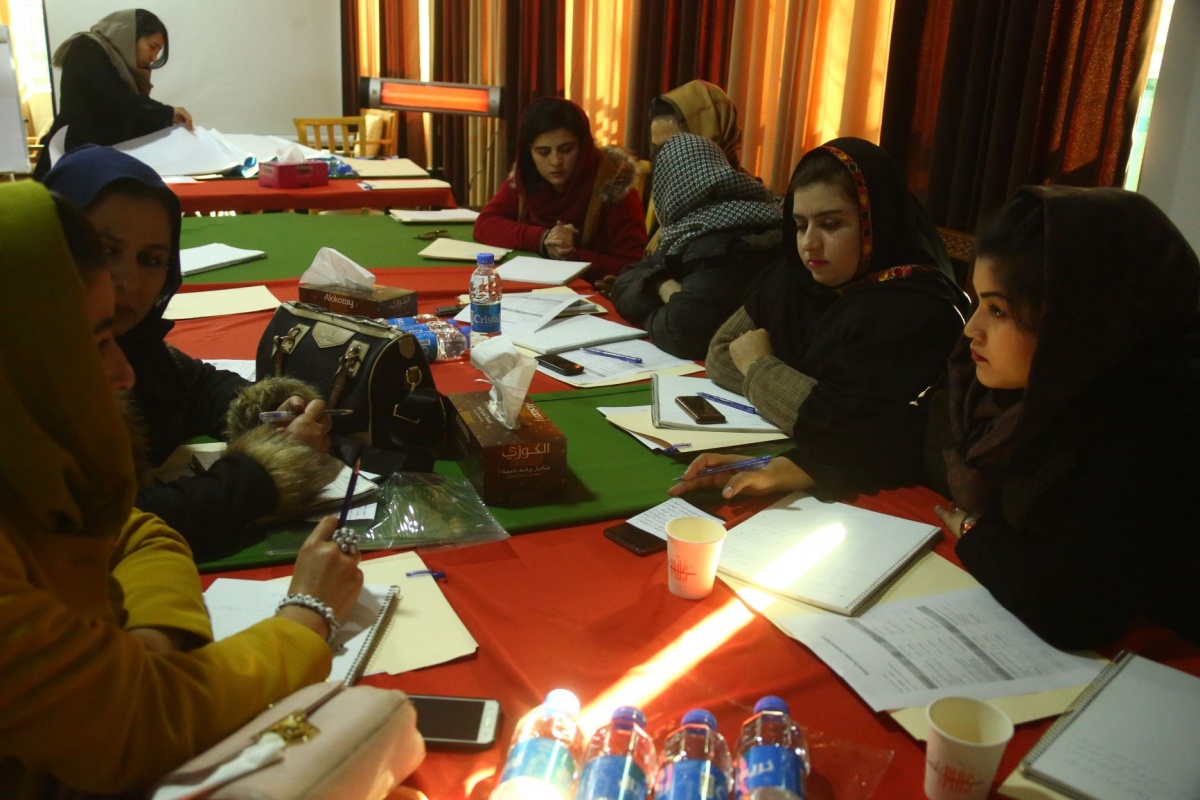
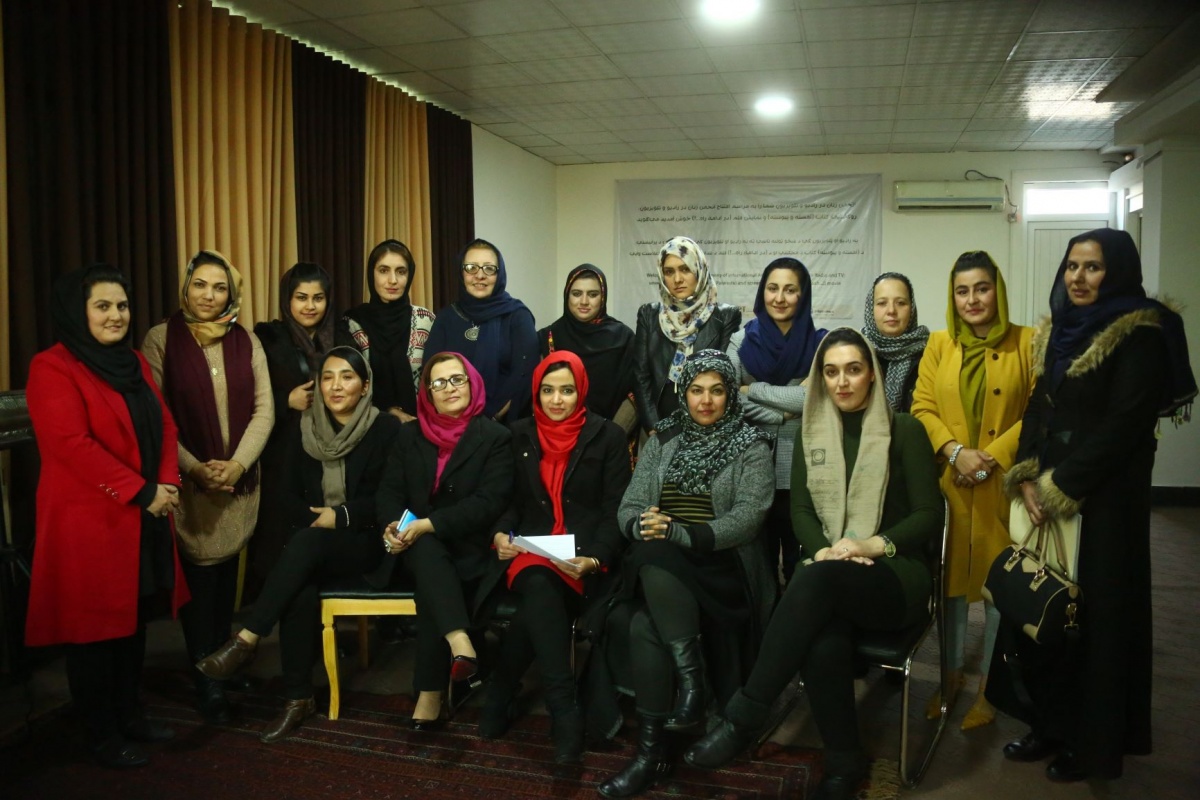
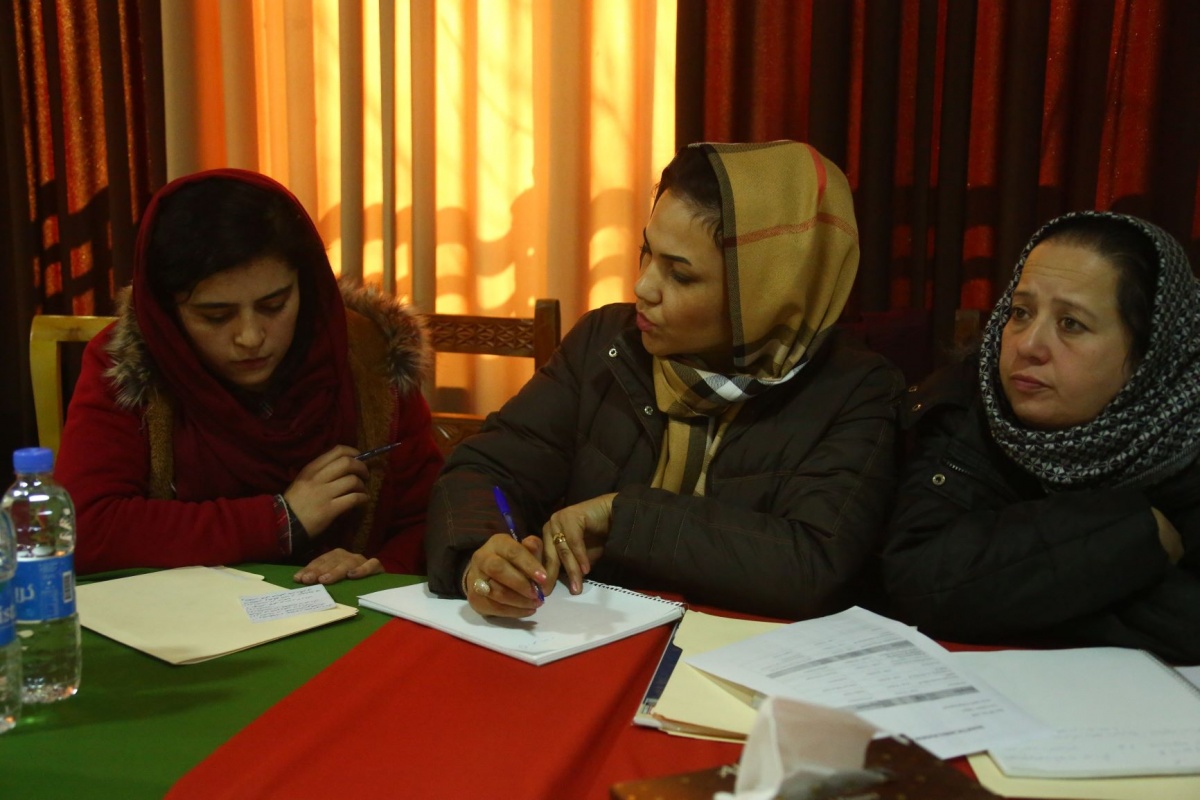
At a one-day workshop entitled, Challenges of Afghan Women Journalists and the Solutions, a group of 25 young women journalists from capital cities and provinces of Afghanistan got together in groups to suggest solutions to the issues faced by women working in the country’s media.

They workshopped three questions which we identified for them:

1. The current situation and the participation of Afghan women journalists in society, compared to male journalists. How supportive was the system for women, as compared to men?

2. What are the challenges of Afghan women journalists?

3. What were the expectations of our participants from Afghanistan’s existing media associations, unions and organizations?

One main purpose of this workshop was to introduce the objectives of IAWRT, and the young journalists were quite excited about the activities which IAWRT is doing all over the world and they showed their interest in volunteering and being a part of a great network.
Currently we are in the phase II of Rasana Project with Internews. The first phase was to develop gender policy for the federation and in this phase, the focus is mostly on the implementation of that policy in the federation and the training of second-tier leaders.

At the end of workshop, six of the participants were selected as second-tier leaders to receive practical training in representing women in the Afghan Journalists Federation and others were selected as representatives of IAWRT Afghanistan for their provinces.

Over seven months, these six young journalists will learn leadership skills, along with learning the practical work and procedures inside the federation such as; conducting monthly meetings of the federation, advocacy for other women in media and arranging different national and international meetings for the federation. From time to time they will participate in digital security, public speaking, communication, safety and other related training.

 
Maryam Bahar Sadat is the project officer for IAWRT- Afghanistan. 
CSW flyer draft

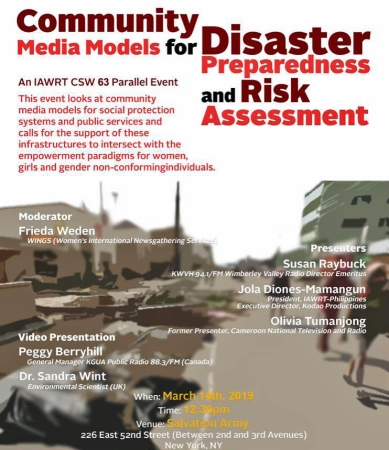
The sixty-third session of the Commission on the Status of Women (CSW) will begin at the United Nations Headquarters in New York on March 11, 2019.

NGOCSW63: Community Media Models for Disaster Preparedness and Risk Management.

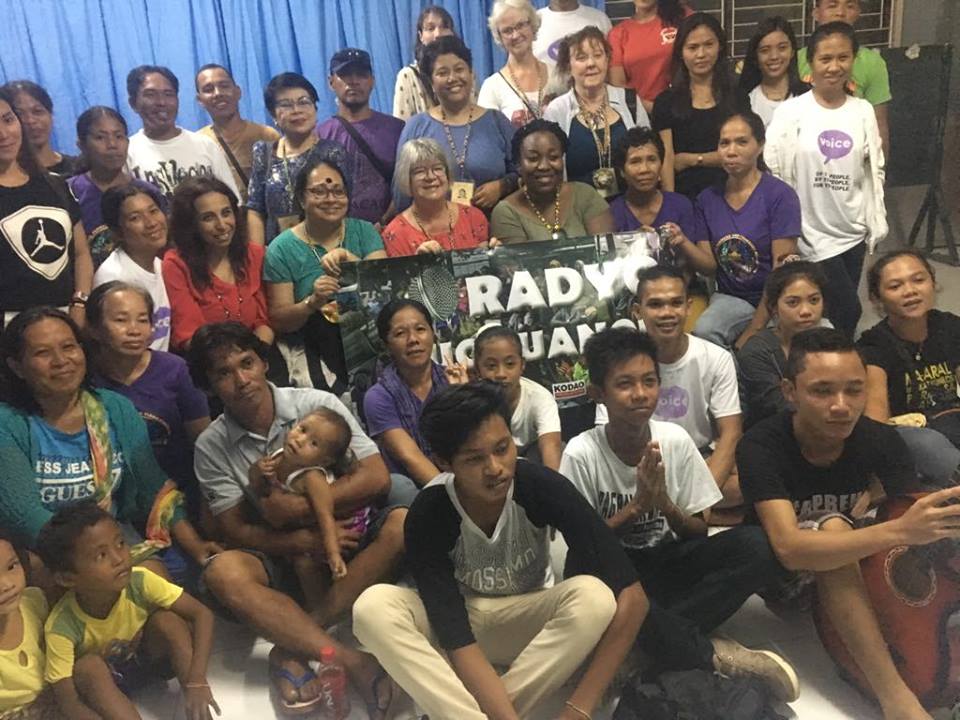
IAWRT will showcase its Disaster Response Radio project in the Philippines followed by a gender-based discussion and workshop on the important role of various community media in disaster recovery and preparedness. 

IAWRT’s Parallel Event is scheduled for March 14 at 12:30pm at the Salvation Army 221 E 52nd Street New York, NY 10022.
 

The Philippines radio project was created in response to the devastation caused by Typhoon Haiyan (also known as Yolanda) in 2013 – the strongest tropical cyclone ever recorded. Despite well-developed media, many communities were cut off from any form of communications. Typhoon Haiyan cut off entire villages from the mainland, prevented emergency transportation and contaminated water resources and water supply systems. 


The discussion/workshop is intended to create awareness of the important role and the effectiveness of community media as an empowering medium for saving lives, restoring individual dignity and community cohesion after a disaster. 


It will be moderated by Frieda Werden the founder/editor of WINGS (Women’s International News Gathering Services) and include a video presentation by Peggy Berryhill, the General Manager KGUA Public Radio 88.3/FM in Canada and UK Environmental Scientist, Dr. Sandra Wint.


Panellists will be Jola Diones-Mamangun President, IAWRT-Philippines and Executive Director, Kodao Productions, Susan Raybuck Radio Director Emeritus, KWVH 94.1/FM Wimberley Valley, Olivia Tumanjong Former Presenter, Cameroon National Television & Radio Beatrice and Chelangat Sabiny from FM Radio, Uganda. 


Link to CSW Priority Theme and the Review Theme


The CSW Priority theme is – Social protection systems, access to public services and sustainable infrastructure for gender equality and the empowerment of women and girls. The Review theme for CSW 63 is – Women’s empowerment and the link to sustainable development (agreed conclusions of the sixtieth session).
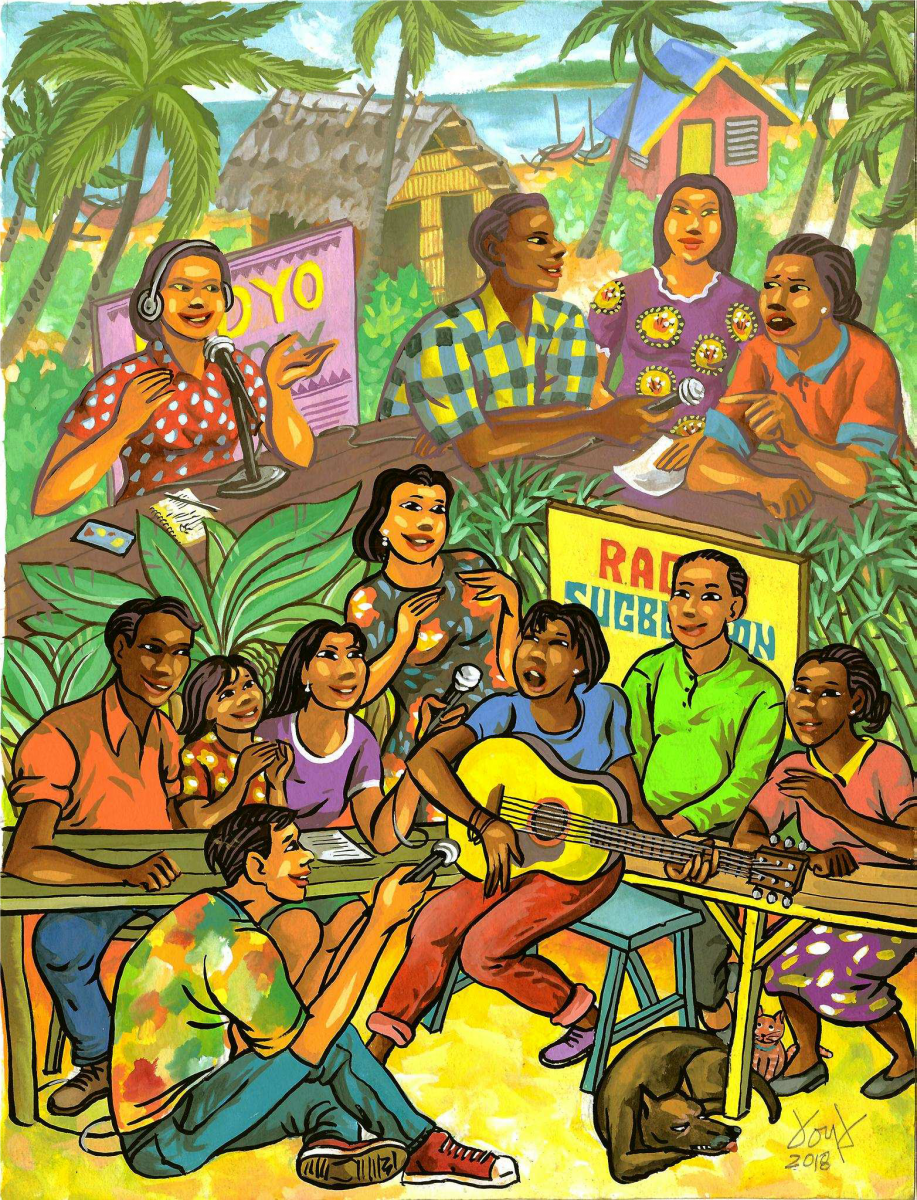
 

The IAWRT initiative will highlight the role women play in preparing for any disaster; preparing for damages and loss, rebuilding and peace negotiations. More importantly, the event will show how critical the media is to sustainable development and gender equality.


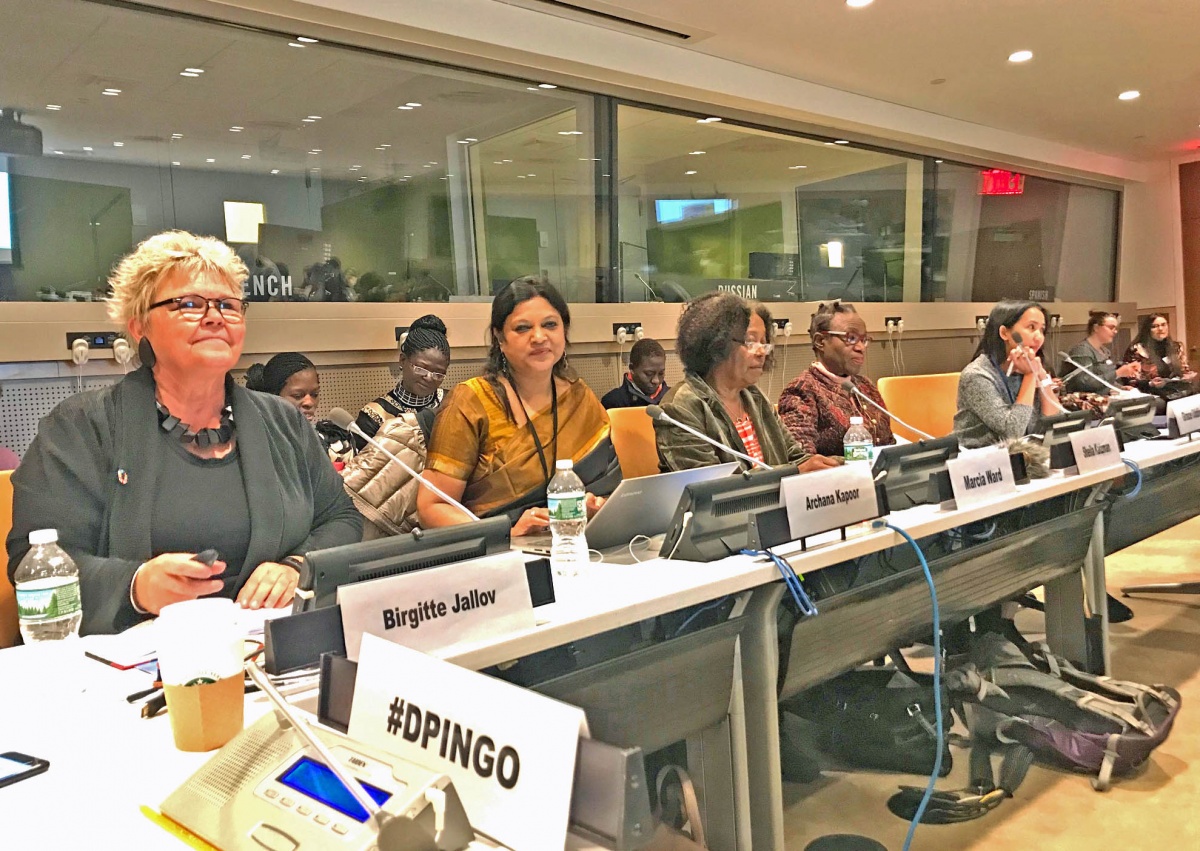
This follows CSW 62, when IAWRT members, Sheila Katzman, Archana Kapoor and Birgitte Jallov (pic: left) participated in a side event in the UN on community broadcasters. speaking about building capacities for amplifying rural women’s voices. 


IAWRT has documented the difficulties of setting up community radio in the Philippines, and its handbook, AMPLIFYING THE PEOPLE’S VOICES: The Philippine Community Radio Experience and Challenges (2018) is being made freely available. Click to download.


However, the workshop/discussion aims to reinforce the importance of the existence of community media and it power to alleviate the distress and loss of dignity associated with mass disasters.


The CSW parallel event will act as a call for the strengthening of community media infrastructure that can allay the impact of environmental catastrophes on people’s lives in the future. 


stormrs

Ethical Journalism Network appoints gender and safety advocate

“Journalism is facing a crisis of trust and a fight for truth and I believe there has never been a more important time to promote sound ethics in journalism”

The EJN – an organisation which partners with IAWRT and aims to strengthen journalism around the world – has appointed Hannah Storm, an internationally recognised advocate for media gender equality and the safety of journalists, as its new Director and CEO. She is currently the Director of the International News Safety Institute (INSI), she will start at the EJN from April 2019. 

Hannah started at INSI in 2010 after a decade in TV radio and online journalism for outlets including the BBC, The Times, Reuters and ITN. She became INSI director in 2012, where she has coordinated conversations between news organisations about journalists becoming better equipped to stay safe on the changing physical, psychological and digital frontlines for news media.

As a media consultant specialising in gender, she advises organisations, including the United Nations, on gender-sensitive reporting, sexual harassment and the need for gender balance in newsrooms and news output.

Hannah Storm is co-author of No Woman’s Land – On the Frontlines with Female Journalists which is a resource recommended in IAWRT’s safety Handbook for Women Journalists. She also co-wrote Violence and Harassment Against Women in the News Media with the International Women’s Media Foundation and The Kidnapping of Journalists: Reporting from High-Risk Conflict Zones and The Emotional Impact on Journalists of Covering the Refugee Crisis published by the Reuters Institute for the Study of Journalism at the University of Oxford.

The EJN’s Chair, Dorothy Byrne (the head of Channel 4 News and Current Affairs) says “Hannah will take the Ethical Journalism Network to the next stage of our development enabling us to play an even bigger role in supporting journalists around the world.”

Hannah Storm says she has long admired the great efforts of the EJN. “Having worked for many years in the field of journalism safety, I appreciate the fact that media safety and ethics often go hand in hand.”

“Around the world, many of our colleagues are working in increasingly difficult environments, faced with the pressures of propaganda, undermined by officialdom and embattled by a rising tide of hate speech and misinformation. 

“Journalism is facing a crisis of trust and a fight for truth and I believe there has never been a more important time to promote sound ethics in journalism.”

I feel immensely honoured to be joining the Ethical Journalism Network and to helping drive forward and expand its extremely important mission.

Adapted from EJN PRESS release 

2nd

Short film Competition for Nepali Women Directors Festival Highlight.

by Mallika Bhattarai

The second women’s film festival in December 2018 was a celebration of women’s struggles and achievements.

It was held in Sanskritik Sansthan (National Cultural Centre), Jamal, and screened both fiction and non-fiction films with interactions with the producers/directors. The festival theme was ‘Story through Women’s Lenses’ and it was designed to encourage women filmmakers, especially young women, to make more quality films highlighting women’s issues.

It also aimed to provide them the best opportunity to connect with and share knowledge with each other and to build relationships with women filmmakers internationally.

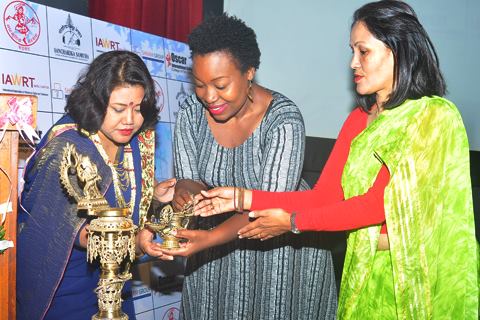
Violet Gonda, IAWRT International President, Montessori Rajbhandari, IAWRT Nepal President and inaugurated the film festival by lighting the panas (traditional lamp) with the festival director, Anupa Shrestha.

“The main objective of IAWRT Women’s film festival – Nepal is to encourage women film makers, promote women filmmakers from all around the world, appreciate their work and grow the culture of organisation of international film festivals in Nepal”, she said.

“We are also in solidarity with the 16 days of activism, against gender-based violence.”

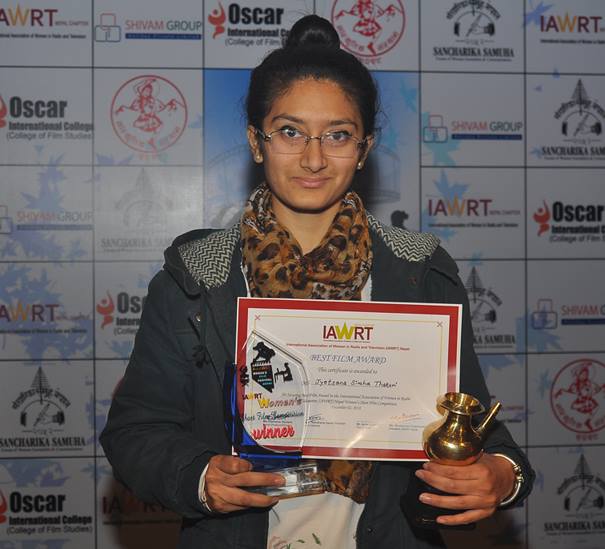
The IAWRT Nepal Short Film competition 2018 for women directors was this year’s major highlight.  Three of the best films were showcased. Jyotshna Singh Thakuri’s Against All Odds was presented the trophy and cash first prize by IAWRT President Violet Gonda. The other two top short films were Bidhya Chapagain’s Story of School and Nisha Manadhar’s We can; they were honoured with certificate, shawl and a token of Appreciation.
12 movies and documentaries from 10 countries were screened. These stories revolved around women’s issues, identity and the struggle to be independent in a male dominated society. Geeta Lal Shahi, a filmaker from India was present to interact with the audience and students from various colleges after screening her award-winning movie, “I Remember”, along with her movie Rajawati.

Rewati Gurung, a Nepali filmmaker also interacted with audiences who showed a  keen interest in watching the films and raising queries with the filmmakers about how subjects were picked and the factors which influenced them

Oscar International College (College of film studies), Shivam Group and Sancharika Samuha were the associate partners with IAWRT Nepal. The jury members were Asim Shah, Director of Feature Films, Sushma Gautam; Senior Program Producer and Director of Nepal Television; and Samjhana Upreti Rauniyar, Senior Producer and Director.