1125 women strike poland

Global Alliance on Gender and Media in Europe statement of support

Call on the Polish government to support work on the elimination of violence against women, as well as ensuring women’s sexual and reproductive rights


As 25 November marks the International Day for the Elimination of Violence against Women members of the Global Alliance on Gender and Media in Europe express solidarity with women in Poland, united under the banner of Women’s Strike (Strajk Kobiet) in defense of their right to self-determination.


Violence against women can take the form of denying women access to affordable and adequate sexual and reproductive health care, including the right to choose whether and when one becomes pregnant and decides to continue with the pregnancy. Access to abortion is part and parcel of comprehensive health services, fundamental human right! Yet, the Polish government once again decided to restrict women in Poland from having access to reproductive health services and challenged their right to safe motherhood.

GAMAG Europe expresses firm opposition to this treatment of women by the Polish government. Opinion polls show that as many as 70% of Poles support Women’s Strike and understand the unethical nature of the attempt to tighten abortion law in Poland, in effect forcing women to continue pregnancies in cases when fetuses have severe congenital defects.

That is why GAMAG Europe supports Women’s Strike in Poland. Attempting to deprive women of their rights and civil liberties at a time so difficult for Poland, Europe and the world as the COVID -19 pandemic is an expression of the worst political and social instincts. We stand in solidarity with Poles who are protesting, organizing and arguing that women’s rights, including the right to freedom from violence, are fundamental to the wellbeing of the whole society.

It is also with great concern we observe police violence against the protesters and the increased brutality against women, non-binary and LGBT people in public spaces in Poland. These developments are all the more terrifying in light of the Polish government’s attempt to revoke the Anti-Violence Convention. This European treaty aimed at combating violence against women, is the first legally binding treaty of its kind in the world and leaving the Convention would be a major setback in the prevention, prosecution and elimination of violence against women in Poland. We see this as yet another decision of the Polish government to legitimize violence against women at all levels.

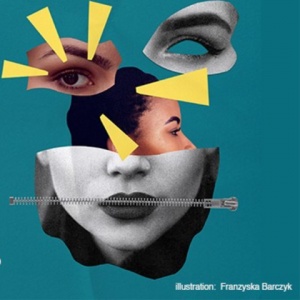
GAMAG Europe expresses full support for the demands of the Women’s Strike in Poland and calls on the Polish government to support work on the elimination of violence against women, as well as ensuring women’s sexual and reproductive rights. Bearing in mind that gender equality is a principal value of the EU we call Ursula von der Leyen, the President of European Commission, to condemn the attempts made by the Polish government to restrict abortion rights in Poland, revoke the Anti-Violence Convention, as well as legitimize police violence against the protesters and journalists in Poland, a direct attack on freedom of speech and freedom of the press.


Greta Gober, representative of GAMAG Europe Coordination Committee from Poland and Vice-President of  IAWRT; Joanna Warecha, member of GAMAG Europe from Poland, journalist, reporter and human’s rights activist.

Stockholm and Warsaw, November 25, 2020


==

Republished from this link.
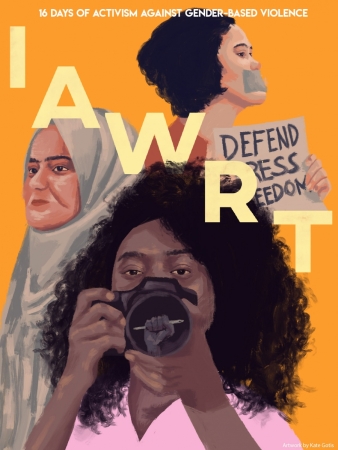
 

IAWRT IDEVAW Statement 2020

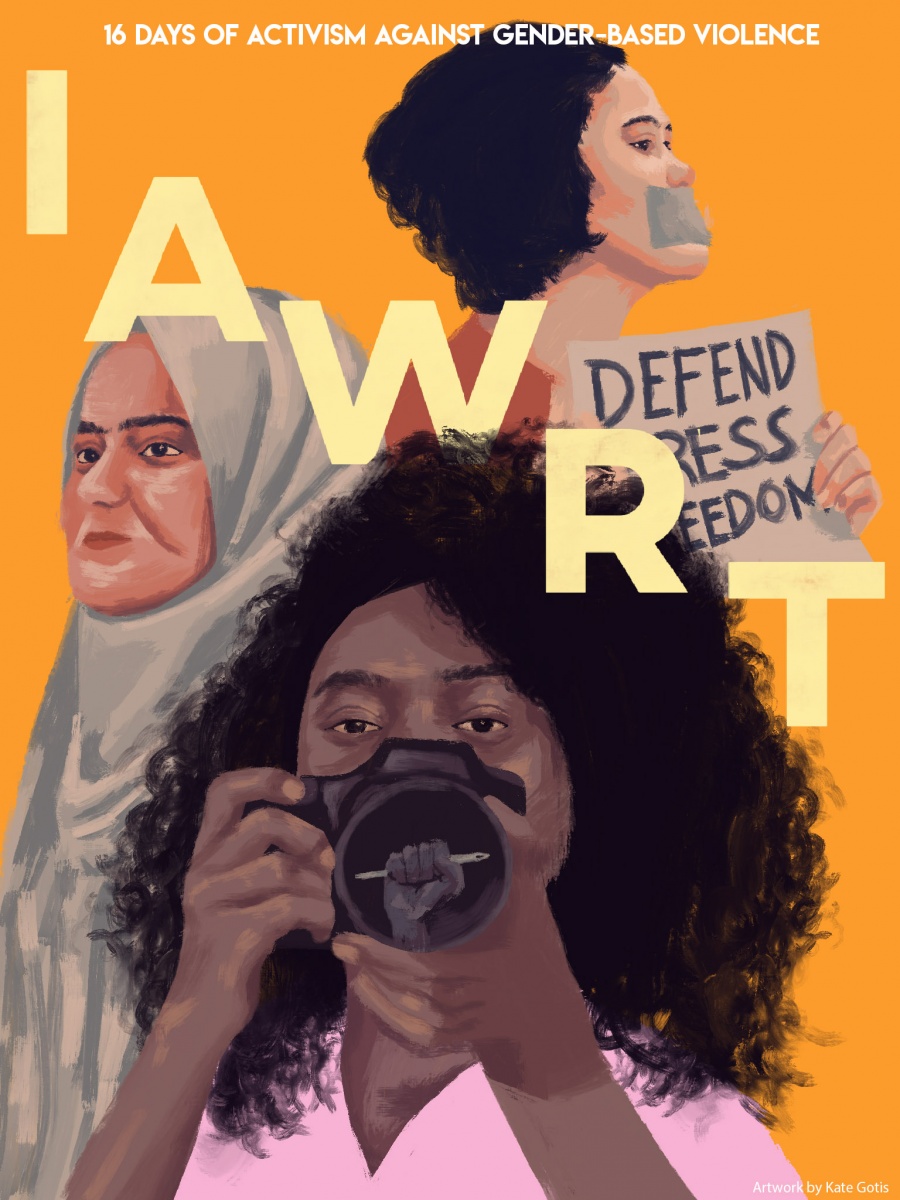
The International Association of Women in Radio and Television (IAWRT) is one with the global community in the observance of the International Day for the Elimination of Violence Against Women (IDEVAW) on November 25, also the start of 16 Days of Activism Against Gender-based Violence (from November 25 to December 10).


Violence against women is one of the most widespread and enduring human rights violations in the world today. It also remains largely unreported due to the stigma and shame surrounding it, contributing to impunity while impunity itself is among the reasons for unreported cases.
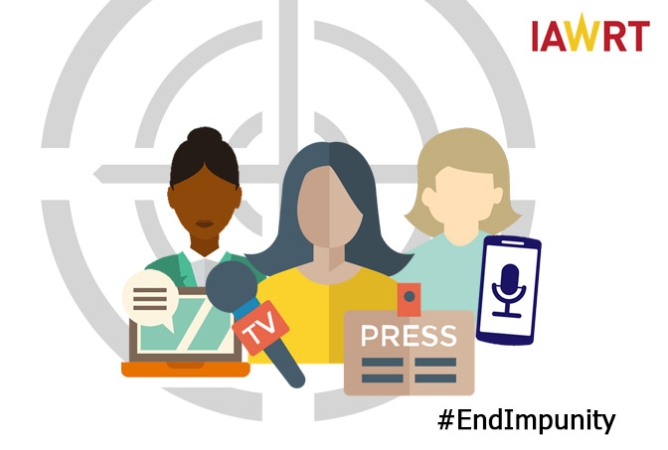
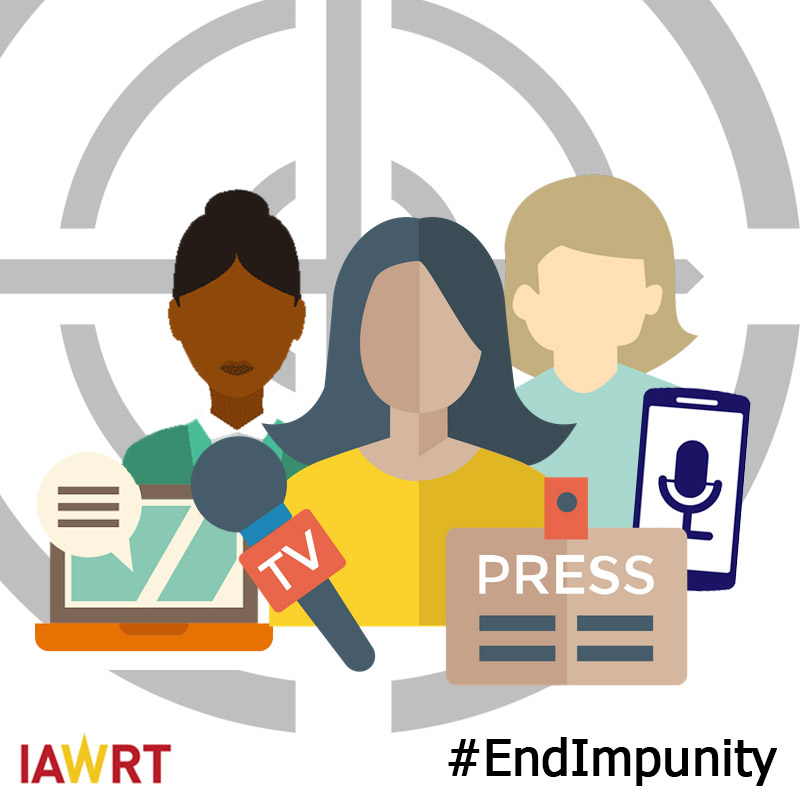
 

The United Nations noted how all types of violence against women and girls, particularly domestic violence, has intensified during the COVID-19 pandemic, considering this to be the Shadow Pandemic.


We stress our calls to end attacks against journalists, especially women and even our own IAWRT members around the world, some of whom have been at the receiving end of layoffs, assaults or arrests during coverage assignments, and/or online harassment during the lockdown in the months of the COVID-19 pandemic.


IAWRT is fully committed to its vision of a world where women have an equal voice and space in media and its objective of enhancement of women’s role and participation in media, as gender equality cannot be achieved without gender parity in media and communication. But these also cannot be realized, not even partially, when violence against women persist with impunity.


We encourage women journalists to continue to speak out against violence against women, to call for redress, justice and accountability from authorities, to give voice to survivors and victims and to contribute in any way so there can be a safer world for women.

1102 NEW BOARD

IAWRT concludes first-ever online voting

Elected officers: Violet Gonda (President), Greta Gober (Vice President), Nankwanga Eunice Kasirye (Secretary), Jola Diones-Mamangun (Treasurer) and Mandira Raut, Reena Mohan, Bibiana Piene (Board Members).


A new IAWRT International Board was announced after the first-ever IAWRT online voting.


Violet Gonda, veteran journalist from Zimbabwe based in UK, is elected president in her second term. She has been named one of 7 Reagan-Fascell Democracy Fellows 2020-2021 by the US based National Endowment for Democracy this October.


Greta Gober, media researcher from Poland based in Sweden, served a term as board member at large and is the newly-elected vice president. She is a postdoctoral fellow at the department of Media Studies, Stockholm University and the head of IAWRT’s Gender Mainstreaming Committee. 


Jola Diones-Mamangun, video journalist from the Philippines, is elected treasurer for her second term. Jola was also previously IAWRT Philippines Chapter head.


Nankwanga Eunice Kasirye, media consultant from Uganda, is elected secretary. She is IAWRT Uganda Chapter head.


Three Board Members were also elected – Mandira Raut from Nepal, Reena Mohan from India and Bibiana Piene from Norway.


Online voting took place from October 27 11pm GMT to October 31 11pm GMT. There were 206 who submitted their ballots out of 344 eligible voters.


1102 iawrt idei web image logo

In this year of the Covid-19 pandemic, journalists had to overcome new or deepening threats to press freedom, freedom of expression, their personal safety and safety at work.

IAWRT statement on International Day to End Impunity for Crimes against Journalists 2020

The International Association of Women in Radio and Television (IAWRT) joins the observance of the International Day to End Impunity for Crimes against Journalists 2020.


The Covid-19 pandemic saw a time when there were attacks on journalists covering the #BlackLivesMatter protests and other political events in the US, clamping down on protests and people’s right to dissent in social media and other platforms in extension of Covid-19 restrictions that various countries imposed, health hazards while covering the pandemic and the resulting job losses and closures in the media industry owing to a period that a large portion of the world was on lockdown.


These were all on top of the longtime problem of journalist attacks and killings, and the emerging problem of gender-based online harassment of journalists.


According to the research and data of the Committee to Protect Journalists, there have been 1,387 journalists killed between 1992 to 2020, among them 97 women journalists. This year, there have been 22 journalists killed, while 248 were imprisoned in 2019 and 64 are missing globally. Most of these cases have yet to bring the perpetrators and masterminds to justice. CPJ noted that killers go free in 8 of 10 cases of journalists murders, which is why it is important that we, along with the public, observe the International Day to End Impunity for Crimes against Journalists.


The United Nations General Assembly adopted Resolution A/RES/68/163 at its 68th session in 2013 which proclaimed 2 November as the ‘International Day to End Impunity for Crimes against Journalists’ (IDEI). The date was chosen in commemoration of the assassination of two French journalists in Mali on 2 November 2013.


While we lament the dire situation of journalists in the world, we also celebrate small wins such as the repeal of criminal libel in Sierra Leone and hope and fight for more reforms to allow journalists to work unhindered. On the one hand, we continue to call for justice and decry the guilty verdict in the cyberlibel case of Maria Ressa in the Philippines, that was based on an antiquated law pre-dating the cyberlibel law and other more recent jurisprudence in the country.


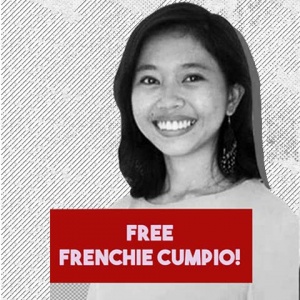
Fellow IAWRT Philippines members have also been slapped with cases of libel during the pandemic, red-tagged as a prelude to further harassment, arrested based on search warrants yielding ‘planted evidence’ and one of them, Frenchie Mae Cumpio, remains in jail since February. Another community journalist, Elena Tijamo, was abducted by suspected state agents while her town was on lockdown and remains missing since June 13. We call on the release of Frenchie and all other journalists wrongly detained or only detained because of their line of work. We call for Elena to be surfaced, along with all other missing or disappeared journalists globally.


Violence against journalists and their media outfits are a threat and a violation of press freedom and freedom of expression and an offence against democracy, while the killing of a journalist is the ultimate form of censorship. On this day, we remember fellow women journalists who were murdered* and continue to call for justice and continue our fight for press freedom.


Gabrielle Marian Hulsen

Karmela Sojanovic

Aysel Malkac

María Carlin Fernández

Ilaria Alpi

Lissy Schmidt

Winifrida Mukamana

Yasmina Drici

Rachida Hammadi

Malika Sabour

Naïma Hammouda

Yasmina Brikh

Saïda Djebaili

Khadija Dahmani

Nadezhda Chaikova

Nina Yefimova

Veronica Guerin

Larisa Yudina

Amparo Leonor Jiménez Pallares

Maria Grazia Cutuli

Natalya Skryl

Zahra Kazemi

Nadia Nasrat

María José Bravo

Kate Peyton

Raeda Wazzan

Marlene Garcia-Esperat

Dolores Guadalupe García Escamilla

Relangi Selvarajah

Hind Ismail

Atwar Bahjat

Maricel Vigo

Ogulsapar Muradova

Karen Fischer

Anna Politkovskaya

Naqshin Hamma Rashid

Luma al-Karkhi

Khamail Khalaf

Zakia Zaki

Sahar Hussein Ali al-Haydari

Sarwa Abdul-Wahab

Uma Singh

Anastasiya Baburova

Natalya Estemirova

Marites Cablitas

Lea Dalmacio

Gina Dela Cruz

Marife “Neneng” Montaño

Maria Elizabeth Macías Castro

Marie Colvin

Regina Martínez Pérez

Ghislaine Dupont

Nawras al-Nuaimi

Wassan Al-Azzawi

Rubylita Garcia

Elsa Cayat

Randa George

Dalia Marko

Flor Alba Núñez Vargas

Hindia Haji Mohamed

Sagal Salad Osman

Miroslava Breach Velducea

Gauri Lankesh

Daphne Caruana Galizia

Leslie Ann Pamela Montenegro del Real

Maharram Durrani

Wendi Winters

Norma Sarabia Garduza

Maria Elena Ferral Hernández


*Committee to Protect Journalists data on murdered women journalists from 1992 to 2020.


1013 iawrt elections 2020

IAWRT member, time to exercise your democratic responsibility and take part in the election: nominate, candidate and/or vote!
.
The timetable for IAWRT Election 2020:
 
12 October, 23h GMT– Nomination period starts. Material available to members (log in to your accounts at the IAWRT website to access):

22 October, 23h GMT – Nomination  period closes
27 October, 23h GMT – Voting opens. Material sent to members with voting rights:

  • The Slate/proposal from the Election Committee, together with the list of all
    Nominations received and the list of the outgoing board.
  • The link to the voting platform, including explanations and instructions about
    how to do the voting

31 October 23.00 GMT: Voting Closed

1009 najiba fi

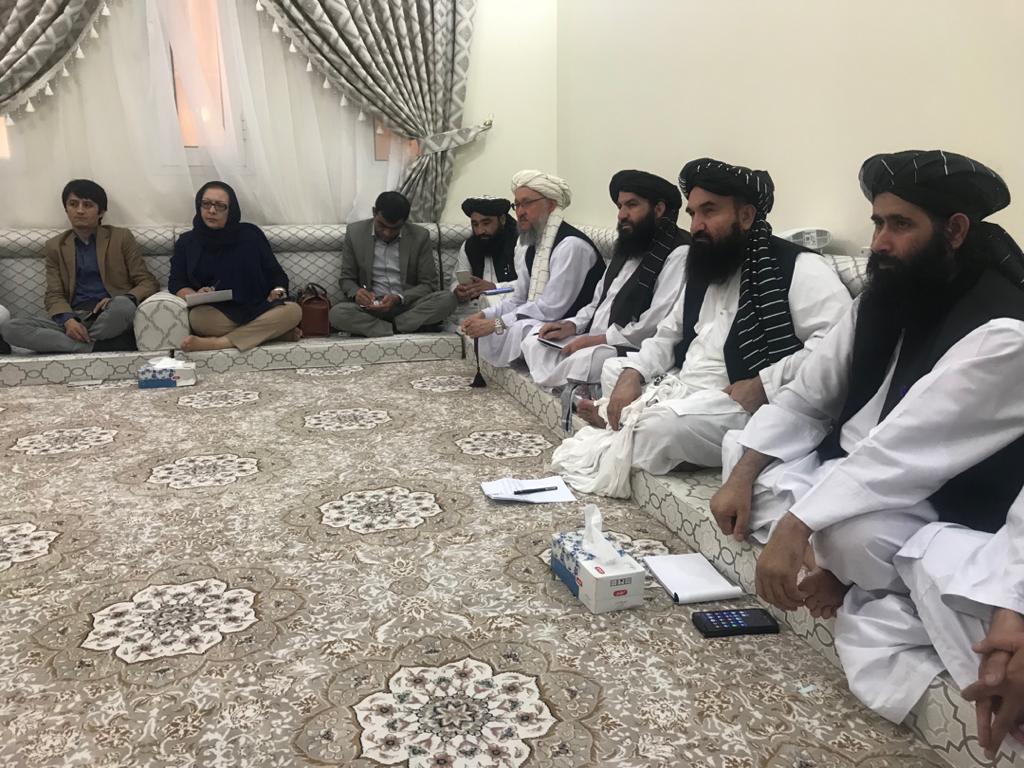
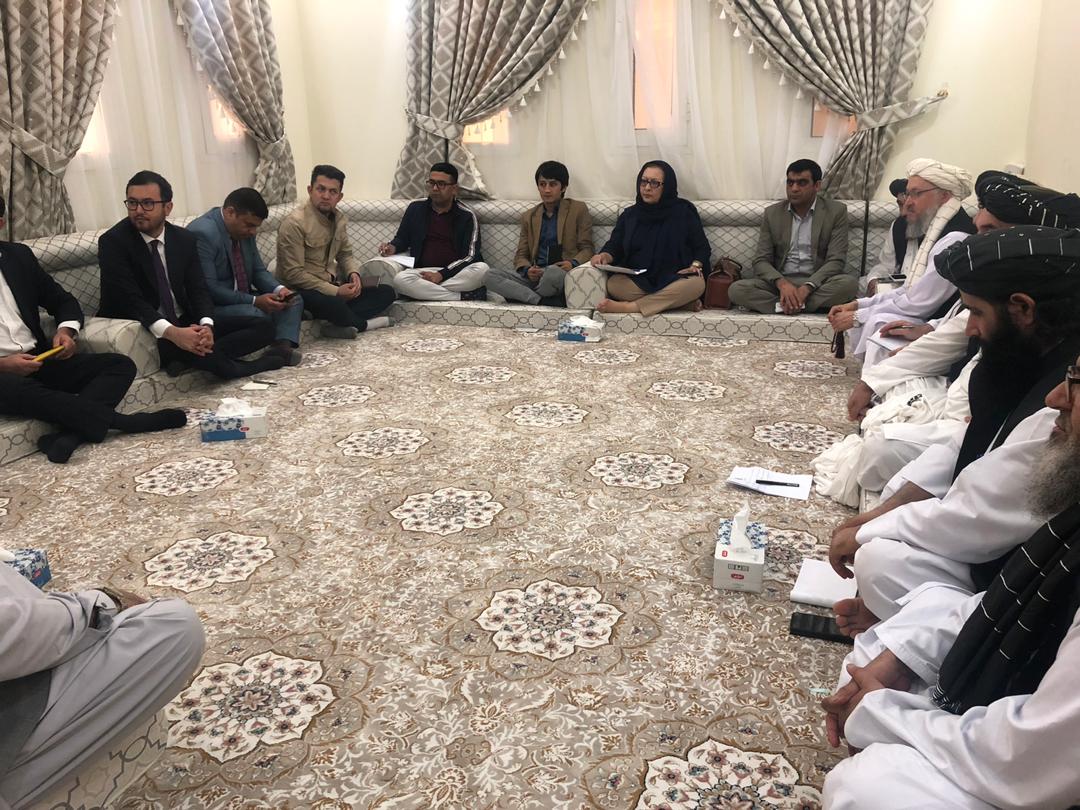
IAWRT Afghanistan chapter head Najiba Ayubi joined talks with Taliban in Doha on freedom of expression and future of media in the country

Journalists call for stronger media role in Qatar peace negotiations between Afghan government and Taliban


Afghanistan’s Ministry of Information and Culture and activists are demanding bigger media role in intra-Afghan talks. 


In late September, Ayubi said journalists have started high-level meetings to demand the return of Afghan journalists to Qatar to cover peace negotiations.


She said government officials have vowed to allow journalists go back to Qatar, adding that negotiating sides should let media to reflect all developments in peace talks.


Award-winning journalist Ayubi has been a leading voice in independent Afghan media for more than a decade. She is a recipient of the 2013 International Women’s Media Foundation Courage in Journalism Award and was named a Reporters Without Borders Information Hero in 2015.


She is currently managing director for the Killid Group, a nonprofit public media initiative overseeing some of the country’s most popular print publications, as well as eight radio stations with an estimated 12 million listeners.


1006 iawrt frenchie fi

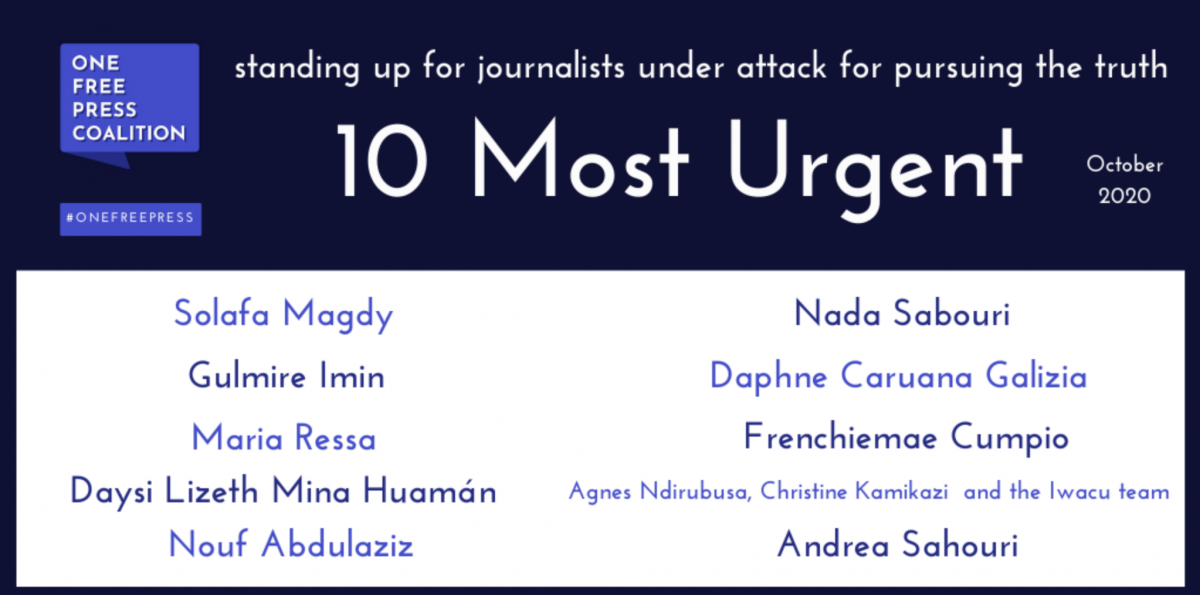
Cumpio ranked 8th in a list where all cases are women journalists jailed, under threat or facing injustice.

by Agatha Hazel Rabino


Detained IAWRT Philippines member and online publication Eastern Vista Executive Director Frenchie Mae Cumpio made it to the list of One Free Press Coalition for the month of October 2020.


The coalition draws up and shares a list each month, highlighting journalists who are incarcerated, under threat or facing injustice, ranked in order of urgency.

Cumpio, a journalist, radio anchor and community broadcaster based in Tacloban has been detained since February 7, after a police raid via a search warrant was held in Eastern Vista’s office in the wee hours of the morning. Cumpio also served as broadcaster for IAWRT’s disaster community radio project Radyo Tacloban and radio news anchor at Aksyon Radyo-Tacloban DYVL 819.

“Prior to her arrest, she frequently covered alleged police and military abuses and had recently faced harassment and intimidation from people she believed to be security agents. A court denied Cumpio’s lawyers’ request to drop the charges; they told CPJ they believe the firearms and explosives were planted to justify the illegal arrest,” said the coalition on Cumpio’s case.

All cases—at least eleven women journalists and two men—were listed among “10 most urgent” press freedom cases by a coalition of 38 widely-known international news organizations.

The top most urgent case is that of journalist Solafa Magdy of Egypt. Magdy’s trial has been repeatedly delayed, at risk of contracting Covid-19 in jail. She has been in pretrial detention since November 2019. Egyptian state prosecutors filed additional charges against her in August, including those accusing her of membership in a terrorist group, spreading false news and misusing social media.

Other journalists in the list include Uighur Gulmire Imin in China, who has served more than 10 years of a life sentence, after she was charged with organizing an illegal demonstration, separatism and leaking state secrets by phone to her husband who lives in Norway.

Rappler CEO Maria Ressa is fighting fines, a six-year sentence for online libel and at least six criminal and administrative cases that could land her in jail for decades.

Daysi Lizeth Mina Huamán of Peru has been missing since January 26.

Nouf Abdulaziz, a blogger from Saudi Arabia arrested in June 2018 in connection to her reporting on women’s rights as part of wave of arrests of activists pushing for gender equality.

Freelance sports reporter Nada Sabouri from Iran began a 3.5-year jail term in August at Tehran’s Evin prison.

This month marks the third year since the car bomb killing of Daphne Caruana Galizia from Malta.

Agnès Ndirubusa, Christine Kamikazi and the Iwacu team from Burundi were covering regional clashes for Iwacu when they were arrested in October, convicted in January of attempting to undermine state security and are serving 2.5 years prison sentence and a $530 fine after their appeal was rejected in June.

Andrea Sahouri was pepper-sprayed and arrested by police on May 31, and was charged with failure to disperse and interference with official acts.

The One Free Press Coalition’s members were said to have a combined reach of 1 billion worldwide. It was conceived during a meeting of the International Media Council at the World Economic Forum. Top editors from leading media organizations committed to shine a light on the plight of threatened journalists all over the world.


1003 wim image

Virtual edition of the film fest from October 17-21

IAWRT films ‘Velvet Revolution’ and ‘Displacement and Resilience’ part of film fest program.


Woman In Media – Newark pushes on with the 11th year of its film festival virtually this October. The film festival was initially scheduled in March this year, but was postponed due to the COVID-19 pandemic.


Two IAWRT films are part of the film festival. There are 28 films in this year’s edition of the film festival.


Displacement and Resilience

Available on October 17 12:00am to 11:59pm

The documentary tells the stories of women refugees from five locations around the world. We meet Syrian women refugees in Tunisia and Canada, a Tibetan refugee in India, displaced indigenous women in the Philippines, and Rohingya women, forced to flee their homeland. “Displacement & Resilience” is produced by IAWRT in 2018 with support from Fritt Ord. Chandita Mukherjee proposed the concept and coordinated the production of this collaborative project. The film brought together six film makers from around the world: Erika Cruz of The Philippines, Khedija Lemkecher of Tunisia, Eva Brownstein of Canada and Afrah Shafiq and Archana Kapoor of India.


Velvet Revolution

Available on October 19, 12:00am to 11:59pm

In this film, six women directors take their lens up-close to Women Making News. In a world riven with conflict and dictatorial regimes where journalists are constantly under threat of both, state and non – state actors, what drives these women journalists to do their jobs?

The film is directed and produced by Nupur Basu, with segments directed by Ilang Ilang Quijano from the Philippines, Deepika Sharma from India; Pochi Tamba Nsoh and Sidonie Pongmoni from Cameroon; and Eva Brownstein from USA/ Bangladesh.


The film festival offers virtual events via zoom.

On October 17, 6pm ET, a panel discussion on human trafficking as relayed in “Sisters For Sale” will be held with filmmaker Katie Carriero, Zonta District 3 Governor Patricia Latona, NJ Human Trafficking expert Dawne Lomangino Dimauro, and moderated by  Wincey Terry Bryant from the NJ Coalition Against Human Trafficking. Register here.

The film festival also features live events, such as the AfroContigbo African Dance Party, Buster Williams Bass to Infinity, Celebrating Toni Morrision Marathon Read-a-thon and a Shorts program among others.

All events are free and open to the public.


0925 unesco survey

Inviting women journalists to answer this survey and also share to fellow women journalists

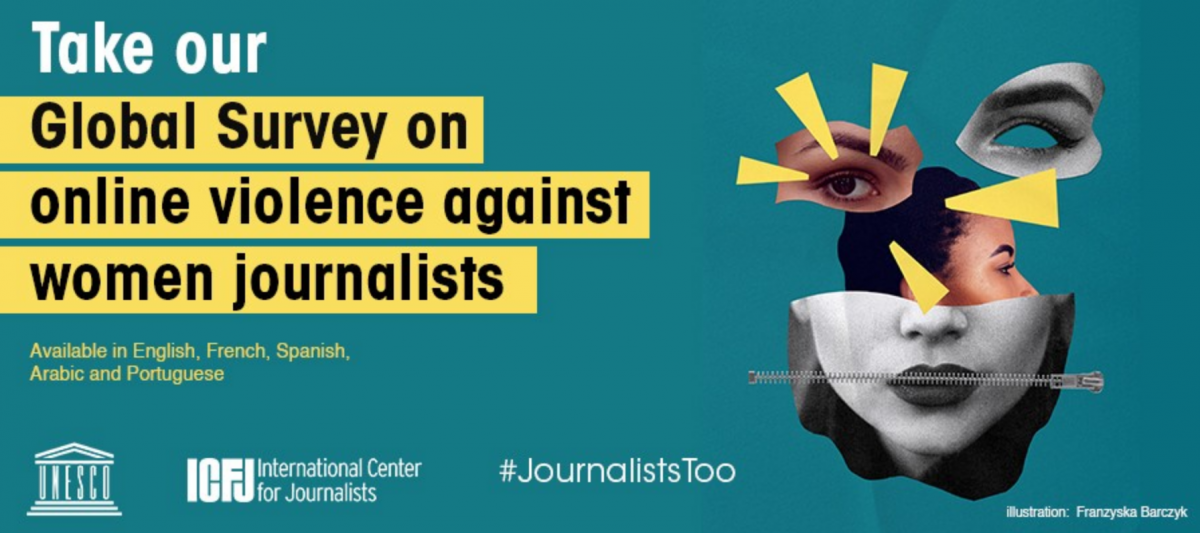
On September 24, the United Nations Educational Scientific and Cultural Organization (UNESCO) and the International Center for Journalists (ICFJ) launch a global survey to assess the scale of online violence targeting women journalists around the world, and to help identify solutions to the pernicious problem. 
 

Online violence – which includes threats of sexual assault and murder, harassment, abuse, privacy breaches and digital security attacks – is injuring women journalists, chilling their reporting, and in some cases forcing them out of the profession altogether. The risk of online violence spilling offline is also significant, and there is growing evidence connecting online attacks with offline violence against women journalists.


For inquiries, and access to the survey, please contact:

You may also contact [email protected] for a link of the survey in either English, Arabic, Spanish, Portuguese or French.


0924 csw65

NGO CSW announced that in light of COVID-19, the NGO CSW65 Forum in March 2021 will be virtual


The sixty-fifth session of the Commission on the Status of Women (CSW65) will take place at the United Nations (UN) Headquarters in New York from 15 to 26 March 2021.


Representatives of Member States, UN entities, and ECOSOC-accredited non-governmental organizations (NGOs) from all regions of the world are invited to attend the session.


On September 24, NGO CSW announced that CSW65 will push through via a virtual platform.  


What is the theme of CSW65?

  • Priority theme: Women’s full and effective participation and decision-making in public life, as well as the elimination of violence, for achieving gender equality and the empowerment of all women and girls;
  • Review theme: Women’s empowerment and the link to sustainable development (agreed conclusions of the sixtieth session)


This year’s CSW64 was cancelled In the light of concerns regarding coronavirus disease (COVID-19). Countries were just then enforcing border controls, travel bans and lockdown as COVID-19 was characterized by the World Health Organization as a pandemic on March 11.


The main focus of the session should have been the review and appraisal of the implementation of the Beijing Declaration and Platform for Action 25 years after and the outcomes of the 23rd special session of the General Assembly held in June 2020 after five years.


The Commission on the Status of Women (CSW) convened on March 9 for a meeting that included opening statements followed by the adoption of the draft Political Declaration. Various events to commemorate the 25th anniversary of The Fourth World Conference on Women that took place in Beijing were still organized and held, mostly virtually.


It was also decided in March that Beijing +25 discussions will take place as a Multi-Stakeholder Hearing on July 21 and High-Level Meeting on September 23 as part of the UN General Assembly events.


Submission of written statements for CSW65 will be open for NGOs in consultative status with ECOSOC from 25 September to 16 October 2020.


UN 75th year

Meanwhile, the UN marked its 75th year with a high-level event via virtual format on September 21, the date earlier agreed upon by member states. The event’s theme was: The Future We Want, the UN We Need: Reaffirming our Collective Commitment to Multilateralism’.


World leaders in the General Assembly gathered to adopt a declaration “honouring the multilateral framework put in place by its founders in 1945 and pledging to better live out the promise to save succeeding generations from the scourge of war.”


Read the Declaration on the commemoration of the seventy-fifth anniversary of the United Nations.”

The declaration lays down 12 succinct commitments to reanimate global resolve:  leave no one behind, protect the planet, promote peace, abide by international law, place women and girls at the centre, build trust, improve digital cooperation, upgrade the United Nations, ensure sustainable financing, boost partnerships, work with youth, and, finally, be prepared.