AnjaliM

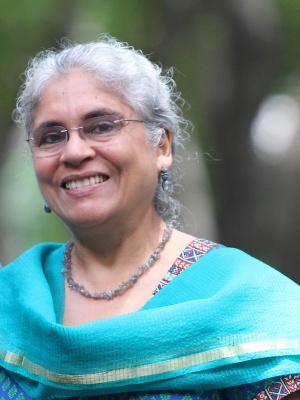
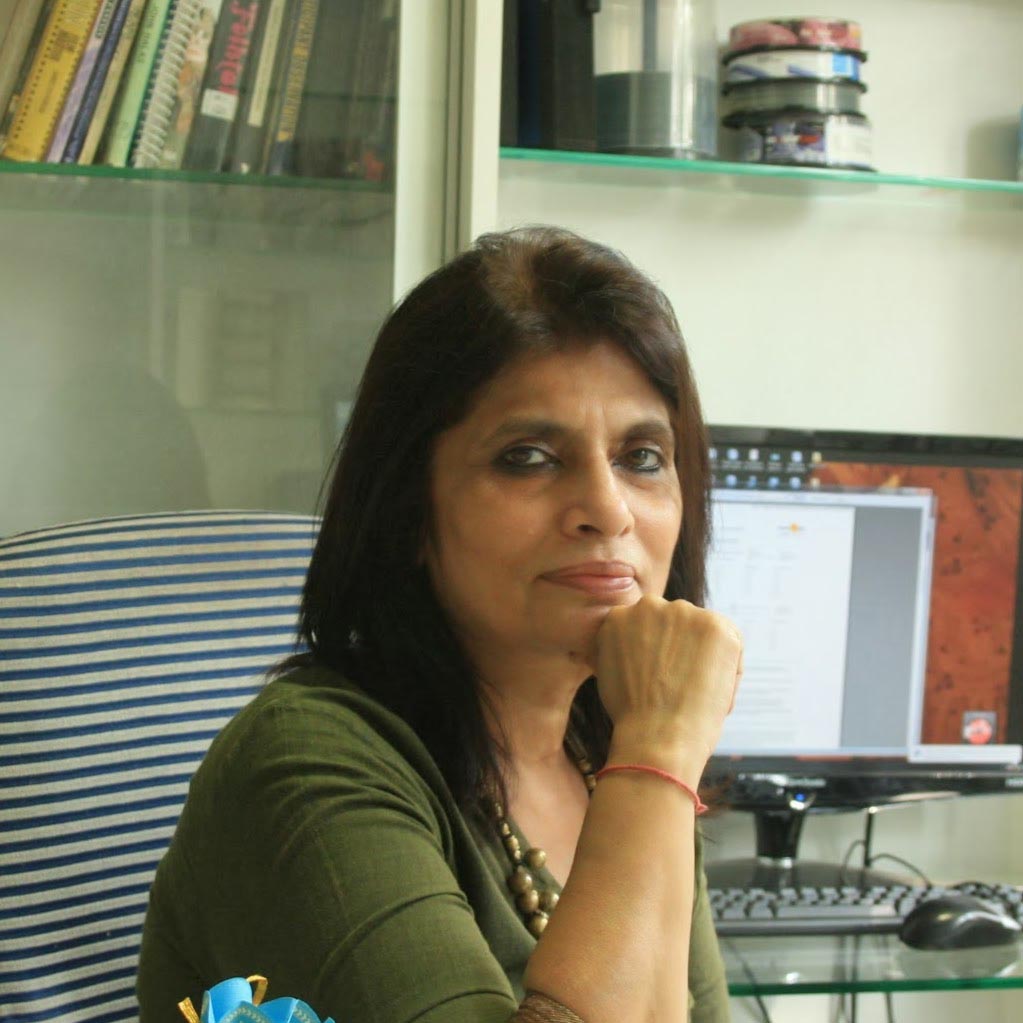
Professor, School of Media and Cultural Studies (SMCS), Tata Institute of Social Sciences (TISS).

I’m a documentary film-maker, media teacher and researcher.

What type of projects do you do?

I enjoy working on documentaries that explore the space of indigenous knowledge systems in India. For the past few years, I’ve been working in Kutch, Gujarat, in Western India, documenting Sufi and other local traditions of music and storytelling.

I also teach in the MA in Media and Cultural Studies at TISS, and supervise Ph.D. scholars. I mentor a lot of student documentary work. I research and write in the broad areas of media and cultural studies, documentary film and censorship and have been active in campaigns for freedom of expression. In all these areas I work closely with my colleague and partner Prof. K.P. Jayasankar. We’ve been working together since 1985.

Why did this sort work interest you, and how did you get started?

I began working with the media for social change about 40 years ago, landing up in TISS in 1983, where I was involved in creating the media centre that is now SMCS.

What part of this job do you personally find most satisfying? Most challenging?

I enjoy interacting with people from local communities, listening to them and telling their stories collaboratively. I love working in a team. I also enjoy working with young people, from whom one learns a lot. I find management and administration challenging and would prefer to focus on creative and teaching work!

What do you like and not like about working in this industry?
I love being in the teaching and documentary filmmaking profession. There is a lot of freedom that we enjoy to create, inspire and to share. There’s nothing I dislike about it.

My strongest assets/skills, areas of knowledge, personality traits and values are….

My ability to work in a team, my love and respect for people and my passion for storytelling, and my ability to write and to structure material, both written and visual.

Has IAWRT’s network of media women around the world helped or inspired you?

I am a relatively new entrant to IAWRT and I enjoy working on the team as a member of the Board of Trustees in India. I AWRT has helped me meet interesting colleagues doing wonderful work and watch some amazing films!

What are your long-term goals?

To produce films that share indigenous knowledge, that represent marginalized voices and hopefully inspire others. To write books that make a contribution to knowledge. To share my insights and to learn from young people for as long as I can.

What special advice do you have for young women seeking to qualify for this type of work?

Be open, compassionate and always ready to dialogue with others. Allow your creativity to flow without inhibition. Don’t be afraid of making mistakes. Always stand up for justice and freedom of expression.

Do you have any special words of warning, or encouragement, because of your experience?

We live in an increasingly unequal world and the media is a part of this injustice and inequality. Each of us has to find our own ways to resist this and to try and make a difference.

links to some of Anjali’s work.  

http://smcs.tiss.edu

https://in.sagepub.com/en-in/sas/a-fly-in-the-curry/book249297#tabview=title

http://mumbairiots.tiss.edu/#/

http://castemumbai.tiss.edu

http://millmumbai.tiss.edu

https://www.youtube.com/watch?v=DSBxltb7Ckw

Personal website/profiles on line.
http://www.monteiro-jayasankar.com

http://tiss.edu/view/9/employee/anjali-monteiro/


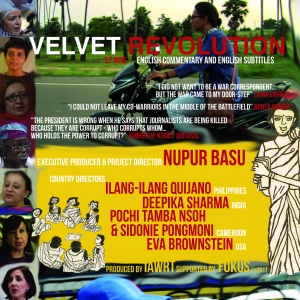
poster-velvet-revolution-final

Documentary wins its first award at the Kashmir World Film Festival.

The IAWRT’s 2017 documentary, Velvet Revolution, has been selected as best film in the Feature Length Documentary section.

Velvet revolution was selected as the winner in July at the Kashmir World Film Festival. The documentary is about the challenges that women journalists face in covering regions in conflict. More details and trailer here.

Nupur Basu, Executive Producer/Project Director of the film, says “The 57- minute documentary, Velvet Revolution, reinforces the fact that there is no longer a red line when it comes to killing of women journalists. Women journalists, like their male counterparts, are also increasingly under attack by state and non- state players as they are doing their jobs. As women, they are exposed to ‘double attacks’ – their personal safety is increasingly under threat and the attacks on them through social media are getting nastier and misogynistic.”

In this exciting collaborative film – Velvet Revolution – six women directors take their lens up-close to Women Making News. In a world riven with conflict and dictatorial regimes where journalists are constantly under threat of both, state and non – state actors, what drives these women journalists to do their jobs? Women journalists from Philippines, Syria, Afghanistan, Cameroon, India, United Kingdom, USA/Bangladesh give their testimonies in this film.

“I did not want to be a war correspondent… but the war came to my door-step” says award winning Syrian journalist, Zaina Erhaim, now living in exile in southern Turkey.

“I could not leave my co-warriors in the middle of the battlefield” says Bonya Ahmed, the wife of slain Bangladesh blogger, Avijit Roy and the Editor of Muktomona, in her first ever documentary interview.

The rivetting documentary profiles women journalists who have paid a high price for speaking truth to power like those in the Panama Papers investigations.

The film was produced by IAWRT. The country directors were Ilang Ilang Quijano  – Philippines, Deepika Sharma – India, Pochi Tamba Nsoh and Sidonie Pongmoni – Cameroon, Eva Brownstein – USA/ Bangladesh and the Executive Producer and Project Director was Nupur Basu. 

 
florencedallu (2)

Board awards scholarships to African members

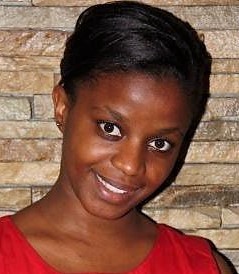
Florence Dallu, an award-winning Kenyan journalist and communications specialist with over ten years’ experience working with both local and international media  is one of two African recipients of IAWRT/FOKUS scholarships for 2017.

Her goal is to be a voice for women and children in Africa, through her writing and multi-media skills.

Carmine Amaro from South Africa has also received support for her media studies in 2017.

Ms Dallu plans to develop her career and skills as a communicator (she now works at the Elizabeth Glaser Pediatric Aids Foundation) by pursuing a Masters degree in Corporate Communications from the United States International University (USIU- Africa).

Florence writes:
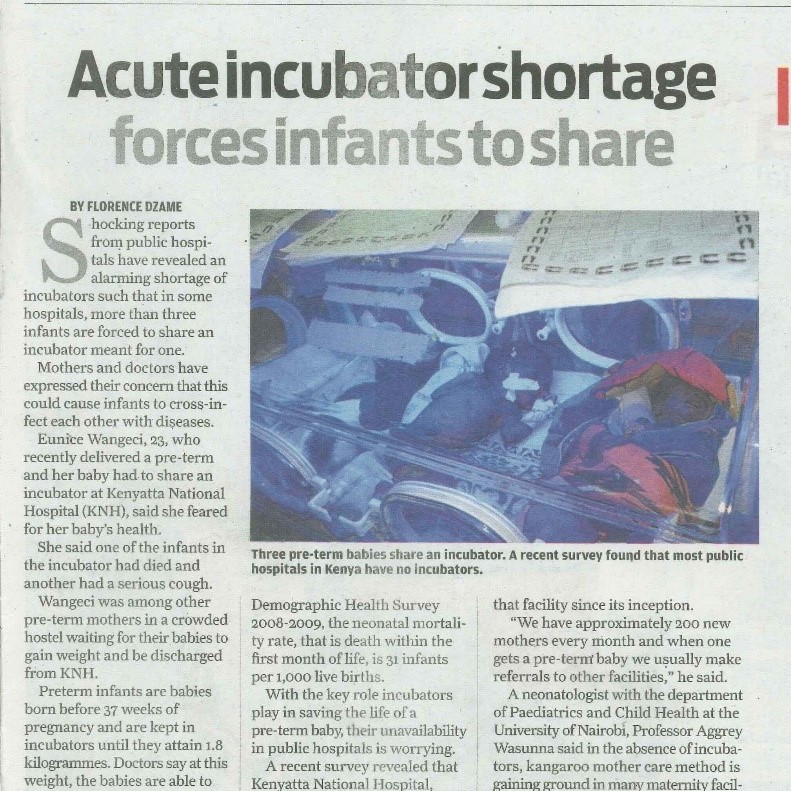
I am a seasoned TV reporter having started in the industry as a teenager presenting a TV children’s show. The program was produced by Josephine Karani – IAWRT Chapter Head in Kenya, and it broadened my knowledge in children’s affairs and grew my interest in advocating for the recognition of children’s rights.

The exposure I gained from my show provided me with many opportunities, among them being elected to the Children’s Cabinet of Kenya. During my term as president, the Children’s ACT 2001 was passed into law.

I have worked in various media fields since my teen years including writing for a national daily newspaper, presenting a radio show with the United Nations Information Center, and a live TV program on a national broadcasting station.

My experiences have fuelled my fervor for advocating for change to alleviate the plight of women and children. A story I did on children forced into sex work in Kenya’s Korogocho slums won me many accolades, including the 2013 CNN African Journalist of the Year, Radio General News Award and the 2012 KEMEP/UNFPA media award on gender and development.

I have plans to publish academic papers and reach an entirely different audience with my pieces. I hope that by pursuing a Masters I can be able to gain skills and advance my knowledge in documentation.

I also hope that the Masters will allow me to grow in my career and give me an added advantage when pursuing opportunities in communications.

Click for another of my stories, Growing up with HIV.

Carmen Amaro:

is an audio engineer at ETV and secretary​ of the South African chapter of IAWRT,. She is the second recipient of  a 2017 scholarship. She is also on online blogger and presenter for Astute Radio – a site which challenges stereotypes. She says she is “really excited about this opportunity for growth”

Carmine is currently enrolled in a Bachelor of Arts program and will be using the scholarship from IAWRT/FOKUS to cover the courses for Communication Science, which is one of her majors. 
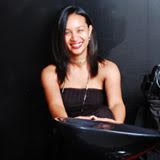
“I have been busy with the introductory courses for Communication Science and last week I completed my examinations for two courses. I am anxiously awaiting the results of these exams.”

The purpose of the courses is to introduce students to the basic principles of communication and to create an awareness of the skills and competencies needed to communicate effectively.

The section on Communication Contexts and Applications covered interpersonal communication, communication in small groups, public speaking, mass communication and specialisation areas in communication studies.

“For the upcoming semester(June-December) I will be studying organisational communication theory and research, and gaining practical skills to promote an integrated approach to organisational communication.

Mass Communication and Media Theory involves critical analysis of the relationship between the media and democracy, the functions, effects and power of the media in society and the media as public sphere and media culture.

My studies will also include English for academic purpose and marketing communication. “I will be finishing further subjects during the Jan-June period 2018 and I will keep you posted.” 

check out some of Carmine’s Astute broadcasts: People living in Poverty Do black bodies matter? and blogs: The Value of Time

2016 recipients

Sarah Nakibuuka Bakehena

 is the IAWRT Chapter head in Uganda, she undertook training in photography and video production at the UMCAT School of Journalism and Mass Communication in Kampala.
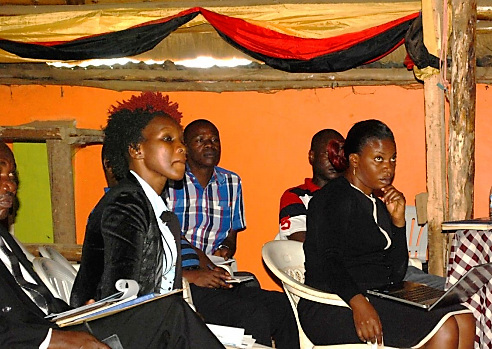
Sarah writes:The training course in photography and videography was aimed to develop and enhance my career capacity as a professional as it offered an opportunity to learn new techniques in the area of photography and videography. It exposed me to various aspects of innovation in the two areas. The training included lectures, field visits, practicals, tutorials and presentations. Pic:Sarah Nakibuuka during one of the practical sessions away from the Institution.  

I had some general skills in the area, but the course helped me acquire additional skills and exposed me to a variety of modern techniques and the opportunity to access the state of the art technology and equipment: The school has equipment for practical work, so now I can handle various equipment for capturing video or stills, editing and the entire production process.

It also provided opportunity for networking and acquiring new friends in the same profession and this has helped me a lot, through referrals. I hope to start producing videos and photos on a commercial basis if I get resources for equipment like cameras, computers for editing and software.

I would like to extend my sincere thanks to IAWRT for the support which has enabled me to acquire additional skills for my photography and videography career. As an IAWRT country chapter head, I will also be able to support both the upcoming members and the professionals in the same field.

Shaileza Singh:

from Nepal was also a recipient of a 2016 scholarship to assist with her Masters Degree at Kantupur City College, Kathmandu.

“I am very much grateful to IAWRT, for providing me such an esteemed scholarship scheme to peruse my academic career, without which I wouldn’t have been able to continue my master’s degree.”

Indeed, with the kind support and help of the scholarship committee of IAWRT, I got this opportunity for enhancing and upgrading my education and qualifications which really translated my dream into a successful reality.

Shaileza has achieved strong results in studies including mass communication, the Nepali media and mass media, journalism principles, media law, photo journalism, and electronic publication.

“It is my pleasure and privilege to let you know that I have accomplished fourth semester of my Master of Arts in Mass Communication & Journalism and I am preparing for my thesis.

Josephine Mirembe Nkuubi:
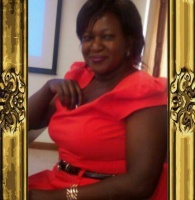
was assisted through an IAWRT/FOKUS scholarship to attend the United States International University – Africa, in Nairobi, to study for a Bachelor of Arts in International Relations, Peace and Conflict Studies. She completed the degree in 2017.  

Josephine says “this support came at a great time of financial need and I am grateful to IAWRT for what it has done for me. Indeed, IAWRT served as my only hope for my last-minute rescue to enable me to continue and complete my studies as I had intended.”

“The USIU training offers me a dual qualification which is acceptable in Kenya and internationally, and this course will be useful in enabling meto  access opportunities that I would never have had because of lack of a first degree.  

In addition, she has been exposed to lots of knowledge and Josephine says she has been humbled by IAWRT’s support, which has given her confidence and grown her self-esteem, She intends to keep working in IAWRT (she is currently the Vice Chair of the Kenya Chapter) “to give back to IAWRT in whatever capacity, forever and ever.”

Josephine will be graduating in early September 2017.

Cecilia Maundu Mwende:

from Kenya, another 2016 recipient,  has been assisted to complete a PHD by thesis with the Department of Communication Studies, Moi University, Eldoret, Kenya. It is entitled “Documentary Filmmaking as an Agent of Social Change”.

It examines expository documentary films which advocate for social change by telling stories concerning problematic social issues. Cecelia’s thesis explores how films go about such advocacy and examines the situations where such strategies most effective in influencing social change.

She is using case studies, accompanied by interviews with documentary makers and target audiences as well as TV program managers to illustrate the extent to which observational documentaries can shape the views of their target audience, and in turn, persuade them to change and take the necessary action.

Sharmistha Jha:

from India has been assisted to complete a PhD at Assam Dom Bosco University, Azara, Guwahati, in 2016 she completed the mandatory coursework. “I am working on my research proposal which relates to online (new) media. 

Mausumi Bhattacharyya
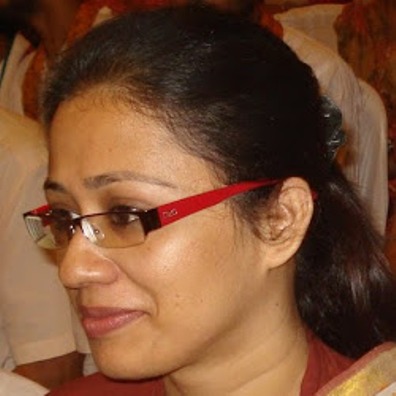
Mausumi was supported in her studies with a scholarship, and completed her thesis in 2016.

We have already posted a website report on her research on Rural Indian women and their use of mobile phones, and shared the executive summary of her thesis about the potential of this technology as a tool of empowerment for such women.

Mausumi is hoping to extend on this research in the future.

OHCHR

Call for submissions

The UN is preparing a report on ways to deal with online attacks on women.

Ms. Dubravka Šimonović, the Special Rapporteur on violence against women, its causes and consequences, intends to examine the issues of protection, prosecution and redress for a report to the Human Rights Council.

While the use of information and communications technologies has contributed to the empowerment of women and girls and a fuller realization of their human rights, Ms Šimonović has noted the need to examine this phenomenon, and the applicability of national laws to violent online attacks.

She will make recommendations for states and non-state actors on ways to fight online violence against women and girls, while respecting freedom of expression and the prohibition of incitement to violence and hatred, in accordance with article 20 of the International Covenant on Civil and Political Rights.

The Special Rapporteur is looking for information on existing good practices on law regulating violence against women and sexual harassment on-line and will receive submission from states, national human rights institutions, NGO’s, and academia, on the following topics:

  • Existing legislative models, criminal or administrative, on prosecuting and punishing various forms of online violence against women;
  • Existing policies that allow identification, reporting and rectification of incidents of harassment or violence against women via the internet services providers;
  • Existing jurisprudence from international, regional, and national courts, on prosecution or administrative proceedings in such cases.

Submission will be received in English, French and Spanish. and should be sent electronically by 30 September 2017 to [email protected] using the title: “Submission on online violence against women”.

Please also indicate if you have any objections to your reply being posted on the OHCHR website. Questions or requirement for clarifications concerning this request can be address to the Office of the High Commissioner for Human Rights ([email protected]).

The final report is due to be presented to the Human Rights Council in June 2018.


uganda

By Sarah N. Bakehena & Eunice N. Kasirye

IAWRT’s Uganda Chapter is working on implementing strategies to improve media gender recogition and representation. 

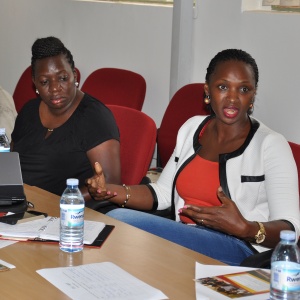
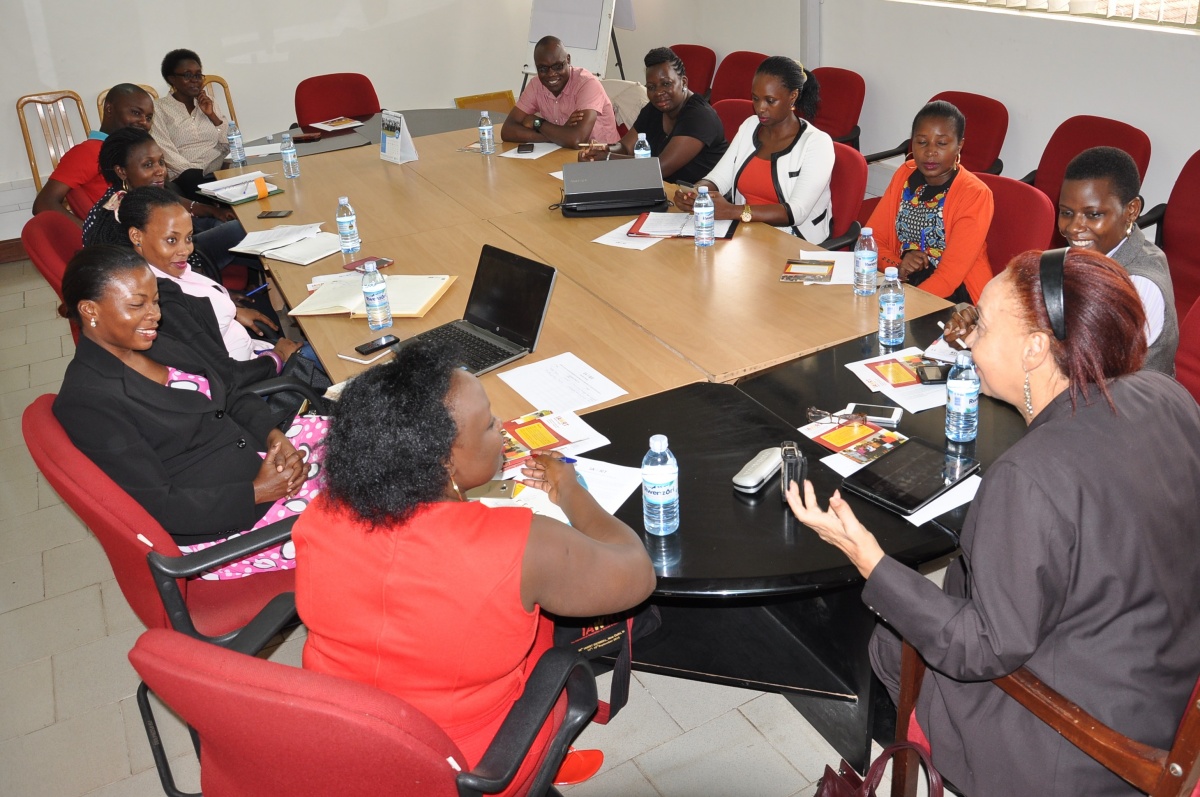
It has held several workshops on gender mainstreaming for senior media managers and reporters from stations in Uganda.Their purpose was to create awareness and to empower media managers and journalists with an understanding of the value of gender mainstreaming, as well as to stimulate dialogue on incorporating gender issues into media output. They also aimed to to come up with an implementation strategy which will include developing a Gender Mainstreaming Guide for Media in Uganda.(Pic right: Irene b. Mugisha Treasurer IAWRT Uganda Chapter and  left is Ms. Sofie Matovu Programs Manager Uganda Broadcasting Corporation (UBC) Television).

Uganda, like many other African Countries, presents serious concerns in terms of gender imbalances and inequities in employment opportunities, female participation and the portrayal of women and girls.

The Beijing Platform for Action for Equality, Development and Peace places specific obligations on the media, both in the way women participate and in how they are portrayed. It has objectives that require signatory nations and their citizens to ‘increase the participation and access of women to expression and decision-making in and through the media and new technologies of communication’ and that demand that governments and other organisations, businesses and individuals ‘promote a balanced and non-stereotyped portrayal of women in the media’

During the workshops, the participants observed key issues affecting women in the media in Uganda.

  1. Lack of an ability to demand their space in the media industry from the newsrooms. The majority of female journalists are trapped in junior and subordinate positions in the newsroom because they lack what it takes to push to decision lines and even lack mentorship to gain excellence.
  2. Majority of female journalists are assigned or even opt for less challenging tasks for fear of going an extra mile to make them shine.
  3. Female journalists are often compromised by male bosses whom often turn them into people with less self esteem.
  4. News sources are also said to be abusive to female journalists.
  5. Some female journalists have done little to diversify their knowledge and skills, which makes it hard for them to be assigned to critical stories.
  6. Capacity building and development is not taken seriously by most female journalists and is often used as an opportunity to get off routine work or even for spoiling oneself.
  7. Some female Journalists tend to dress in a way that takes away their dignity.
  8. In Uganda, because the media is so demanding, some media owners prefer that a journalist should be at work on a daily basis. When female journalists become pregnant, it is a reason for them to be demoted or asked to leave for good. This is a breach of the labour laws.
  9. Female journalists in the regional areas still struggle with conservative societal perceptions about the role of women in society..
  10. Remuneration for female journalists is wanting. Even when they do the same job as their male counterparts their pay is little, inconsistent or paid partially or in arrears

Key Strategies for Gender Mainstreaming:

  As a strategy, IAWRT Uganda Chapter agreed to
   * Develop a Gender Media Guide 

   * Develop a Code of Ethics to protect women against discrimination in the media.

   * Profile all female journalists around the country

   * Undertake a mentorship program for all women in the Media in Uganda to empower them with key journalism skills.

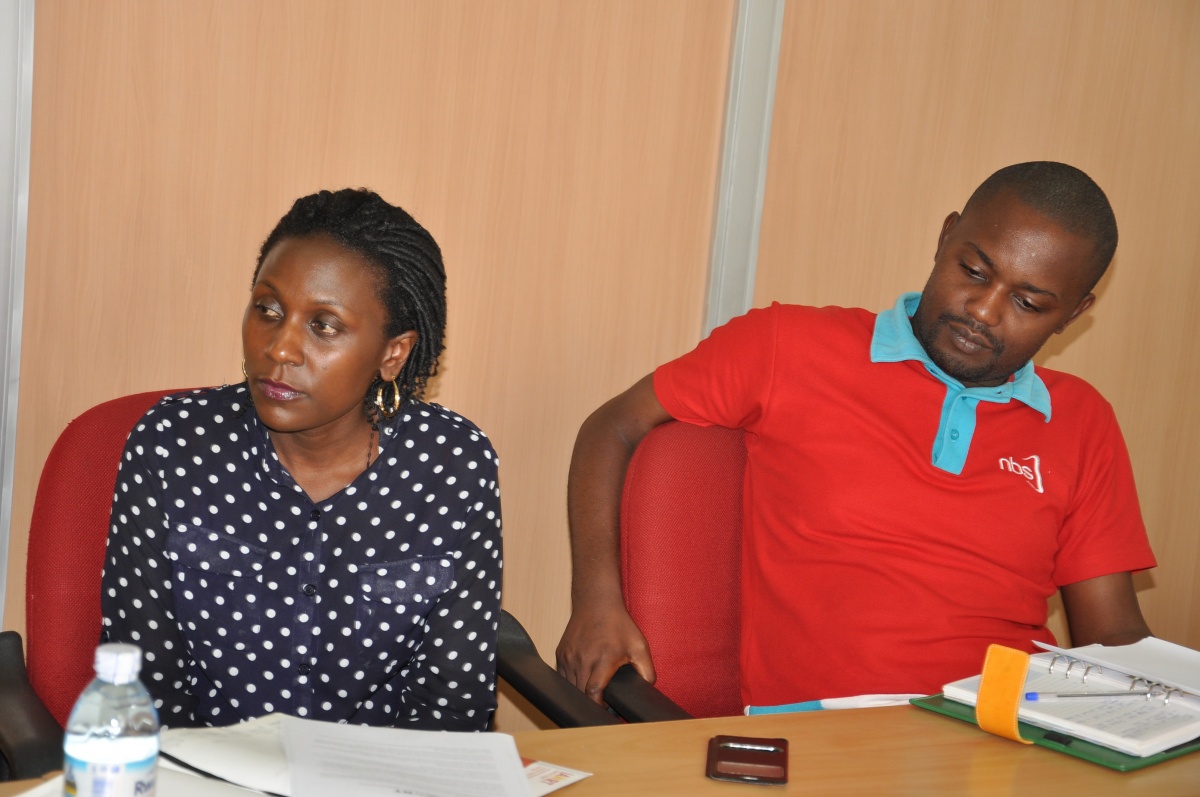
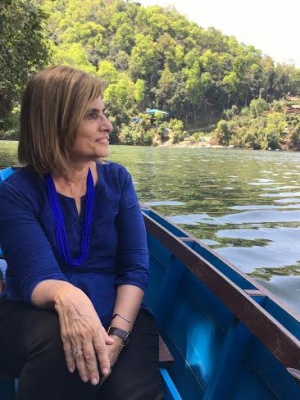
   (Pic: Ms. Rose Namale Board Member IAWRT Uganda Chapter and Mr. Tyaba S. Abubaker Programs Manager NBS Television). 

syriajourno

women making news in a world riven with conflict and dictatorial regimes

The IAWRT board has set aside funding for the screening of Velvet Revolution 

and is accepting chapter and,later, individual member proposals for screening of our film about women making news, despite adversity. 

Such activities must be non-commercial and may include workshops or panel discussions about the gender, media freedom and safety issues raised in this collaborative film

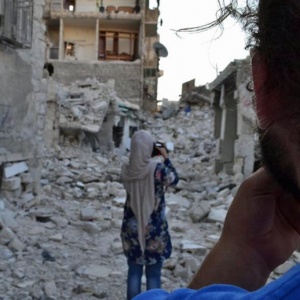
Since its completion in February 2017 Velvet Revolution has been screened at the  IAWRT Asian Women’s Film Festival in India, a paralel session at the 2016 CSW in New York, the IAWRT Nepal Women’s Film Festival, World Press Freedom Day events in London and New Delhi and at Amnesty International’s International Secretariat in London.. It has also screened at UNIC and UN Women in Delhi and at the International Short and Documentary Film Festival in Thiruvananthapuram in the Indian state of Kerala.

See the attachment for details.

Ninanepal

Location: Industrial Design Centre, Indian Institute of Technology, Bombay

Name of job: Professor

What type of projects do you do?

I make animated films and illustrated books for children. My approach to filmmaking is ethnographic.  In my films I explore the potential of animation film to represent and interpret nonverbal (sensorial) texts produced by participants, from within their aesthetic space. I collaborate with communities that have their own visual language and stories that they want to tell. I bring in my strengths as a film maker and animator and they bring in their art and approach to life.

I use a similar approach while illustrating books for children and young adults. I find the dynamics between words and images very exciting and challenging.

Why did this sort work interest you, and how did you get started?

I love real life stories and I really like meeting people from all walks of life. I was always more interested in biographies than fiction. I find my work allows me that intensity of experience and engagement without guilt of being voyeuristic. For the period that I work together with a community, in that liminal space, we experience a sense of being equal and share our art, thoughts, and life stories.  It may have been a part of my life for a long time, although in terms of an informed method it may have started ten years ago.

What part of this job do you personally find most satisfying? Most challenging?

The most exciting part is the interaction and the co–creation of a story. This  is when we bring together all the shared knowledge, our observations from life and being in the same space. The most challenging part is putting it together in animation that retains all that experience, ensuring it is true to their art and speaks to everyone.

What do you like and not like about working in this industry?

Being an academic my interactions with mainstream animation is very limited. My work also does not fall into that space, since animation is generally accepted as humorous, entertaining and child-friendly.  My work in illustrated books has a lot of interaction with the publishing industry, which I find very challenging as well as satisfying.

My strongest assets/skills, areas of knowledge, personality traits and values are…

Areas of knowledge: Storytelling, animation, illustration, research; Personality traits: curious, people-friendly, enthusiastic, optimistic, have team spirit, committed.

Has IAWRT’s network of media women around the world helped or inspired you?

Yes. Through IAWRT I have met some of the most brave, dynamic and inspiring women from different parts of the world. Their work encourages mine and their spirit motivates mine.

What are your long-term goals?

My goal or dream is to create a network of communities with whom I have worked and bring them together. Then, through such interactions create a film with them, which will explore multiple visual voices and ways of telling.

What special advice do you have for young women seeking to qualify for this type of work?

Such type of work requires passion and a love for people. We also need to be open to all ways of thinking and being. Sometimes our worldviews may clash and that is possibly because of what different experiences each individual is exposed to and our different ways of living. One person’s reality is fiction to the other. For this kind of work one needs to suspend judgment and continue to work without compromising one’s own ethics or beliefs.

Do you have any special words of warning, or encouragement, because of your experience?

It is the most beautiful and heart-warming space to be in.  It teaches you a lot about life, about yourself and others. You make friends with people who would otherwise never cross your paths and from you would miss learning about the beauty of the world.

Links to some work online.  

Nina Sabnani You Tube

Personal website 

International Women Media enhanced CADD

The hard work of the Philippines chapter paid off in spades at IAWRT’s 2017 Biennial 9  to 11 November 2017.


It was held in Quezon City, the largest city in Metro Manila. 

IAWRT-Philippines ensured the conference was a dialogue between local organizations and movements which are women-led or involve substantial female participation, and women in media from all over the world.

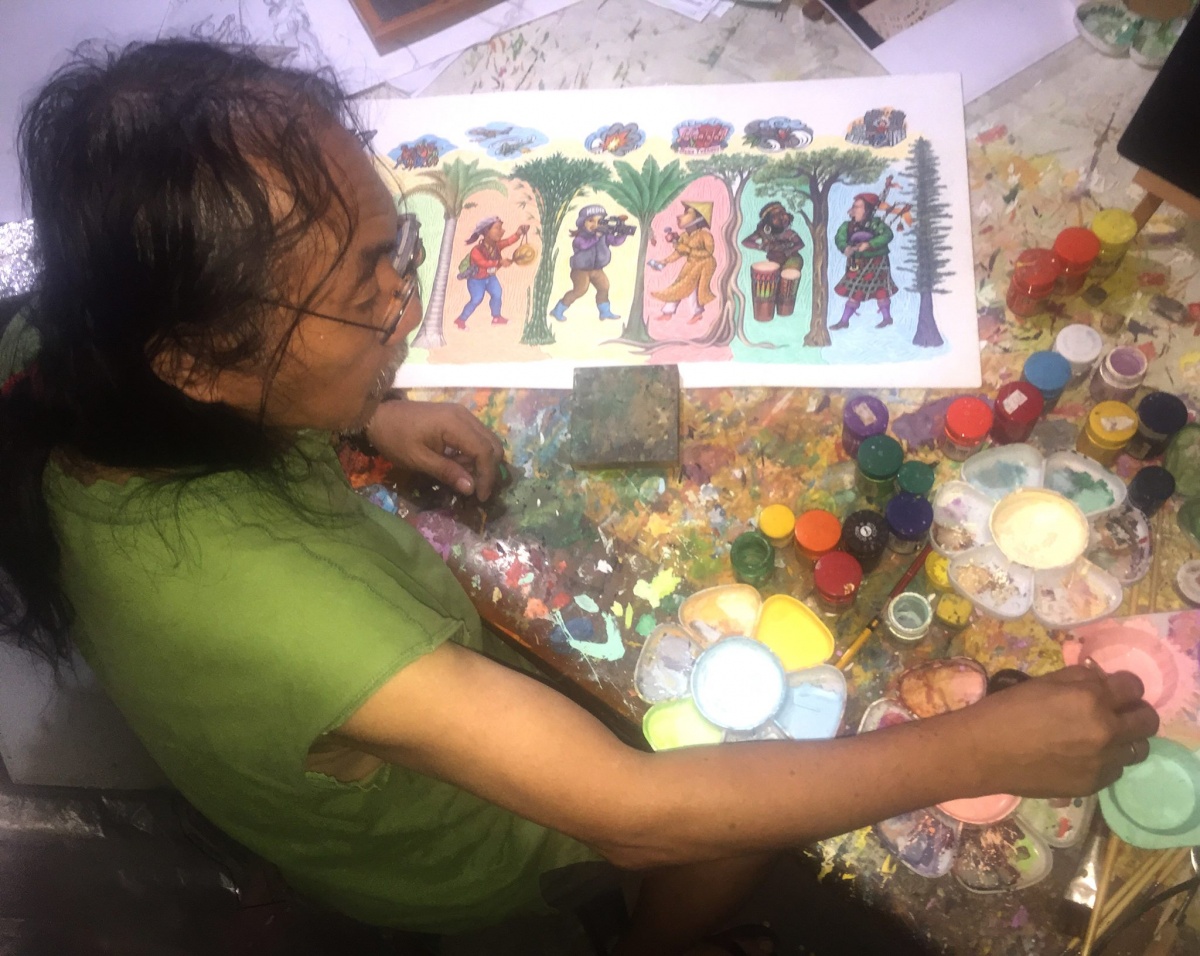
Activist visual artist Federico Sulapas Dominguez (also known as BoyD) who is known for work that depicts the struggles of women, farmers, indigenous peoples and other marginalized sectors, povided the Biennial design and perfomed for the delegates. 

The planning committee chaired by the IAWRT Treasurer, Violet Gonda, and international board members, Abeer Saady and Iphigénie Marcoux Fortier worked with the Philippines chapter to finalize the agenda. It includes timely presentations on challenges for Philipino women journalists, women covering wars on terrorism, and women in the media covering disasters as well as the launch of the IAWRT Safety handbook for women journalists. (see full program below) 

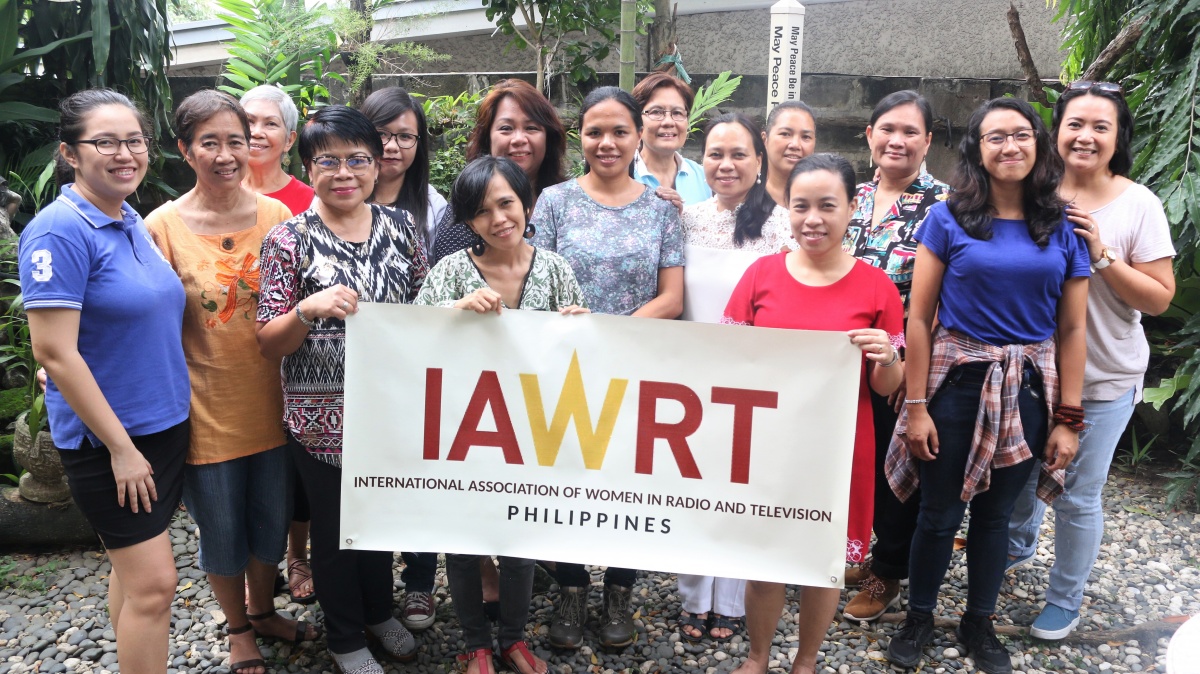
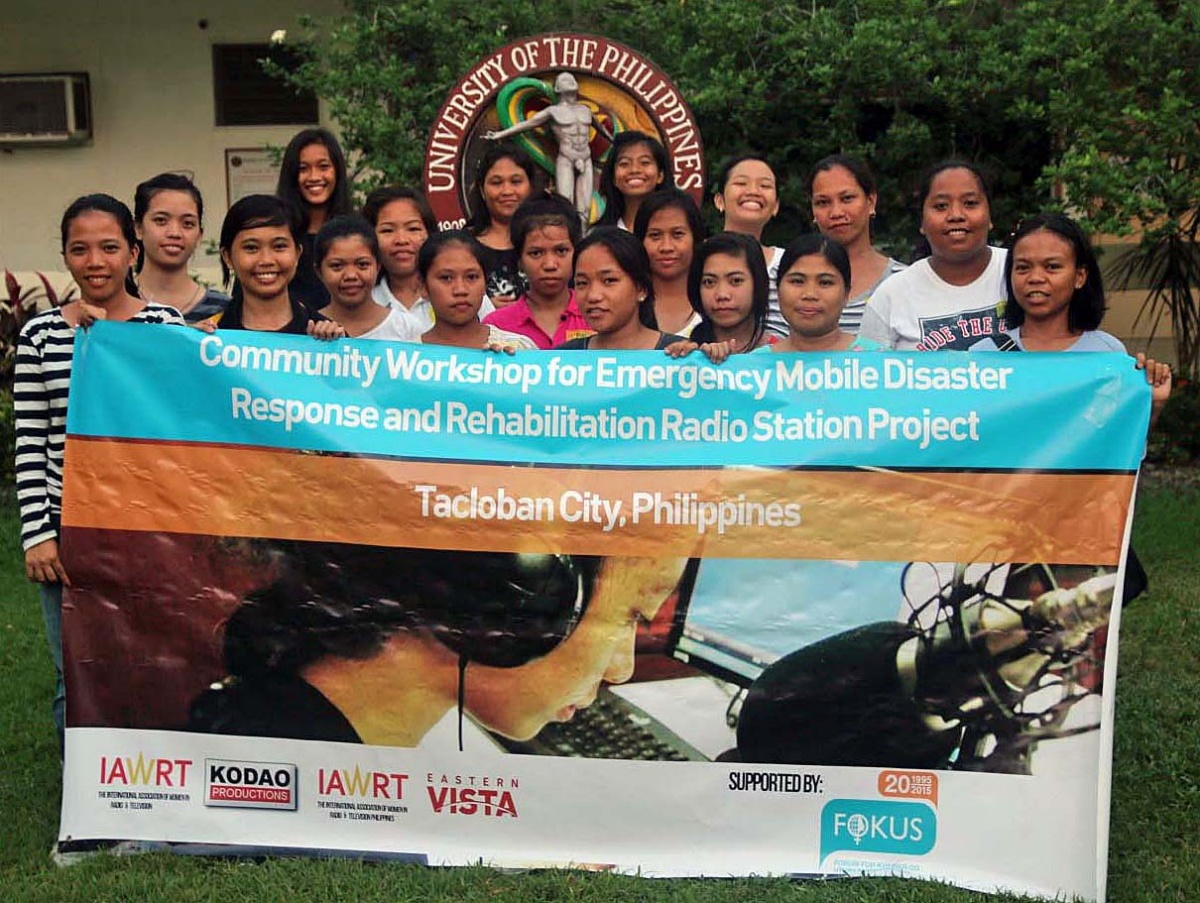
pic: Some of our hosts; photographed by Jo Maline Manangum; courtesy of Kodao Productions)

IAWRT President Gunilla Ivarsson says the board felt the Philippines was a very natural choice – “IAWRT-Philippines has done a very good job with restarting and rebuilding the local chapter. It is very active, creative and the members do their work with great credibility and responsibility”.

“One of IAWRT’s most exciting recent activities is happening in the Philippines where the chapter and its head, Jola Diones-Mamangum, is working on the mobile disaster response radio project – also a good reason for conferencing in the Philippines” she said.

The head of IAWRT-Philippines says, “more than three years of rebuilding the chapter is bringing together a committed group of broadcasters whose journalism tries to bring under-reported issues to the fore.”  Jola wants to show the world the situation for the media and women in the Philippines and that will be the theme of  the 3 day conference.

“The Philippines prides itself as Asia’s first republic and as a democracy with a vibrant press and mass media sector.  Beneath the veneer of an inclusive society, however, are festering issues” she says.

“Poor women lead the fight in occupying vacant government housing as well as vast tracts of land in the control of landlords.  In other parts of the country, women ‘contractual’ workers die in factory fires without government attempts to even list down their names.  In disaster-hit areas, women bear the brunt of problems brought about by government inaction on forced relocation, joblessness, sexual and human trafficking and the lack of social services.”

Jola says one of the most urgent issues to highlight is the approach to news by the corporate media. “Struggles by women for social justice meet with vitriolic campaigns in dominant mass media outfits and on social media.  It is a state of affairs that compels Filipino women broadcasters in radio and television to continuously redefine their journalism to better serve marginalized sectors in society, not the least of whom are poor women.”  

“We want to make the biennial event a showcase for the positive work that women in the media can do – as well as to recruit more members in both mainstream and alternative media –  through increasing the chapter’s profile.”

Topics include media and women and social justice; gender-based conflict reportage; women in natural disasters and covering the war on terror internationally along with the difficulties of reporting land based conflict in the Philippines.

Time has been set aside to screen or feature media productions, including this year’s IAWRT documentary – Velvet Revolution.  The IAWRT board has heard comments from members coming to the biennial, that they want to have more time for screenings. IAWRT members who want their work to be shown should send an online link to [email protected]. This is open to members regardless of wether they will attend. Stay tuned to our facebook site as some sessions will be live streamed. (pic: veteran Philippines joirnalist Inday Espina Varona, featured in Velvet Revolution)

An entire day will be dedicated to organizational development. The IAWRT President says the 2017 Biennial will be a bit special, “since we really must make the time to work on our internal development – modernizing the election process, conducting a strategic workshop around the evaluation report through FOKUS, and doing some creative and strategic thinking around fundraising and the Gender Mainstreaming Project.”

The President encourages members to start looking now for local sponsorship to help them attend the biennia ans spread the word about IAWRT. “Funders want something in return – so why not offer to organize a workshop/panel when you come back home -in return for the sponsorship – sharing the insights and the work and projects that we are doing.”

Journalists who are coming to the Philippines to report on the  ASEAN (Association of South East Asian Nations) summit in Manilla, which is expecting the leaders of China, the US, Russia, India, Japan and Australia to attend, have a golden opportunity to to meet and learn about local issues from a Philippines perspective by attending the IAWRT Biennial beforehand. See you there in November! contact [email protected] for more detals.

About our Biennial Design Artist


Federico Sulapas Dominguez is known as BoyD  (boy dee) to friends and the progressive movement in the Philippines. He is a well-known progressive visual artist in the Philippines who was born in the municipality of Maluko, Province of Bukidnon in Mindanao. He is descended from the Tagalogs of Bulacan province in Luzon and Mandaya of Davao Oriental on his father’s side and natives of Surigao Del Norte on his mother’s side. He studied Architecture at the University of Mindanao and Fine Arts (Visual Communication) at the University of the Philippines-Diliman.
Among his favorite themes are the environment, agriculture, disaster-preparedness and social issues.

A master colorist, he is hailed for infusing indigenous and people’s culture in his paintings, drawings and murals, it is often said a Dominguez art piece could never be mistaken for anyone else’s. BoyD credits his decades of activism in the development of his award-winning and increasingly popular art.

An active member of the Concerned Artists of the Philippines, BoyD has been featured in solo and group exhibits in the Philippines and abroad. He currently works as a freelance graphic designer, art director, painter and illustrator. He is also a musician who plays the harmonica in concerts and mass mobilizations. BoyD was a recipient of the Asian Public Intellectual (API) Fellowship Grant from 2013 to 2014.

periodismo_culture-1150x770

Six media murders in 2017

By Nonee Walsh

The Global Alliance on Media and Gender has added its voice to international NGO condemnation of the high murder rate of Mexican journalists.

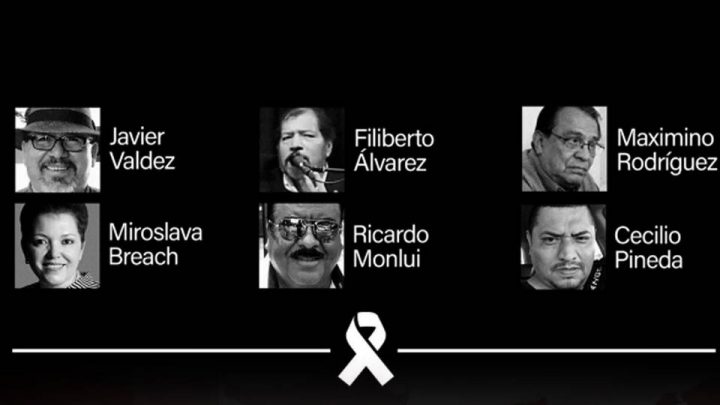
In May, the broad daylight shooting of veteran crime reporter Javier Valdez from the Mexico City-based daily La Jornada, was followed quickly by the  wounding of Sonia Cordova and the death of her journalist son, Jonathan in a shooting in Autlan, in the neighboring state of Jalisco.They worked on the family run Semanario Costeno weekly magazine.

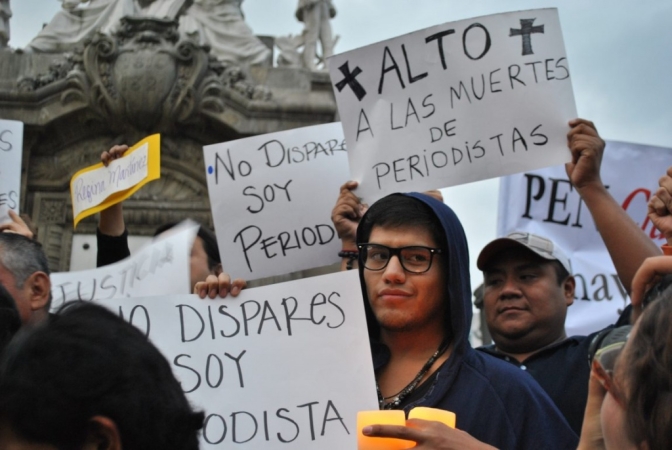
Protests erupted in several Mexican cities. (pic: Candles for Freedom of the press: Mexico City. Protoplasmakid / Wikimedia Commons / CC-BY-SA 4.0) and a number of prominent Mexican news outlets went dark for a “Day Without Journalism” to protest the murder of Valdez and  journalists across the country. They blacked out sites or only published stories about journalist murders.

The continued brazen killings of media workers this year have included the death of Miroslava Breach, a 54-year-old correspondent for Chihuahua’s La Jornada, who was shot in her car as she prepared to take her son to school. It was reported that the last story she worked on was about drug cartels covertly backing mayoral candidates.
Reporters Without Borders (RSF) says that when journalists cover subjects linked to organized crime or political corruption (especially at the local level) they immediately become targets and are often executed in cold blood. “Most of these crimes go unpunished, with Mexico’s pervasive corruption accounting for the impunity” it says. 

Last year a record 11 journalists were killed, according to the freedom of expression NGO, Articulo 19.

Mexico has become the third most dangerous country in the world for journalists, after Syria and Afghanistan. It is the western hemisphere’s deadliest country for media workers. RSF’s 2017 World Press Freedom Index ranked Mexico at 147 out of 180 countries. Articulo 19 says 105 journalists have been murdered since 2000. Scores of journalists have disappeared.

GAMAG says a serious problem is the vulnerability suffered by Mexican journalists, particularly women, because of widespread violence and intimidation. Women’s Communication and Information (CIMAC) which covers Mexico and Central America, says women journalists receive threats against themselves and their children as an intimidation tactic.

Violence to prevent women journalists from exercising freedom of expression

Mexico is well known for unprosecuted sexual assaults on women, and female journalist are expecially succeptable to sexual assualts – physically and by cyber attack.

GAMAG says that The First Report on Violence Against Women Journalists, published by CIMAC,  found that in recent years, 433 women journalists in Mexico have been victims of gender-based violence. Between 2005 and 2017, 19 women journalists were murdered. 

“It [The CIMAC report] shows that often it is the state apparatus that tries to intimidate women; in Mexico, 60% of aggressors are government officials. Most of these journalists covered corruption and links between government and organized crime. Thus, violence is the mechanism to prevent women journalists from exercising freedom of expression in patriarchal societies like Mexico.”

A sector to investigate attacks on Mexico’s press has been in place for more than a decade. Since 2010, the Special Prosecutor’s Office for Crimes against Freedom of Expression (FEADLE) has received 798 complaints about serious physical violence against journalists, 47 of them murders. The Committee to Protect Journalists (CPJ) reports that only three of the complaints have resulted in convictions and sentences. It concludes, “the impunity is almost total”.

Estimates vary, but it is thought that 30 Mexican journalists have been murdered in connection with their work since December 2012, when Peña Nieto began his presidential term with the promise of a new order.

“Every crime against a journalist is an attack on freedom of expression and on society as whole” 

These were Peña Nieto’s words on 19 May 2017 at a meeting of 24 Mexican state governors and officials.  Articulo 19 says this was was his first public reaction to the wave of journalist killings. The President announced a series of measures to provide journalists with more protection and to combat impunity for crimes of violence against them. He promised “As president, I assure you that we will act with firmness to arrest and punish those responsible” Official statement .

In a cautious response, RSF “took note” of the pledge. We welcome the undertakings given by President Peña Nieto and we expect them to be followed up by action,” said Balbina Flores, RSF’s representative in Mexico. “We will remain vigilant and will closely monitor the implementation of the announced measures, which are very urgent, given the terrible violence to which journalists have been exposed for more than a decade.”.

 The Global Alliance on Media and Gender says it “strongly calls on the Mexican authorities to investigate these killings and to ensure that the perpetrators are not left unpunished.”

“The GAMAG calls on news media owners to ensure safe and secure conditions for the journalists they employ.”

The horrendous situation in Mexico, along with the extra pressure on Mexico’s female media workers is by no means unique, with the RSF accompanying the release of the 2017 World Press Freedom Index with a somber warning.  “We have reached the age of post-truth, propaganda, and suppression of freedoms – especially in democracies.”

“The index highlights the danger of a tipping point in the state of media freedom, especially in leading democratic countries.”

RSF argues that journalism is being weakened by democracy’s erosion.

Other media on women in Mexico.

Is this the most dangerous place to be a female journalist right now? by Andalusia Knoll Solof

Mexican journalists say no to silence and yes to death  by Ann Deslandes

Dangerous Work: Female Journalists in Mexico Women across Frontiers

NIna

Two IAWRT India Chapter members in prestigious awards

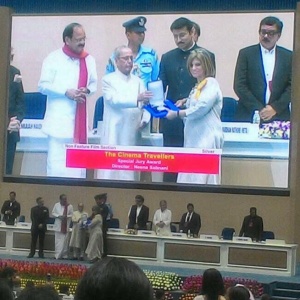
The animation section of India’s most prominent film accolade, the National Film Awards has been won by Nina Sabnani.

She won the Rajat Kamal award for for best animation film ‘Hum Chitra Banate Hai or We Make Images.The judging panel described it as “A playfully warm story that brings to life India’s traditional art by incorporating it innovatively in the animation itself.”  
Nina curated the animation segment in the 13th IAWRT Asian Film Festival held in New Delhi in March 2016. In 2015, she co-designed the beautiful IAWRT Biennial conference schedule with Priyanka Chhabra, which used paintings by the same Bhil artist, Sher Singh Bhi.

Nina is an artist and film storyteller and is currently Professor at the Industrial Design Centre, IIT Bombay.

The film We make Images is an animated interpretation of an origin myth from the Bhil community in Madhya Pradesh – Adivasi tribal people of central India.


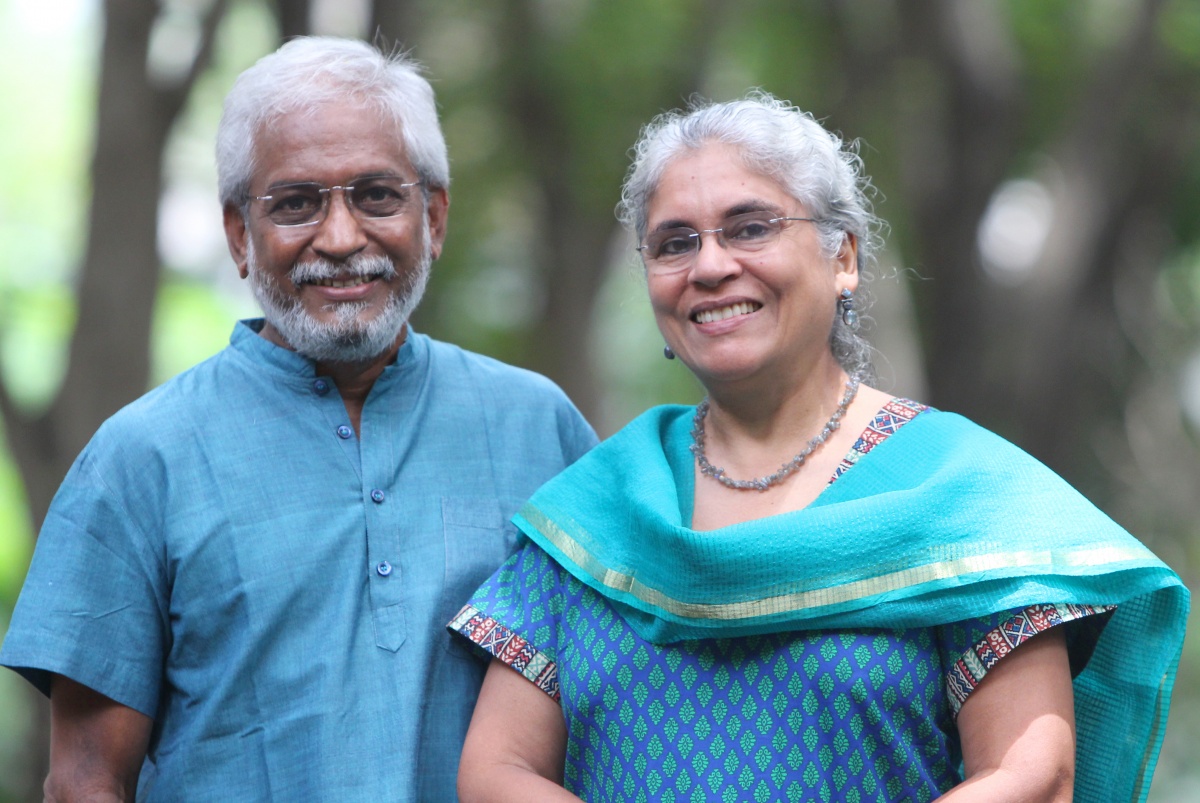
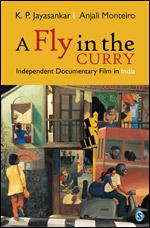
Another active member of the IAWRT India Chapter, Anjali Monteiro and her spouse,K.P. Jayassankar, received a special mention in the best book on cinema section of the Nationals for A fly in the Curry an exploration of independent documentary films in India

Both are Professors and award-winning documentary filmmakers at the School of Media and Cultural Studies, Tata Institute of
Social Sciences, Mumbai.

Their book revisits the relationships between film-makers and their narratives and “sets new standards in form and context in cinema studies” according to the judges of the 64th National Film awards.

The awards were established in 1954, and are now administered, by India’s Directorate of Film Festivals. Full list of winners.

The President of India, Pranab Mukherjee, presented the awards at a ceremony in New Delhi, on 3 May 2107. 

This was followed by the inauguration of the National Film Festival, where the award-winning films were screened for the public.


Media coverage: National Film Awards 2017: IIT Bombay Professor’s Animation Film Wins Rajat Kamal