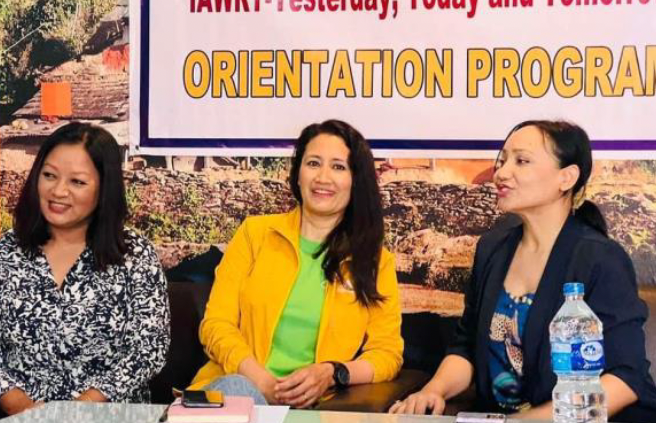
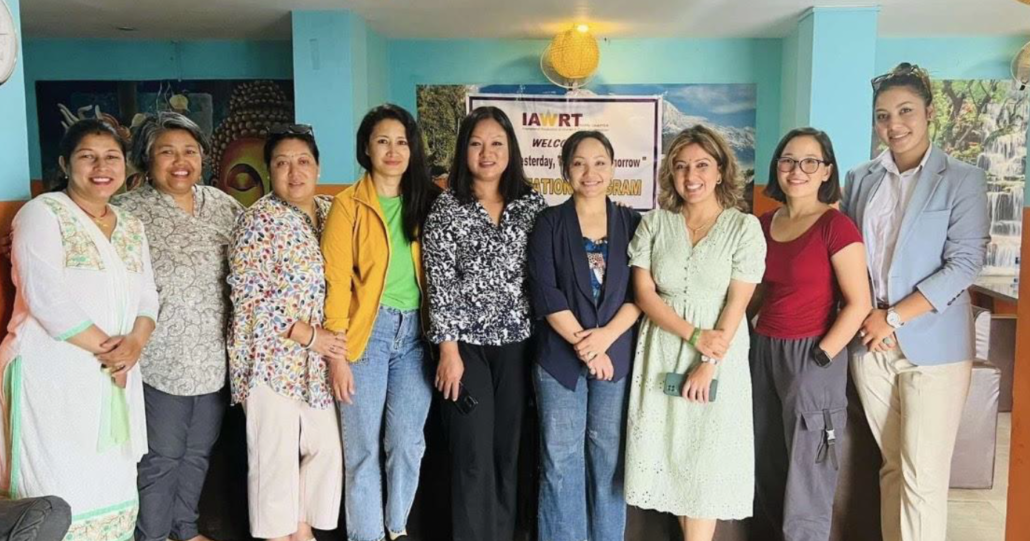
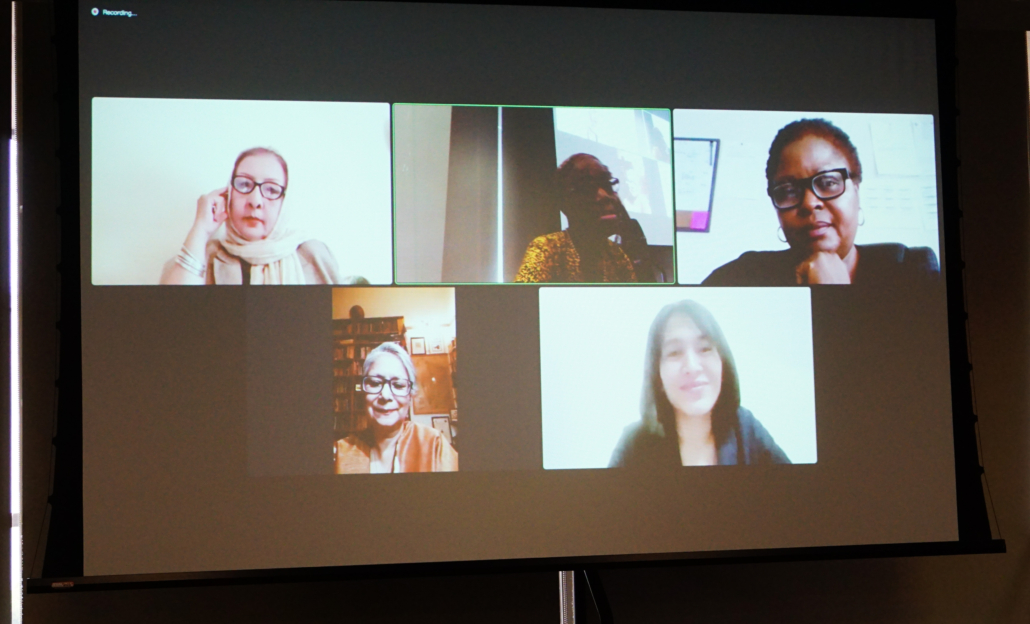
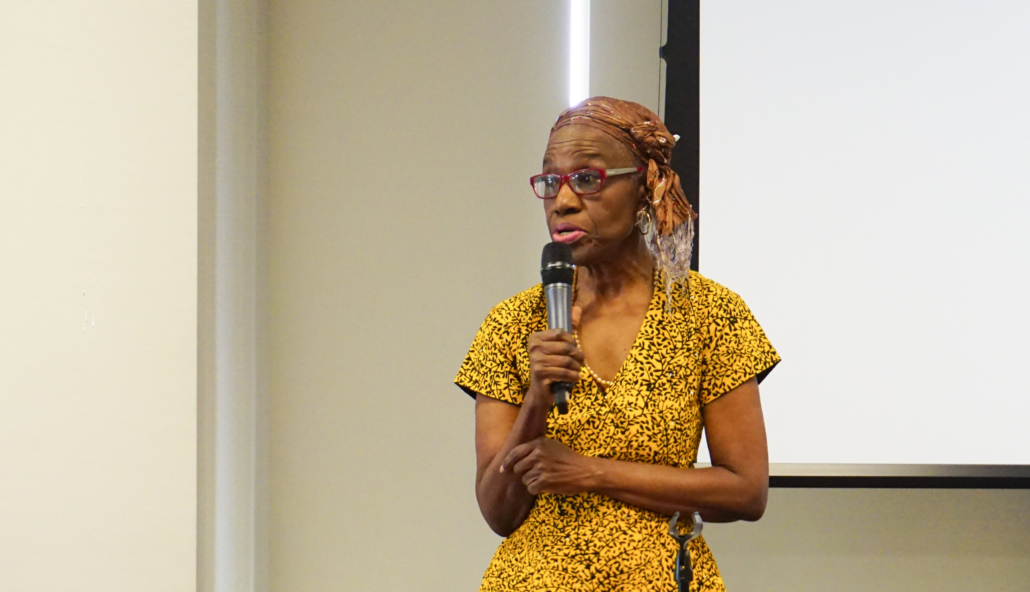
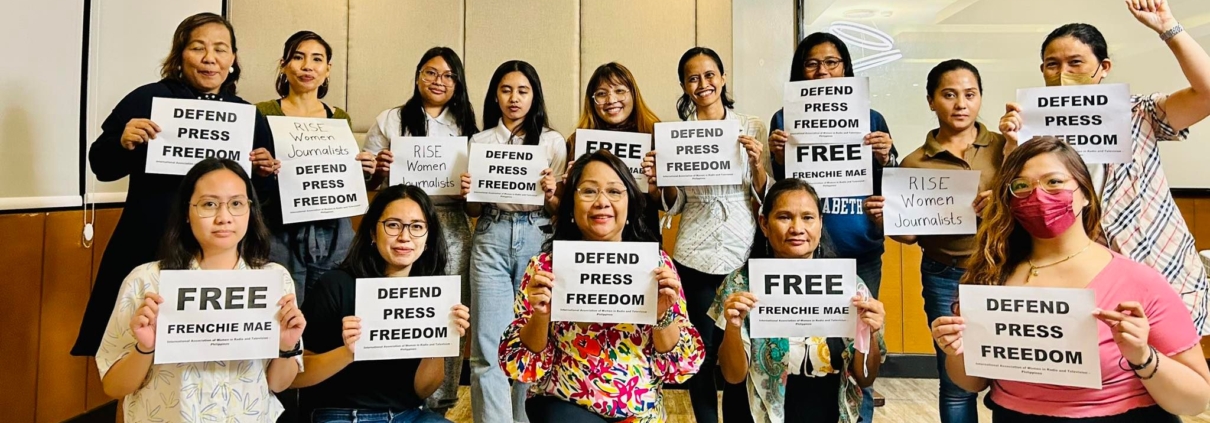
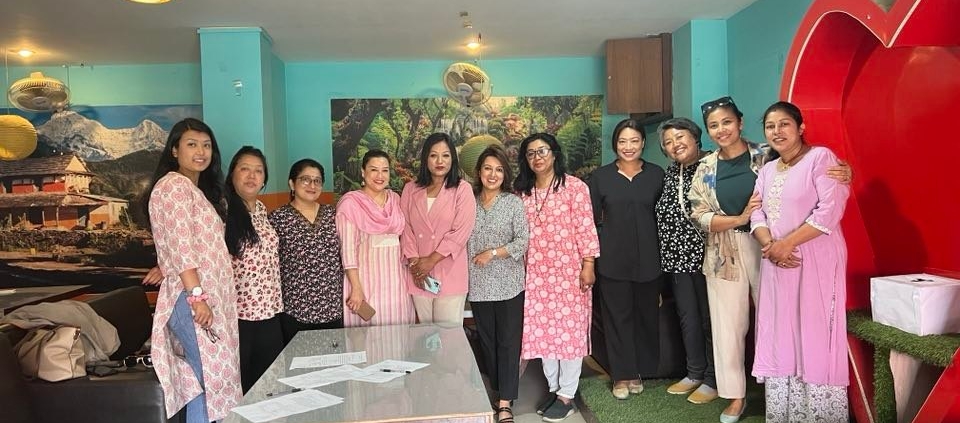
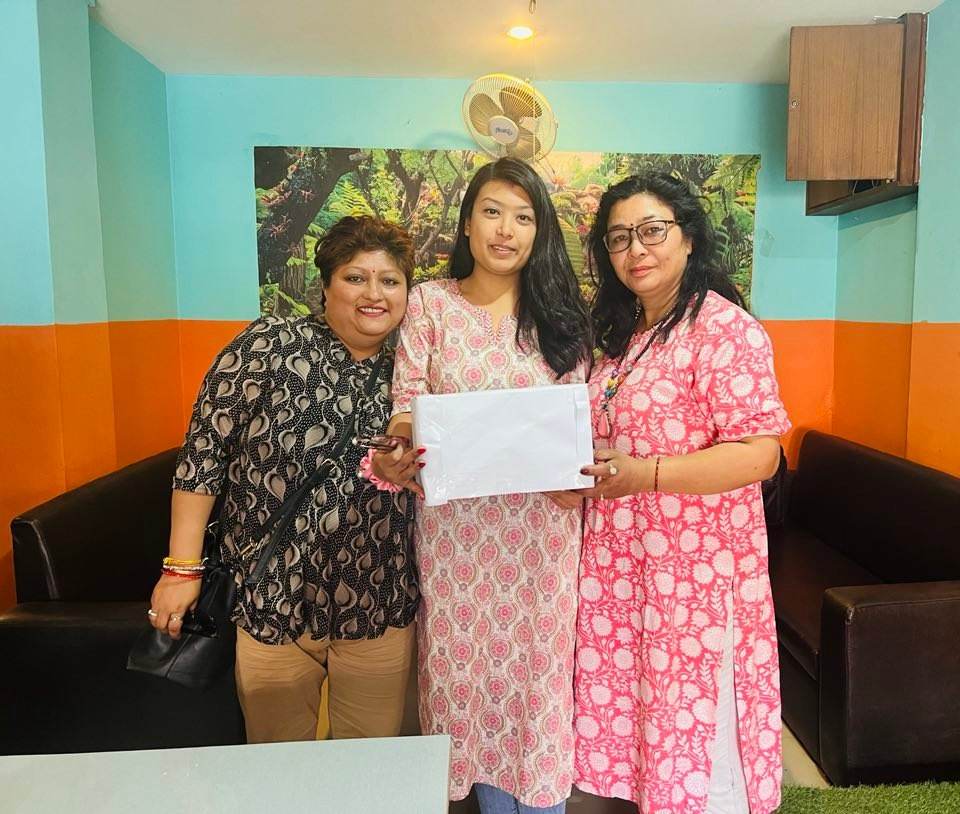
IAWRT Nepal organized an orientation program titled IAWRT: Yesterday, Today and Tomorrow on 16th June 2023 at Kalanki, Kathmandu.
Past President Anupa Shrestha, current president Ichchha Gurung and IAWRT International secretary Mandira Raut briefed about the aforementioned topic.
This program was all about targeting the new IAWRT Nepal members and interacting with every member’s responsibility for IAWRT Nepal’s progress and betterment.
Past President Anupa Shrestha briefed about the role and space of women in media and the introduction of the necessity of IAWRT as an organization. IAWRT International Secretary Mandira Raut explained the roles and responsibilities of IAWRT Nepal members. Ichchha Gurung, the current President, highlighted how IAWRT can help the members with the best practice methodology to further our work in the area of freedom of speech and gender equality in the media.
https://iawrt.org/wp-content/uploads/2023/07/0616-nepal-orientation-01.png494656Lady Ann Salemhttp://iawrt.org/wp-content/uploads/2021/11/logo.pngLady Ann Salem2023-06-25 10:51:002023-07-16 10:56:37IAWRT Nepal holds orientation program
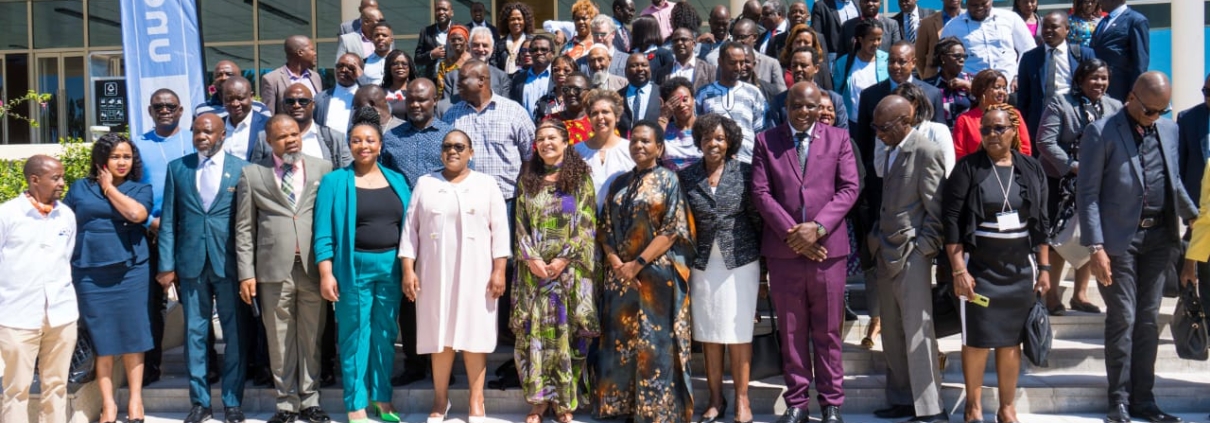
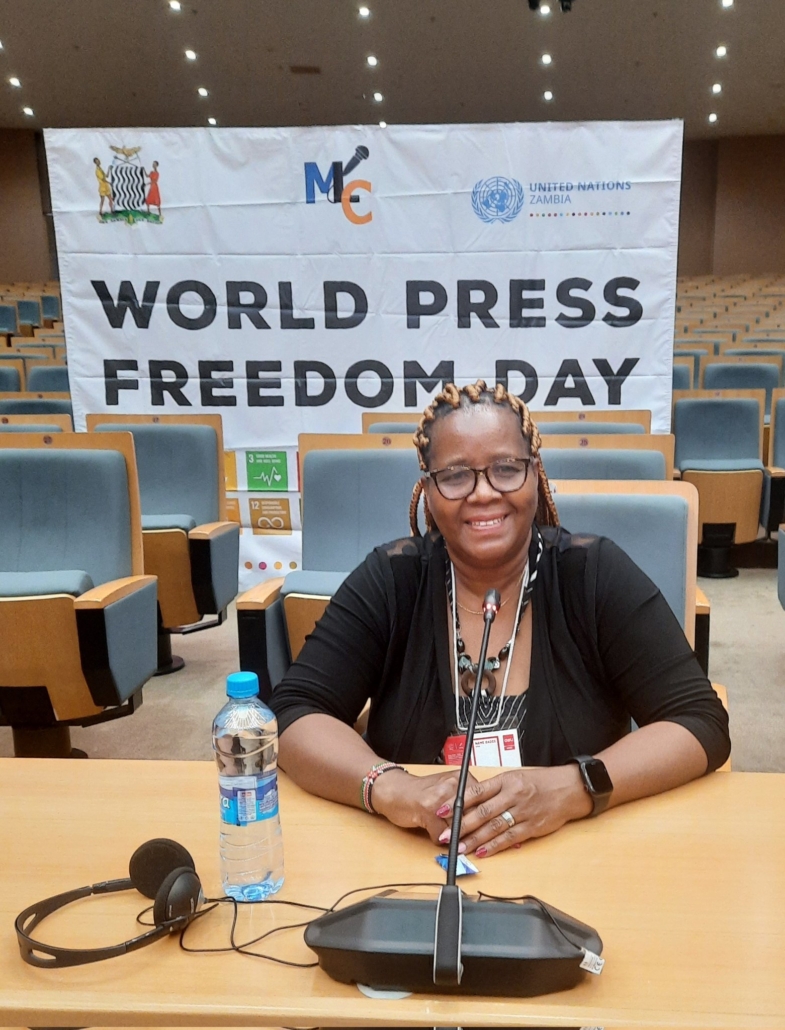
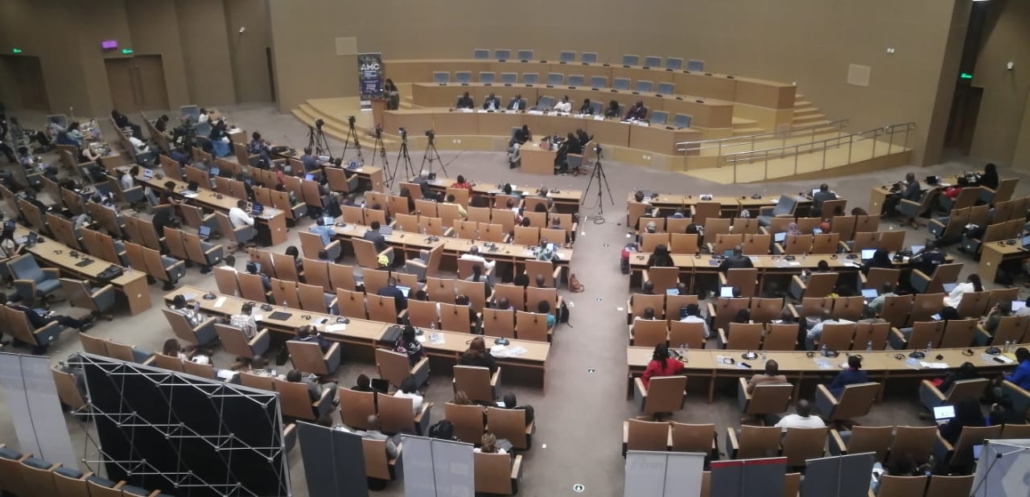
The African Media Convention (AMC) which first took place in Arusha, Tanzania in 2022 is now an annual event celebrated by journalists, civil societies, international partners, and other stakeholders from across Africa. The event is planned to coincide with World Press Freedom Day on May 3rd of every year. This year’s event was held in Lusaka, Zambia, from 11-13 May 2023.
IAWRT Kenya chapter head and international board treasurer Josephine Karani spoke at the event on the safety of women journalists. She expressed concerns about digital safety and security in journalism and especially during the election period.
“Safety of women journalists is a growing concern by the day. Freedom of expression is elusive, the messenger is endangered more than ever before. Every election year exposes journalists to danger from the public, politicians, and the government of the day. The messenger has turned to the hunted.”
Josephine Karani, IAWRT Kenya chapter head and IAWRT International Treasurer
During the three-day discussions, media stakeholders expressed deep concern about continued violations against freedom of the press, access to information, and the safety of journalists, despite thirty (30) years since the UN General Assembly proclaimed May 3rd as World Press Freedom Day and 75 years since the declaration of the Universal Declaration of Human Rights.
Recalling the important role of media, the Zambian Minister of Information and Media and Chief Government Spokesperson Hon. Chushi Kasand called on the African media to provide accurate and factual information underlining “this is what will empower you to participate in the affairs of your countries and the continent at large.”
Through its communication policies, strategies and practices, the African Union supports journalists’ rights to seek, receive and impart information. It recognizes that media plays a key role in ensuring full respect of freedom of expression, in promoting the free flow of information and ideas, in assisting people to make informed decisions and in facilitating and strengthening democracy.”
Ms Wynne Musabayana, Head of Communications, Information and Communications Directorate, African Union Commission
To address these challenges, participants recommended enhanced collaboration between the African media, African Union Member States, UNESCO, internet intermediaries, and other media development partners, to mitigate the effects of violations against journalists and media workers as well as the viability of the media sector in Africa.
The role of the media within the communication and ICT sector and the growing support from media partners for Agenda 2063 has already been acknowledged by the AU-Specialised Technical Committee on Communication and Information Communications Technology. There is a call to further build the capacity of African media practitioners and the industry at large, in partnership with media development partners and Tech companies.
In her closing remarks, Dr. Rita Bissonauth, Director of UNESCO Liaison to AU and UNECA applauded the Government of Zambia and the organisers for successfully hosting the 2nd AMC.
“The discussions on important issues contributing to enhanced freedoms for the offline and online media in Africa, coupled with the challenges and opportunities identified, will be a reference for our work and future interventions in promoting further an enabling media environment on the African continent.”
Dr. Rita Bissonauth, the Director of UNESCO Liaison to AU and UNECA
The 2nd AMC was largely funded by UNESCO through its Multi donor Programme for freedom of expression and the safety of journalists and its regular programme.
IAWRT has been included in the AMC Steering Committee to be planning and preparing for the annual event, among eight other organisations.
The 3rd AMC will take place in Accra, Ghana in May 2024.
https://iawrt.org/wp-content/uploads/2023/06/IMG-20230511-WA0165.jpg8531280Lady Ann Salemhttp://iawrt.org/wp-content/uploads/2021/11/logo.pngLady Ann Salem2023-06-23 12:16:532023-06-30 11:31:45IAWRT Kenya joins the African Media Convention for WPFD
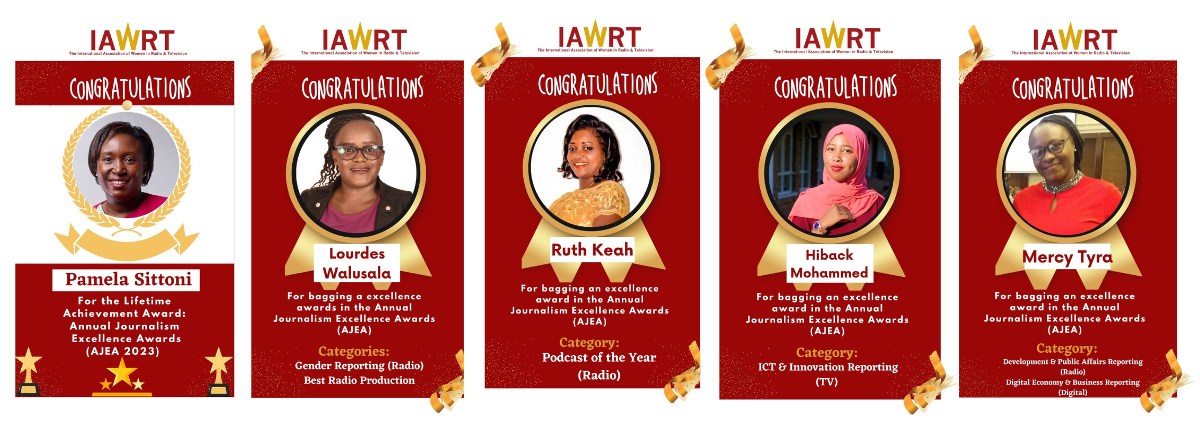
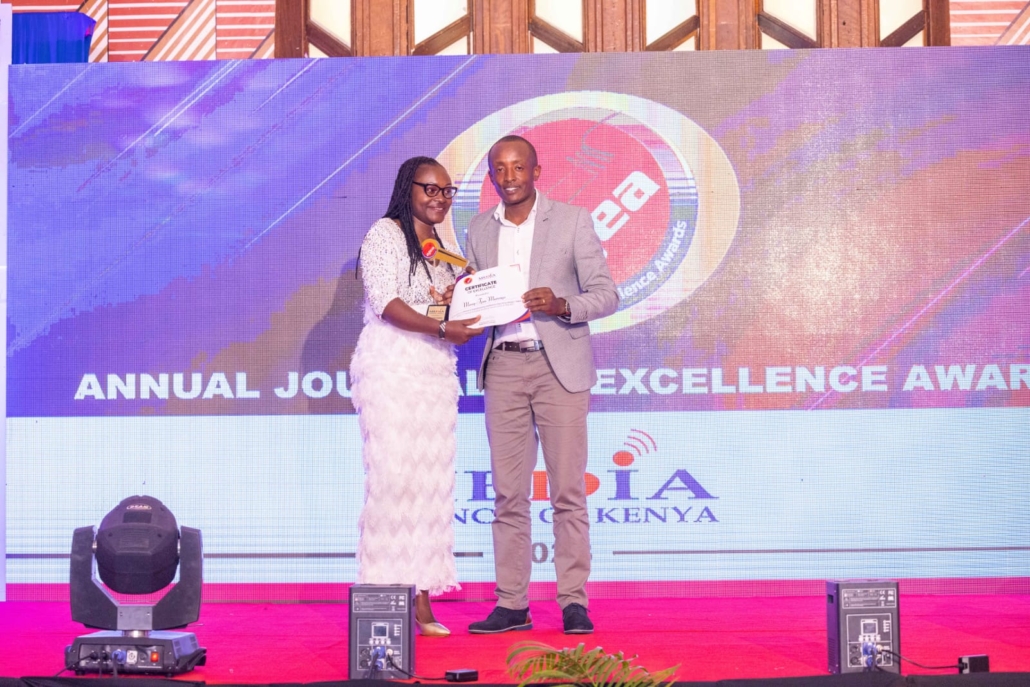
Three members of IAWRT Kenya were recognized at the Annual Journalism Excellence Awards (AJEA) 2023. Lourdes Walusala won Gender Reporting at Best Production in radio. Ruth Keah won Podcast of the Year. Mercy Tyra won awards in the radio and digital formats.
Pamela Sittoni received the Lifetime Achievement Award. She has been one of IAWRT Kenya’s mentors and regular speaker to our mentees on editorial matters.
One of IAWRT Kenya’s mentees in the last cohort, Hiback Mohammed, won for her report ‘ICT & Innovation reporting’ in the television category.
The AJEA is Kenya’s prestigious journalism awards, given since 2012 for print, broadcast, and now digital journalism, handed out by the Media Council of Kenya (MCK). The MCK is a statutory and self-regulatory body established through the Media Council Act 2013 to regulate and enhance the journalism profession and protect media freedom in Kenya.
The MCK said AJEA has consistently demonstrated its commitment to shining light on critical issues that shape Kenyan society and the media landscape. Through the Awards, the media has helped inform and trigger debates, nurture dialogue, and advance understanding of the defining challenges of current times.
Read below IAWRT Kenya’s interview with AJEA winner Mercy Tyra:
Q: Congratulations on your recognition at the AJEA 2023 for your outstanding contributions to journalism! How does it feel?
A: It is an honor. I am grateful to God and to all those who trusted me with their stories
Q: What inspired you to pursue a career in journalism, and how will this award influence your work?
A: My grandmother (May her soul rest in peace) was the inspiration behind my career. Being the teacher that she was, She would come with pied crow magazines and would tell me to imitate the late Catherine Kasavuli reading the news. Slowly by slowly, I gained courage and started a journalism club in my high school where I would be sent to drama festivals and games to compile results and report during assembly. My mother (a high school principal) held my hand and gave me an opportunity to choose any college of my choice that I thought I would get the best journalism skills at that time. I did, and the rest is history. I intend to use this award as a motivation to the upcoming journalists by training them on how to pitch award-winning stories.
Q: Could you tell us about the story that earned you this award? What was the inspiration behind it?
A: The title was, ”How livestock insurance saved a soul” – This Feature story educates the public on the importance of Livestock insurance especially to farmers from arid and semi-arid areas where climate change is a major challenge. Wangwe, a livestock farmer is among those who could not survive the shock of losing his 4 expectant cows had he not insured at least one. Due to the loss he had incurred, he was compensated by an insurance company and was able to bounce back to his feet.
The inspiration behind this story was the fact that most farmers do not know that they can ensure their livestock and get compensated in case of any loss hence leading to depression. The desire to educate this group of people was a major inspiration.
Another inspiration was the fact that my mother is a high school business teacher. I wanted to prove the fact that all her efforts in ensuring that I got it right in business reporting did not go in vain. I dedicate this business category award to her.
Q: What challenges did you face while doing the story?
A: Language barrier and harsh climate conditions
Q: What unique challenges do you think to affect women journalists from achieving their best? Fear of the unknown
A: Lack of opportunities and support from their media houses
Q: What advice do you have for aspiring journalists who are looking to excel in the field? Integrity, discipline, and hard work is key to climbing the ladder.
https://iawrt.org/wp-content/uploads/2023/06/0612-ajea-2023.png6301200Lady Ann Salemhttp://iawrt.org/wp-content/uploads/2021/11/logo.pngLady Ann Salem2023-06-12 00:15:182023-06-13 11:32:58IAWRT Kenya members win in AJEA 2023
I enjoyed watching the movie and thought it provided a vivid depiction of the challenges that journalists face while reporting in an unstable and post-conflict region
Christabel Unobe
The captioned statement above, speaks volumes for the general feedback of what people were saying after the screening and panel discussion at NGO CSW in New York.
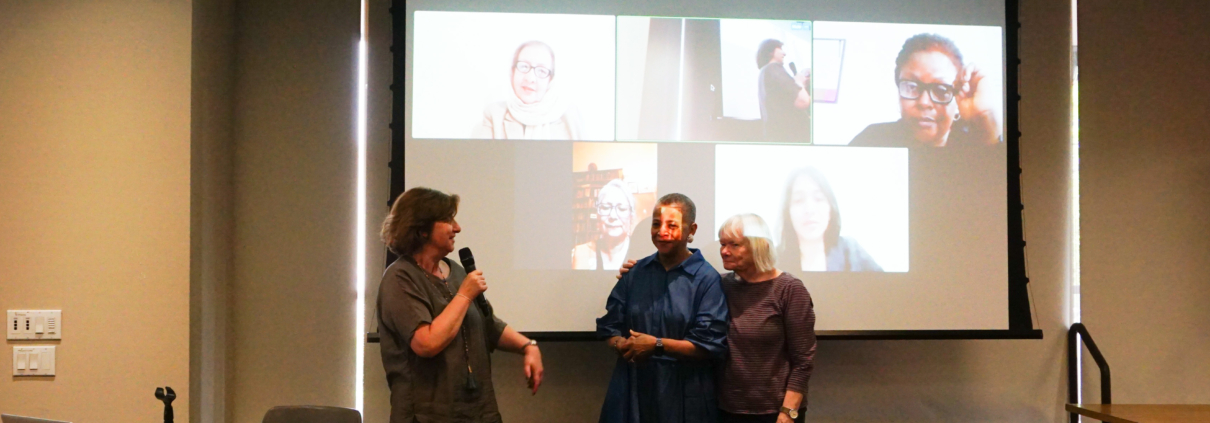
NGO CSW – Committee on the Status of Women, NY (or NGO CSW/NY) is a convener of global civil society for the annual UN Commission on the Status of Women or CSW, and for global gender equality advocacy. On May 16, 2023, the NGO CSW organized a live screening of IAWRT’s acclaimed film Velvet Revolution at the UN Church Center in New York. Ninety people attended in person. The projection was followed by a virtual panel of experts, directly or indirectly involved in producing the documentary. The discussion was not only about the production of the film but also about the concept of these IAWRT feature documentaries.
It was the NGO CSW’s premier face-to-face event after three years because of COVID-19 and was designed primarily for attendance by NGOs in the United States.
Six IAWRT women filmmakers from various nations worked together to create this honorable video. In a globe characterized by violence and authoritarian governments, these filmmakers “point their lens to women who provide information,” as NGO CSW put it. Through this documentary, women whose stories would not have otherwise been heard on a global scale may be seen and heard. Velvet Revolution did that with its numerous international screenings at many international film festivals. This question was posed by NGO CSW: “When journalists are constantly under threat, what drives these women to do their jobs?” Our IAWRT virtual international panelists convened to answer the question.
Nupur Basu, Velvet Revolution Executive Producer spoke about how she stitched the six different pieces together to execute the central theme. This format eliminates the carbon footprints that would include trekking from one continent or country to another to shoot. The way IAWRT produced this allowed local producers to tell their local stories. Our other panelists were: Olivia Tumanjong, journalist, Cameroon; Lady Ann Salem, journalist, Philippines; and Najiba Ayuubi, journalist exiled in the US from Afghanistan during the US abrupt withdrawal from that country. IAWRT USA president Sheila Dallas-Katzman moderated.
Panelists (clockwise): Najiba Ayuubi, Sheila Dallas Katzman (moderator), Olivia Tumanjong, Lady Ann Salem and Nupur BasuIAWRT USA president Sheila Dallas-Katzman served as moderator during the open forum.
Most of the audience was previously unfamiliar with the stories reflected in the documentary. IAWRT was one of perhaps only two major journalist organizations at NGO CSW. This film made the negative reaction of certain governments very clear.
This was a memorable occasion for those who attended, and it raised the profile and prestige of IAWRT in the context of the UN Commission on the Status of Women. Thanks to Pamela Morgan for bringing the documentary to NGO CSW.
https://iawrt.org/wp-content/uploads/2023/07/0516-ngo-csw-03-scaled.jpeg14782560Lady Ann Salemhttp://iawrt.org/wp-content/uploads/2021/11/logo.pngLady Ann Salem2023-05-30 11:56:382023-07-09 12:38:41IAWRT’s Velvet Revolution screens at NGO CSW in New York
Digital Safe House and Collaboration Platform for Women Journalists in the Philippines
TACLOBAN, Philippines – Filipino journalists have expressed their solidarity and demands for the release of detained community radio broadcaster Frenchie Mae Cumpio, who has been incarcerated over trumped-up charges for the past three years.
Among those who organized the event are officers and members of the International Association of Women in Radio and Television, IAWRT – Philippines, and the AlterMidya – People’s Alternative Media Network. They include IAWRT’s international vice president Jola Diones Mamangun and IAWRT Philippines’ chapter head Lynda Catindig-Garcia.
The group of Filipino journalists was supposed to visit Cumpio in jail but their requests were turned down by concerned government offices, citing pandemic restrictions.
Still, they met with Cumpio’s mother who expressed her gratitude to the various media organizations who have reached out in solidarity to their family and have brought the injustices committed against her daughter to the world’s attention.
They have also met with Tacloban-based journalists who have expressed their solidarity with Cumpio’s plight. Campus journalists who were also present said Cumpio’s brand of journalism has inspired them to follow the path that the detained journalist has paved for them.
“Women journalists have been subjected to relentless attacks, particularly gendered disinformation and online harassment that attempt to discredit them and their critical reportage of issues affecting marginalized communities. Others have been charged with trumped up charges, including one of our colleagues, Frenchie Mae Cumpio, who continues to be detained for more than three years,” said IAWRT Philippines in a statement last May 3, World Press Freedom Day.
AlterMidya, for its part, said the struggle to keep the country’s press genuinely free persists as Cumpio remains in detention.
Cumpio has been in detention for more than three years after being arrested over trumped-up charges in February 2020. Her arrest came at the heels of relentless red-tagging against her over her critical reportage on the continuing plight of Typhoon Haiyan survivors and the impacts of militarization in the poor communities of Eastern Visayas.
Altermidya said, “with every day that Frenchie Mae and independent journalists are deprived of their freedom, burdened by fabricated charges, and silenced by unjust blocking orders– and we Filipinos are deprived of the full realization of our right to expression — it becomes ever more clear that we as a people must continue to fight for press freedom and assert our most fundamental rights.”
https://iawrt.org/wp-content/uploads/2023/05/photo2.jpeg13222048Secretariathttp://iawrt.org/wp-content/uploads/2021/11/logo.pngSecretariat2023-05-15 11:03:232023-05-15 11:03:27PH journalists ask for Frenchie Mae Cumpio’s release from jail
(From left to right- Riya Shrestha, Shailaza Singh Neupane, Sharmila Pradhan Satyal, Deepanjali Lama Shah, Ichchha Gurung, Anusha Poudyal, Suchitra Shrestha, Sheelu Adhikari, Anupa Shrestha, Prava Amatya, Mandira Raut)
IAWRT Nepal held its chapter meeting on May 10 and elected a new board. Suchitra Shrestha headed the Elections committee along with Nisha Manandhar and Riya Shrestha and successfully completed the election. Members attended physically or online. IAWRT Nepal held its chapter meeting on May 10 and elected a new board.
The new IAWRT Nepal board:
1. President- Ichchha Gurung
2. Vice President- Deepanjali Lama Shah
3.Treasurer- Sheelu Adhikari
4.Secretary- Manita Pokharel
Board Members
1.Sangeeta Shrestha
2.Santoshi Poudel
3. Sandhya Thapa
IAWRT Nepal Elections Committee (From left to right – Nisha Manandhar, Riya Shrestha and Suchitra Shrestha).
https://iawrt.org/wp-content/uploads/2023/05/received_223193313793861.jpeg720960Secretariathttp://iawrt.org/wp-content/uploads/2021/11/logo.pngSecretariat2023-05-11 01:47:422023-05-15 11:15:20IAWRT Nepal elects new board
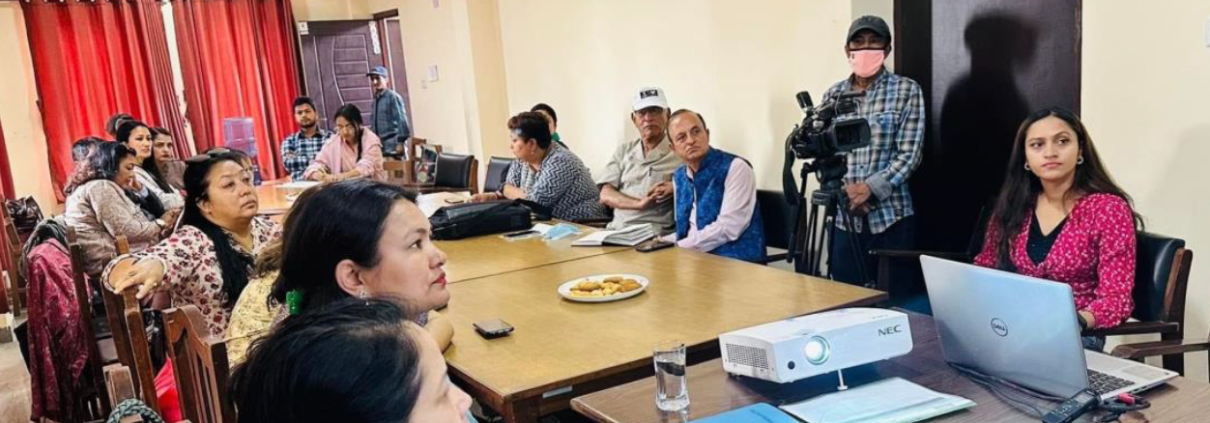
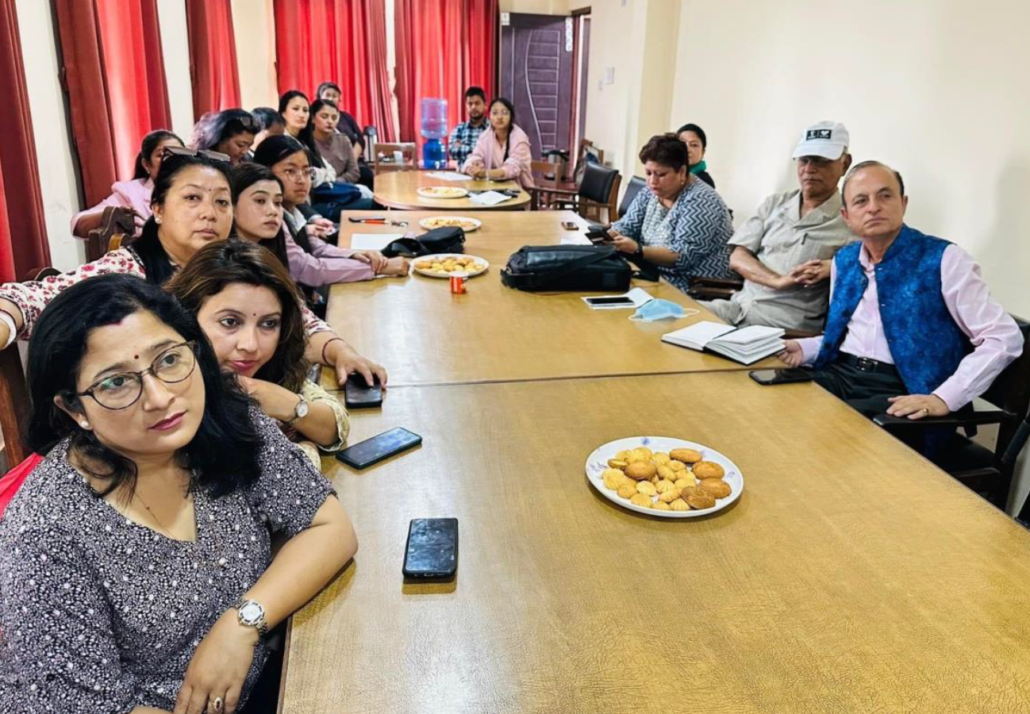
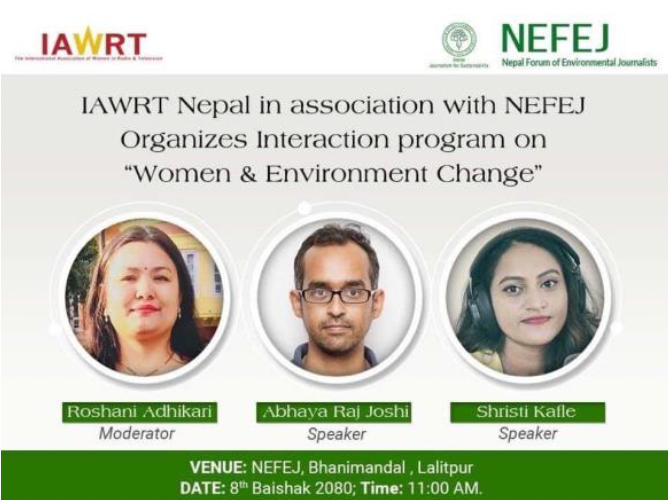
IAWRT Nepal in association with Nepal Forum of Environmental Journalists (NEFEJ) organized an interaction program “Women and Environment Change” on April 21, 2023 at NEFEJ’s office premises in Bhanimandal, Lalitpur.
The program was moderated by Roshani Adhikari, the president of NEFEJ, who is also a member of IAWRT Nepal. The speakers included Abhaya Raj Joshi and Shristi Kafle.
Abhaya Raj Joshi, discussed climate change and how human-induced activities like burning fossil fuels and deforestation are causing severe natural disasters. He interacted with the participants on how the earth’s climate is changing rapidly: impacting the earth’s temperature, precipitation and wind patterns.
Shristi Kafle discussed how climate change and women are interconnected. In a country like Nepal, where most household activities are the sole responsibilities of women, the impact of climate change like irregular rainfall, drought and landslide has made their life difficult.
https://iawrt.org/wp-content/uploads/2023/07/0421-nepal-02.png7461252Lady Ann Salemhttp://iawrt.org/wp-content/uploads/2021/11/logo.pngLady Ann Salem2023-04-25 10:34:002023-07-16 10:51:11Women and Environment change talk by IAWRT Nepal
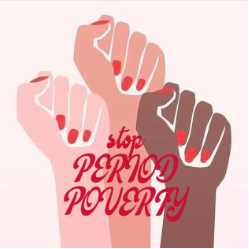
Offensive traditional myths about Menstrual Health and Hygiene, personal privacy violations, psychological and social torture curved out of limited, distorted or complete lack of information alongside worsening poverty levels and stigma on menstruation are major barriers that characterise period inequality in Uganda.
Period equity is yet to attract the attention of different actors in Uganda yet a number of girls and women barely have enough information, education and accessibility to safe menstrual products worsening the existing societal and institutionalised inequalities against them.
A multi-stakeholder approach where the media takes the central role to integrate Menstrual Health and Hygiene Management information and education through media reports content and debates would go a long way to create public awareness and sensitization.
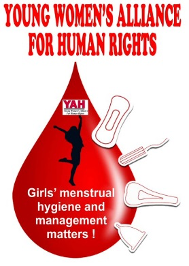
Young Women’s Alliance for Human Rights –YAH recommends deliberate efforts to prioritise Menstrual Health & Hygiene Management at the sector level as well as enhancing the knowledge capacity of the media to create informed discussions that could trigger policy formulations and resource allocation.
A cross-section of girls from poverty-stricken families use plant leaves as sanitary pads in Uganda…. some use old rugs that require routine washing for reuse yet soap and water are scarce. Some cultures taint menstruation as a taboo forcing girls into isolation during periods for they are deemed unclean… lest a curse befalls her and their relatives.
Sex for pads is a common habit among some girls from urban poor communities-the habit does not only expose the girls to early pregnancy but also exposes them to deadly Sexually transmitted diseases such as HIV/AIDS not forgetting school dropout.
Menstruation is regarded as a qualification for marriage in some communities where girls are majorly treated as trade commodities for families, therefore upon the first occurrence of menstruation periods, the girls are sold off into marriage in exchange for money and items such as domestic birds and animals.
One in every four girls between the age of 12 and 18 years in Uganda will drop out of school once they begin menstruating, and school absence rates triple from 7% to 28% during their period – Ministry of Education Performance Monitoring & Accountability Report,2020
Some of the menstruation-age girls from families so poor to afford decent sanitary pads offer sex to men in exchange for sanitary pads every month. Decent sanitary pads are a luxury expense for an ordinary family in Uganda with the majority barely able to afford basic life needs beyond one meal a day.
Menstrual periods are an inevitable experience for any girl/woman within the reproductive age range. The Periods-start-age varies from one girl to another but it is often between the age of 9 years to 59. The experience comes with a lot of challenges of which bleeding is a constant and the intensity of flow is also relative, with some girls and women experiencing heavy flow or less.
The monthly blood flow requires special attention for a girl or a woman to comfortably sustain routine chores otherwise one would end up in isolation and drenched self-esteem out of embarrassment. To live above the pangs of menstruation, girls and women ought to have access to well-structured Menstruation Period Management services that would translate into readily available decent sanitary pads, wash facilities, convenient changing spaces, and psychological, social and medical support.
Unfortunately, the aforementioned facilities are generally scarce even for other occasional incidences since they come with a cost yet girls and women are already classified among the most vulnerable poor groups with limited access to money and other resources.
Like other inequalities that got exacerbated by the outbreak of COVID-19, the already frail Menstrual Hygiene Management experienced a steep deterioration with a lack of access to basic items like descent disposable pads pushing most girls into more vulnerable positions to afford relatively decent periods.
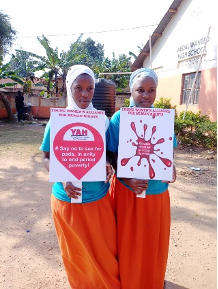
The Young Women’s Alliance for Human Rights –YAH in collaboration with the Human Rights Institute East Africa and TIPEN spearheaded the implementation of the one-year project code-named Breaking Period Poverty and Menstrual Shame for Girls in the post COVID-19 Pandemic with the ambition to increase focus on effective Menstrual Health & Hygiene Management and support for girls post the COVID19 lockdown in Uganda
Through experience sharing sessions with a cross-section of both school-going and out-of-school teenage girls in selected schools in Wakiso and Kampala districts, peer-to-peer guidance and holding of a multisector dialogue with different actors, a situation analysis handbook that lays down experiences, challenges, lessons and recommendations for Menstrual Healthy Management was produced.
A good number of girls interviewed reported having gotten involved in sex with different boyfriends in search of money for pads and one of them got pregnant and attempted to carry out an abortion without professional medical guidance which almost cost her life.
Some girls reported that they opt to ask money for pads from boyfriends because they are well aware that their parents/caretakers can barely afford basic life needs therefore pads’ cost could only be an extra expense pressure. 60% of the 440 girls interviewed reported that their parents cannot afford money for pads and 40% indicated that they secure money for pads from boyfriends.
Girls’ dignity and confidence is adversely bruised during menstruation because communities and schools don’t have clear support systems such as private pad disposal facilities, changing and washing areas as well counselling and guidance services. The girls that use the old cloth rugs for pads find it hard to stay at school since they feel soaked and unclean making it uncomfortable to attend school. Some schools do not have Senior Women Teachers to take girls through Menstrual Health Management experiences while other schools have male teachers to execute the duties of a Senior Woman teacher.
To accelerate Period equity, the Young Women’s Alliance –YAH further recommends an all-inclusive approach that involves boys and men in the promotion of Menstrual Health and Hygiene Management alongside aggressive media campaigns for attitude and perception change to break the cultural barriers against effective and efficient period management.
https://iawrt.org/wp-content/uploads/2023/04/0405-uganda-period-poverty-02.png249249Secretariathttp://iawrt.org/wp-content/uploads/2021/11/logo.pngSecretariat2023-04-20 08:01:232023-04-21 10:29:48Breaking Period Poverty and Menstrual Shame for Girls in Uganda
Gender-based violence and teenage pregnancies are two critical issues that continue to plague communities worldwide. GBV refers to any form of violence or abuse that is inflicted on someone based on their gender, and it can take many forms, including physical, sexual, emotional and economic abuse. Teenage pregnancy, on the other hand, refers to pregnancy in girls under the age of 20.
In Bungoma county, many young girls and women experience GBV in silence. They often suffer in isolation due to the shame and stigma associated with these issues, making it difficult for them to seek help or support. GBV is often perpetuated by close family members or intimate partners or members of the community at large, which makes it even harder for victims to speak out. Many girls who become pregnant at a young age also face discrimination from their families, peers and communities.
The impact of GBV and teenage pregnancy on young girls in Bungoma county is devastating. It affects their physical and mental health, education and future opportunities. Girls who experience GBV are more likely to drop out of school and face a higher risk of sexually transmitted infections, unwanted pregnancies, and maternal mortality. Teenage pregnancy can also lead to early marriages, which can perpetuate the cycle of poverty and lack of education for young girls.
To address these issues, it is essential to break the silence surrounding GBV and teenage pregnancy in the county. This involves raising awareness of the problem, promoting open discussions about these issues and providing safe spaces for victims to seek help and support. It also requires addressing the root causes of these issues, such as poverty, lack of education and gender inequality.
Efforts to address GBV and teenage pregnancy must involve all members of the community including young, teachers, parents, healthcare providers and local leaders. By working together, we can create a safer and more supportive environment for young girls and women in Bungoma county, ensuring that they have access to the resources and opportunities they need to thrive.
==
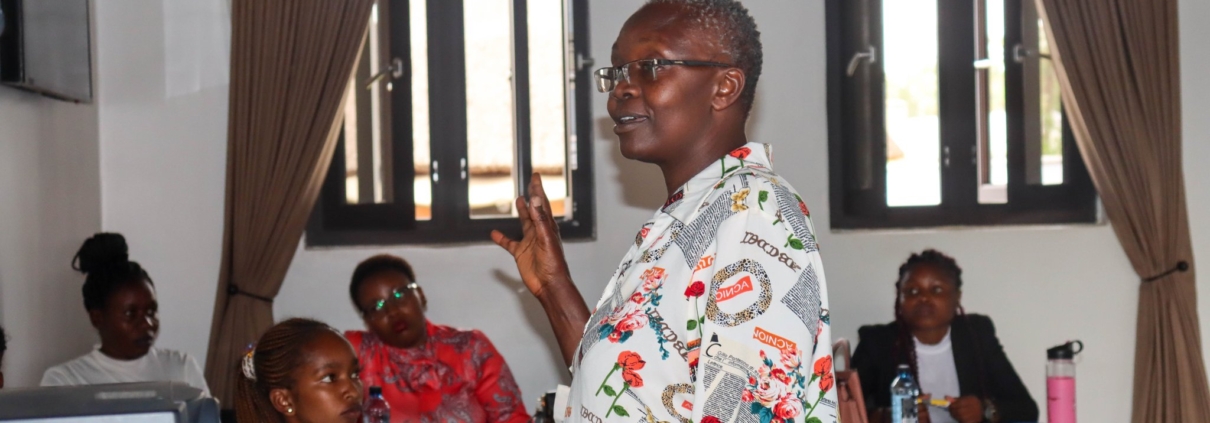
IAWRT Kenya held a training on “Advocacy journalism” for female journalists from the western Kenya region-Bungoma on February 24 to align women in the media to the technological advances and enhance their capacities to use the online spaces safely. Mary Mkamburi is a mentee of IAWRT Kenya.
https://iawrt.org/wp-content/uploads/2023/04/0224-iawrt-kenya-bungoma-01.jpg13652048Secretariathttp://iawrt.org/wp-content/uploads/2021/11/logo.pngSecretariat2023-04-18 10:15:222023-04-21 10:28:56Silent Suffering: The harsh reality of gender-based violence and teenage pregnancies among women in Bungoma county
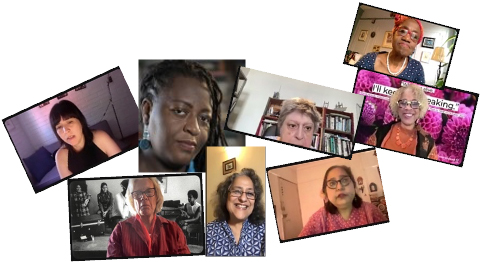
A dynamic and stimulating workshop hosted by the International Women’s Association in Radio and Television USA, IAWRT India, and the Women’s International Newsgathering Services – WINGS, took place during the recent UN Committee on the Status of Women (CSW67), a NGO CSW Parallel Event. Visual Visionaries: Power of Film and Feminism, Teaching and Technology brought together feminist filmmakers from across the globe to report on cinematic progress for women and outline areas of deficiency that still remain. The widely different presentations were so complimentary in providing short histories about women filmmakers in their countries and underscoring the central universal problem–the lack of access to funds. Chilean filmmaker Susana Díaz Berríos explained her struggle in terms of DIY (Do It Yourself) as “super far from my classmates and even more from the audiovisual production systems.”
Two of the women, Paromita Vohra from IAWRT India and Ariel Dougherty from the IAWRT USA – both who have worked in community teaching settings with girls and women – showed short films GROWN UP GIRLS REIMAGINE WORK and SHY GIRL Each rich with animation, highly imaginative and fantastical, brought the hopes and dreams of girls into the mix of the discussion. The works heightened the central point of the session, that the visual nature of film has a powerful impact. And if women and girls “cinematic stories are not part of our daily viewing – then it is like we do not exist. And we cannot make progress.” explained Dougherty.
The formation of collectives, feminist support and teaching environments, distribution channels, and film festivals were all central components brought up by the five presenters. The Ghana based film festival NDIVA was founded by Aseye Tamakloe, a filmmaker and session presenter from Ghana, Africa. Her work exemplifies how we all wear many hats to present and preserve film works by, for and about women.
Edel Brosnan, from Ireland, is the director of strategy for the European Women’s Audiovisual Network. Some of her work has centered on working with women to achieve funding, bringing full circle the discussion. All of these series of networks are necessary for women to make their feminist films that reflect feminist visions of the world and how we build and strengthen community and enlarge viewership.
The session was moderated by Aaradhana Kohli, the Managing Trustee of the International Association of Women in Radio and Television (India) and had brief welcoming address by Dr. Michelle Ferrier, President and Sheila Katzman, President, USA Chapter. The Zoom chat was quite active. In the chat, a long- time supporter of Women Piped Up had this to say, “I’ll work with the group to do a follow up session with the women’s donor community.”
It’s not just about access. It’s about expression and world views
Conclusion
In Chile, there has been advances in terms of gender parity and inclusions of native peoples in state funds.
The new generations of audiovisual women have organised themselves into collectives to ensure safe places for women and dissidents.
There are more women in technical areas such as sound and editing.
It is important not replicate the patriarchal ideas of power that is so damaging to relationship.
In addition, there is a place for everyone and if we can grow up together, that will be much better for our film industry.
Who’s Who on the parallel event:
Ariel Dougherty,New Mexico, USA: filmmaker, teacher, co-founder Women Make Movies, Inc.
Aseye Tamakloe, Accra, Ghana: director, When Women Speak, Nvida Women’s Film Festival organiser;
Paromita Vohra, Mumbai, India: filmmaker, teacher, and founder of Girls Media Group and Agents of Ishq; Edel Brosnan, Director of Strategy, European Women’s Audio-Visual Network; and
SusanaDiaz Berríos, Chilean Director & Producer
Translator: Ana Valdés (Chile)
https://iawrt.org/wp-content/uploads/2023/04/0421-iawrt-usa-visual-visionaries-01.jpg262481Secretariathttp://iawrt.org/wp-content/uploads/2021/11/logo.pngSecretariat2023-04-16 10:41:312023-04-21 10:50:25Power of Film, And Women!