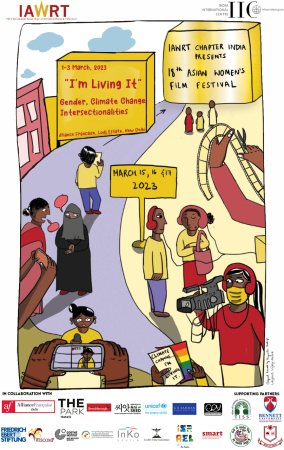
The 18th year of the Asian Women’s Film Festival was held from March 15 to 17 at the India International Centre in New Delhi.
In three days, 66 films were screened from 20 countries.
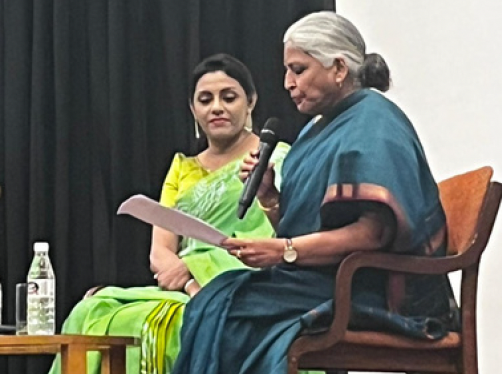
The inaugural session was in memory of the late Sumitra Peries, a path-breaking woman filmmaker from Sri Lanka who passed away recently by screening her film ‘Vaishnavee’ followed by Bina Paul in conversation with Yashoda Wimaladharma, an actress from Sri Lanka about her life and work.
Phase 2 of the workshop on Gender Climate Change Intersectionalities “Climate Change…I’m living it” for women and girls from marginalized communities on how to make short films on mobile phones, as they discussed mitigation and adaptation strategies. The films made in Phase 1 (held from March 1 to 3 at Alliance Francaise) were screened as part of a roundtable conversation bringing different stakeholders to the table.
A roundtable discussion on “Representation of Gender, Women and Children in the Media” was also held. Highlighting the fact that this perhaps is the most impacted and affected demographic with the coming of social media. From consumers to co-creators of media it has been a very quick transition for this section of the population. More importantly, the explosion in available platforms for dissemination of news, views, reportage, and fiction features also means it is both an opportunity and challenge to have gender, child and women-sensitive content.
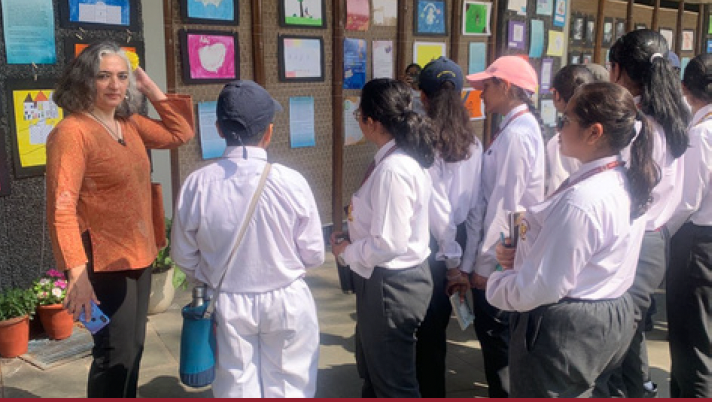
Two exhibitions were featured. ‘The Incredible Child’ is curated by Samina Mishra on the lives of Afghan refugee children. ‘The Life She Lives’ An exhibition of photographs by Chitvan Gill Chitvin frames the protagonists of her stories as she explores the lives of women living at the margins of India’s socio-economic realities.
https://iawrt.org/wp-content/uploads/2023/04/Screen-Shot-2023-04-21-at-7.04.50-PM.png336628Secretariathttp://iawrt.org/wp-content/uploads/2021/11/logo.pngSecretariat2023-04-14 11:04:242023-04-21 11:18:01IAWRT India holds 18th Asian Women’s Film Festival
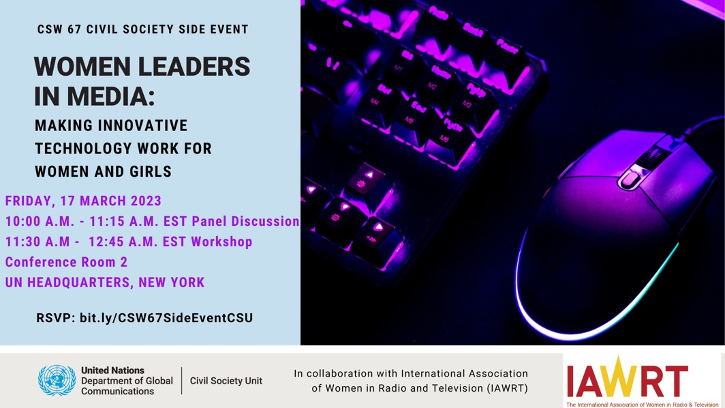
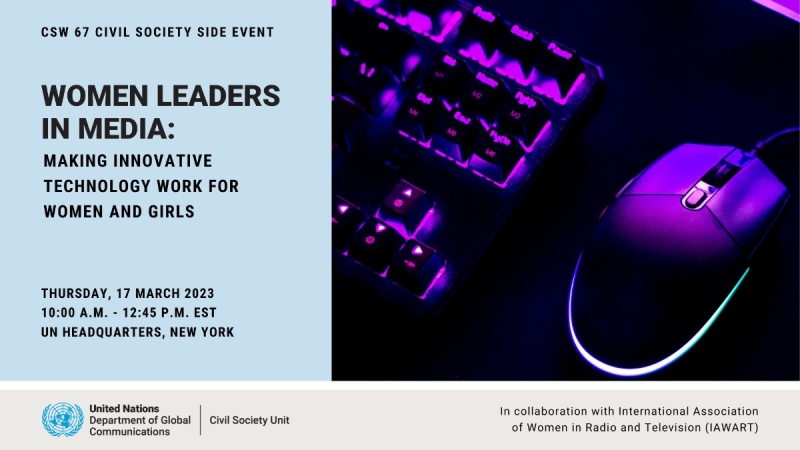
Organized by IAWRT-USA partnering with the United Nations Department of Global Communications (UNDGC), this side event was held at the UN Headquarters, New York on 17 March 2023. The objective of this panel discussion was to activate an international women’s network of thought and action leaders to work toward developing inclusive communication strategies, share information and know-how about the technologies women work with and invite participants to see how the technologies can also work for them. This event builds on the theme of CSW67, which was “Innovation and technological change, and education in the digital age for achieving gender equality and the empowerment of all women and girls.”
IAWRT as an accredited body to the UN undertakes collaborative activities with several of its bodies as exemplified by the hosting of this event with the UNDGC. Being partners in this endeavour ensures that we are in a position to influence international policies that will impact the lives of women and girls.
As an international organisation for women journalists, IAWRT is acutely aware of the potential impacts that innovations in artificial intelligence (AI) could have on women and girls. The opportunity to co-host this event provided the catalyst for IAWRT-USA to bring specialists together to examine and deepen understanding of the positive and negative aspects, likely changes to the profession and the role of journalists and how to prepare for the future.
Panel Discussion
The event brought together experts from various media sectors to discuss the impacts, problems and the likely future we want for women in a technological world.
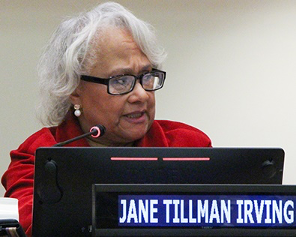
Award-Winning journalist, Jane Tillman Irving, whose achievements include being the first Black female reporter at WCBS Radio-AM/News Radio 880, New York City and immediate past President of the New York Press Club moderated the session. She highlighted the speed with which our lives have changed technologically, reminding the younger members of the audience that at one time there was no Google everyone used encyclopedias for research. However, no matter the technological advancements, it still comes down to one thing for journalists – getting the story, telling the truth and doing it as quickly as possible. She stated that the aim of the panel was to address measures that are needed to prevent women and girls from being left behind during this rapidly evolving technological era.
The panel members were, from L-R:
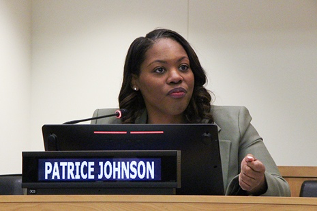
Dr. Patrice S. Johnson, Chief Program Officer for Black Girls Code (BGC)
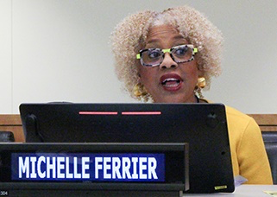
Dr. Michelle Ferrier, President of IAWRT
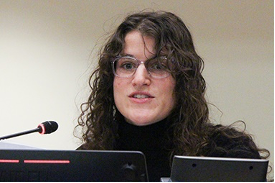
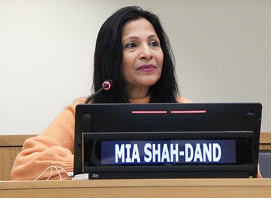
Mia Shah-Dand, CEO – Lighthouse3 and Founder – Women in AI Ethics
Jane Tillman Irving, award-winning journalist, first Black female reporter at WCBS Radio-AM/News Radio 880
Leah Mann, Communications and Community Management Office, Broadband Commission for Sustainable Development – International Telecommunication Union (ITU)
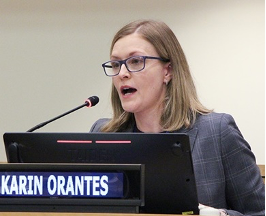
Karin Orantes, Acting Chief of UN Social Media Team
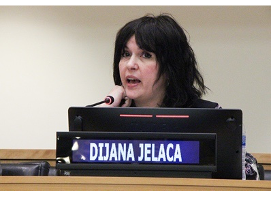
Dr. Dijana Jelača, Cinema Studies Professor, Brooklyn College and survivor of the Bosnian War
Each panelist gave an overview from their perspective during the first half of the meeting and shared their focus for 2023. An interactive session followed their statements, which gave the audience the opportunity to dig deep into some of the more contentious issues that were highlighted by the panel.
Leah Mann, in discussing the role of ITU in the digital sphere and Artificial Intelligence (AI), cited statistics showing the disparity in access to digital technologies between the genders.[1],[2] There are still many people who are not online and of those who are, an estimated 69 percent worldwide online are men, compared to 63 percent of women and girls. She argued that to change the stereotype of who can participate in the digital world, a) we need to see more women in prominent roles, b) narrow the gaps in digital skills and education by offering women and girls the chance to participate in the STEM [Science, Technology, Engineering, and Math] world. April 27th is ITU International Girls and ICT Day which is one of the initiatives to raise awareness, empower, and encourage girls and women to pursue studies and careers in STEM. 377,000 have taken part in over 11,000 celebrations in 171 countries. The ITU is integral to the shape of global digital technological coverage and access.
Dr. Michelle Ferrier[3] spoke on the issue of protection from online media abuse, a subject she knows much about, having been herself subjected to harassment while teaching. In response, she created TrollBusters, an organization that supports women who experience online harm.[4] She is also involved with Toxic Avengers, a magazine that explores digital harm and ways to protect the writer. She created the Media Innovation Collaborator programme helping journalists, media workers and communicators understand the technological environment and how to navigate the digital landscape. In Ethiopia, she is working to build an independent media sector of journalists united across the country to support each other and their communities bringing local news that impacts them. Dr. Ferrier told the audience that IAWRT is at the forefront of developing innovative approaches in response to the ongoing abuse of many of its members. Responding to the wrongful arrest and imprisonment of IAWRT communications officer, Lady Ann Salem in 2020, IAWRT established a Digital Safe House in the Philippines as a pilot program.[5] This has become a prototype for other IAWRT chapters in countries where journalists are under constant threat.
Dr. Patrice S. Johnson described the Black Girls Code (BGC) is an organization that helps thousands of black girls to discover and embark on computer programming careers, while using digital technologies to enhance their natural leadership skills. She introduced three of the girls who have been in the program since the first grade. If BGC can challenge the world of digital technology, they can challenge any industry, she said; she reminded us that when Black girls are liberated, we are all liberated.
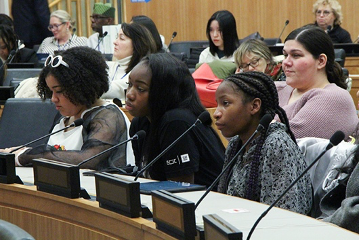
Three Black Girls Code student ambassadors shared their personal stories. Since the first grade, Madison Clarke, a 16-year-old student at East Side Community High School, has attended BGC. She was given the opportunity to ring the closing bell at the New York Stock Exchange in honour of Black History Month. That is no small feat. She mentioned how much self-assurance she had developed and how she now felt like a beloved member of a family.
BGC Ambassadors Annyah, Madison, Ife
Ifeoluwa (Ife) Joseph, 12, had equally exhilarating thoughts about the Black Girls Code and being nominated by Time Magazine and Nickelodeon for Kid of the Year in 2019.
Ife, as she is fondly known, created a prototype to remove microplastics from water.
Thirteen-year-old Annyah Mchugh Butler, a veteran of BGC, who was home-schooled, said she learned to develop codes for robots and develop websites. She joined BGC when she was seven years old. In 2019, she became the youngest person ever to win the NASA SpaceX Project Person’s Choice Award.
BGC is a grassroots organization and has 15 chapters, including one in South Africa, where girls are identified, trained and nurtured to enable them to compete for exciting career opportunities. BGC is multi-tiered focusing on virtual, community-based and working in schools respectively. Many in the audience were in awe of the work of BGC and wanted to explore the possibility of developing partnerships with their home countries.
Dr. Dijana Jelača spoke on media, associated technology and trauma. She pointed out that whoever invents new technologies should make them accessible to different groups, not only the groups associated with the specific innovation. Take photography for example, when invented, it favored capturing people with white skin, which embedded a bias with an accompanying notion of privilege that white is best. Several decades later we are still trying to alter this aberration.
Jelača noted how women’s influence in telecommunication technologies has been buried. The Lumière brothers are credited with inventing narrative films; yet Alice Guy-Blache, an early film pioneer, actually made the first known narrative film. She has been ignored in many film histories. Women and girls must be acknowledged.
Dr. Jelača also addressed the philosophy underpinning digital technologies and raised pertinent questions. For instance, how do we make film screens bear witness in ethical ways – not only showing an image of suffering but inspiring people to do something about it? Whose suffering gets ‘air’ time? She drew attention to how white Europeans in the present wars are getting the attention that victims of other brutalities have not. Jane Tillman Irving illustrated Dr. Jelača’s point by mentioning a question a media person asked about the Ukraine war: “How could this be happening in a ‘civilized [white] country’”? She was shocked to report that this unnamed person is still employed.
She stressed that there are ethical considerations attached to digital technologies and issues such as the decolonization of the digital media landscape are critical and requires immediate attention.
Dr. Jelača laments over who the creators of AI are and its possible characteristics. She questions how it can be harnessed for the public good, and how will it include disenfranchised populations. And how will it impact the lives of women and girls?
Mia Shah-Dand talked about how hard it is to balance life and work. She set up Lighthouse 3, a consulting firm for emerging digital technology developers as she wanted to bring people from outside the digital technology bubble into the domain as active participants. A longstanding problem is that men dominate most conversations in STEM-dominated industries. She said women were more than qualified but are generally overlooked. This inspired her to publish The First Hundred Brilliant Women in AI. She reiterated that the qualified women are there but are still not getting the recognition. Since 2018, Lighthouse 3 has had a database with 800 qualified women. During the pandemic, Dand launched a mentoring program to help expand the diverse community to younger members.
Most start-ups are started and financed by white men. Less than two percent of funding goes to women; less than one percent goes to Black founders. The diversity gap is because women are not in the room even when they are overqualified. This is starting to change, but now they are in the room, how can they work on projects that impact women – like facial recognition?
Technology impacts all of us, she says, and we all need to have a say in the direction it’s going. Women are the wave. She quoted the Booker Prize-winning writer Arundhati Roy, “A different world is not only possible, she is on her way, on a quiet day, I can hear her breathe.”
Karin Orantes said that her team runs workshops on how to use digital platforms for positive social justice. They have 38 social media platforms in nine different languages with 65 million followers. Gender equality is the most important issue. The UN Editorial practice has strict guidelines for text and visual imagery. All photographs should have women in them … not easy to achieve in an old institution like the UN. They focus on showing the power balance for visual truth and focus on highlighting women in positions of power like in peacekeeping, deputy secretaries-general, resident coordinators, and crisis situations.
They know their audiences by studying the characteristics of the platforms. Men are in the majority across all of the platforms. However, the algorithms may not be giving precise statistics; even so, they are deliberately reaching out to female audiences as there is no clear reason why it seems that the users are predominantly men.
The team uses every opportunity to feature women in stories. The role of women in climate, peacekeeping, and crises … all of these stories run throughout the editorial calendar. It helps that the Secretary-General speaks out often on gender issues. She said they ensure women are included in every image they post online.
On International Human Rights Day, 10 December 2020, the youngest IAWRT member from Afghanistan was murdered on the steps of the media house as she arrived for work in Kabul.
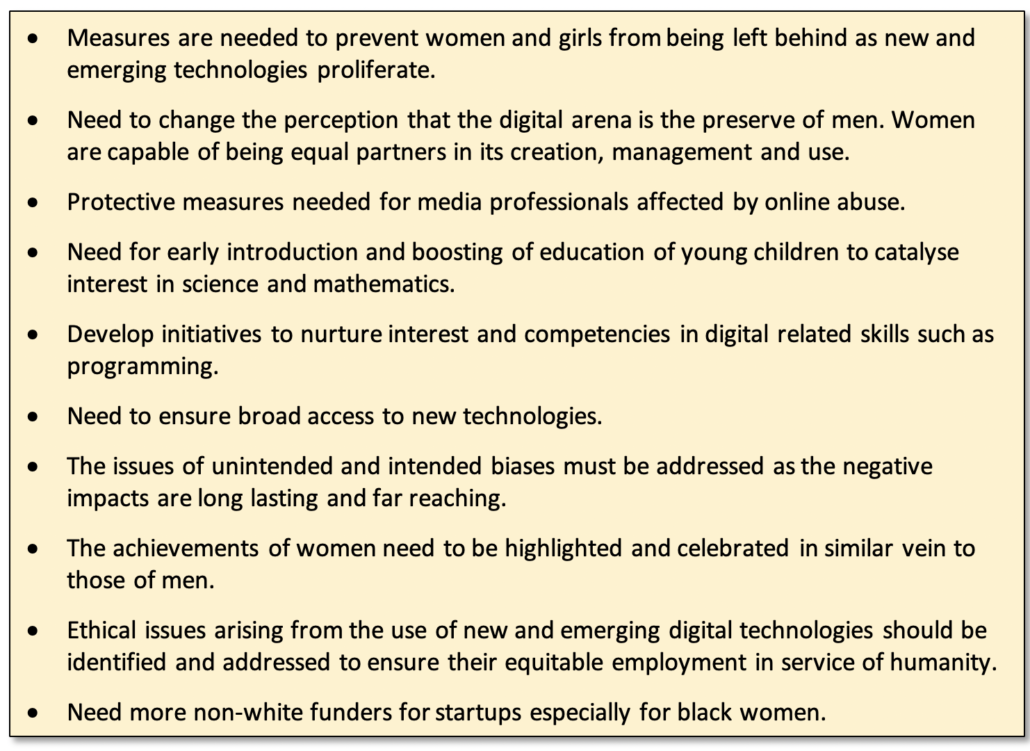
Key issues highlighted by the panel
Breakout Cluster Discussions
Six groups were set up and helmed by IAWRT members who coordinated the exploration of specific questions that were submitted by the panelists. These small clusters provided opportunities for networking, sharing of information and possibilities for collaborations on a variety of activities in support of furthering the mainstreaming of women and girls in the digital space.
A question that generated much interest asked to give examples from digital media that effectively addressed an issue related to women’s rights. Responses include:
1. Hash Tag #MeToo Movement
It started in the entertainment industry and spread to the every day woman to denounce sexual violence. It encouraged women victims to speak up against Sexual Violence and showed strength in numbers when women unite their voices for a common cause.
2. Killing of Kurdish Girl Jina Amini in Iran
Galvanised women all over Iran and became a women’s protest for the fundamental rights of women.
3. In India women are using digital media to address and transform girl child education.
Conclusion
Women have been making a huge impact in the media industry, breaking down barriers and creating new opportunities for other women and girls. With the rise of innovative digital technology, women leaders in media are employing a range of digital tools to empower and uplift their communities. This event was a clear demonstration of how far we have come and where we must still strive to go.
[1] The ITU is an agency comprised of the United Nations, national governments, and private industry. Originally focused on spectrum management, ITU now also fosters expanding connectivity and digital inclusion as part of the coalition Partner2Connect (https://www.itu.int/itu-d/sites/partner2connect/)
[2] An uplifting note, on September 29, 2022, Doreen Bogdan-Martin, SIS/MA ’90, made history by becoming the first woman to hold the elected position of ITU Secretary-General in 158 years.
[3] Dr Ferrier appreciates the need for early educational boosts as she had been selected as a child to learn through the Nasa Goddard Space Center for children of color.
[5] IAWRT Digital Safe House is a one-stop or first-stop shop that links various journalists’ safety and well-being programs offered by different media groups, non-government organizations, human rights, lawyers, and church and religious groups in the Philippines. It’s the first of its kind anywhere.
https://iawrt.org/wp-content/uploads/2023/04/0411-usa-01.png408725Secretariathttp://iawrt.org/wp-content/uploads/2021/11/logo.pngSecretariat2023-04-11 20:33:002023-05-03 23:02:59Women Leaders in Media: Making Innovative Technology Work for Women and Girls
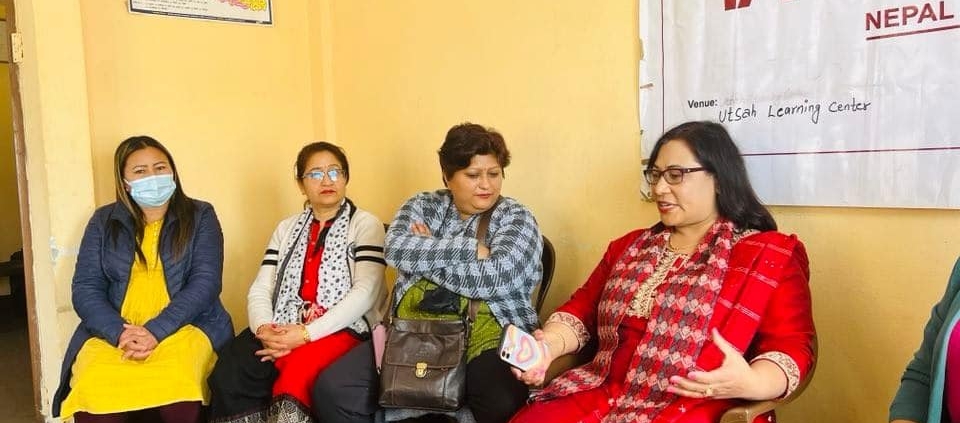
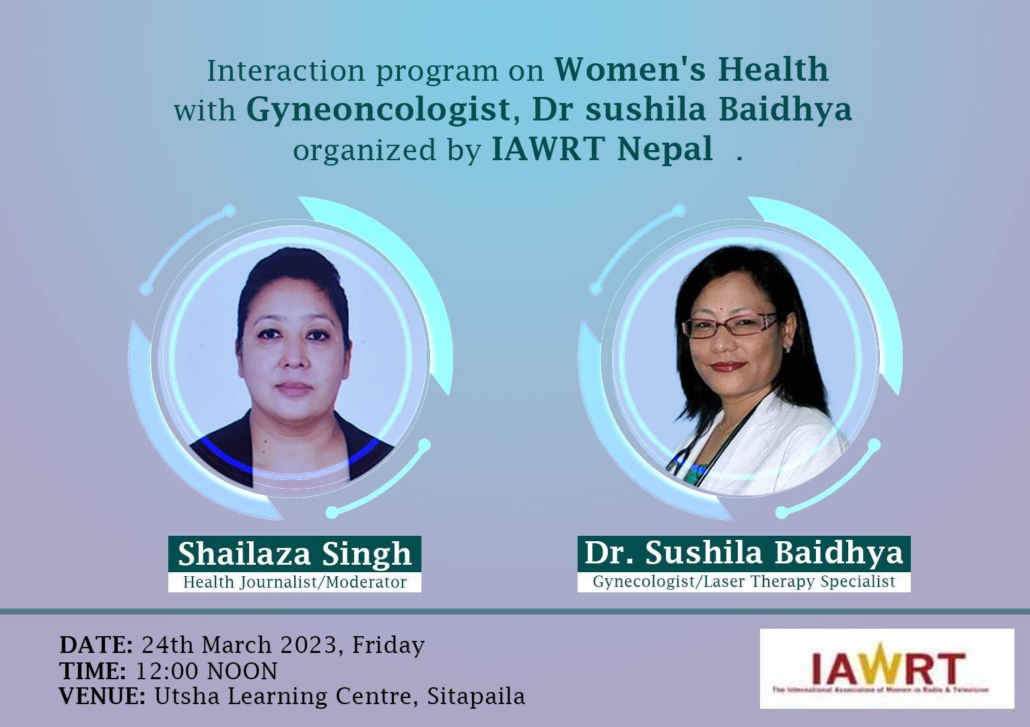
IAWRT Nepal held an interaction program at Utsah Learning Centre organized on the topic of women’s health with gynecologist Dr Sushila Baidhya on the 24th of March 2023.
Dr. Baidhya shared how she started her career at a very young age with all of its ups and downs. She talked about pre-cancer stages in people, what to do and how to know about it. She also gave information on women’s menstrual health, personal hygiene and the pregnancy issues that may arise in women. She recommended that every woman, married or unmarried, should visit a gynecologist every single year to prevent health problems that may arise in the future.
https://iawrt.org/wp-content/uploads/2023/04/0330-posted-iawrt-nepal-0323.jpeg720960Secretariathttp://iawrt.org/wp-content/uploads/2021/11/logo.pngSecretariat2023-04-01 21:37:002023-04-18 09:47:29IAWRT Nepal Talks About Women’s Health
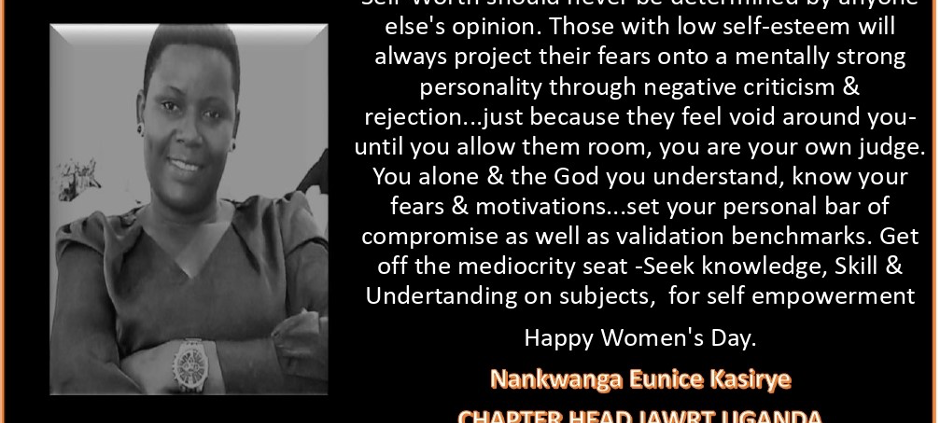
IAWRT Uganda Chapter, in recognition of International Women’s Day 2023, joined other actors globally to proclaim solidarity with the year’s theme DigitALL: Innovation and Technology for gender equality.
Nankwanga Eunice Kasirye, the IAWRT Uganda Chapter Head, believes that seeking knowledge, skills and knowledge lifts up the women/ girls’ self-esteem which is a strong weapon against any form of abuse especially online harassment. With authority on subjects of discussion as well as digital skills, women have the ability to fully explore the advantages and opportunities that come with the evolving digital world.
She asserts that low self-esteem often brought about by societal structured and normalised abuse of women and girls often limits women’s and girls’ ability to effective and meaningful engagements with digital innovations.
Eunice calls upon fellow women to prioritize self-empowerment through the intentional choice of power surrender through what is allowed to dominate in your mind, brain, eyes and social circles. Because that determines how we take advantage of the opportunities that come with the digital world spaces and beyond.
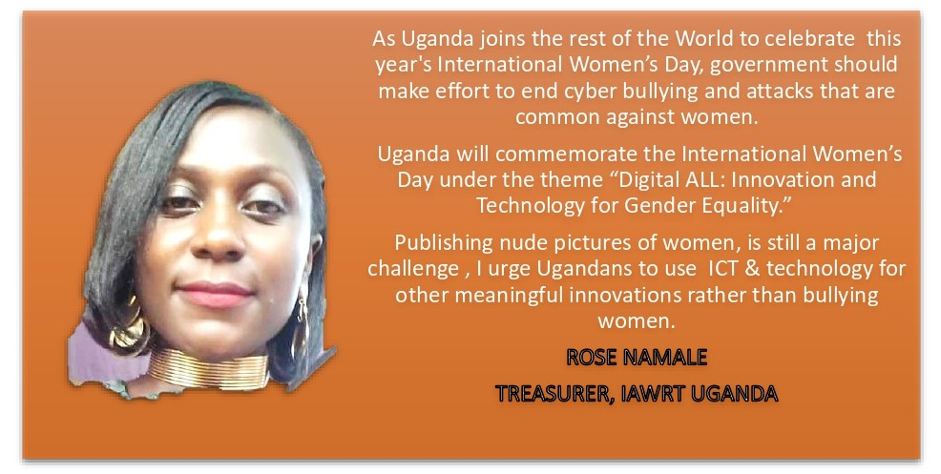
Rose Namale is the Treasurer IAWRT Uganda Chapter. She calls upon the government of Uganda to take an interest and ensure safety for women is guaranteed online. She says even when it is becoming increasingly impossible to avoid the use of digital spaces and gadgets, women’s safety keeps deteriorating with limited intervention from the government even when there are laws and policies in Uganda to protect users, especially women.
Fleria Nalwanga, a board member of IAWRT Uganda, encourages women to take advantage of their natural limitless abilities to conquer what it is one desire. Women should always be bold and stand up against all barriers and take victory in all spaces because power relies on it.
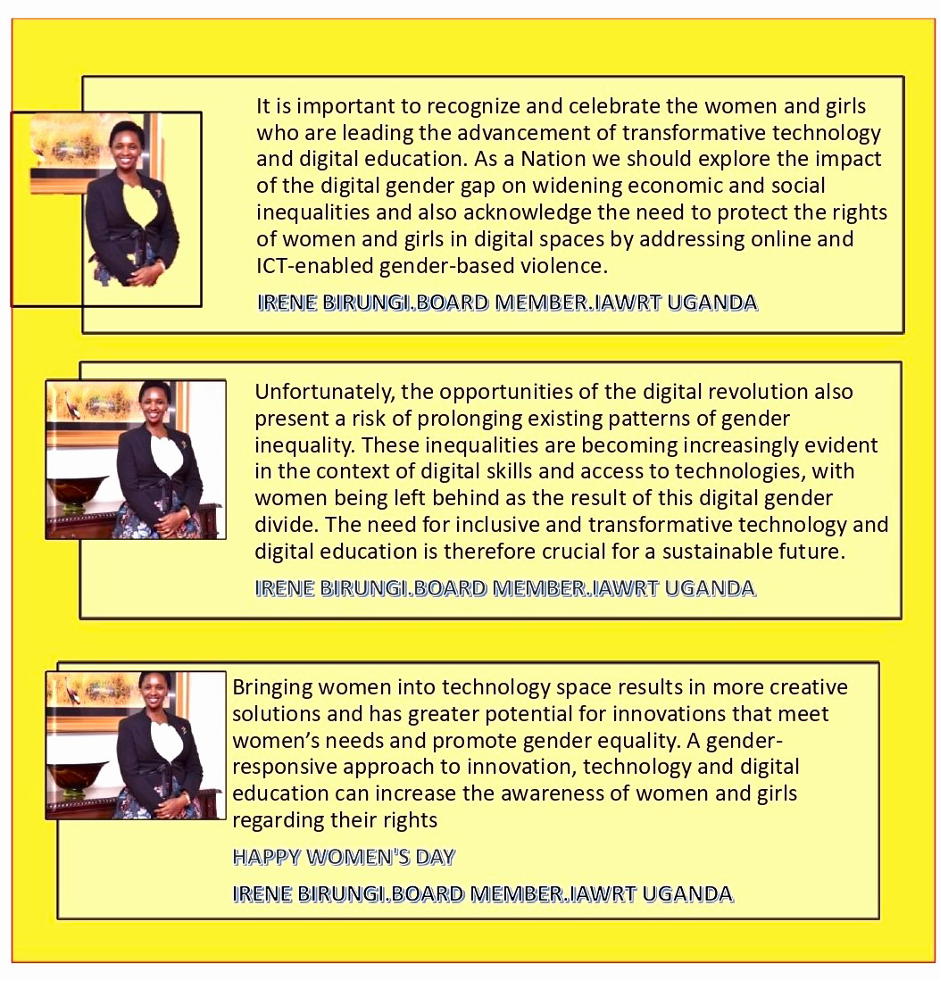
Irene Birungi, a board member of IAWRT Uganda Chapter, amplifies the call for inclusive and transformative technology and digital education as a prerequisite for a sustainable future. She affirms that more women in the technology spaces result in more creative solutions and greater potential for innovations that meet women’s needs and promote gender equality.
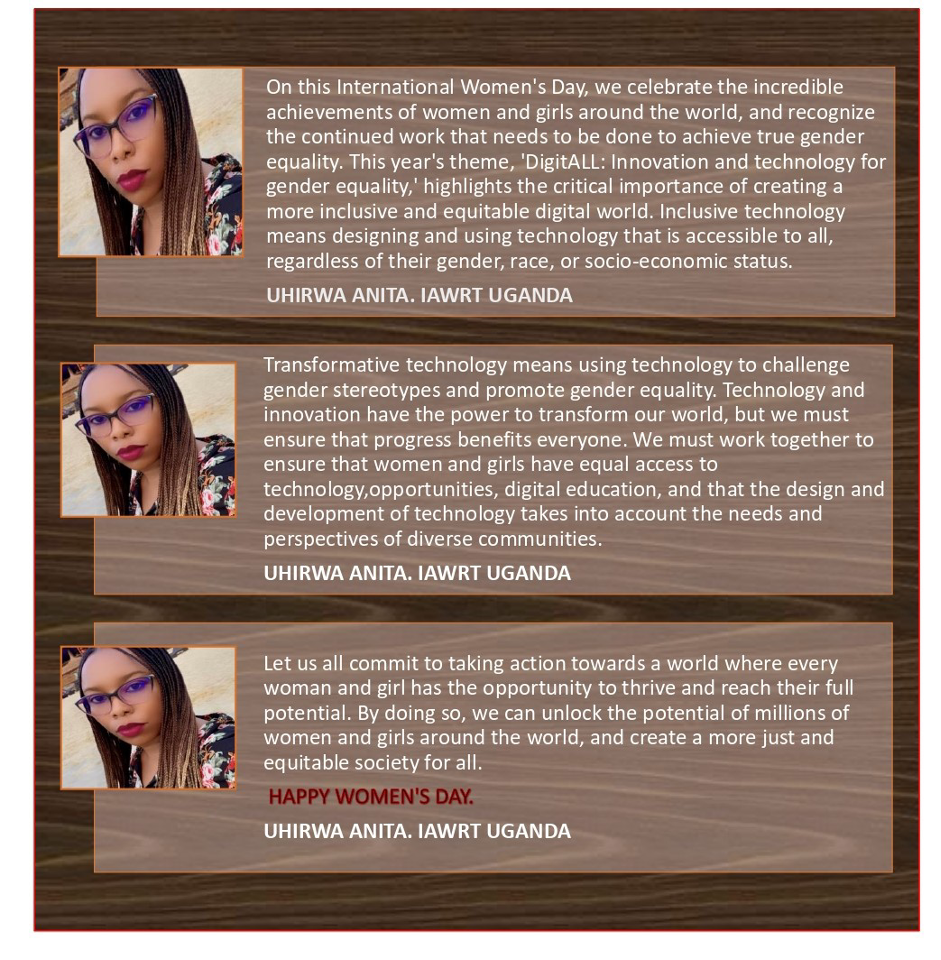
Uhirwa Anita, a member of IAWRT Uganda, asserts that technology and innovation have the power to transform the world where progress benefits everyone. She says working together to ensure that women and girls have equal access to technology, opportunities, and digital education and that the design and development of technology take into account the needs and perspectives of diverse communities is the power within and among women and everyone in their unique capacity.
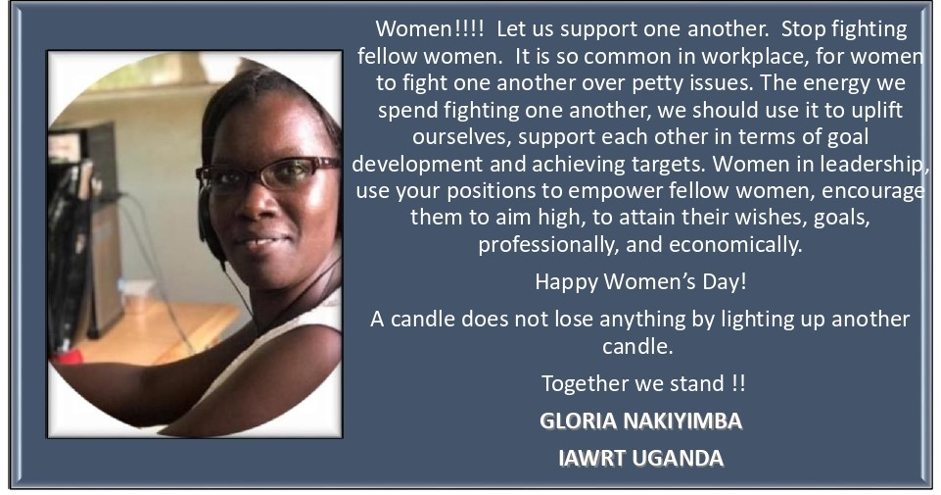
Gloria Nakiyimba, a member of IAWRT Uganda Chapter, she challenges women to support each other to leap over all forms of progress barriers. Nakiyimba encourages women to desist from pulling down fellow women but fix each other’s Crown. A candle does not lose anything by lighting up another candle. Together we stand!!
https://iawrt.org/wp-content/uploads/2023/04/0331-uganda-01.png487941Secretariathttp://iawrt.org/wp-content/uploads/2021/11/logo.pngSecretariat2023-03-31 11:56:532023-04-18 12:24:16IAWRT Uganda members share messages on IWD theme #EmbraceEquity2023
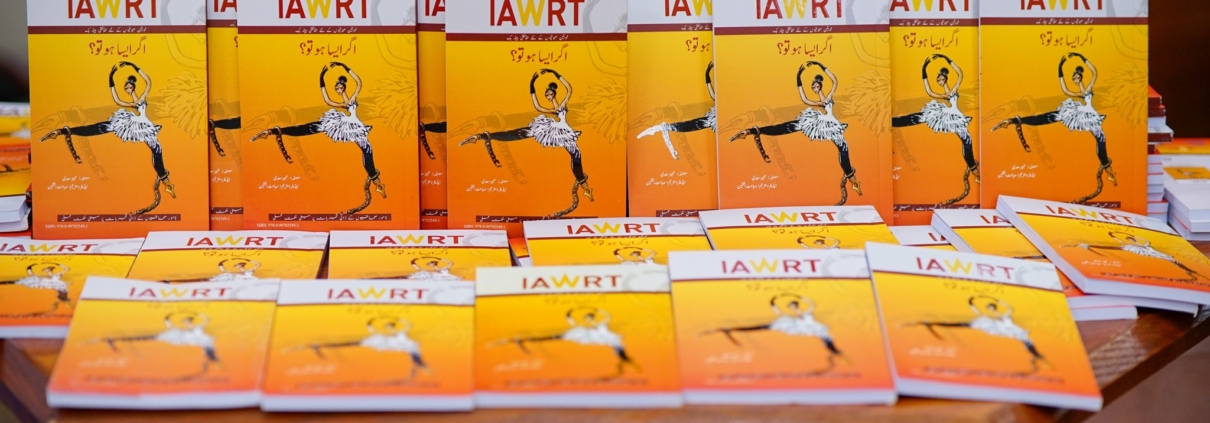
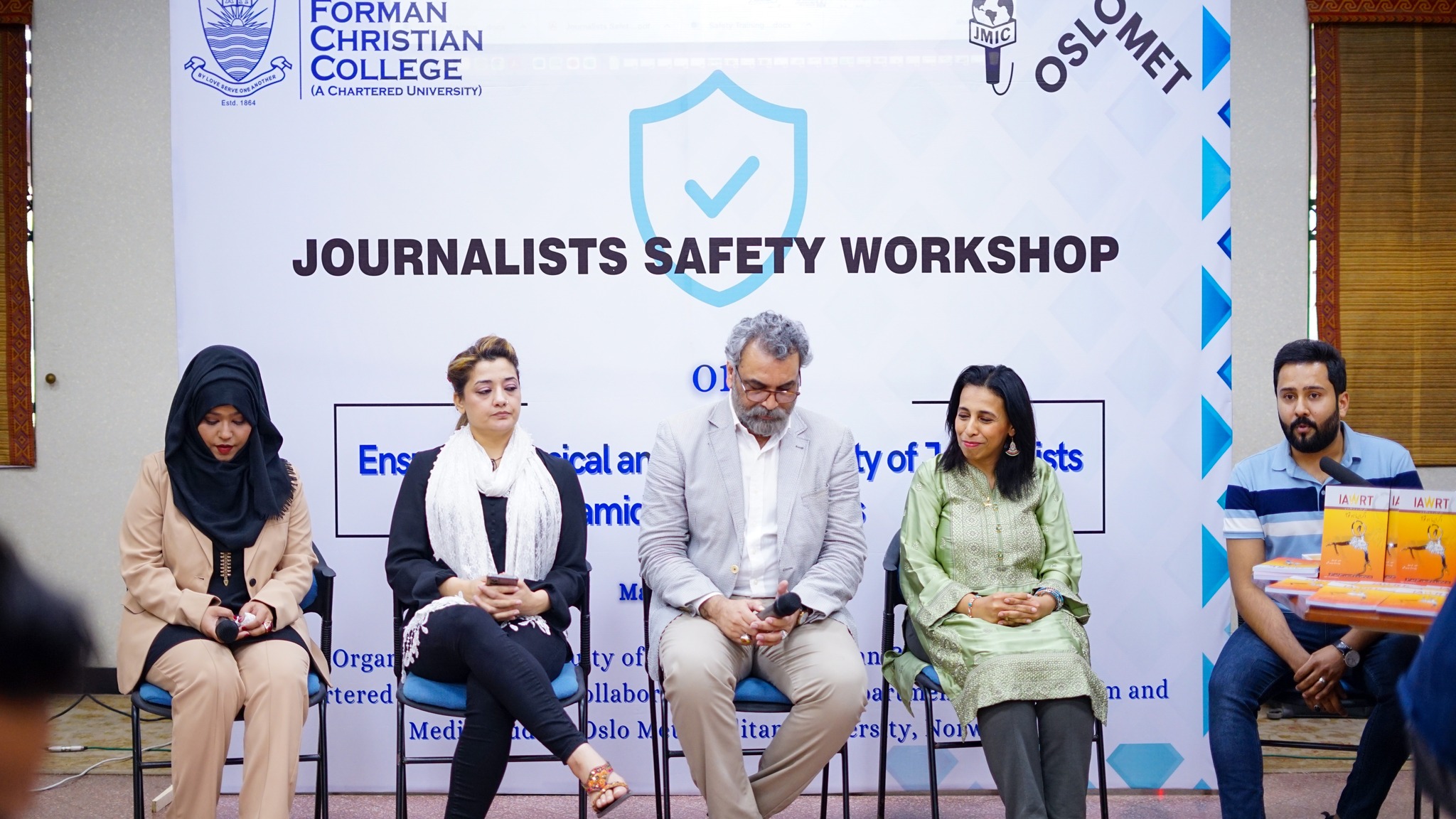
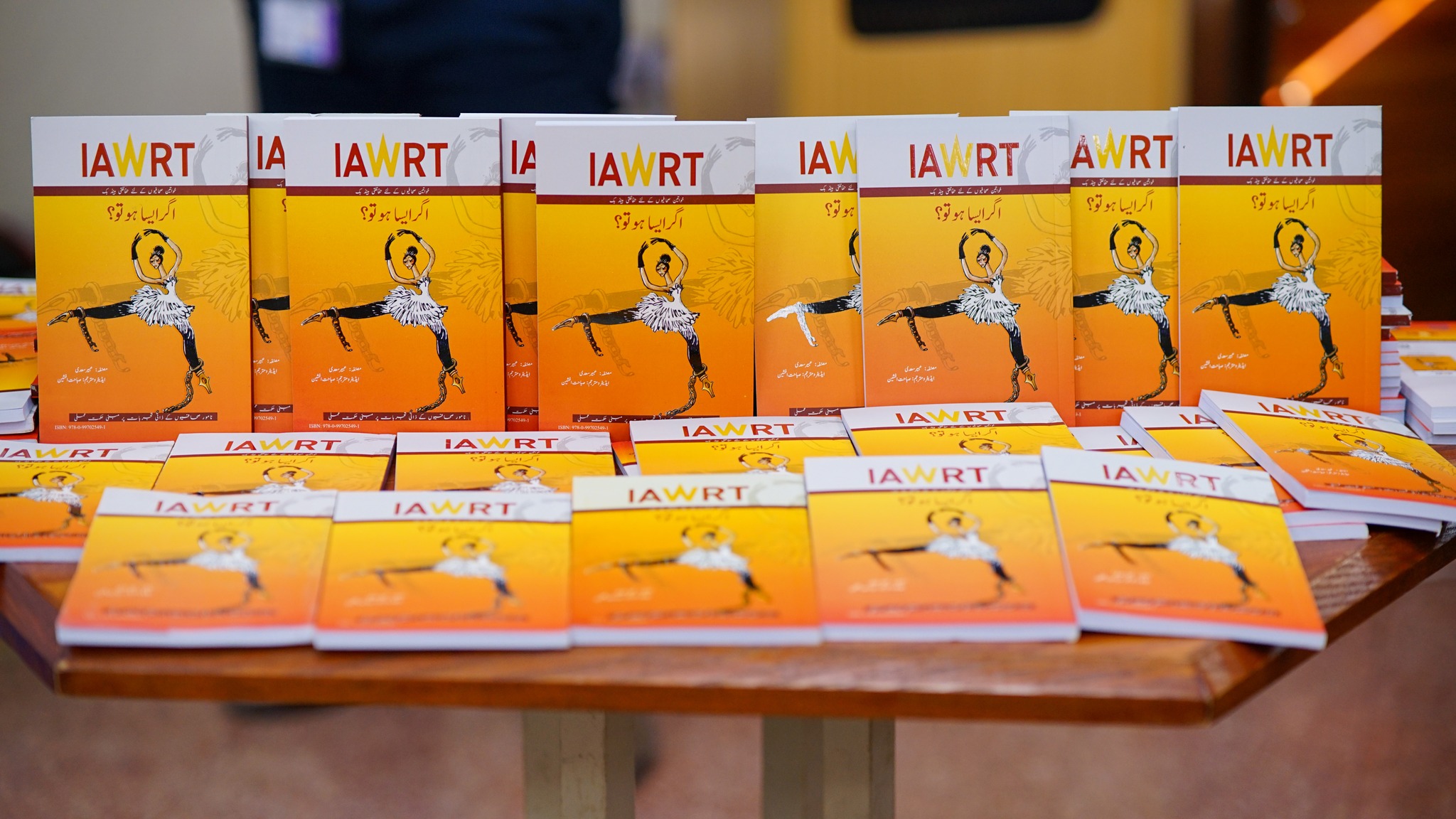
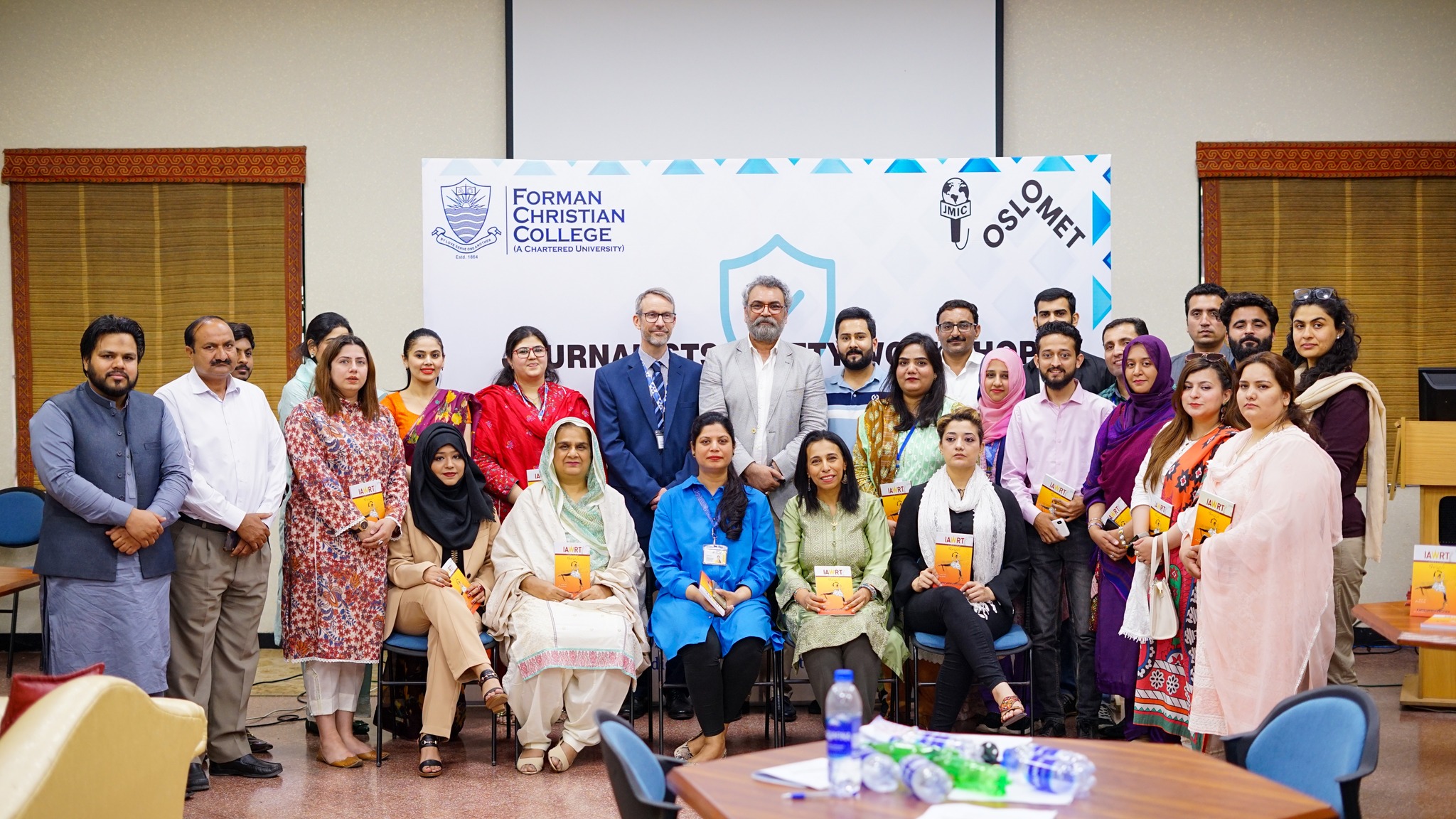
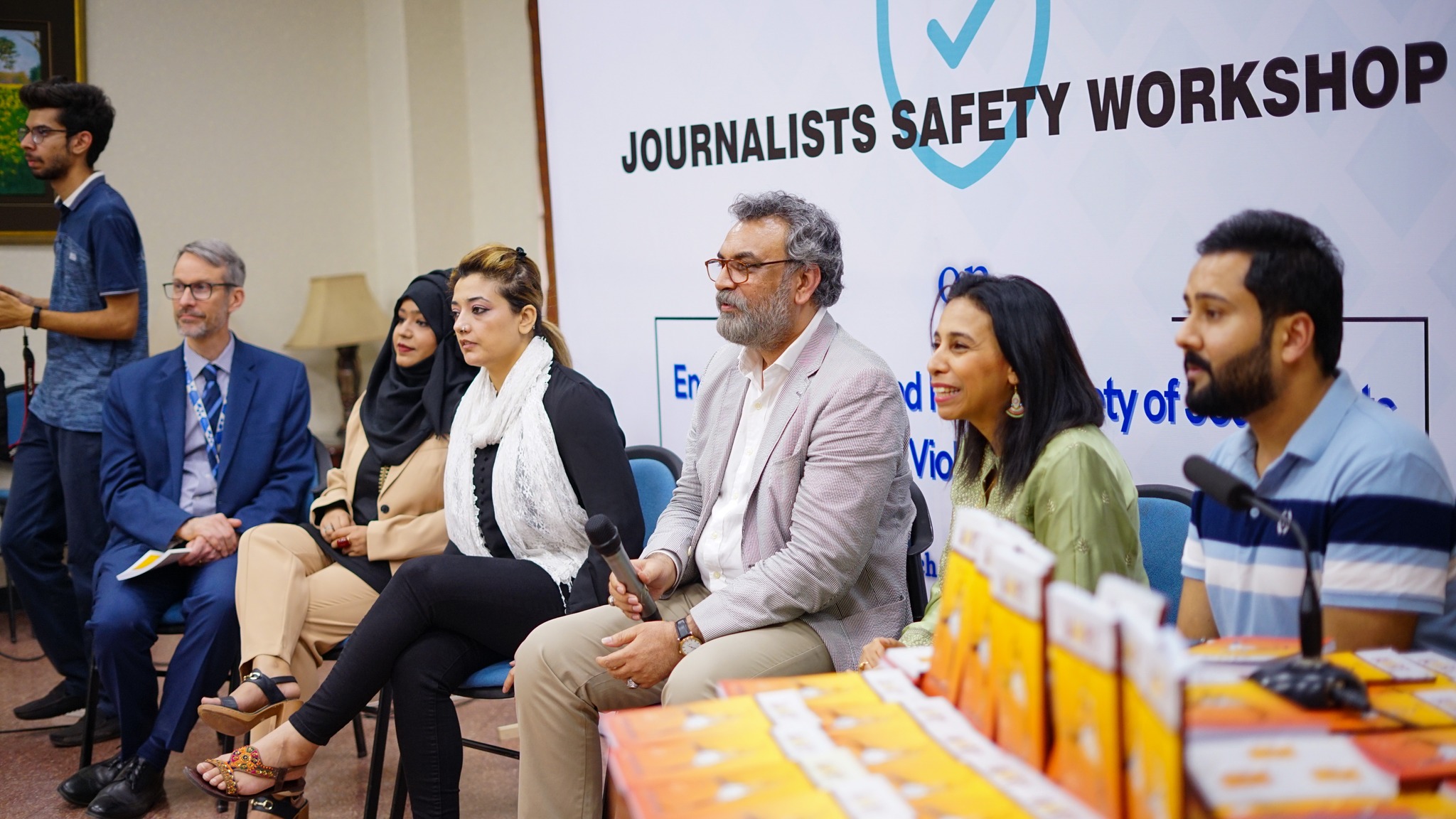
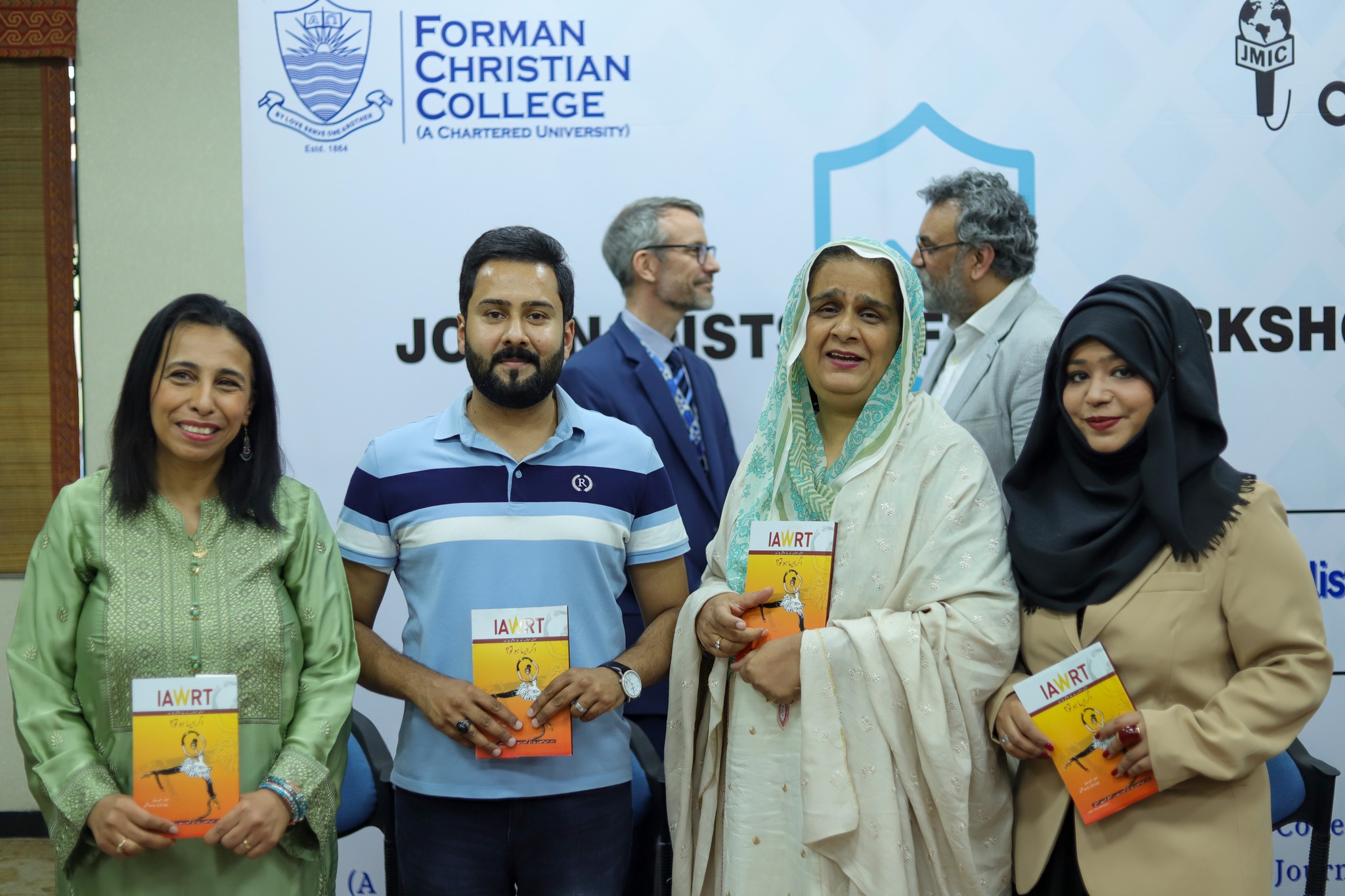
A book on Safety Handbook for Women Journalists was launched at the Department of Mass Communication, FCCU on March 15. The book launch event was organized by Faculty of Humanities at Forman Christian College (A Chartered University) in collaboration with Journalism & Media International Center (JMIC), OsloMet – Oslo Metropolitan University, Norway. Dr. Douglas Trimble, Vice Rector for Academic Affairs at FCCU was the guest of honor on the occasion.
The book has been written by International War Correspondent and Media Trainer, Ms. Abeer Saady, and has been translated in Urdu by Ms. Sabahat Afsheen.
Dean of Humanities FCCU, Dr. Altaf Ullah Khan shared his views about the book. They said the Urdu version of the book will equip the women journalists of Pakistan to perform their duties efficiently and safely. The book launch event was moderated by Syed Muhammad Saqib, Assistant Professor at Department of Mass Communication, FCCU. Journalists, students and participants from Journalists Safety Workshop at FCCU attended the book launch.
*The IAWRT Safety Handbook is now available in English, Arabic, Turkish and Urdu.
https://iawrt.org/wp-content/uploads/2023/03/0315-urdu-book-launch-posted-0319-03.jpeg11522048adminhttp://iawrt.org/wp-content/uploads/2021/11/logo.pngadmin2023-03-28 19:06:262023-04-18 11:20:41Launch of Urdu translation of IAWRT Safety Handbook in Lahore
IAWRT welcomes Ian Phillips, the new director of the UN Department of Global Communications News and Media Division.
According to UN DGC, Ian joins DGC after 30 years of working in international news agency journalism around the world. During his career as a reporter, editor, and news director he has been posted to Buenos Aires, Paris, London, Prague, Cairo, and New York. Most recently he has served as Vice President of International News for the Associated Press. He will officially start with DGC next month.
https://iawrt.org/wp-content/uploads/2023/03/ian-philips.jpeg225225adminhttp://iawrt.org/wp-content/uploads/2021/11/logo.pngadmin2023-03-22 23:45:282023-03-22 23:45:32Ian Phillips is the Director of DGC’s News and Media Division
Organized as a side event of the 67th Session of the Commission on the Status of Women (CSW) in cooperation with the International Association of Women in Radio and Television (IAWRT), a DGC- associated NGO.
Innovative technology is playing a significant role in creating opportunities for women and girls in media. With the rise of social media, women can now share their stories and experiences directly with the world, bypassing traditional gatekeepers in the media industry. This has led to a proliferation of new voices and perspectives, creating a more diverse and representative media landscape.
One of the biggest challenges faced by women in media is the lack of representation and representation at decision-making levels. However, women leaders in media are making a change by breaking the mold and using their platforms to give voice to the stories and experiences of women and girls.
Women leaders in media are leveraging technology to create new opportunities for women and girls in the media industry. For instance, by harnessing the power of artificial intelligence, women leaders are able to automate tasks that were previously performed by humans, freeing up time for creative and strategic thinking. This has the potential to level the playing field for women and girls, who are often held back by gender-based discrimination and biases.
Another example of how women leaders in media are making innovative technology work for women and girls is through the use of virtual and augmented reality. These technologies are being used to create immersive experiences that educate, entertain and engage women and girls, encouraging them to be active participants in media and storytelling.
We cannot look at this topic without taking into consideration the digital human rights aspect to innovative technology as laid out in the Secretary General roadmap for Digital Transformation 2020. He highlighted the need for due diligence in addressing the broad use of digital technology as mechanisms of ‘surveillance, suppression, censorship, and sexual harassment’ of vulnerable groups.
https://iawrt.org/wp-content/uploads/2023/03/0306-un-dgc-side-event.jpg6751200adminhttp://iawrt.org/wp-content/uploads/2021/11/logo.pngadmin2023-03-06 19:22:022023-03-06 19:22:05UN DGC and IAWRT Side Event at CSW
Last February 26, 2023, the International Association of Women in Radio and Television – Philippines held a paralegal training on how counter-terrorism measures impact free speech and the practice journalism.
“Current counter-terrorism measures in the Philippines have a profound and grave impact on free speech and press freedom,” said the secretary general of the National Union of Peoples’ Lawyers (NUPL) and human rights lawyer Josalee Deinla, who discussed the issue currently faced by society regarding counter-terrorism.
During the training, Deinla noted that there has been a so-called “security pandemic” all over the world since the 9/11 attacks in 2001.
Various entities intrinsic to the global counter-terrorism architecture have emerged. Then UN secretary-general Kofi Annan reminded that counter-terrorism measures must not unduly curtail human rights.
“The proliferation of security measures to counter terrorism and the adoption of measures that restrict civic space are happening simultaneously,” Deinla explained.
As the security space is ramped up, she said that it leads to the narrowing of the civic space.
“Unfortunately, human rights or civic space are being marginalized under this context.”
In recent times, there has been no balance between the civic space and the security space, and no region or country is immune to the “security pandemic.” The Philippines is among those affected by this counter-terrorism architecture.
“What is happening in the Philippines is not different from what is happening in other countries because of the UN Security Council resolution and the recommendations of various international bodies,” Deinla shared.
Human rights concerns
The international counter-terrorism architecture is characterized by a blanket approach to counter-terrorism legislation as there is no universal or single definition of terrorism all over the world.
“That is one of the problems that human rights experts have had for a long time, the lack of an agreed definition of terrorism and even violent extremism,” Deinla said.
States, she added, are free to define the term however they wish to, “so there is a problem with its interpretation in terms of broadness and this could violate the rights of the citizens.”
There is also a polarizing rhetoric, “You’re either with us or not with us,” wherein those who question the legitimacy of counter-terrorism measures are voices being silenced.
Impact of counter-terrorism laws on free speech and press freedom
In recent years, among the most contentious was the passing of an anti-terror law in the Philippines.
“The counter-terrorism measures in the Philippines have led to a curtailment of legitimate exercises of fundamental freedoms,” Deinla said.
There is a broad definition of the term terrorism in Section 4 of the Anti-Terrorism Act or Republic Act 11479.
While the capacity of the Anti-Terrorism Act is not limited to the context of criminal prosecution, the concept of terrorism has been conveniently used to delegitimize independent media and stifle or censor free speech. In June 2022, Bulatlat, Pinoy Weekly and other websites were censored by the National Telecommunications Commission in compliance with a blocking order from national security adviser Hermogenes Esperon Jr.
The same year, the Komisyon ng Wikang Filipino (KWF) ordered the cessation publication of five books that allegedly incite terrorism, including “Kalatas: Mga Kuwentong Bayan at Kuwentong Buhay” by Rommel Rodriguez and “Labas: Mga Palabas sa Labas ng Sentro” by Reuel Aguila.
The ban was lifted after three KWF commissioners withdrew their signatures, voiding the said memorandum.
A popular bookstore, Solidaridad, was also red-tagged for selling books with content that allegedly incites terrorism, and its façade was tagged with spray paint.
“In the Philippine context, restrictions on free speech engendering the government’s concept of terrorism compel journalists, artists, writers, and ordinary citizens to be wary of their vulnerability to prosecution for terrorism-related offenses concerning speech,” Deinla said.
With this, there may be a need to re-examine the Philippines’ context of the chilling effect on speech.
“For freedom of speech and of the press to have any meaning, it must likewise protect expression that challenges the status quo,” Deinla added.
About IAWRT Digital Safe House for Filipino Women Journalists
This is the second part of the paralegal training conducted in line with IAWRT’s Digital Safe House for Filipino Women Journalists (https://www.digitalsafehouseph.net/), a one-stop digital hub for women journalists at-risk and those seeking support in the face of online and offline attacks, abuse and violence. The training was attended by the IAWRT executive board, members, and journalism students.
This year, IAWRT eyes the popularization of Digital Safe House for Filipino Women Journalists by promoting it among members of the media and expanding it to members of the organization’s global network. IAWRT Philippines also aims to build capacity and awareness in raising issues related to the safety of women journalists in the Philippines.
https://iawrt.org/wp-content/uploads/2023/03/0302-iawrt-ph-paralegal-training.jpeg5991017adminhttp://iawrt.org/wp-content/uploads/2021/11/logo.pngadmin2023-03-02 19:04:462023-03-06 19:06:14IAWRT Philippines holds paralegal training on counter-terrorism and free speech
IAWRT India presents ‘I’m Living It’ on Gender, Climate Change Intersectionalities’ at Alliance Francaise, New Delhi, on 1-3 March 2023.
During the three-day workshop a group of 30 participants from very diverse backgrounds including women from marginalized communities such as tribal, urban and rural poor will join media students to learn how to make short films on mobile phones.
About 10 women from tribal areas and 15 women and adolescent girls from underprivileged urban poor communities around Delhi will participate in the workshop.
The skilling workshop is designed to teach the participants how to tell their stories about the ways in which climate change has impacted their lives and livelihoods with the help of these films.
https://iawrt.org/wp-content/uploads/2023/03/0301-Climate-change-poster-dated-25th-Feb-11pm-1.png1280809adminhttp://iawrt.org/wp-content/uploads/2021/11/logo.pngadmin2023-03-01 13:51:252023-03-01 13:51:28IAWRT India workshop on gender and climate change